
Julieta A Rabanos – författare
Visar alla böcker från författaren Julieta A Rabanos. Handla med fri frakt och snabb leverans.
4 produkter
4 produkter
Inbunden, Engelska, 2026
1 211 kr
Skickas inom 10-15 vardagar
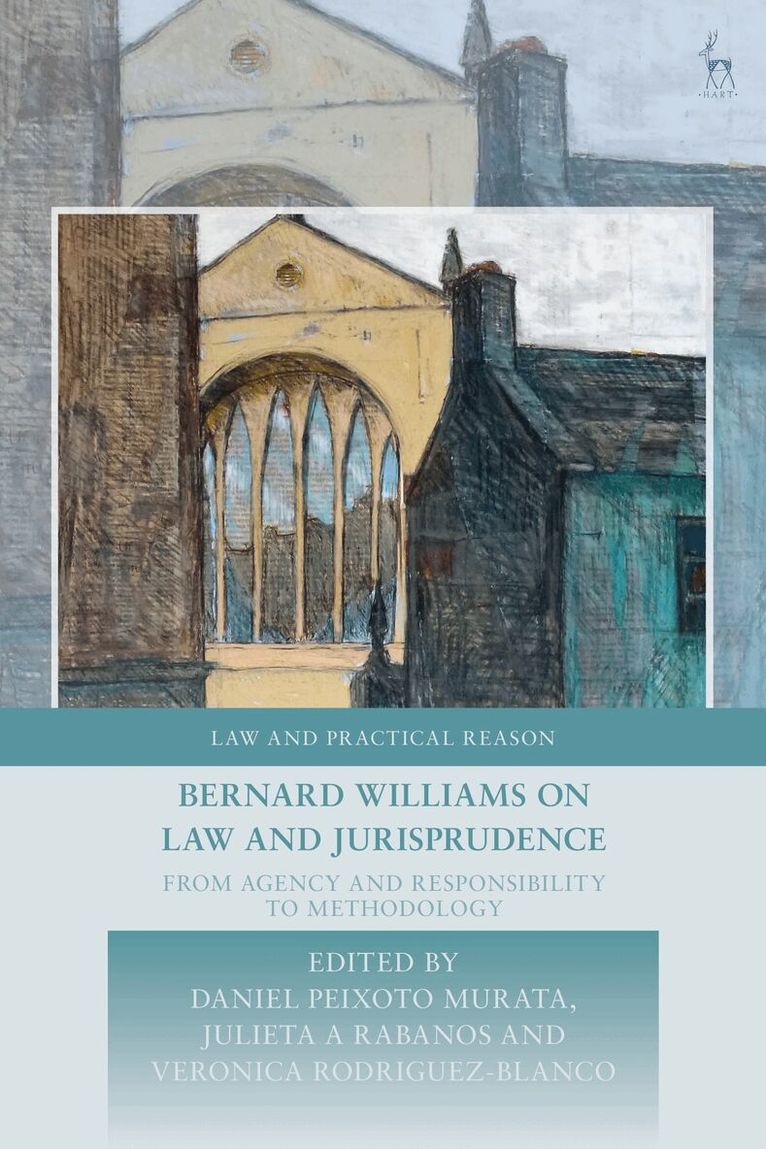
This book is the first collection of essays on Bernard Williams’ moral and political philosophy to shed light on the nature of law, and key legal concepts. By the time of his death in 2003, Williams was widely regarded as the most important moral philosopher of his generation. Surprisingly, his work is still largely under-discussed in legal theory. This book aims to fill this gap with brand new discussions from scholars both from law and philosophy.The first part of the book focuses on Williams’ work on responsibility and regret and its implications for law. Drawing from Ancient Greek authors, Williams maintained that luck might play a key role in our practices of responsibility and that some dimensions of responsibility are tied to the notion of having a character. What we do – intentionally or not – might affect our understanding of ourselves and of our place in the world. How do those ideas help us in making sense of legal responsibility? How broader concerns about our practices of responsibility impact the law? Those are some of the questions addressed by the authors in this part.The second part looks at how Williams’ understanding of philosophy can shape the way we do jurisprudence. Williams’ work on the methodology of philosophy combines resources from analytical philosophy, continental authors, history, and literature. He understood philosophy as a humanistic discipline. The authors in the second part of the book draw from Williams' work, notably his innovative take on the genealogical method, to discuss how we could practice legal philosophy in this same spirit.
E-bok
Engelska, 20261 276 kr
Läs direkt efter köp
This book is the first collection of essays on Bernard Williams' moral and political philosophy to shed light on the nature of law, and key legal concepts. By the time of his death in 2003, Williams was widely regarded as the most important moral philosopher of his generation. Surprisingly, his work is still largely under-discussed in legal theory. This book aims to fill this gap with brand new discussions from scholars both from law and philosophy.The first part of the book focuses on Williams' work on responsibility and regret and its implications for law. Drawing from Ancient Greek authors, Williams maintained that luck might play a key role in our practices of responsibility and that some dimensions of responsibility are tied to the notion of having a character. What we do intentionally or not might affect our understanding of ourselves and of our place in the world. How do those ideas help us in making sense of legal responsibility? How broader concerns about our practices of responsibility impact the law? Those are some of the questions addressed by the authors in this part.The second part looks at how Williams' understanding of philosophy can shape the way we do jurisprudence. Williams' work on the methodology of philosophy combines resources from analytical philosophy, continental authors, history, and literature. He understood philosophy as a humanistic discipline. The authors in the second part of the book draw from Williams' work, notably his innovative take on the genealogical method, to discuss how we could practice legal philosophy in this same spirit.
E-bok
PDF, Engelska, 20261 276 kr
Läs direkt efter köp
This book is the first collection of essays on Bernard Williams' moral and political philosophy to shed light on the nature of law, and key legal concepts. By the time of his death in 2003, Williams was widely regarded as the most important moral philosopher of his generation. Surprisingly, his work is still largely under-discussed in legal theory. This book aims to fill this gap with brand new discussions from scholars both from law and philosophy.The first part of the book focuses on Williams' work on responsibility and regret and its implications for law. Drawing from Ancient Greek authors, Williams maintained that luck might play a key role in our practices of responsibility and that some dimensions of responsibility are tied to the notion of having a character. What we do intentionally or not might affect our understanding of ourselves and of our place in the world. How do those ideas help us in making sense of legal responsibility? How broader concerns about our practices of responsibility impact the law? Those are some of the questions addressed by the authors in this part.The second part looks at how Williams' understanding of philosophy can shape the way we do jurisprudence. Williams' work on the methodology of philosophy combines resources from analytical philosophy, continental authors, history, and literature. He understood philosophy as a humanistic discipline. The authors in the second part of the book draw from Williams' work, notably his innovative take on the genealogical method, to discuss how we could practice legal philosophy in this same spirit.
E-bok
PDF, Spanska, 2022352 kr
Läs direkt efter köp
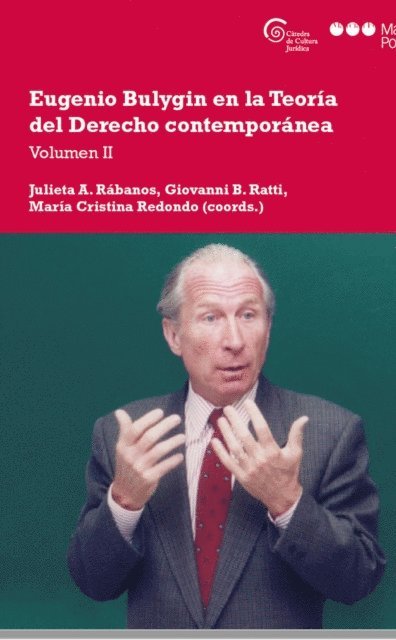
Los trabajos de Eugenio Bulygin (1931-2021) han ejercido una influencia extraordinaria en la filosofía del derecho contemporánea. Durante más de cincuenta años, sus contribuciones han enriquecido los aspectos más importantes de la teoría analítica del derecho: el razonamiento jurídico, la reconstrucción de los conceptos jurídicos y la explicación de la naturaleza sistemática del derecho.Para conmemorar esa impresionante trayectoria de un filósofo excepcional y un maestro entrañable, se publican, en dos volúmenes, 47 trabajos originales de teóricos y filósofos del derecho de Argentina, Chile, Brasil, México, Colombia, Estados Unidos, España, Italia, Portugal, Alemania, Francia y Rusia. Todos estos artículos giran en torno a problemas y desafíos que Bulygin ha enfrentado a lo largo de casi seis décadas: la forma y naturaleza de los argumentos jurídicos, la posibilidad de una lógica de normas, la distinción entre normas y proposiciones normativas, los límites del derecho, la ontología de las normas y la plausibilidad del positivismo jurídico.