Daniel Q. Gillion - Böcker
Visar alla böcker från författaren Daniel Q. Gillion. Handla med fri frakt och snabb leverans.
6 produkter
6 produkter
242 kr
Skickas inom 7-10 vardagar
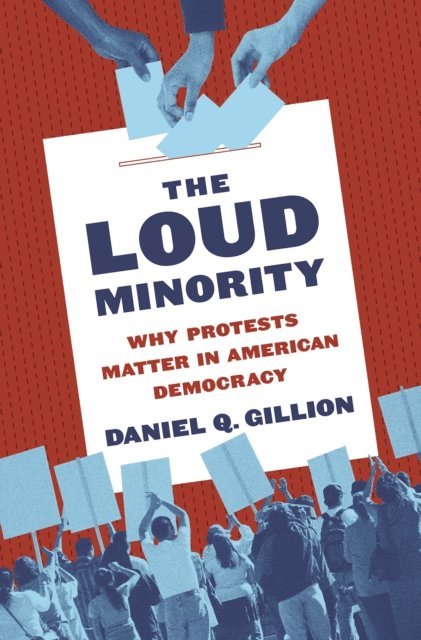
How political protests and activism influence voters and candidatesThe “silent majority”—a phrase coined by Richard Nixon in 1969 in response to Vietnam War protests and later used by Donald Trump as a campaign slogan—refers to the supposed wedge that exists between protestors in the street and the voters at home. The Loud Minority upends this view by demonstrating that voters are in fact directly informed and influenced by protest activism. Consequently, as protests grow in America, every facet of the electoral process is touched by this loud minority, benefiting the political party perceived to be the most supportive of the protestors’ messaging.Drawing on historical evidence, statistical data, and detailed interviews about protest activity since the 1960s, Daniel Gillion shows that electoral districts with protest activity are more likely to see increased voter turnout at the polls. Surprisingly, protest activities are also moneymaking endeavors for electoral politics, as voters donate more to political candidates who share the ideological leanings of activists. Finally, protests are a signal of political problems, encouraging experienced political challengers to run for office and hurting incumbents’ chances of winning reelection. The silent majority may not speak by protesting themselves, but they clearly gesture for social change with their votes.An exploration of how protests affect voter behavior and warn of future electoral changes, The Loud Minority looks at the many ways that activism can shape democracy.
172 kr
Skickas inom 7-10 vardagar
How political protests and activism influence voters and candidatesThe “silent majority”—a phrase coined by Richard Nixon in 1969 in response to Vietnam War protests and later used by Donald Trump as a campaign slogan—refers to the supposed wedge that exists between protestors in the street and the voters at home. The Loud Minority upends this view by demonstrating that voters are in fact directly informed and influenced by protest activism. Consequently, as protests grow in America, every facet of the electoral process is touched by this loud minority, benefiting the political party perceived to be the most supportive of the protestors’ messaging.Drawing on historical evidence, statistical data, and detailed interviews about protest activity since the 1960s, Daniel Gillion shows that electoral districts with protest activity are more likely to see increased voter turnout at the polls. Surprisingly, protest activities are also moneymaking endeavors for electoral politics, as voters donate more to political candidates who share the ideological leanings of activists. Finally, protests are a signal of political problems, encouraging experienced political challengers to run for office and hurting incumbents’ chances of winning reelection. The silent majority may not speak by protesting themselves, but they clearly gesture for social change with their votes.An exploration of how protests affect voter behavior and warn of future electoral changes, The Loud Minority looks at the many ways that activism can shape democracy.
1 034 kr
Skickas inom 7-10 vardagar
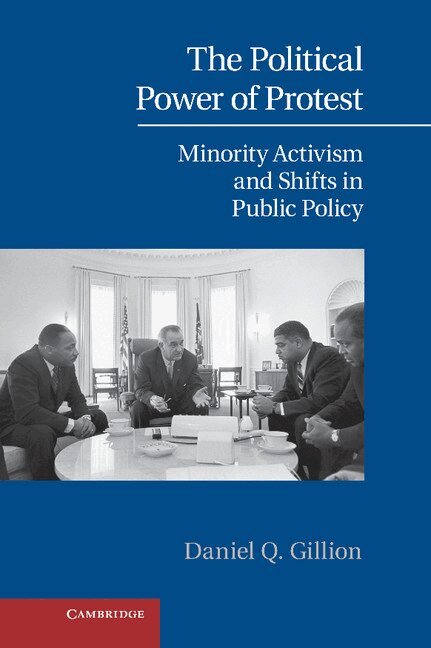
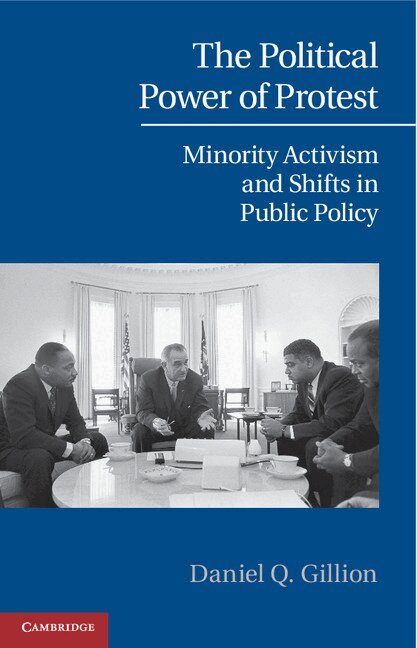
Gillion demonstrates the direct influence that political protest behavior has on Congress, the presidency and the Supreme Court, illustrating that protest is a form of democratic responsiveness that government officials have used, and continue to draw on, to implement federal policies. Focusing on racial and ethnic minority concerns, this book shows that the context of political protest has served as a signal for political preferences. As pro-minority rights behavior grew and anti-minority rights actions declined, politicians learned from minority protest and responded when they felt emboldened by stronger informational cues stemming from citizens' behavior, a theory referred to as the 'information continuum'. Although the shift from protest to politics as a political strategy has opened the door for institutionalized political opportunity, racial and ethnic minorities have neglected a powerful tool to illustrate the inequalities that exist in contemporary society.
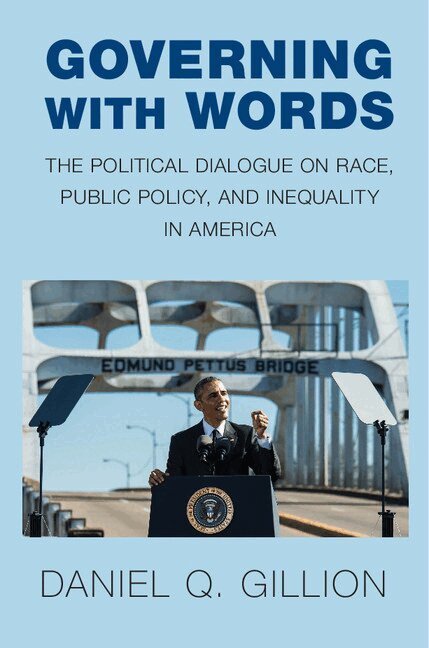
Governing with Words
The Political Dialogue on Race, Public Policy, and Inequality in America
Inbunden, Engelska, 2016
1 258 kr
Skickas inom 7-10 vardagar
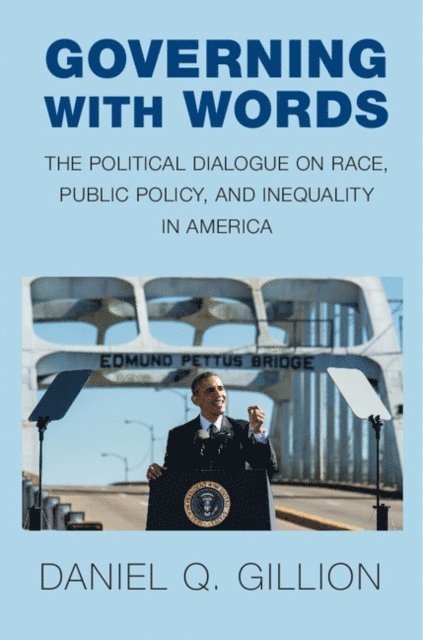
Rather than considering political discussions and rhetoric as symbolic, inconsequential forms of politics, Governing with Words conceptualizes them as forms of government action that can shape institutions and societal norms. Daniel Q. Gillion refers to this theory as 'discursive governance'. Federal politicians' statements about racial and ethnic minority concerns aid the passage of minority public policies and improve individual lifestyle behaviors. Unfortunately, most of the American public continues to disapprove of politicians' rhetoric that highlights race. The book argues that addressing racial and ethnic inequality continues to be a tug-of-war between avoiding the backlash of the majority in this nation while advocating for minority interests. Even though this paradox looms over politicians' discussions of race, race-conscious political speech, viewed in its entirety, is the mechanism by which marginalized groups find a place in the democratic process. Such race-conscious discussions, the book argues, have ramifications both within and outside of government.
Governing with Words
The Political Dialogue on Race, Public Policy, and Inequality in America
Häftad, Engelska, 2016
410 kr
Skickas inom 7-10 vardagar
Rather than considering political discussions and rhetoric as symbolic, inconsequential forms of politics, Governing with Words conceptualizes them as forms of government action that can shape institutions and societal norms. Daniel Q. Gillion refers to this theory as 'discursive governance'. Federal politicians' statements about racial and ethnic minority concerns aid the passage of minority public policies and improve individual lifestyle behaviors. Unfortunately, most of the American public continues to disapprove of politicians' rhetoric that highlights race. The book argues that addressing racial and ethnic inequality continues to be a tug-of-war between avoiding the backlash of the majority in this nation while advocating for minority interests. Even though this paradox looms over politicians' discussions of race, race-conscious political speech, viewed in its entirety, is the mechanism by which marginalized groups find a place in the democratic process. Such race-conscious discussions, the book argues, have ramifications both within and outside of government.
309 kr
Skickas inom 7-10 vardagar
Gillion demonstrates the direct influence that political protest behavior has on Congress, the presidency and the Supreme Court, illustrating that protest is a form of democratic responsiveness that government officials have used, and continue to draw on, to implement federal policies. Focusing on racial and ethnic minority concerns, this book shows that the context of political protest has served as a signal for political preferences. As pro-minority rights behavior grew and anti-minority rights actions declined, politicians learned from minority protest and responded when they felt emboldened by stronger informational cues stemming from citizens' behavior, a theory referred to as the 'information continuum'. Although the shift from protest to politics as a political strategy has opened the door for institutionalized political opportunity, racial and ethnic minorities have neglected a powerful tool to illustrate the inequalities that exist in contemporary society.