Daniel Raveh – författare
Visar alla böcker från författaren Daniel Raveh. Handla med fri frakt och snabb leverans.
18 produkter
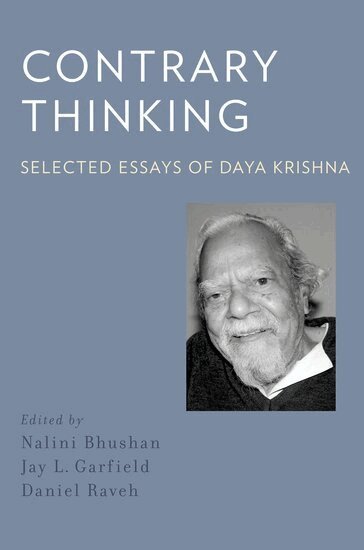
Contrary Thinking
Selected Essays of Daya Krishna
Av Daya Krishna, Nalini Bhushan m. fl.
Inbunden, 2011
2123 kr
Lägg i varukorg
Daya Krishna (1924-2007) was easily the most creative and original Indian philosopher of the second half of the 20th century. His thought and philosophical energy dominated academic Indian philosophy and determined the nature of the engagement of Indian philosophy with Western philosophy during …
Contrary Thinking
Selected Essays of Daya Krishna
Av Daya Krishna, Daniel Raveh m. fl.
E-bok, 2011
1375 kr
Lägg i varukorg
Daya Krishna (1924-2007) was easily the most creative and original Indian philosopher of the second half of the 20th century. His thought and philosophical energy dominated academic Indian philosophy and determined the nature of the engagement of Indian philosophy with Western philosophy during …
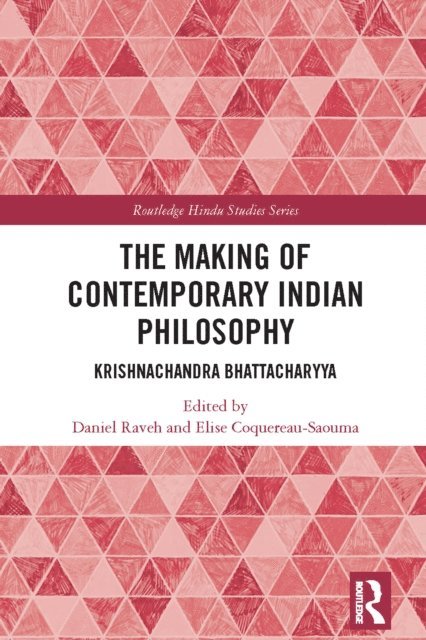
Making of Contemporary Indian Philosophy
Krishnachandra Bhattacharyya
Av Daniel Raveh, Elise Coquereau-Saouma
Inbunden, 2023
2126 kr
Lägg i varukorg
This book engages in a dialogue with Krishnachandra Bhattacharyya (K.C. Bhattacharyya, KCB, 1875–1949) and opens a vista to contemporary Indian philosophy.KCB is one of the founding fathers of contemporary Indian philosophy, a distinct genre of philosophy that draws both on classical Indian …
Making of Contemporary Indian Philosophy
Krishnachandra Bhattacharyya
Av Daniel Raveh, Elise Coquereau-Saouma
Häftad, 2024
631 kr
Lägg i varukorg
This book engages in a dialogue with Krishnachandra Bhattacharyya (K.C. Bhattacharyya, KCB, 1875–1949) and opens a vista to contemporary Indian philosophy.KCB is one of the founding fathers of contemporary Indian philosophy, a distinct genre of philosophy that draws both on classical Indian …
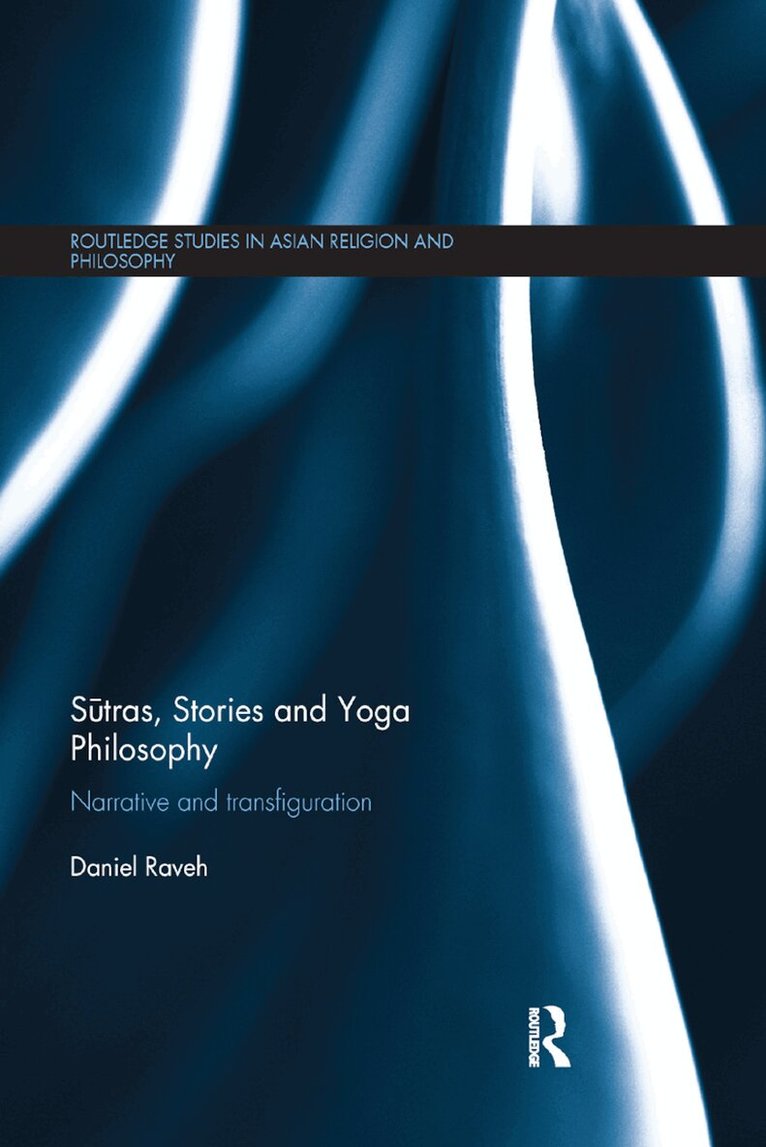
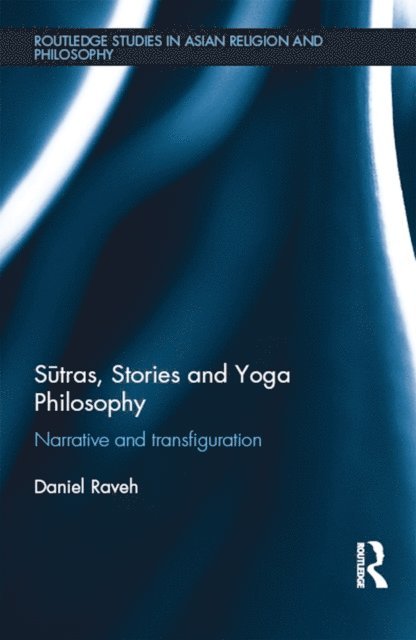
Sūtras, Stories and Yoga Philosophy
Narrative and Transfiguration
Av Daniel Raveh
Häftad, 2019
689 kr
Lägg i varukorg
This book presents a close reading of four Indian narratives from different time periods (epic, Upaniṣadic, pre-modern and contemporary): Ekalavya's story from the Mahābhārata (MBh 1.123.1-39), the story of Prajāpati, Indra and Virochana from the Chāndogya Upanisad (CU 8.7.1-8.12.5), the story of …
Making of Contemporary Indian Philosophy
Krishnachandra Bhattacharyya
Av Elise Coquereau-Saouma, Daniel Raveh
E-bok, 2023
745 kr
Lägg i varukorg
This book engages in a dialogue with Krishnachandra Bhattacharyya (K.C. Bhattacharyya, KCB, 1875–1949) and opens a vista to contemporary Indian philosophy. KCB is one of the founding fathers of contemporary Indian philosophy, a distinct genre of philosophy that draws both on classical Indian …
Making of Contemporary Indian Philosophy
Krishnachandra Bhattacharyya
Av Elise Coquereau-Saouma, Daniel Raveh
E-bok, 2023
729 kr
Lägg i varukorg
This book engages in a dialogue with Krishnachandra Bhattacharyya (K.C. Bhattacharyya, KCB, 1875–1949) and opens a vista to contemporary Indian philosophy. KCB is one of the founding fathers of contemporary Indian philosophy, a distinct genre of philosophy that draws both on classical Indian …
Sūtras, Stories and Yoga Philosophy
Narrative and Transfiguration
Av Daniel Raveh
Inbunden, 2016
2504 kr
Lägg i varukorg
This book presents a close reading of four Indian narratives from different time periods (epic, Upaniṣadic, pre-modern and contemporary): Ekalavya's story from the Mahābhārata (MBh 1.123.1-39), the story of Prajāpati, Indra and Virochana from the Chāndogya Upanisad (CU 8.7.1-8.12.5), the story of …
Sutras, Stories and Yoga Philosophy
Narrative and Transfiguration
Av Daniel Raveh
E-bok, 2016
814 kr
Lägg i varukorg
This book presents a close reading of four Indian narratives from different time periods (epic, Upaniá¹£adic, pre-modern and contemporary): Ekalavya''s story from the MahÄbhÄrata (MBh 1.123.1-39), the story of PrajÄpati, Indra and Virochana from the ChÄndogya Upanisad (CU 8.7.1-8.12.5), the …
Sutras, Stories and Yoga Philosophy
Narrative and Transfiguration
Av Daniel Raveh
E-bok, 2016
796 kr
Lägg i varukorg
This book presents a close reading of four Indian narratives from different time periods (epic, Upaniá¹£adic, pre-modern and contemporary): Ekalavya''s story from the MahÄbhÄrata (MBh 1.123.1-39), the story of PrajÄpati, Indra and Virochana from the ChÄndogya Upanisad (CU 8.7.1-8.12.5), the …
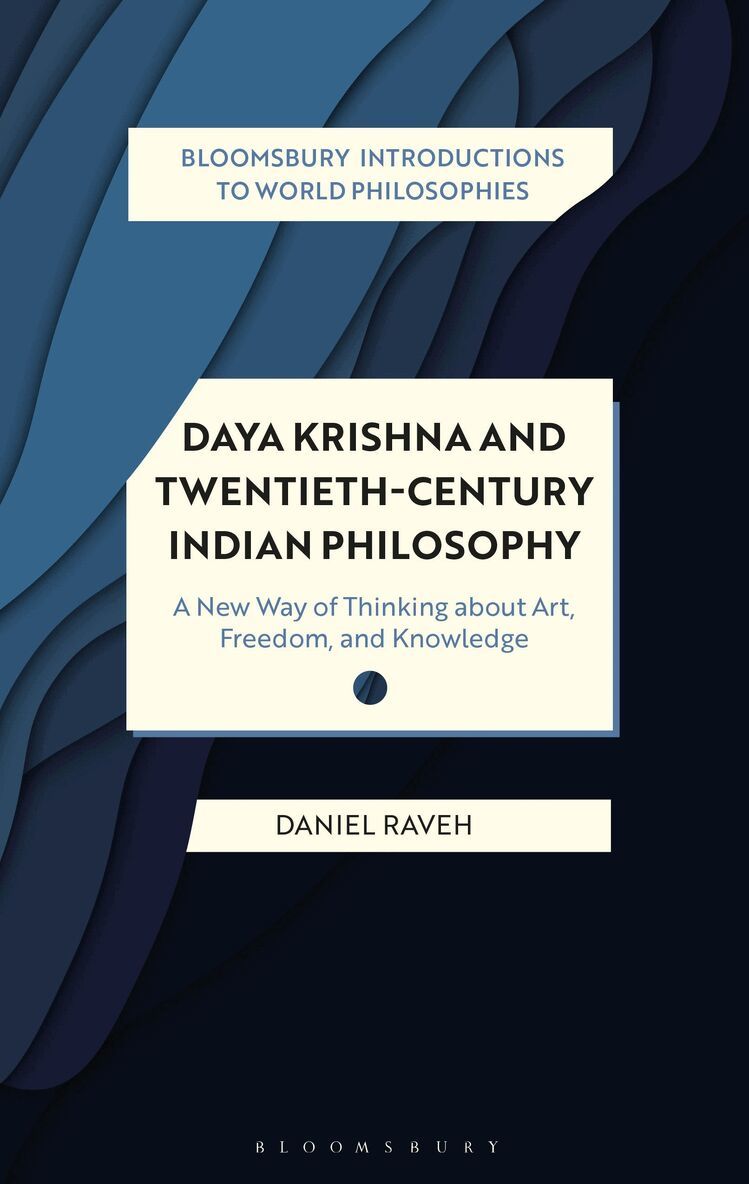
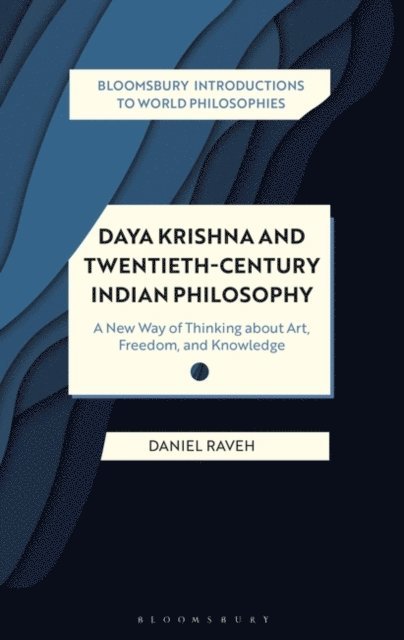
Daya Krishna and Twentieth-Century Indian Philosophy
A New Way of Thinking about Art, Freedom, and Knowledge
Av Daniel Raveh, Monika Kirloskar-Steinbach m. fl.
Häftad, 2020
303 kr
Lägg i varukorg
Daya Krishna and Twentieth-Century Indian Philosophy introduces contemporary Indian philosophy as a unique philosophical genre through the writings of one its most significant exponents, Daya Krishna (1924-2007). It surveys Daya Krishna’s main intellectual projects: rereading classical Indian …
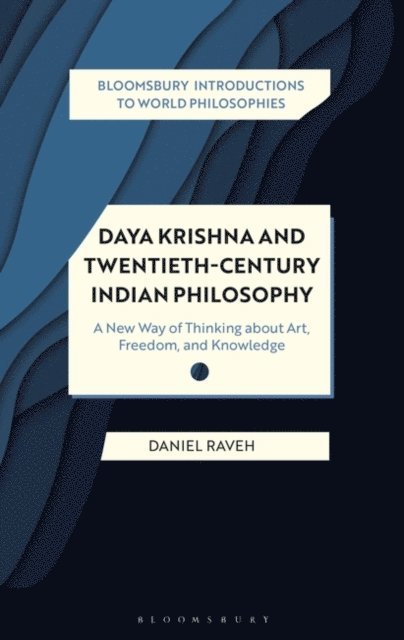
Daya Krishna and Twentieth-Century Indian Philosophy
A New Way of Thinking about Art, Freedom, and Knowledge
Av Daniel Raveh, Monika Kirloskar-Steinbach
Inbunden, 2020
993 kr
Lägg i varukorg
Daya Krishna and Twentieth-Century Indian Philosophy introduces contemporary Indian philosophy as a unique philosophical genre through the writings of one its most significant exponents, Daya Krishna (1924-2007). It surveys Daya Krishna’s main intellectual projects: rereading classical Indian …
Daya Krishna and Twentieth-Century Indian Philosophy
A New Way of Thinking About Art, Freedom, and Knowledge
Av Daniel Raveh
E-bok, 2020
328 kr
Lägg i varukorg
Daya Krishna and Twentieth-Century Indian Philosophy introduces contemporary Indian philosophy as a unique philosophical genre through the writings of one its most significant exponents, Daya Krishna (1924-2007). It surveys Daya Krishna''s main intellectual projects: rereading classical Indian …
Daya Krishna and Twentieth-Century Indian Philosophy
A New Way of Thinking About Art, Freedom, and Knowledge
Av Daniel Raveh
E-bok, 2020
317 kr
Lägg i varukorg
Daya Krishna and Twentieth-Century Indian Philosophy introduces contemporary Indian philosophy as a unique philosophical genre through the writings of one its most significant exponents, Daya Krishna (1924-2007). It surveys Daya Krishna''s main intellectual projects: rereading classical Indian …
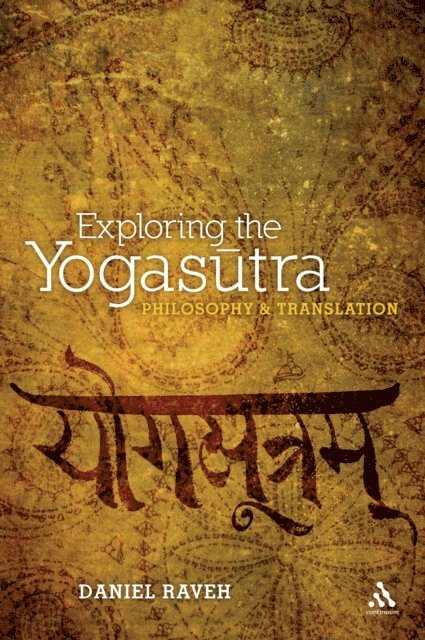
Exploring the Yogasutra
Philosophy and Translation
Av Daniel Raveh
E-bok, 2012
543 kr
Lägg i varukorg
Patañjali's Yogasutra is an ancient canonic Indian text composed in Sanskrit in the 3rd or 4th century. Belonging to a very different cultural milieu, this multi-layered text is philosophical, psychological and practical in nature. Offering a philosophical reading of Patañjali's Yogasutra, this …
Exploring the Yogasutra
Philosophy and Translation
Av Daniel Raveh
Häftad, 2012
514 kr
Lägg i varukorg
Patanjali's Yogasutra is an ancient canonic Indian text composed in Sanskrit in the 3rd or 4th century. Belonging to a very different cultural milieu, this multi-layered text is philosophical, psychological and practical in nature. Offering a philosophical reading of Patanjali's Yogasutra, this …
Exploring the Yogasutra
Philosophy and Translation
Av Daniel Raveh
Inbunden, 2012
2260 kr
Lägg i varukorg
Patajali's Yogasutra is an ancient canonic Indian text composed in Sanskrit in the 3rd or 4th century. Belonging to a very different cultural milieu, this multi-layered text is philosophical, psychological and practical in nature. Offering a philosophical reading of Pata jali's Yogasutra, this book …
Exploring the Yogasutra
Philosophy and Translation
Av Daniel Raveh
E-bok, 2012
561 kr
Lägg i varukorg
Patañjali''s Yogasutra is an ancient canonic Indian text composed in Sanskrit in the 3rd or 4th century. Belonging to a very different cultural milieu, this multi-layered text is philosophical, psychological and practical in nature. Offering a philosophical reading of Patañjali''s Yogasutra, this …