Nalini Bhushan – författare
Visar alla böcker från författaren Nalini Bhushan. Handla med fri frakt och snabb leverans.
13 produkter
13 produkter
Inbunden, Engelska, 2017
700 kr
Skickas inom 5-8 vardagar
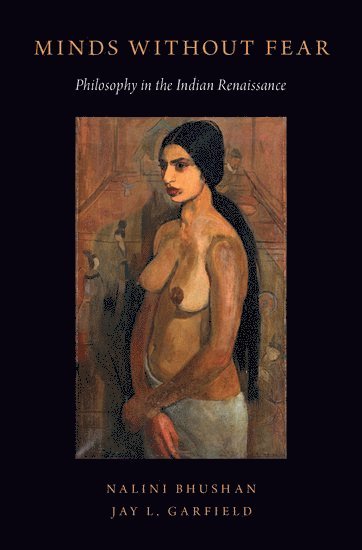
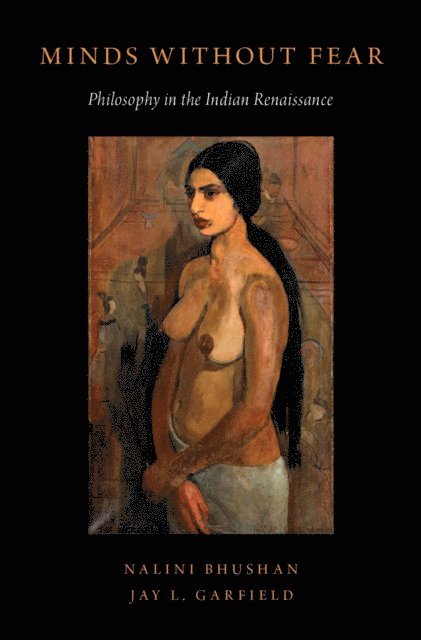
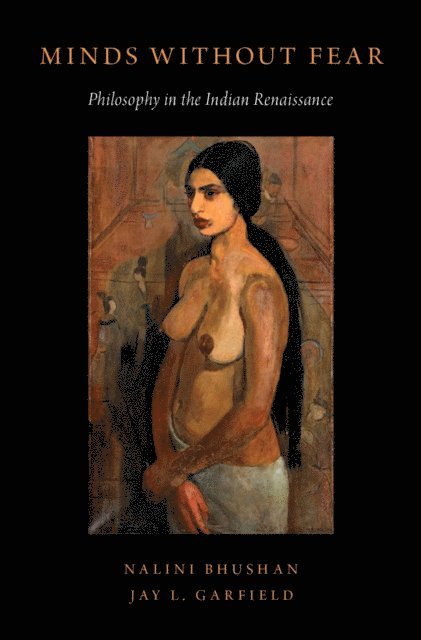
Minds Without Fear is an intellectual and cultural history of India during the period of British occupation. It demonstrates that this was a period of renaissance in India in which philosophy--both in the public sphere and in the Indian universities--played a central role in the emergence of a distinctively Indian modernity. This is also a history of Indian philosophy. It demonstrates how the development of a secular philosophical voice facilitated the construction of modern Indian society and the consolidation of the nationalist movement. Authors Nalini Bhushan and Jay Garfield explore the complex role of the English language in philosophical and nationalist discourse, demonstrating both the anxieties that surrounded English, and the processes that normalized it as an Indian vernacular and academic language.Garfield and Bhushan attend to both Hindu and Muslim philosophers, to public and academic intellectuals, to artists and art critics, and to national identity and nation-building. Also explored is the complex interactions between Indian and European thought during this period, including the role of missionary teachers and the influence of foreign universities in the evolution of Indian philosophy. This pattern of interaction, although often disparaged as "inauthentic" is continuous with the cosmopolitanism that has always characterized the intellectual life of India, and that the philosophy articulated during this period is a worthy continuation of the Indian philosophical tradition.
E-bok
PDF, Engelska, 2017694 kr
Läs direkt efter köp
Minds Without Fear is an intellectual and cultural history of India during the period of British occupation. It demonstrates that this was a period of renaissance in India in which philosophy--both in the public sphere and in the Indian universities--played a central role in the emergence of a distinctively Indian modernity. This is also a history of Indian philosophy. It demonstrates how the development of a secular philosophical voice facilitated the construction of modern Indian society and the consolidation of the nationalist movement. Authors Nalini Bhushan and Jay Garfield explore the complex role of the English language in philosophical and nationalist discourse, demonstrating both the anxieties that surrounded English, and the processes that normalized it as an Indian vernacular and academic language.Garfield and Bhushan attend to both Hindu and Muslim philosophers, to public and academic intellectuals, to artists and art critics, and to national identity and nation-building. Also explored is the complex interactions between Indian and European thought during this period, including the role of missionary teachers and the influence of foreign universities in the evolution of Indian philosophy. This pattern of interaction, although often disparaged as "inauthentic" is continuous with the cosmopolitanism that has always characterized the intellectual life of India, and that the philosophy articulated during this period is a worthy continuation of the Indian philosophical tradition.
E-bok
Engelska, 2017694 kr
Läs direkt efter köp
Minds Without Fear is an intellectual and cultural history of India during the period of British occupation. It demonstrates that this was a period of renaissance in India in which philosophy--both in the public sphere and in the Indian universities--played a central role in the emergence of a distinctively Indian modernity. This is also a history of Indian philosophy. It demonstrates how the development of a secular philosophical voice facilitated the construction of modern Indian society and the consolidation of the nationalist movement. Authors Nalini Bhushan and Jay Garfield explore the complex role of the English language in philosophical and nationalist discourse, demonstrating both the anxieties that surrounded English, and the processes that normalized it as an Indian vernacular and academic language.Garfield and Bhushan attend to both Hindu and Muslim philosophers, to public and academic intellectuals, to artists and art critics, and to national identity and nation-building. Also explored is the complex interactions between Indian and European thought during this period, including the role of missionary teachers and the influence of foreign universities in the evolution of Indian philosophy. This pattern of interaction, although often disparaged as "inauthentic" is continuous with the cosmopolitanism that has always characterized the intellectual life of India, and that the philosophy articulated during this period is a worthy continuation of the Indian philosophical tradition.
Inbunden, Engelska, 2000
1 296 kr
Skickas inom 5-8 vardagar
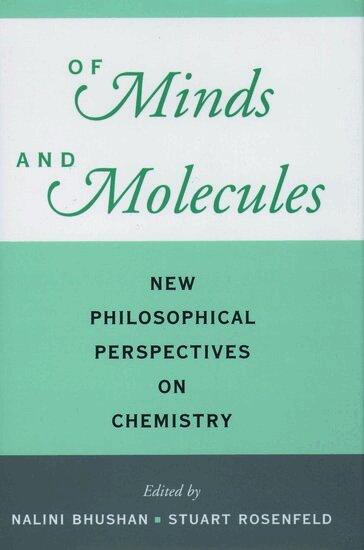
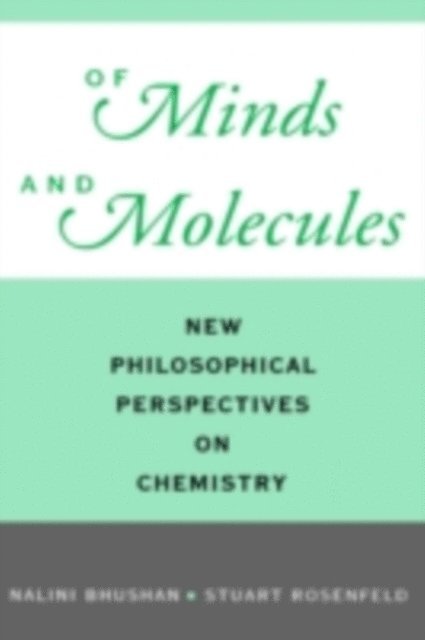
Of Minds and Molecules is the first anthology of its kind devoted exclusively to work in the philosophy of chemistry. The essays, written by both chemists and philosophers, adopt distinctive philosophical perspectives on chemistry and collectively offer both a conceptualization of and a justification for the emerging field of philosophy of chemistry.
E-bok
PDF, Engelska, 20001 122 kr
Läs direkt efter köp
Of Minds and Molecules is the first anthology devoted exclusively to work in the philosophy of chemistry. The essays, written by both chemists and philosophers, adopt distinctive philosophical perspectives on chemistry and collectively offer both a conceptualization of and a justification for this emerging field.
E-bok
Engelska, 2025342 kr
Läs direkt efter köp
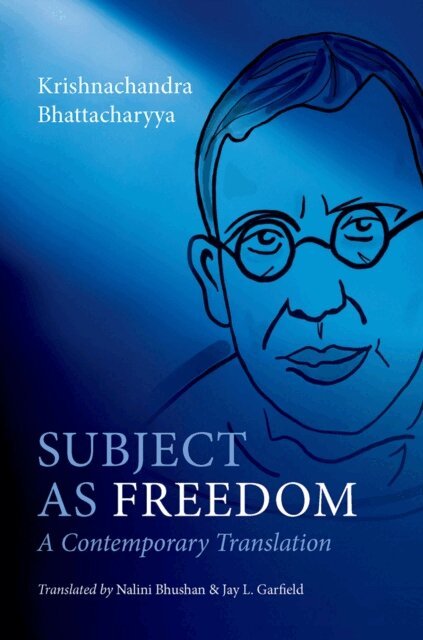
Krishnachandra Bhattacharyya (1875-1947) was one of the most prominent philosophers in India in the first half of the 20th century. He was King George Professor of Philosophy at Presidency College in Calcutta. KC Bhattacharyya was a noted Kant scholar, as well as an expert on classical Indian philosophy. His work is inflected by Advaita Vedanta, Nyaya, Samkhya, and Yoga philosophy, as well as by the thought of Kant and Husserl. But above all, it is highly original, responding to ideas raised in these traditions through a profound reflection on the nature of subjectivity. Subject as Freedom was published in 1930. It is almost universally regarded by those who study modern Indian philosophy as the most important philosophical treatise composed in India during the period of British occupation. It is a meticulous analysis of the structure of human subjectivity. KC Bhattacharyya achieves a remarkable synthesis of neo-Vedantin, Kantian, and Husserlian insights, exploring the role of embodiment, of language, and of introspective consciousness in the achievement of self-knowledge. KC Bhattacharyya argues that subjectivity itself comprises a hierarchy of grades or levels of self-consciousness, and that each of these constitutes a mode of freedom from objects of knowledge. His analysis anticipates many important ideas that emerged in Europe and the United States through the work of Merleau-Ponty, Wittgenstein, Sellars, and Davidson, and provides insight into the interconnection of these ideas and their role in our understanding of human consciousness. Despite its importance and reputation, however, this book has been little read and has been under-studied. This is because of KC Bhattacharyya's unusual prose style and vocabulary. The present edition includes both his original text and a translation of that text into more familiar contemporary philosophical English with some explanatory notes and a new introduction. This translation both makes the contents of the text more accessible and provides a guide to reading the original text.
E-bok
PDF, Engelska, 2025342 kr
Läs direkt efter köp
Krishnachandra Bhattacharyya (1875-1947) was one of the most prominent philosophers in India in the first half of the 20th century. He was King George Professor of Philosophy at Presidency College in Calcutta. KC Bhattacharyya was a noted Kant scholar, as well as an expert on classical Indian philosophy. His work is inflected by Advaita Vedanta, Nyaya, Samkhya, and Yoga philosophy, as well as by the thought of Kant and Husserl. But above all, it is highly original, responding to ideas raised in these traditions through a profound reflection on the nature of subjectivity. Subject as Freedom was published in 1930. It is almost universally regarded by those who study modern Indian philosophy as the most important philosophical treatise composed in India during the period of British occupation. It is a meticulous analysis of the structure of human subjectivity. KC Bhattacharyya achieves a remarkable synthesis of neo-Vedantin, Kantian, and Husserlian insights, exploring the role of embodiment, of language, and of introspective consciousness in the achievement of self-knowledge. KC Bhattacharyya argues that subjectivity itself comprises a hierarchy of grades or levels of self-consciousness, and that each of these constitutes a mode of freedom from objects of knowledge. His analysis anticipates many important ideas that emerged in Europe and the United States through the work of Merleau-Ponty, Wittgenstein, Sellars, and Davidson, and provides insight into the interconnection of these ideas and their role in our understanding of human consciousness. Despite its importance and reputation, however, this book has been little read and has been under-studied. This is because of KC Bhattacharyya's unusual prose style and vocabulary. The present edition includes both his original text and a translation of that text into more familiar contemporary philosophical English with some explanatory notes and a new introduction. This translation both makes the contents of the text more accessible and provides a guide to reading the original text.
Häftad, Engelska, 2011
513 kr
Skickas inom 5-8 vardagar
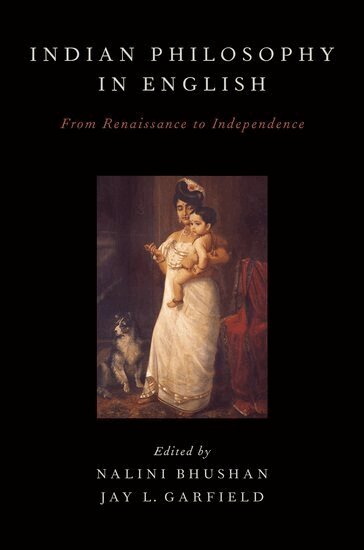
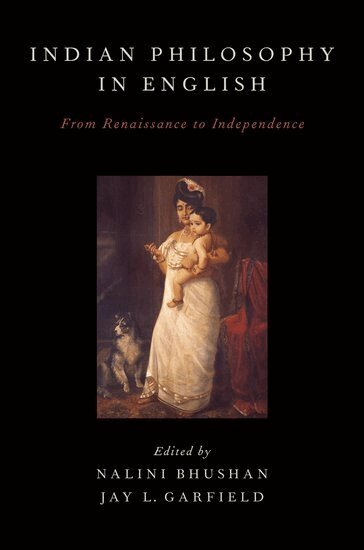
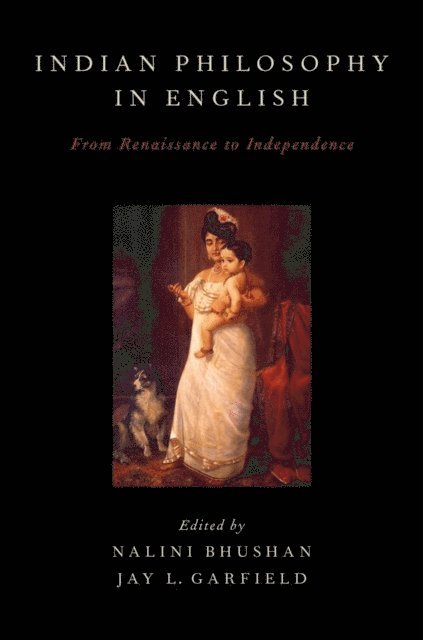
This book publishes, for the first time in decades, and in many cases, for the first time in a readily accessible edition, English language philosophical literature written in India during the period of British rule. Bhushan's and Garfield's own essays on the work of this period contextualize the philosophical essays collected and connect them to broader intellectual, artistic and political movements in India. This volume yields a new understanding of cosmopolitan consciousness in a colonial context, of the intellectual agency of colonial academic communities, and of the roots of cross-cultural philosophy as it is practiced today. It transforms the canon of global philosophy, presenting for the first time a usable collection and a systematic study of Anglophone Indian philosophy.Many historians of Indian philosophy see a radical disjuncture between traditional Indian philosophy and contemporary Indian academic philosophy that has abandoned its roots amid globalization. This volume provides a corrective to this common view. The literature collected and studied in this volume is at the same time Indian and global, demonstrating that the colonial Indian philosophical communities were important participants in global dialogues, and revealing the roots of contemporary Indian philosophical thought.The scholars whose work is published here will be unfamiliar to many contemporary philosophers. But the reader will discover that their work is creative, exciting, and original, and introduces distinctive voices into global conversations. These were the teachers who trained the best Indian scholars of the post-Independence period. They engaged creatively both with the classical Indian tradition and with the philosophy of the West, forging a new Indian philosophical idiom to which contemporary Indian and global philosophy are indebted.
Inbunden, Engelska, 2011
896 kr
Skickas inom 5-8 vardagar
This book publishes, for the first time in decades, and in many cases, for the first time in a readily accessible edition, English language philosophical literature written in India during the period of British rule. Bhushan's and Garfield's own essays on the work of this period contextualize the philosophical essays collected and connect them to broader intellectual, artistic and political movements in India. This volume yields a new understanding of cosmopolitan consciousness in a colonial context, of the intellectual agency of colonial academic communities, and of the roots of cross-cultural philosophy as it is practiced today. It transforms the canon of global philosophy, presenting for the first time a usable collection and a systematic study of Anglophone Indian philosophy.Many historians of Indian philosophy see a radical disjuncture between traditional Indian philosophy and contemporary Indian academic philosophy that has abandoned its roots amid globalization. This volume provides a corrective to this common view. The literature collected and studied in this volume is at the same time Indian and global, demonstrating that the colonial Indian philosophical communities were important participants in global dialogues, and revealing the roots of contemporary Indian philosophical thought.The scholars whose work is published here will be unfamiliar to many contemporary philosophers. But the reader will discover that their work is creative, exciting, and original, and introduces distinctive voices into global conversations. These were the teachers who trained the best Indian scholars of the post-Independence period. They engaged creatively both with the classical Indian tradition and with the philosophy of the West, forging a new Indian philosophical idiom to which contemporary Indian and global philosophy are indebted.
E-bok
PDF, Engelska, 2011459 kr
Läs direkt efter köp
This book publishes, for the first time in decades, and in many cases, for the first time in a readily accessible edition, English language philosophical literature written in India during the period of British rule. Bhushan''s and Garfield''s own essays on the work of this period contextualize the philosophical essays collected and connect them to broader intellectual, artistic and political movements in India. This volume yields a new understanding of cosmopolitan consciousness in a colonial context, of the intellectual agency of colonial academic communities, and of the roots of cross-cultural philosophy as it is practiced today. It transforms the canon of global philosophy, presenting for the first time a usable collection and a systematic study of Anglophone Indian philosophy.Many historians of Indian philosophy see a radical disjuncture between traditional Indian philosophy and contemporary Indian academic philosophy that has abandoned its roots amid globalization. This volume provides a corrective to this common view. The literature collected and studied in this volume is at the same time Indian and global, demonstrating that the colonial Indian philosophical communities were important participants in global dialogues, and revealing the roots of contemporary Indian philosophical thought.The scholars whose work is published here will be unfamiliar to many contemporary philosophers. But the reader will discover that their work is creative, exciting, and original, and introduces distinctive voices into global conversations. These were the teachers who trained the best Indian scholars of the post-Independence period. They engaged creatively both with the classical Indian tradition and with the philosophy of the West, forging a new Indian philosophical idiom to which contemporary Indian and global philosophy are indebted.
Inbunden, Engelska, 2011
1 332 kr
Skickas inom 5-8 vardagar
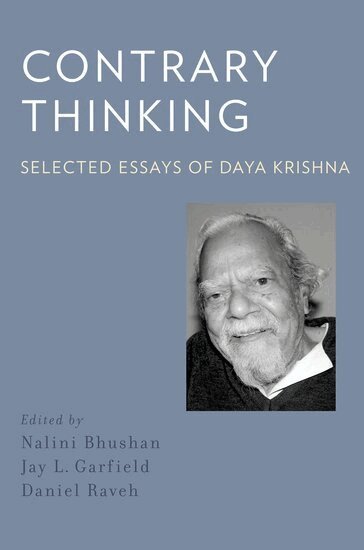
Daya Krishna (1924-2007) was easily the most creative and original Indian philosopher of the second half of the 20th century. His thought and philosophical energy dominated academic Indian philosophy and determined the nature of the engagement of Indian philosophy with Western philosophy during that period. He passed away recently, leaving behind an enormous corpus of published work on a wide range of philosophical topics, as well as a great deal of incomplete, nearly-complete and complete-but-as-yet-unpublished work. Daya Krishna's thought and publications address a broad range of philosophical issues, including issues of global philosophical importance that transcend considerations of particular traditions; issues particular to Indian philosophy; and issues at the intersection of Indian and Western philosophy, especially questions about the philosophy of language and ontology that emerge in the context of his Samvada project that brought together Western philosophers and Nyaya pandits to discuss questions in the philosophy of language and metaphysics. The volume editors have organized the volume as a set of ten couplets and triplets. Each draws together papers from different periods in Daya Krishna's life: some take different approaches to the same problem or text; in some cases, the second paper references and takes issue with arguments developed in the first; in still others, Daya Krishna addresses very different topics, but using the same distinctive philosophical methodology. Each set is introduced by one of the editors. These couplets are framed by two of Daya Krishna's finest metaphilosophical essays, one that introduces his approach, and one that draws some of his grand morals about the discipline. Daya Krishna's daughter, Professor Shail Mayaram of the Center for the Study of Developing Societies contributes a preface, and Professor Arindam Chakrabarti, a longtime colleague of Daya Krisha and a collaborator on some of his most important philosophical ventures has written the introduction.
E-bok
PDF, Engelska, 20111 211 kr
Läs direkt efter köp
Daya Krishna (1924-2007) was easily the most creative and original Indian philosopher of the second half of the 20th century. His thought and philosophical energy dominated academic Indian philosophy and determined the nature of the engagement of Indian philosophy with Western philosophy during that period. He passed away recently, leaving behind an enormous corpus of published work on a wide range of philosophical topics, as well as a great deal of incomplete, nearly-complete and complete-but-as-yet-unpublished work. Daya Krishna''s thought and publications address a broad range of philosophical issues, including issues of global philosophical importance that transcend considerations of particular traditions; issues particular to Indian philosophy; and issues at the intersection of Indian and Western philosophy, especially questions about the philosophy of language and ontology that emerge in the context of his Samvada project that brought together Western philosophers and Nyaya pandits to discuss questions in the philosophy of language and metaphysics. The volume editors have organized the volume as a set of ten couplets and triplets. Each draws together papers from different periods in Daya Krishna''s life: some take different approaches to the same problem or text; in some cases, the second paper references and takes issue with arguments developed in the first; in still others, Daya Krishna addresses very different topics, but using the same distinctive philosophical methodology. Each set is introduced by one of the editors. These couplets are framed by two of Daya Krishna''s finest metaphilosophical essays, one that introduces his approach, and one that draws some of his grand morals about the discipline. Daya Krishna''s daughter, Professor Shail Mayaram of the Center for the Study of Developing Societies contributes a preface, and Professor Arindam Chakrabarti, a longtime colleague of Daya Krisha and a collaborator on some of his most important philosophical ventures has written the introduction.
E-bok
Engelska, 2011459 kr
Läs direkt efter köp
This book publishes, for the first time in decades, and in many cases, for the first time in a readily accessible edition, English language philosophical literature written in India during the period of British rule. Bhushan''s and Garfield''s own essays on the work of this period contextualize the philosophical essays collected and connect them to broader intellectual, artistic and political movements in India. This volume yields a new understanding of cosmopolitan consciousness in a colonial context, of the intellectual agency of colonial academic communities, and of the roots of cross-cultural philosophy as it is practiced today. It transforms the canon of global philosophy, presenting for the first time a usable collection and a systematic study of Anglophone Indian philosophy.Many historians of Indian philosophy see a radical disjuncture between traditional Indian philosophy and contemporary Indian academic philosophy that has abandoned its roots amid globalization. This volume provides a corrective to this common view. The literature collected and studied in this volume is at the same time Indian and global, demonstrating that the colonial Indian philosophical communities were important participants in global dialogues, and revealing the roots of contemporary Indian philosophical thought.The scholars whose work is published here will be unfamiliar to many contemporary philosophers. But the reader will discover that their work is creative, exciting, and original, and introduces distinctive voices into global conversations. These were the teachers who trained the best Indian scholars of the post-Independence period. They engaged creatively both with the classical Indian tradition and with the philosophy of the West, forging a new Indian philosophical idiom to which contemporary Indian and global philosophy are indebted.