Daniel Schönpflug - Böcker
Visar alla böcker från författaren Daniel Schönpflug. Handla med fri frakt och snabb leverans.
9 produkter
9 produkter
249 kr
Skickas
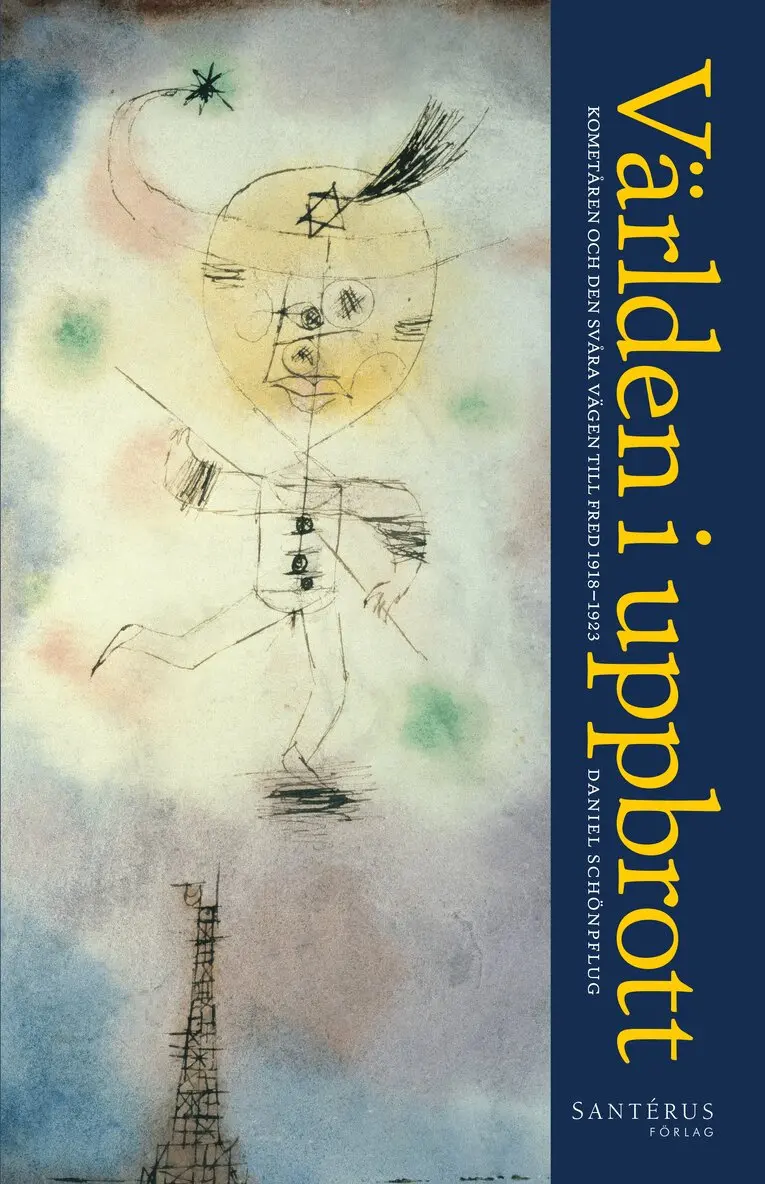
Den 11 november 1918 klockan ingicks förhandlingar om vapenstillestånd mellan Frankrike och Tyskland på västfronten. Första världskriget var därmed i praktiken över för alla inblandade. Men allt dödligt våld och alla krigsoperationer upphörde inte för den skull. Revolutioner, kupper, inbördeskrig, självständighetskamper avlöste den reguljära militära krigföringen runt om i världen. 16 miljoner hade dött under mer än fyra års strider i Europa. Med freden kom också spanska sjukan, som skördade fler offer än så. När striderna upphört, infann sig hos många människor en uppbrottsstämning. Gamla misstag fick inte göras om, en ny och bättre värld var möjlig. Men övergången till fred blev svårare än väntat. Det fanns en otålighet i luften ungefär som kometernas svepande färd över himlavalvet men också revanschlystnad. Nya oförrätter följde på gamla. Under åren 1917, ryska revolutionens år, och 1923, då Adolf Hitler genomförde sin misslyckade ölkällarkupp i Munchen, stod mycket och vägde. Dessa årtal utgör, enligt vissa forskare, en avgränsad historisk epok. Därefter inleds förberedelserna för ett nytt storkrig. Den tyske historikern Daniel Schönpflug har granskat händelserna under denna korta epok av förväntningar och besvikelser, drömmar och bitter verklighet utifrån ett antal aktörers perspektiv. Brev, memoarer, tidningsreportage, rättegångsprotokoll ger läsaren inblickar i hur den tidens människor tänkte och tolkade sin tillvaro och sin egen roll i den. Det är ett uttalat subjektivt sätt att närma sig historien, också ett filmiskt, där scener ur ett antal människors liv under och efter stort krig har mixats med varandra. Här möter vi den amerikanske artilleriofficeren Harry S. Truman, den blivande Auschwitz-kommendanten Rudolf Höß, den vietnamesiske frihetskämpen i parisisk exil Ho Chi Minh, den österrikiske tonsättaren Arnold Schönberg, den tidigare tyske kronprinsen Vilhelm, en armenisk attentatsman i Berlin, den irländske självständighetspolitiken Terence MacSwiney som hungerstrejkar sig till döds, T. E. Lawrence som verkar förgäves för arabernas sak, Mahatma Gandhi som drar igång sina icke-våldskampanjer, Virginia Woolf som får sitt genombrott som romanförfattare och registrerar sin samtids scenväxlingar, konstnärinnan Käthe Kollwitz som förlorar en son i kriget och blir pacifist, Moina Michael som skapar vallmoblomman av tyg på rockuppslagen, den internationella symbolen över dem som har kämpat, stupat och överlevt i skyttegravarna på västmaktssidan plus ett stort antal andra gestalter Ett rikt collage av ansikten och röster.
266 kr
Skickas inom 11-20 vardagar
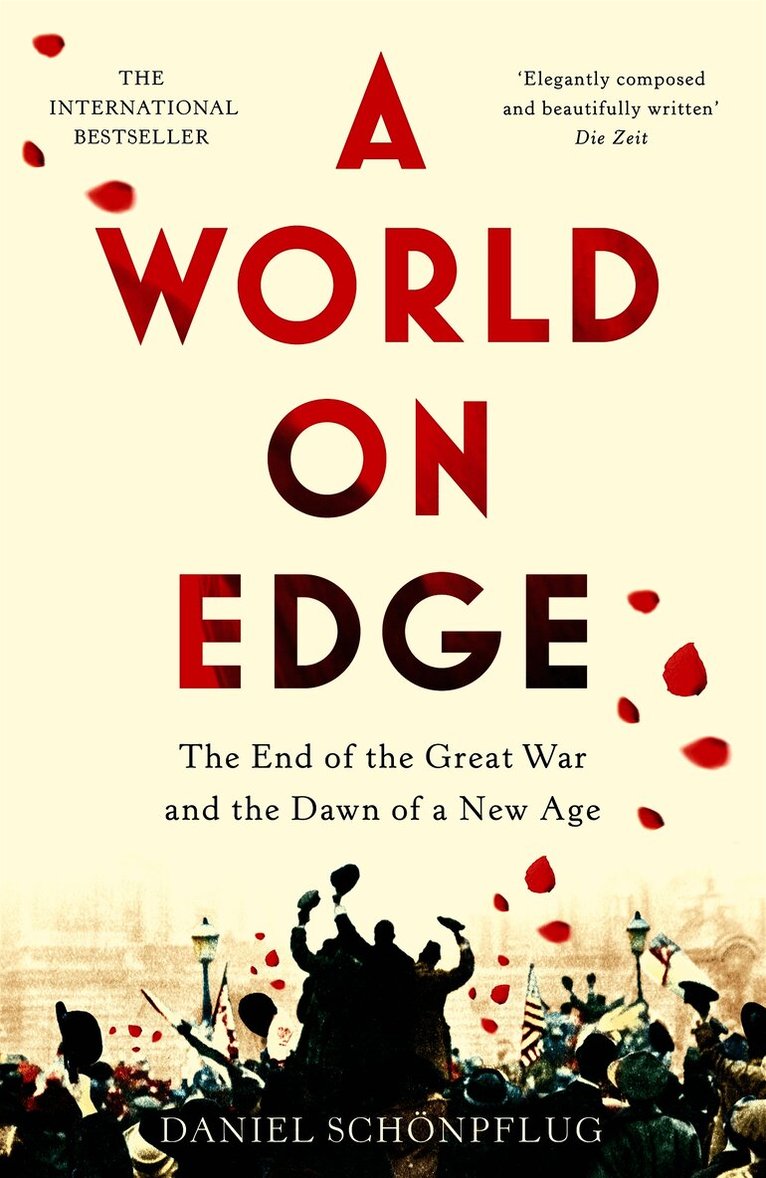
Journey into the heart of Europe, 1918 – a world left ravaged by World War 1, and on the cusp of radical change. Daniel Schönpflug's A World on Edge paints a vivid picture of a time when unorthodox ideas ignited the collective imagination – new politics, new societies, new art and culture, new thinking – hinting at new paths to tread.Schönpflug tracks the lives of diverse personalities, encapsulating the struggle for the future, the clash of the old and the new, and the intimate human stories within these greater narratives. For rulers and revolutionaries, a world of power and privilege was dying – while for others, a dream of overthrowing democracy was being born.The sculptor Käthe Kollwitz, translating sorrow and loss into art. Ho Chi Minh, working as a dishwasher in Paris and dreaming of liberating Vietnam. Captain Harry S. Truman, running a men’s haberdashery in Kansas City, hardly expecting that he was about to go bankrupt – and later become president of the United States. Virginia Woolf had just published her first book, while the artist George Grosz was so revolted by the violence on the streets of Berlin that he decides everything is meaningless.Historian Daniel Schönpflug describes this watershed year as it was experienced on the ground – open ended, unfathomable, its outcome unclear. A World on Edge is the story of a decisive year – one that continues to echo in our times.
117 kr
Skickas inom 7-10 vardagar
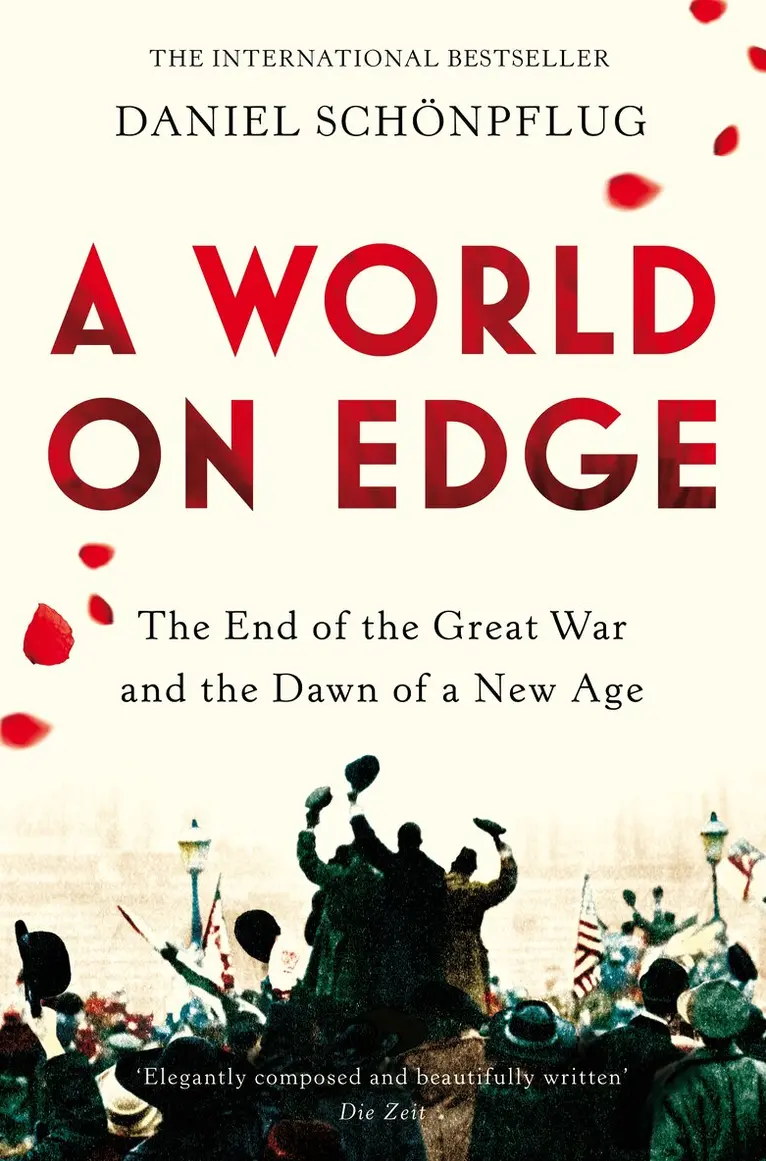
Moving and inspired book ... An evocative and deeply affecting requiem for what might have been.' - Douglas Smith, author of Rasputin and Former PeopleA World on Edge reveals Europe in 1918, left in ruins by World War I. But with the end of hostilities, a radical new start seems not only possible, but essential, even unavoidable. Unorthodox ideas light up the age like the comets that have recently passed overhead: new politics, new societies, new art and culture, new thinking. The struggle to determine the future has begun.The sculptor Käthe Kollwitz, whose son died in the war, was translating sorrow and loss into art. Ho Chi Minh was working as a dishwasher in Paris and dreaming of liberating Vietnam, his homeland. Captain Harry S. Truman was running a men’s haberdashery in Kansas City, hardly expecting that he was about to go bankrupt – and later become president of the United States. Professor Moina Michael was about to invent the 'remembrance poppy', a symbol of sacrifice that will stand for generations to come. Meanwhile Virginia Woolf had just published her first book and was questioning whether that sacrifice was worth it, while the artist George Grosz was so revolted by the violence on the streets of Berlin that he decides everything is meaningless. For rulers and revolutionaries, a world of power and privilege was dying – while for others, a dream of overthrowing democracy was being born.With novelistic virtuosity, historian Daniel Schönpflug describes this watershed year as it was experienced on the ground – open ended, unfathomable, its outcome unclear. Told from the vantage points of people, famous and ordinary, good and evil, who lived through the turmoil and combining a multitude of acutely observed details, Schönpflug composes a brilliantly conceived panorama of a world suspended between enthusiasm and disappointment, and of a moment in which the window of opportunity was suddenly open, only to quickly close shut once again.
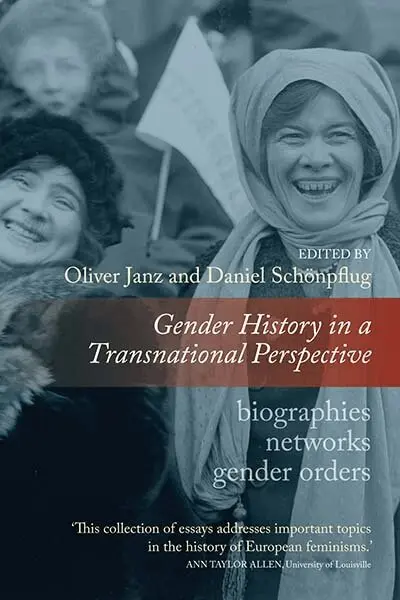
Gender History in a Transnational Perspective
Networks, Biographies, Gender Orders
Inbunden, Engelska, 2014
2 014 kr
Skickas inom 3-6 vardagar
Recent debates have used the concept of “transnational history” to broaden research on historical subjects that transcend national boundaries and encourage a shift away from official inter-state interactions to institutions, groups, and actors that have been obscured. This approach proves particularly fruitful for the dynamic field of global gender and women’s history. By looking at the restless lives and work of women’s activists in informal border-crossings, ephemeral NGOs, the lower management of established international organizations, and other global networks, this volume reflects the potential of a new perspective that allows for a more adequate analysis of transnational activities. By pointing out cultural hierarchies, the vicissitudes of translation and re-interpretation, and the ambiguity of intercultural exchange, this volume demonstrates the critical potential of transnational history. It allows us to see the limits of universalist and cosmopolitan claims so dear to many historical actors and historians.
1 578 kr
Skickas inom 5-8 vardagar
248 kr
Skickas inom 3-6 vardagar
263 kr
Skickas inom 3-6 vardagar
Del 58 - Pariser Historische Studien
Der Weg in Die Terreur
Radikalisierung Und Konflikte Im Straßburger Jakobinerclub (1790-1795)
Inbunden, Tyska, 2002
885 kr
Skickas inom 5-8 vardagar
483 kr
Skickas inom 5-8 vardagar
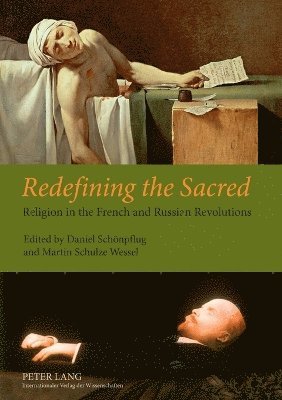
The revolutions of 1789 and 1917 were defining moments for religious history in France, Russia, and even in Europe as a whole. Drawing on the self-portrayals of some of the most radical actors, historians have presented revolutionaries as enemies of the church, and men of the church either as counter-revolutionaries or as victims of revolution. Revolution and religion have appeared as antagonistic forces, representing the struggle of modernity against tradition. Only recently have these conventional patterns of interpretation been questioned. Historians explore the religious origins of revolutions, look at clergymen and churches as revolutionary actors and analyze how revolutionary movements appropriate religious patterns of thought and behavior. In the French and in the Russian context, revolutions are seen as moments in which the sacred was redefined.