Martin Schulze Wessel – författare
Visar alla böcker från författaren Martin Schulze Wessel. Handla med fri frakt och snabb leverans.
16 produkter
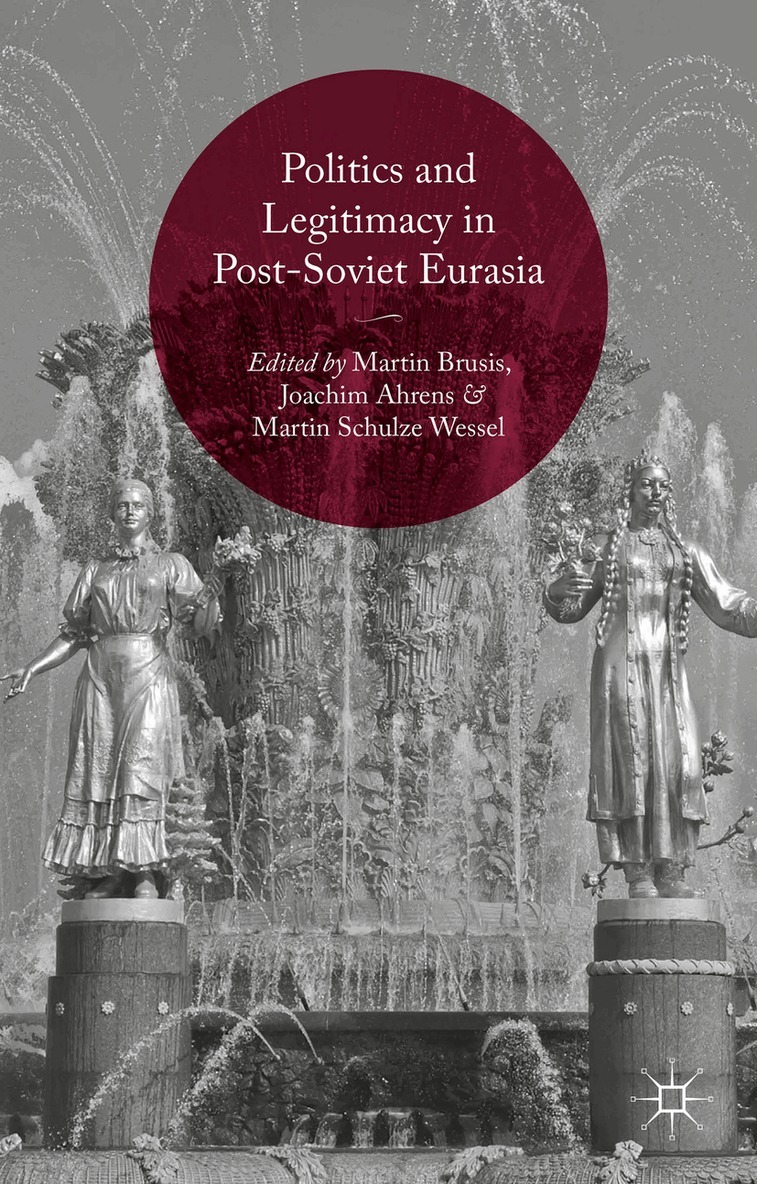
Politics and Legitimacy in Post-Soviet Eurasia
Av Martin Brusis, Joachim Ahrens m. fl.
Inbunden, 2015
552 kr
Lägg i varukorg
Political legitimacy has become a scarce resource in Russia and other post-Soviet states. Their capacity to deliver prosperity has suffered from economic crisis, war in Ukraine and confrontation with the West. Will nationalism and repression enable political regimes to survive? This book studies …
Politics and Legitimacy in Post-Soviet Eurasia
Av Martin Schulze Wessel, Joachim Ahrens m. fl.
E-bok, 2016
779 kr
Lägg i varukorg
Political legitimacy has become a scarce resource in Russia and other post-Soviet states. Their capacity to deliver prosperity has suffered from economic crisis, war in Ukraine and confrontation with the West. Will nationalism and repression enable political regimes to survive? This book studies …
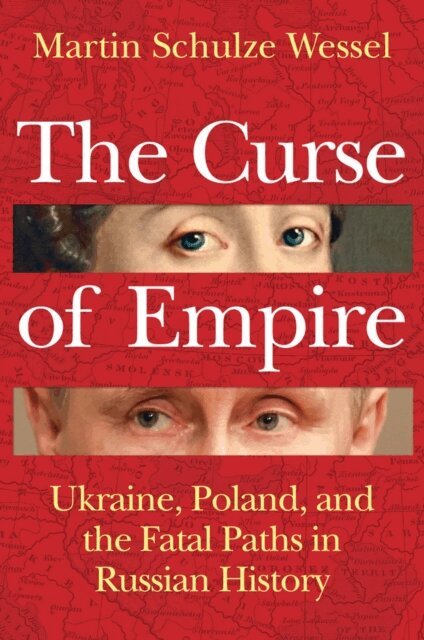
Curse of Empire
Ukraine, Poland, and the Fatal Paths in Russian History
Inbunden, 2025
366 kr
Lägg i varukorg
Russia's attack on Ukraine marks an epochal break in European and global history. Undoubtedly, the decision to go to war is closely linked to one person, Vladimir Putin, but Russia's war is not driven solely by one man's power calculations. We can only make sense of Russia's actions in Ukraine, …
Curse of Empire
Ukraine, Poland, and the Fatal Paths in Russian History
E-bok, 2025
411 kr
Lägg i varukorg
Russia's attack on Ukraine marks an epochal break in European and global history. Undoubtedly, the decision to go to war is closely linked to one person, Vladimir Putin, but Russia's war is not driven solely by one man's power calculations. We can only make sense of Russia's actions in Ukraine, …
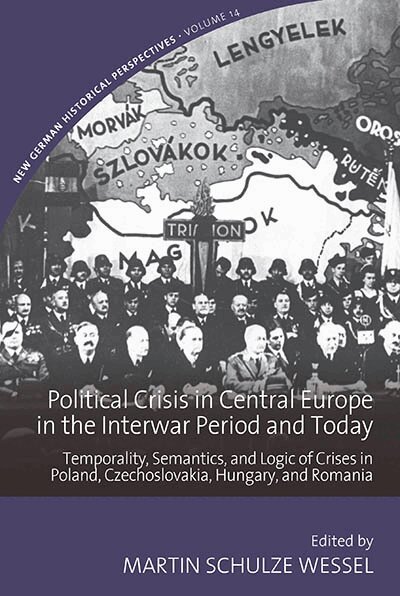
Political Crisis in Central Europe in the Interwar Period and Today
Temporality, Semantics, and Logic of Crises in Poland, Czechoslovakia, Hungary, and Romania
Inbunden, 2026
1979 kr
Lägg i varukorg
Linking contemporary concerns about democratic fragility with historical analysis, this volume examines the crisis and failure of democracy in Central and Eastern Europe during the interwar period from a comparative and interdisciplinary perspective. The contributions explore political culture, …
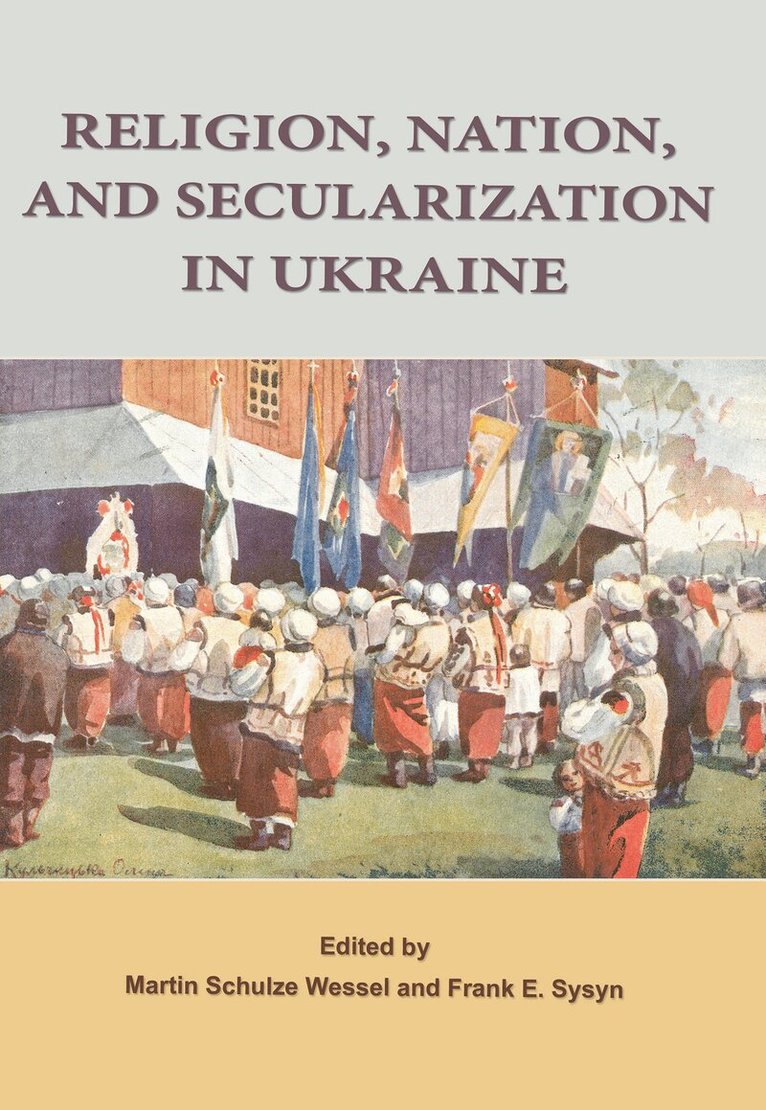
Religion, Nation, and Secularization in Ukraine
Av Martin Schulze Wessel, Frank E. Sysyn
Häftad, 2015
271 kr
Lägg i varukorg
The book is a collection of scholarly essays about the interrelationships between religion and religious institutions, nations and nation building, and secularization. The book presents nine papers by eminent scholars from Ukraine, Austria, Canada, and the United States that examine a wide range of …
Nationalisierung Der Religion Und Sakralisierung Der Nation Im Ostlichen Europa
Inbunden
1092 kr
Lägg i varukorg
Changing Times, Persisting Legacies
The Uneven Development of East-Central Europe since 1989
Av Martin Schulze Wessel, Darina Volf
Inbunden, 2024
762 kr
Lägg i varukorg
This volume aims to contribute to the historicization of the post-1989 transformation period in East-Central Europe by addressing the temporality of transformation from a predominantly historical perspective, but also in dialogue with the social sciences. It focuses on the four countries that form …
Erinnerung Zwischen Triumph Und Trauma: Belarus Und Der Zweite Weltkrieg, 1942-2019
Av Ekaterina Keding, Martin Schulze Wessel
Inbunden, 2026
1020 kr
Lägg i varukorg
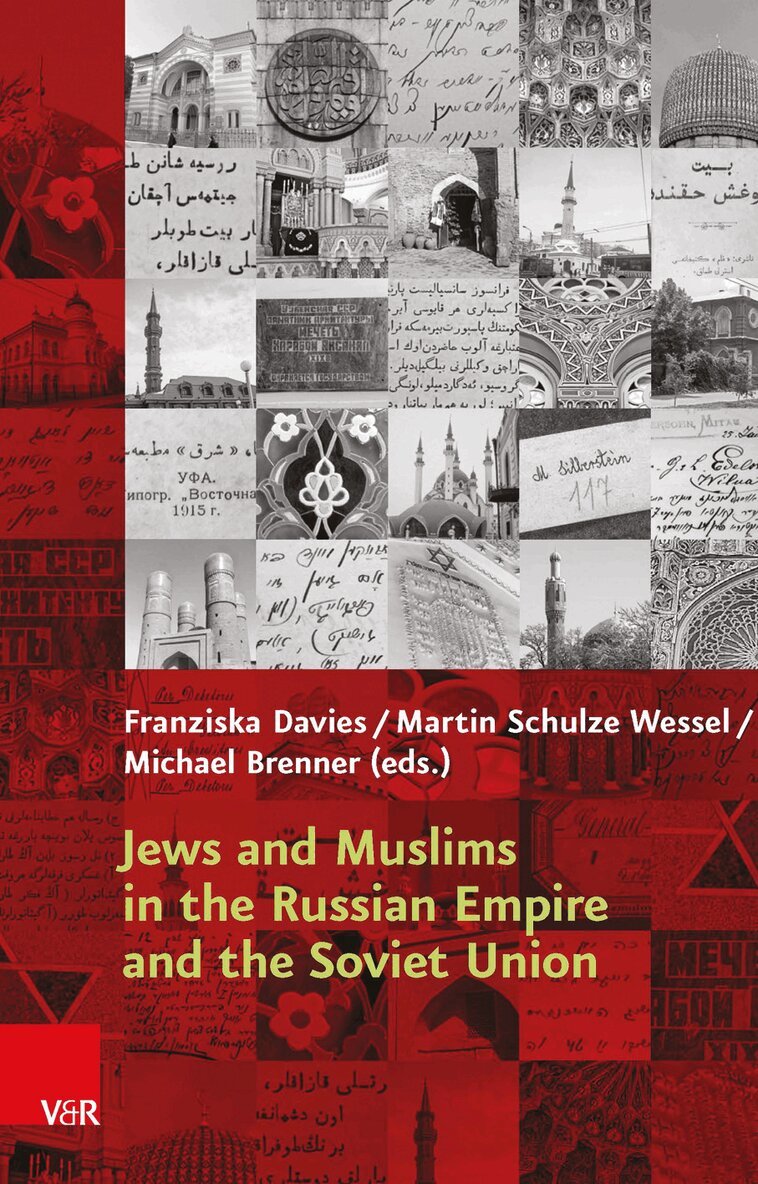
Jews and Muslims in the Russian Empire and the Soviet Union
Av Franziska Davies, Martin Schulze Wessel m. fl.
Inbunden, 2015
1046 kr
Lägg i varukorg
The Russian Empire and the Soviet Union were multiethnic and multireligious empires, which ruled over a large number of Jews and Muslims. In many ways these two non-Christian minorities presented similar challenges to the imperial order. Which policies did the state pursue toward Jews and Muslims? …
Prague Spring as a Laboratory
Inbunden, 2019
762 kr
Lägg i varukorg
Retrospectively, the Prague Spring appears to have been a coherent but unsuccessful experiment in finding a synthesis of Western democracy and socialism. However, this perspective ignores that different groups and individuals participated in these developments and shaped the Prague Spring in …
Watchful Society
Gender, Sexuality, and the Body in Eastern European Socialism
Av Christiane Brenner, Martin Schulze Wessel
Inbunden, 2025
756 kr
Lägg i varukorg
This volume aims to depict the regimes of vigilance about love, sex, and the body in Eastern European socialist states. Case studies from Czechoslovakia, Poland, East Germany, Hungary, Yugoslavia, and Albania analyze the enforcement of new gender orders and the so-called socialist morality after …
Redefining the Sacred
Religion in the French and Russian Revolutions
Av Daniel Schönpflug, Martin Schulze Wessel
Häftad, 2012
497 kr
Lägg i varukorg
The revolutions of 1789 and 1917 were defining moments for religious history in France, Russia, and even in Europe as a whole. Drawing on the self-portrayals of some of the most radical actors, historians have presented revolutionaries as enemies of the church, and men of the church either as …
Jews and Muslims in the Russian Empire and the Soviet Union
Av Michael Brenner, Martin Schulze Wessel m. fl.
E-bok, 2015
770 kr
Lägg i varukorg
The Russian Empire and the Soviet Union were multiethnic and multireligious empires, which ruled over a large number of Jews and Muslims. In many ways these two non-Christian minorities presented similar challenges to the imperial order. Which policies did the state pursue toward Jews and Muslims? …