Frank E. Sysyn – författare
Visar alla böcker från författaren Frank E. Sysyn. Handla med fri frakt och snabb leverans.
19 produkter
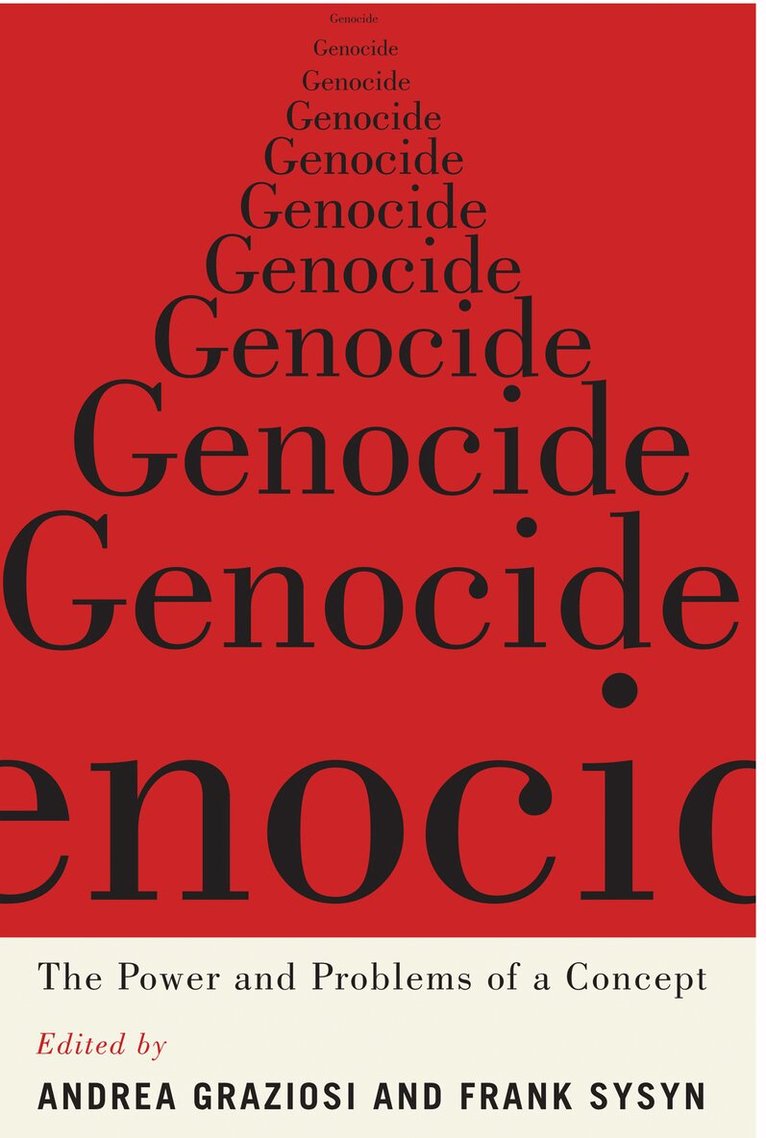
Genocide
The Power and Problems of a Concept
Av Andrea Graziosi, Frank E. Sysyn
Inbunden, 2022
1103 kr
Lägg i varukorg
Since the 1980s the study of genocide has exploded, both historically and geographically, to encompass earlier epochs, other continents, and new cases. The concept of genocide has proved its worth, but that expansion has also compounded the tensions between a rigid legal concept and the manifold …
Genocide
The Power and Problems of a Concept
Av Frank E. Sysyn, Andrea Graziosi
E-bok, 2022
808 kr
Lägg i varukorg
Since the 1980s the study of genocide has exploded, both historically and geographically, to encompass earlier epochs, other continents, and new cases. The concept of genocide has proved its worth, but that expansion has also compounded the tensions between a rigid legal concept and the manifold …
Genocide
The Power and Problems of a Concept
Av Frank E. Sysyn, Andrea Graziosi
E-bok, 2022
808 kr
Lägg i varukorg
Since the 1980s the study of genocide has exploded, both historically and geographically, to encompass earlier epochs, other continents, and new cases. The concept of genocide has proved its worth, but that expansion has also compounded the tensions between a rigid legal concept and the manifold …
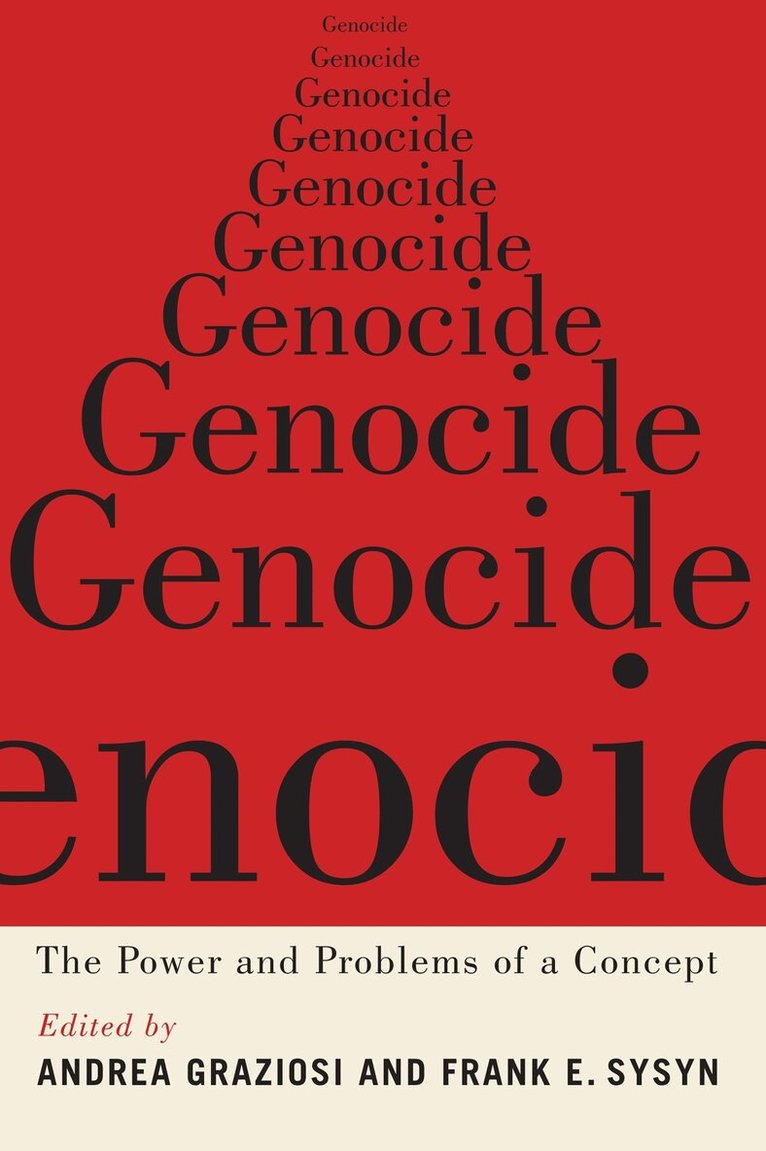
Genocide
The Power and Problems of a Concept
Av Andrea Graziosi, Frank E. Sysyn
Häftad, 2023
454 kr
Lägg i varukorg
Since the 1980s the study of genocide has exploded, both historically and geographically, to encompass earlier epochs, other continents, and new cases. The concept of genocide has proved its worth, but that expansion has also compounded the tensions between a rigid legal concept and the manifold …
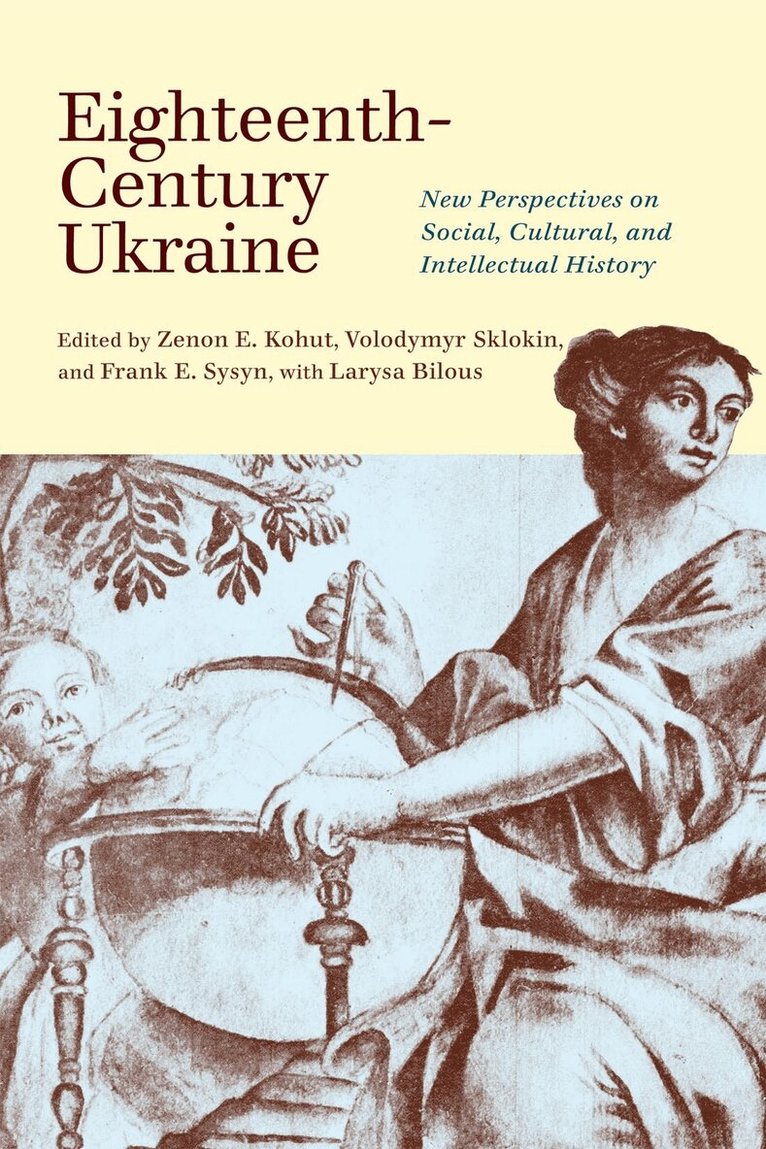
Eighteenth-Century Ukraine
New Perspectives on Social, Cultural, and Intellectual History
Av Zenon E. Kohut, Volodymyr Sklokin m. fl.
Inbunden, 2023
1275 kr
Lägg i varukorg
The Cossack revolution of 1648 redrew the map of Eastern Europe and established a new social and political order that endured until the early nineteenth century, with the full integration of Ukraine into imperial states. It was an era when Ukrainian Cossack statehood was established, when a country …
Eighteenth-Century Ukraine
New Perspectives on Social, Cultural, and Intellectual History
Av Frank E. Sysyn, Volodymyr Sklokin m. fl.
E-bok, 2023
1395 kr
Lägg i varukorg
The Cossack revolution of 1648 redrew the map of Eastern Europe and established a new social and political order that endured until the early nineteenth century, with the full integration of Ukraine into imperial states. It was an era when Ukrainian Cossack statehood was established, when a country …
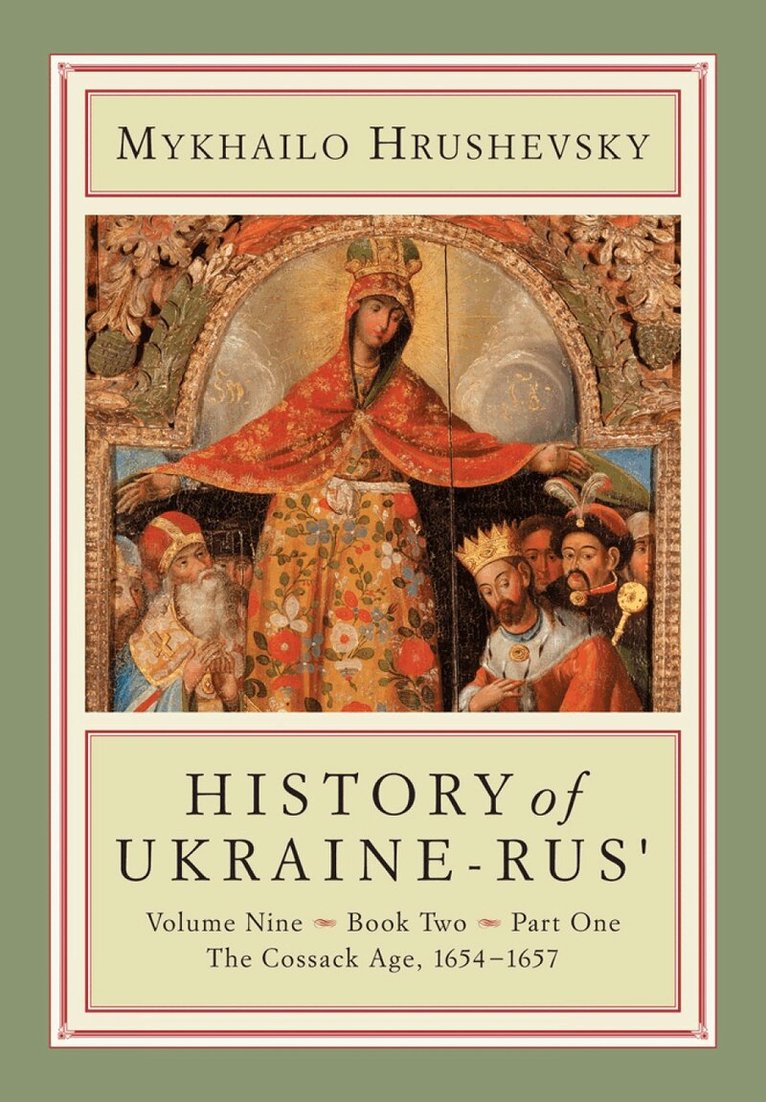
History of Ukraine-Rus'
Volume 9, Book 2, Part 1. The Cossack Age, 1654–1657
Av Mykhailo Hrushevsky, Serhii Plokhy m. fl.
Inbunden, 2008
1275 kr
Lägg i varukorg
The ninth volume of Mykhailo Hrushevsky’s History of Ukraine-Rus’ is by far the longest in the ten-volume series. Written in the late 1920s, after Hrushevsky had returned to Ukraine from exile, the volume is based mainly on a wealth of documents gathered by Hrushevsky and his students in the Moscow …
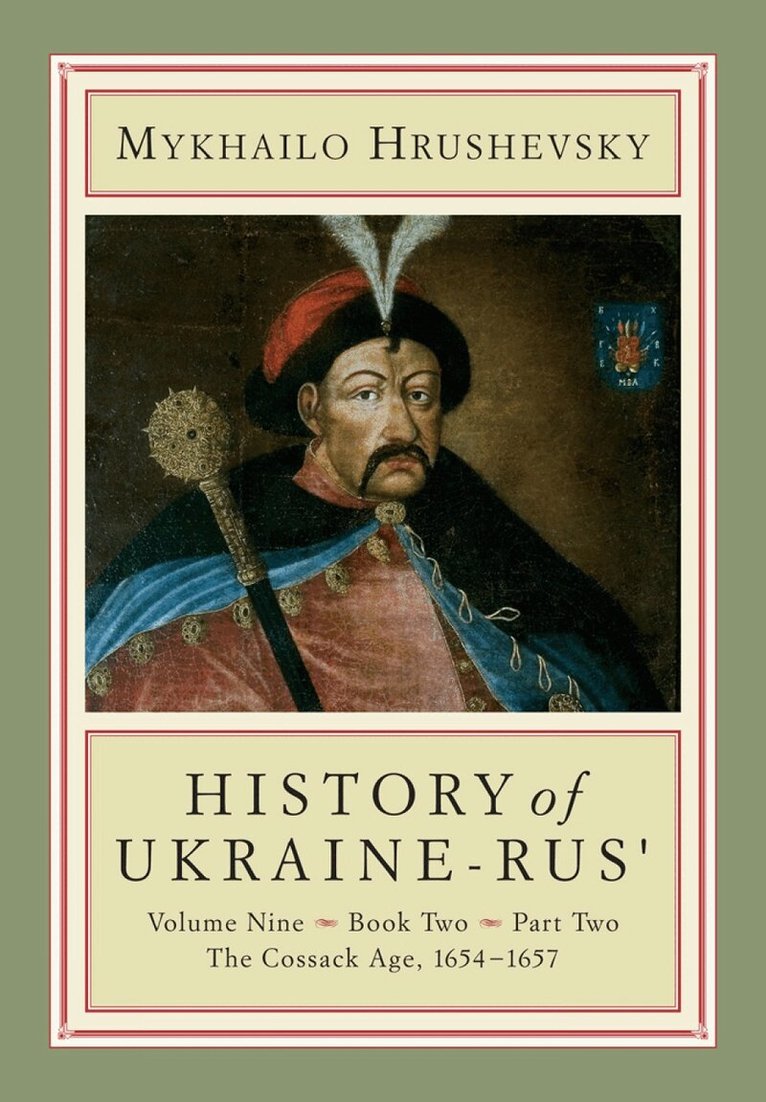
History of Ukraine-Rus'
Volume 9, Book 2, Part 2. The Cossack Age, 1654–1657
Av Mykhailo Hrushevsky, Yaroslav Fedoruk m. fl.
Inbunden, 2010
1275 kr
Lägg i varukorg
This tome, in which Mykhailo Hrushevsky analyzes the last two years of Hetman Bohdan Khmelnytsky’s rule, consists of the final chapters (10-13) of volume 9. Hrushevsky presents the most comprehensive discussion to date of Khmelnytsky’s foreign policy in the aftermath of the Treaty of Pereiaslav …
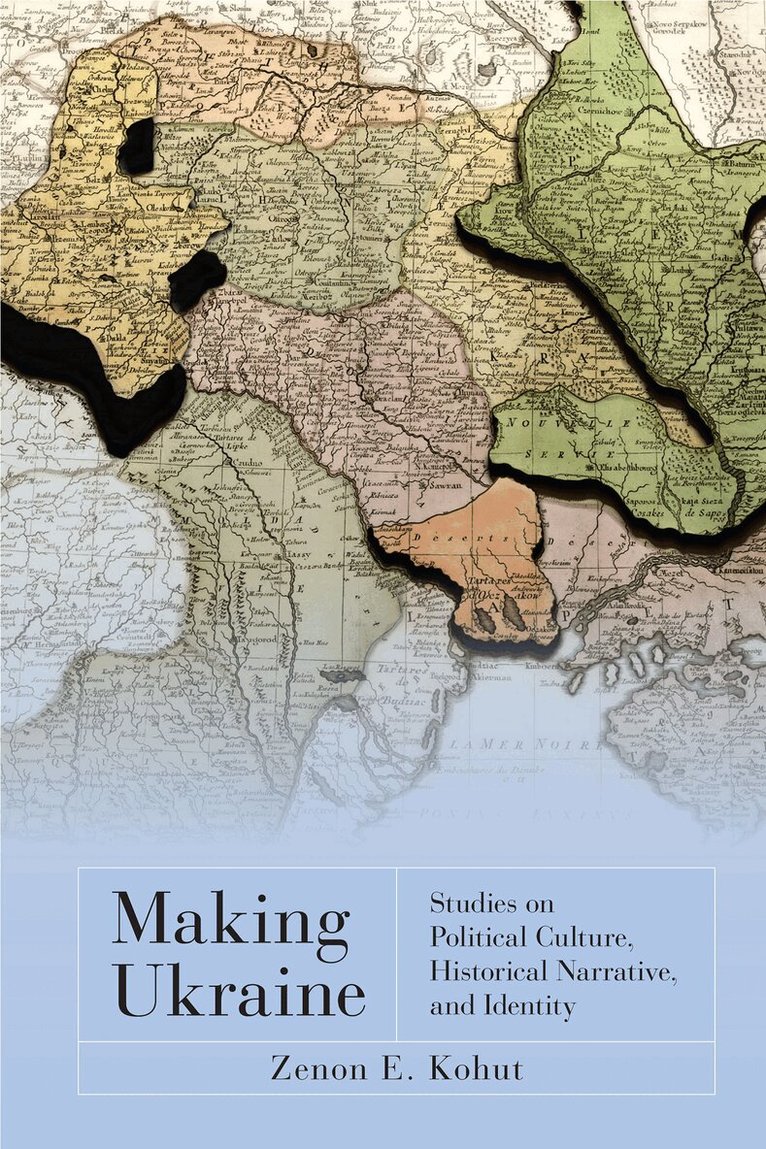
Making Ukraine
Studies on Political Culture, Historical Narrative, and Identity
Av Zenon E. Kohut, Frank E. Sysyn
Häftad, 2011
484 kr
Lägg i varukorg
The making of modern Ukrainian identity is often reduced to a choice between "Little Russia" and "Ukraine." In this collection of essays, Zenon Kohut shows that the process was much more complex, involving Western influences and native traditions that shaped a distinct Ukrainian political culture …
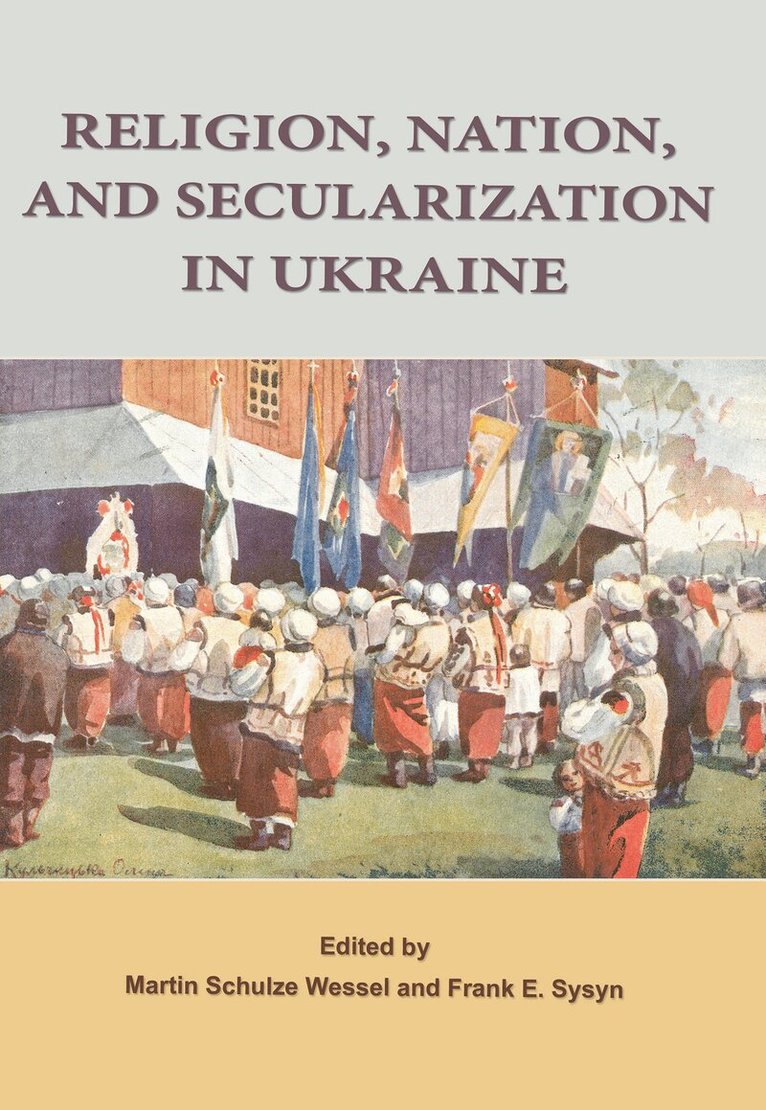
Religion, Nation, and Secularization in Ukraine
Av Martin Schulze Wessel, Frank E. Sysyn
Häftad, 2015
271 kr
Lägg i varukorg
The book is a collection of scholarly essays about the interrelationships between religion and religious institutions, nations and nation building, and secularization. The book presents nine papers by eminent scholars from Ukraine, Austria, Canada, and the United States that examine a wide range of …
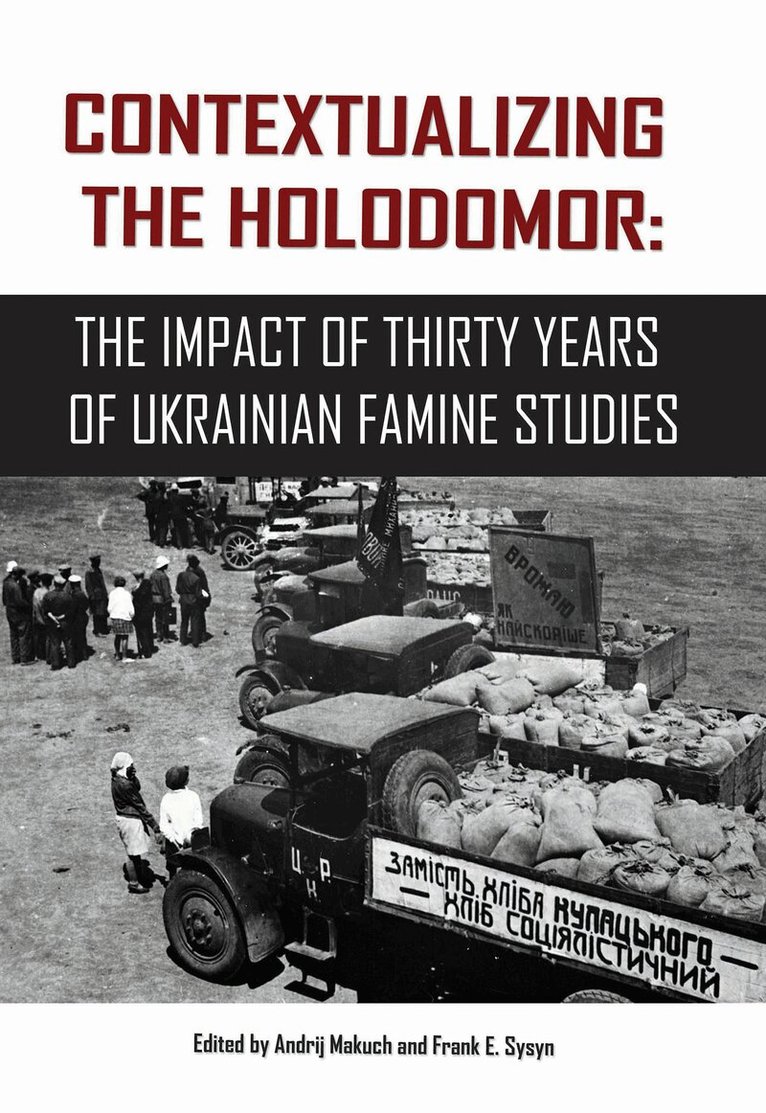
Contextualizing the Holodomor
The Impact of Thirty Years of Ukrainian Famine Studies
Av Andrij Makuch, Frank E. Sysyn
Häftad, 2015
271 kr
Lägg i varukorg
It was in the 1980s that the Famine of 1932–1933 in Ukraine became the subject of serious academic study. The publication of Robert Conquest’s ground-breaking The Harvest of Sorrow in 1986 in particular focused attention on what has come to be known as the Holodomor. The pace of research …
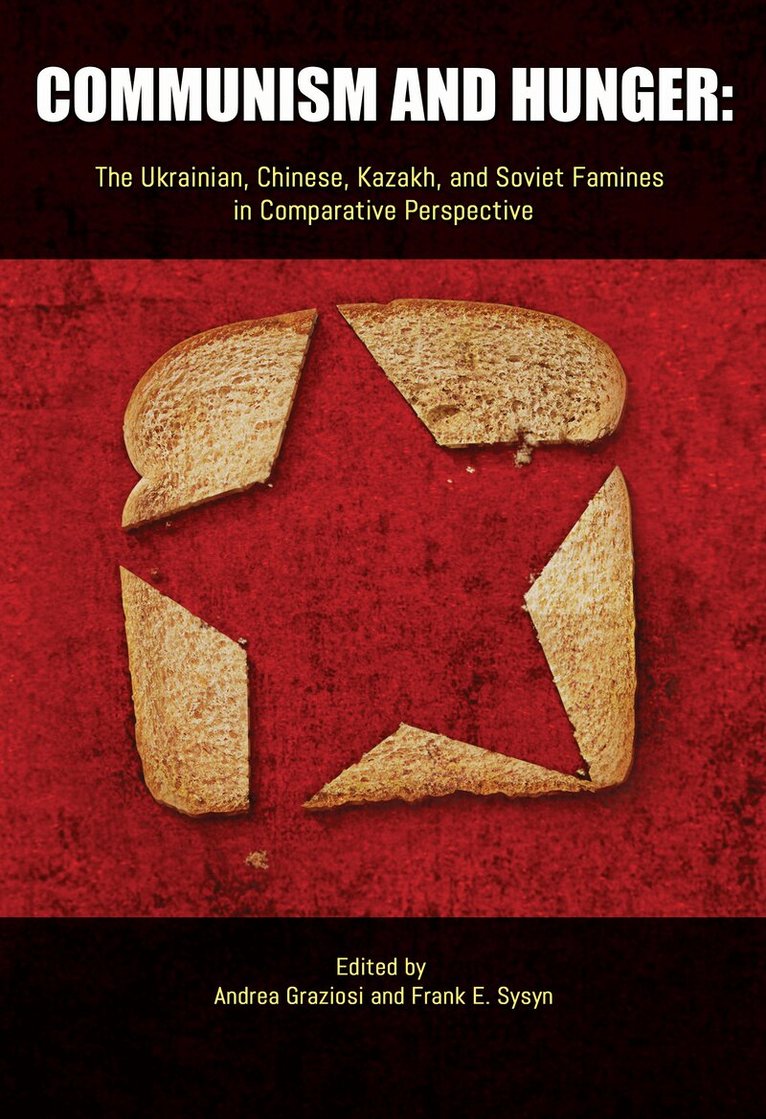
Communism and Hunger
The Ukrainian, Chinese, Kazakh, and Soviet Famines in Comparative Perspective
Av Andrea Graziosi, Frank E. Sysyn
Häftad, 2016
280 kr
Lägg i varukorg
Leading specialists examine the affinities and differences between the pan-Soviet famine of 1931–1933, the Ukrainian Holodomor, the Kazakh great hunger, and the famine in China in 1959–1961. The first three articles deal with famine within a single state or Soviet republic and the remaining three …
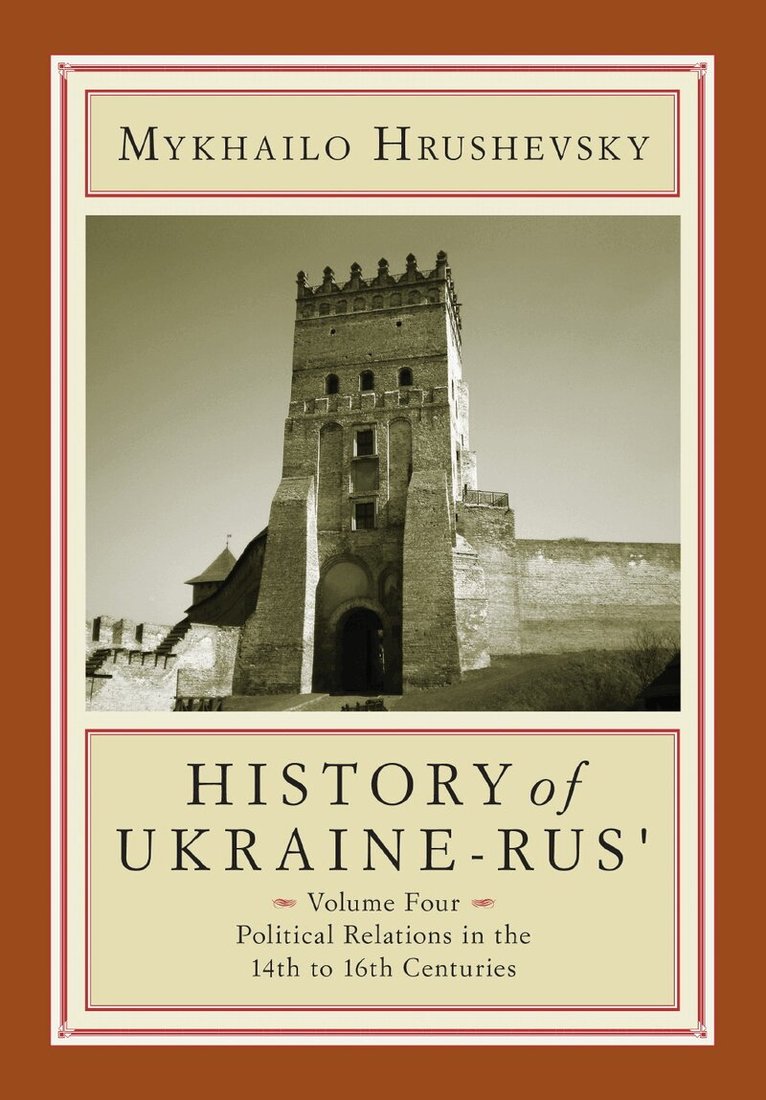
History of Ukraine-Rus'
Volume 4. Political Relations in the Fourteenth to Sixteenth Centuries
Av Mykhailo Hrushevsky, Robert Frost m. fl.
Inbunden, 2017
1275 kr
Lägg i varukorg
With volume 4, Mykhailo Hrushevsky begins the second, ‘Lithuanian-Polish,’ cycle of his History of Ukraine-Rus’, which extends from the fourteenth-century collapse of Ukrainian statehood to the recovery of the late sixteenth century. Volume 4 covers political life, while volumes 5 and 6 deal with …
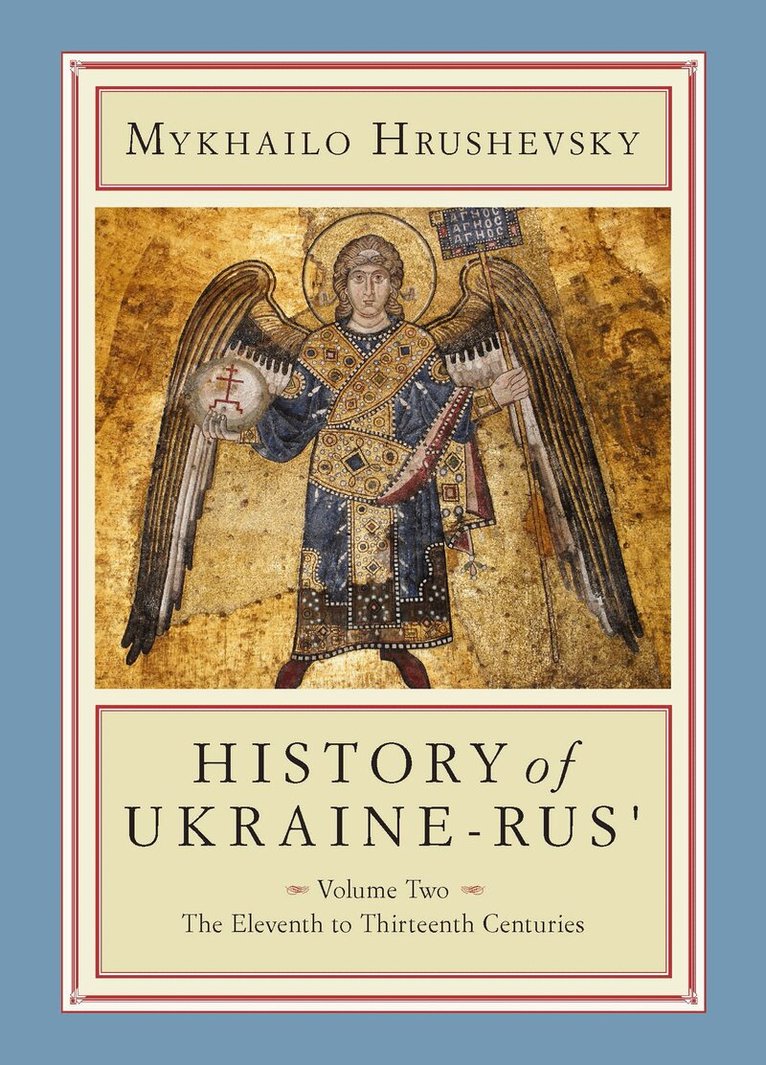
History of Ukraine-Rus'
Volume 2. The Eleventh to Thirteenth Centuries
Av Mykhailo Hrushevsky, Christian Raffensperger m. fl.
Inbunden, 2021
1248 kr
Lägg i varukorg
Volumes 1 through 3 of Mykhailo Hrushevsky’s ten-volume magnum opus, History of Ukraine-Rus', form a foundational unit for the history of the Ukrainian lands and people wherein the eminent historian explores the history of the Ukrainian lands from antiquity up until the dissolution of the Rus' …
History of Ukraine-Rus'
Volume 7. The Cossack Age to 1625
Av Mykhailo Hrushevsky, Serhii Plokhy m. fl.
Inbunden, 1999
1235 kr
Lägg i varukorg
Mykhailo Hrushevsky’s History of Ukraine-Rus’. Volume 7: The Cossack Age to 1625 inaugurates the History‘s subseries entitled “The History of the Ukrainian Cossacks”. It focuses on the history of the Ukrainian Cossacks from their origins in the fifteenth century to their rise as an important …
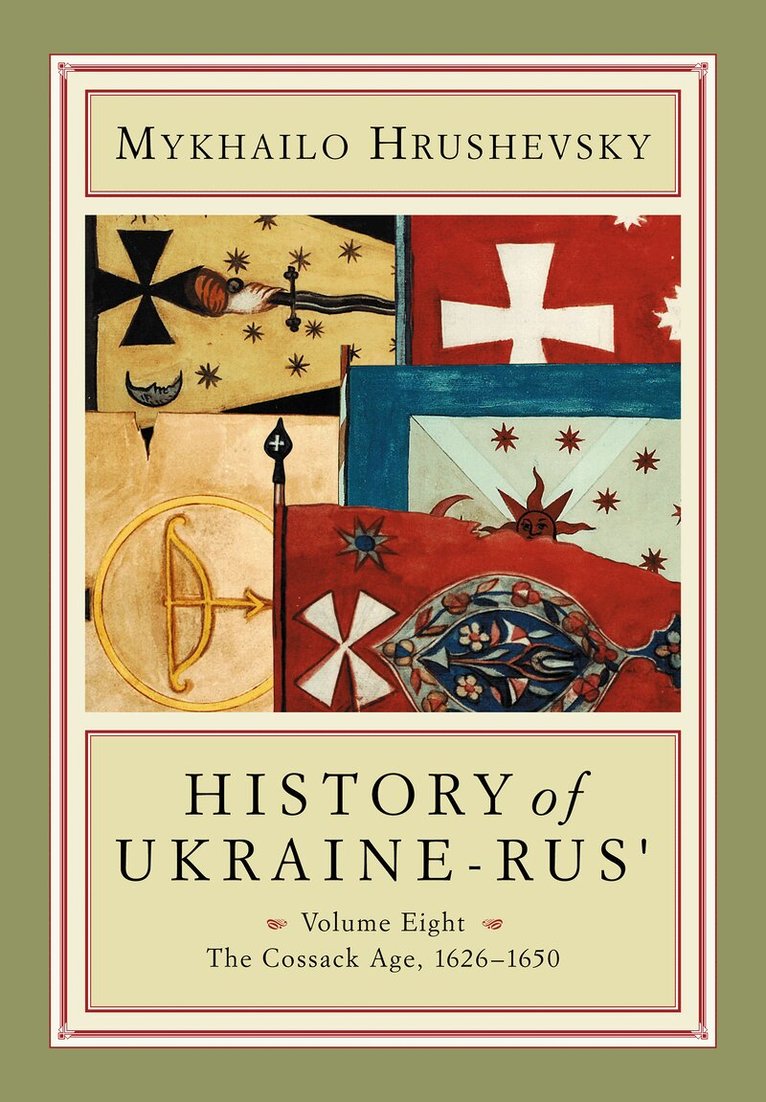
History of Ukraine-Rus'
Volume 8. The Cossack Age, 1626–1650
Av Mykhailo Hrushevsky, Frank E. Sysyn m. fl.
Inbunden, 2002
1275 kr
Lägg i varukorg
Mykhailo Hrushevsky’s History of Ukraine-Rus,’ Volume 8: The Cossack Age, 1626-1650 deals with the period when the Cossacks’ emergence as a political power and the Khmelnytsky Uprising made Ukraine a focal point in European and Near Eastern affairs. Based on an exhaustive examination of the sources …
History of Ukraine-Rus'
Volume 9, Book 1. The Cossack Age, 1650–1653
Av Mykhailo Hrushevsky, Serhii Plokhy m. fl.
Inbunden, 2004
1275 kr
Lägg i varukorg
No period in Bohdan Khmelnytsky’s hetmancy was as rich in international and dynastic plans as the years 1650 to 1653. After the Zboriv Agreement of 1649, when the hetman resolved to find a way to break forever with the Polish-Lithuanian Commonwealth, he set out to create the military and political …
History of Ukraine-Rus'
Volume 1. From Prehistory to the Eleventh Century
Av Mykhailo Hrushevsky, Andrzej Poppe m. fl.
Inbunden, 1997
1248 kr
Tillfälligt slut
Culture, Nation and Identity
The Ukrainian-Russian Encounter (1600-1945)
Av Andreas Kappeler, Zenon E. Kohut m. fl.
Häftad, 2003
477 kr
Tillfälligt slut