Daniela Preda – författare
Visar alla böcker från författaren Daniela Preda. Handla med fri frakt och snabb leverans.
6 produkter
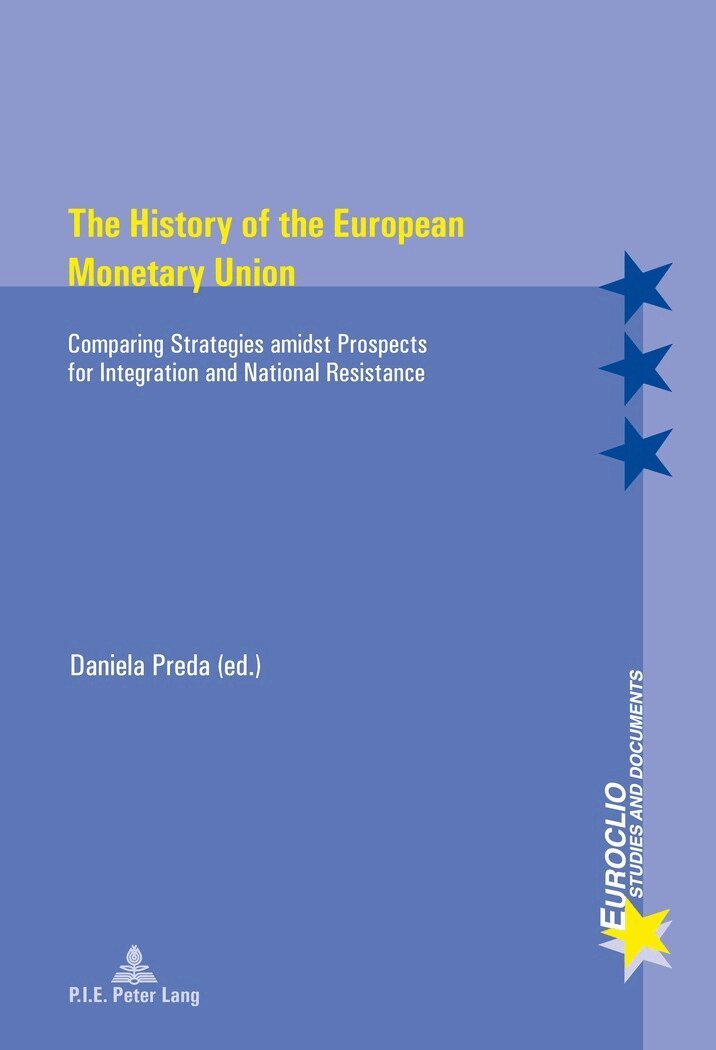
History of the European Monetary Union
Comparing Strategies amidst Prospects for Integration and National Resistance
Häftad, 2017
654 kr
Lägg i varukorg
The financial and economic crisis that hit Europe in 2009 brought out the precariousness of the monetary union, accentuating the economic disequilibrium among European nations and strengthening Euro-skepticism. The crisis served as a catalyst for long-standing and unresolved problems: the creation …
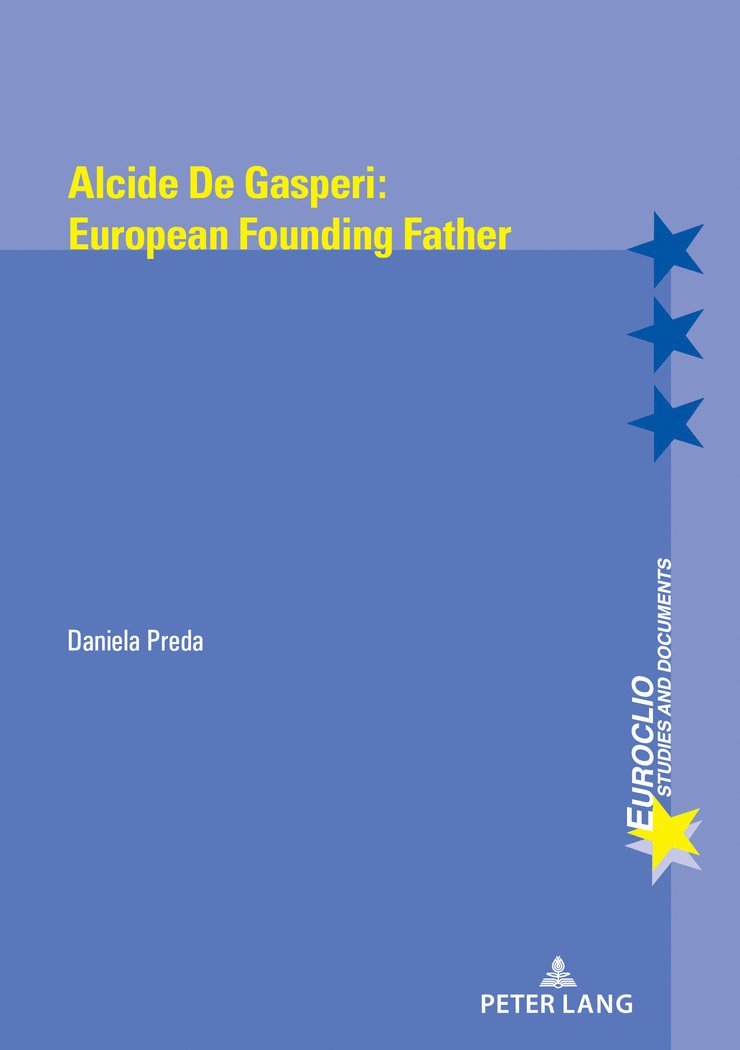
Alcide de Gasperi:European Founding Father
Av Daniela Preda, Eric Bussière m. fl.
Häftad, 2018
1212 kr
Lägg i varukorg
Alcide De Gasperi is universally recognized as a Founding Father of Europe, but his enlightened action in favour of European unification is little known outside of Italy.At the beginning of the 1950s, he became one of the most steadfast advocates of a European federation as a response to the …
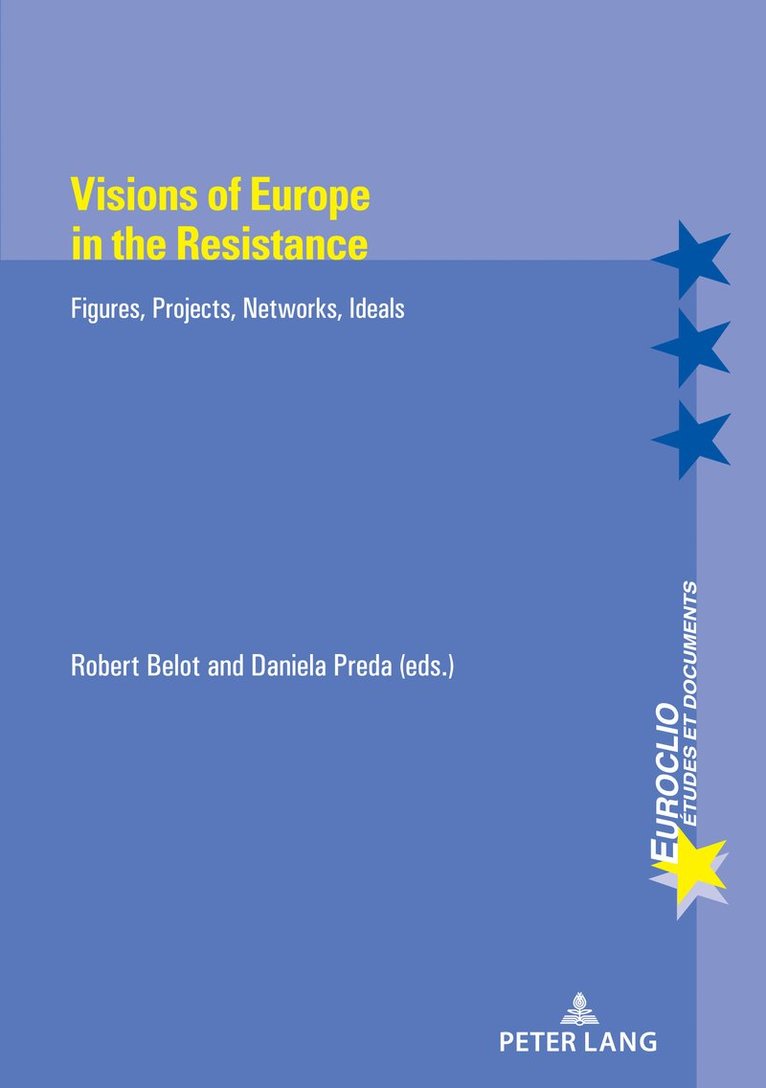
Visions of Europe in the Resistance
Figures, Projects, Networks, Ideals
Av Daniela Preda, Robert Belot
Häftad, 2022
1432 kr
Lägg i varukorg
The fight against Fascism and Nazism during the Second World War gave rise to a strong "desire for Europe": a desire for a united, peaceful, democratic Europe. In many countries, there was a flowering of movements, actions, newspapers and constitutional projects in which the vision of the "United …
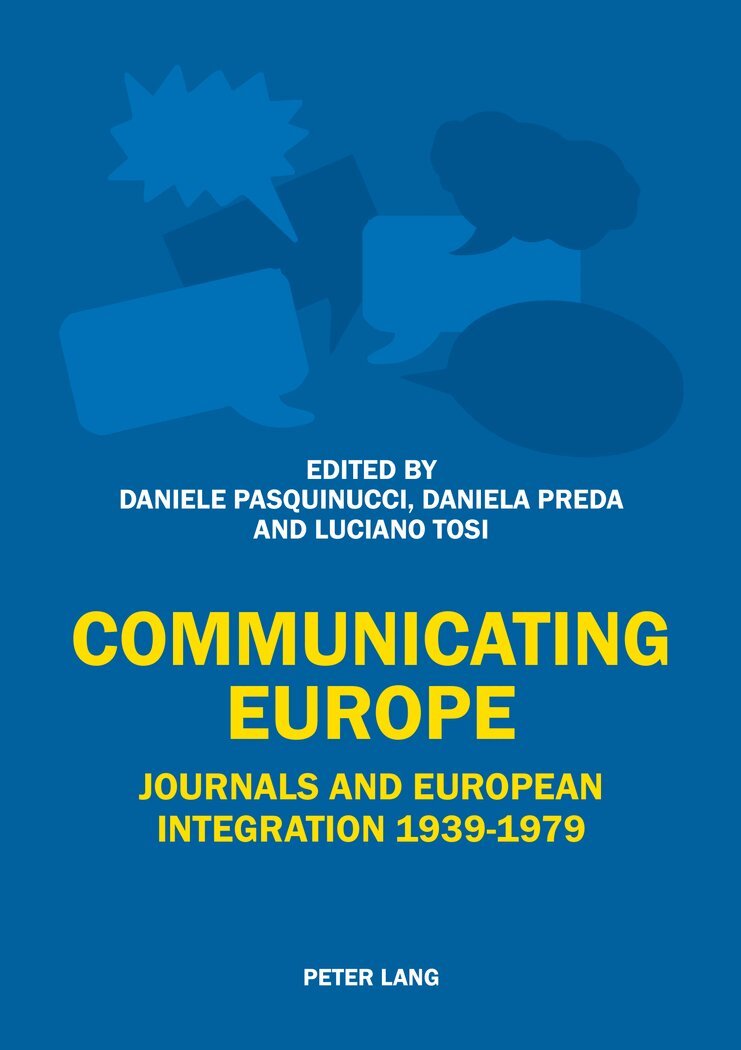
Communicating Europe
Journals and European Integration 1939–1979
Av Daniele Pasquinucci, Daniela Preda m. fl.
Häftad, 2014
1356 kr
Lägg i varukorg
This volume is dedicated to the debate on European unification developed between the end of World War II and 1979 in two types of magazines. The first type of magazines are those not exclusively dedicated to the «European» themes, but particularly significant for the impact they had in the …
Road Europe Travelled Along
The Evolution of the EEC/EU Institutions and Policies
Av Daniele Pasquinucci, Daniela Preda
E-bok, 2010
735 kr
Lägg i varukorg
This volume contains the proceedings of the international conference The Road Europe Travelled Along. The Evolution of the EEC/EU Institutions and Policies, organized by the Associazione Universitaria di Studi Europei (AUSE) (European Community Studies Association - ECSA Italy) at the University of …
Road Europe Travelled Along
The Evolution of the EEC/EU Institutions and Policies
Av Preda-D, Daniele Pasquinucci m. fl.
Häftad, 2010
1574 kr
Lägg i varukorg
This volume contains the proceedings of the international conference «The Road Europe Travelled Along. The Evolution of the EEC/EU Institutions and Policies», organized by the Associazione Universitaria di Studi Europei (AUSE) (European Community Studies Association – ECSA Italy) at the University …