Darcy Ingram – författare
Visar alla böcker från författaren Darcy Ingram. Handla med fri frakt och snabb leverans.
6 produkter
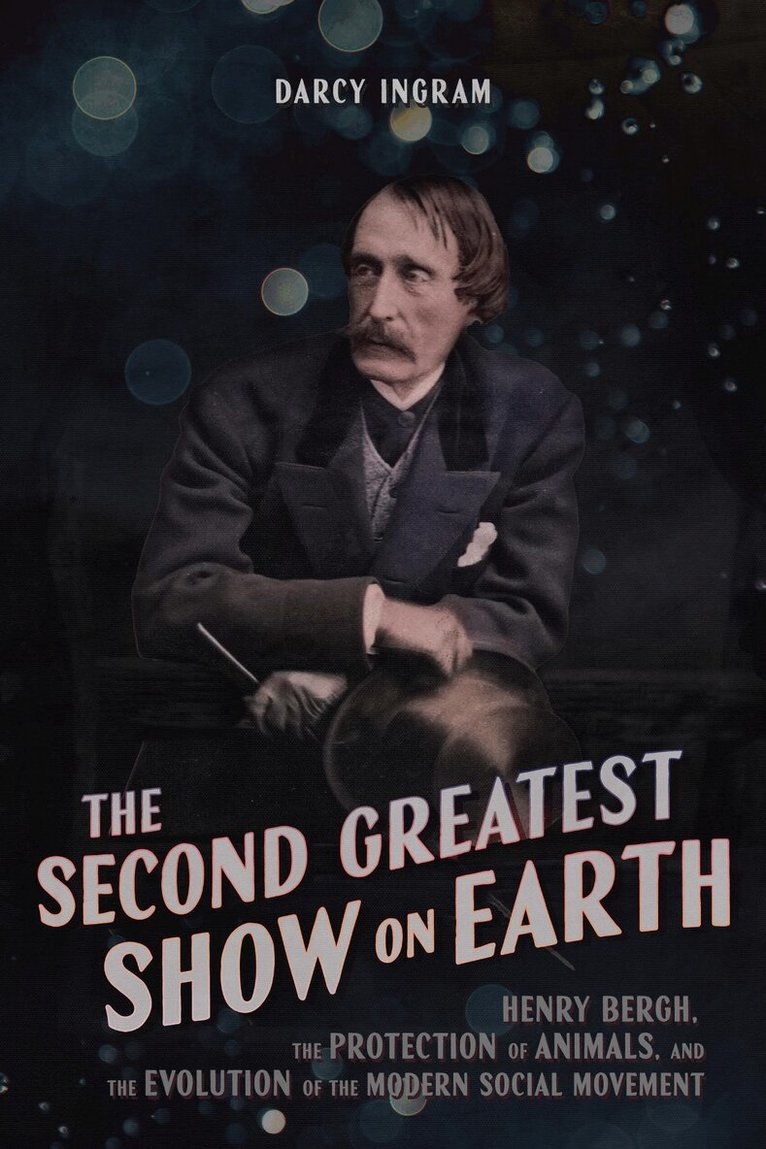
Second Greatest Show on Earth
Henry Bergh, the Protection of Animals, and the Evolution of the Modern Social Movement
Av Darcy Ingram
Häftad, 2025
310 kr
Lägg i varukorg
In 1865 wealthy American expatriate Henry Bergh (1813–1888) chose suddenly to abandon a life of leisure in Europe. Returning to his home city of New York, he set to work on what soon proved a remarkable accomplishment: the establishment of an institutional framework for the animal protection …
Second Greatest Show on Earth
Henry Bergh, the Protection of Animals, and the Evolution of the Modern Social Movement
Av Darcy Ingram
E-bok, 2025
323 kr
Lägg i varukorg
In 1865, wealthy American expatriate Henry Bergh (1813–1888) chose suddenly to abandon a life of leisure in Europe. Returning to his home city of New York, he set to work on what soon proved a remarkable accomplishment: the establishment of an institutional framework for the animal protection …
Second Greatest Show on Earth
Henry Bergh, the Protection of Animals, and the Evolution of the Modern Social Movement
Av Darcy Ingram
E-bok, 2025
323 kr
Lägg i varukorg
In 1865, wealthy American expatriate Henry Bergh (1813–1888) chose suddenly to abandon a life of leisure in Europe. Returning to his home city of New York, he set to work on what soon proved a remarkable accomplishment: the establishment of an institutional framework for the animal protection …
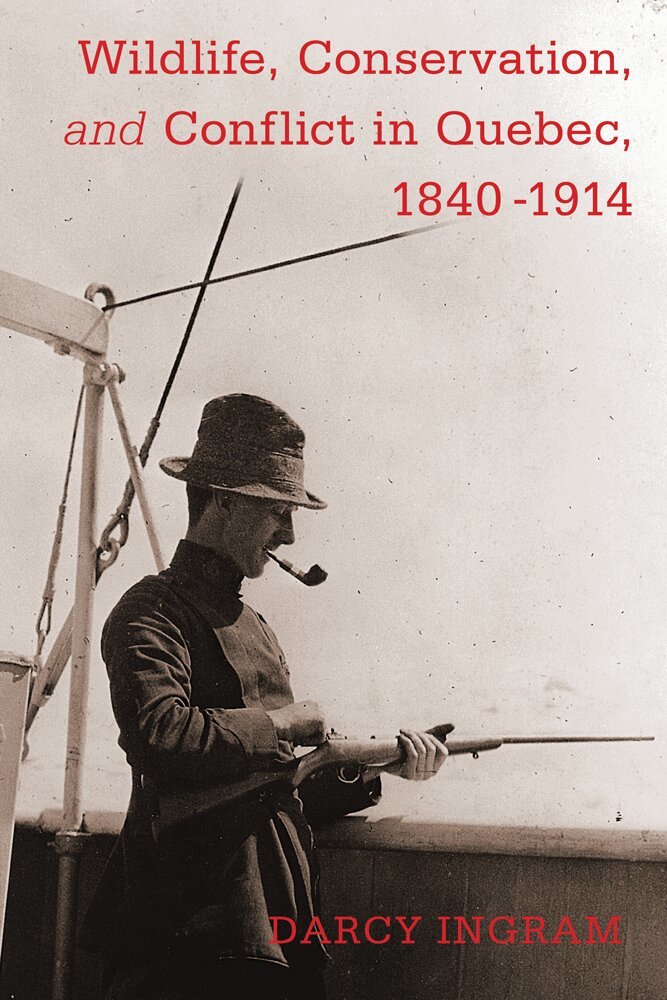
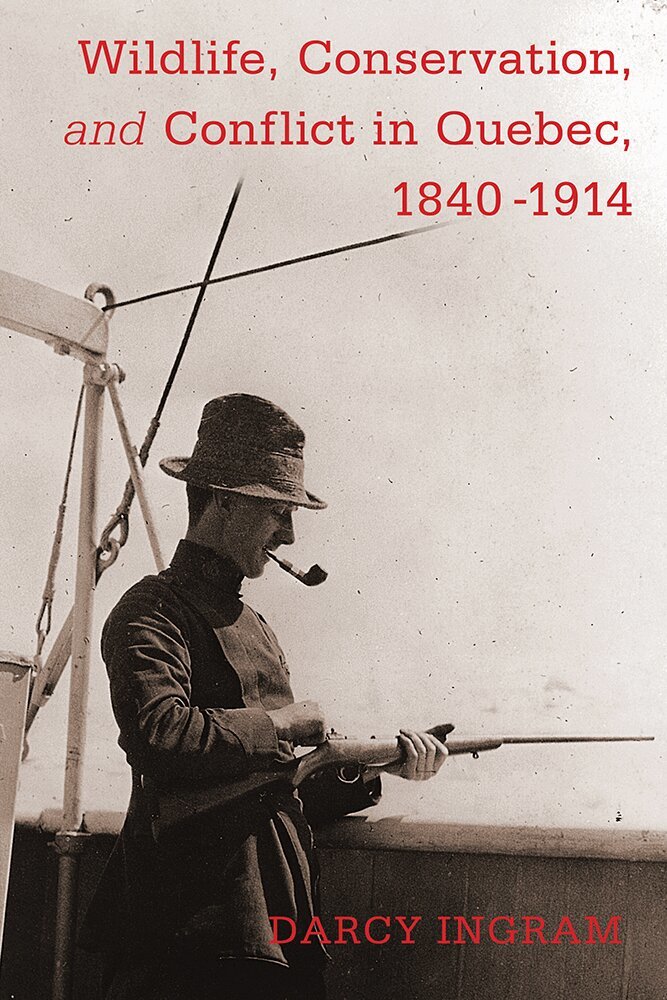
Wildlife, Conservation, and Conflict in Quebec, 1840-1914
Av Darcy Ingram
Inbunden, 2013
1145 kr
Lägg i varukorg
Despite the popular assumption that wildlife conservation is a recent phenomenon, it emerged over a century and a half ago in an era more closely associated with wildlife depletion than preservation. In Wildlife, Conservation, and Conflict in Quebec, Darcy Ingram explores the combination of NGOs, …
Wildlife, Conservation, and Conflict in Quebec, 1840-1914
Av Darcy Ingram
Häftad, 2014
426 kr
Lägg i varukorg
Despite the popular assumption that wildlife conservation is a recent phenomenon, it emerged over a century and a half ago in an era more closely associated with wildlife depletion than preservation. In Wildlife, Conservation, and Conflict in Quebec, Darcy Ingram explores the combination of NGOs, …
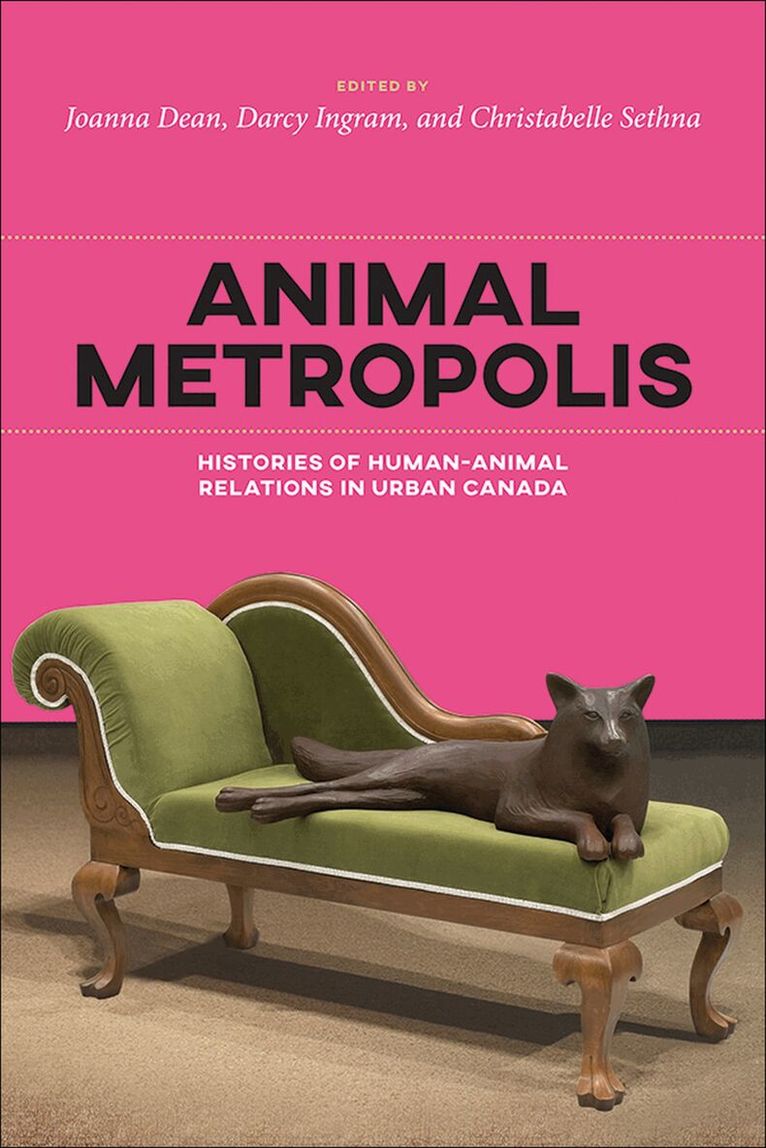
Animal Metropolis
Histories of Human-Animal Relations in Urban Canada
Av Joanna Dean, Darcy Ingram m. fl.
Häftad, 2017
400 kr
Lägg i varukorg
Animal Metropolis brings a Canadian perspective to the growing field of animal history, ranging across species and cities, from the beavers who engineered Stanley Park to the carthorses who shaped the city of Montreal. Some essays consider animals as spectacle: orca captivity in Vancouver, polar …