Daria Trentini – författare
Visar alla böcker från författaren Daria Trentini. Handla med fri frakt och snabb leverans.
6 produkter
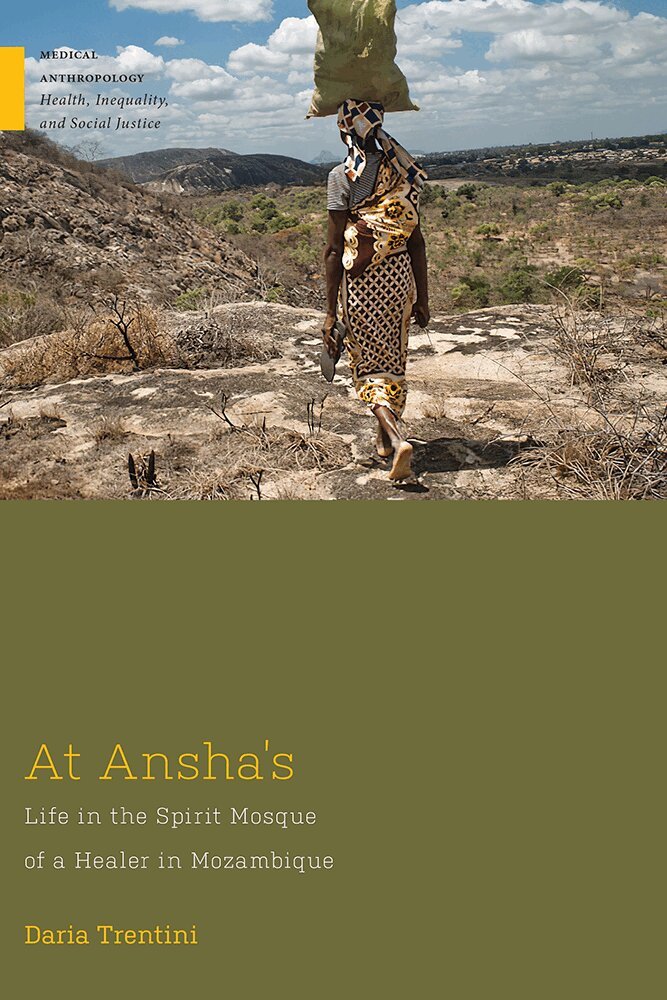
At Ansha's
Life in the Spirit Mosque of a Healer in Mozambique
Häftad, 2021
413 kr
Lägg i varukorg
At Ansha's takes the reader inside the spirit mosque of a female healer in Nampula, northern Mozambique. It is here that Ansha, a Makonde spirit healer, heals the resisting ailments of her patients, discloses pieces of her story of affliction and healing, and engages the world outside her mosque. …
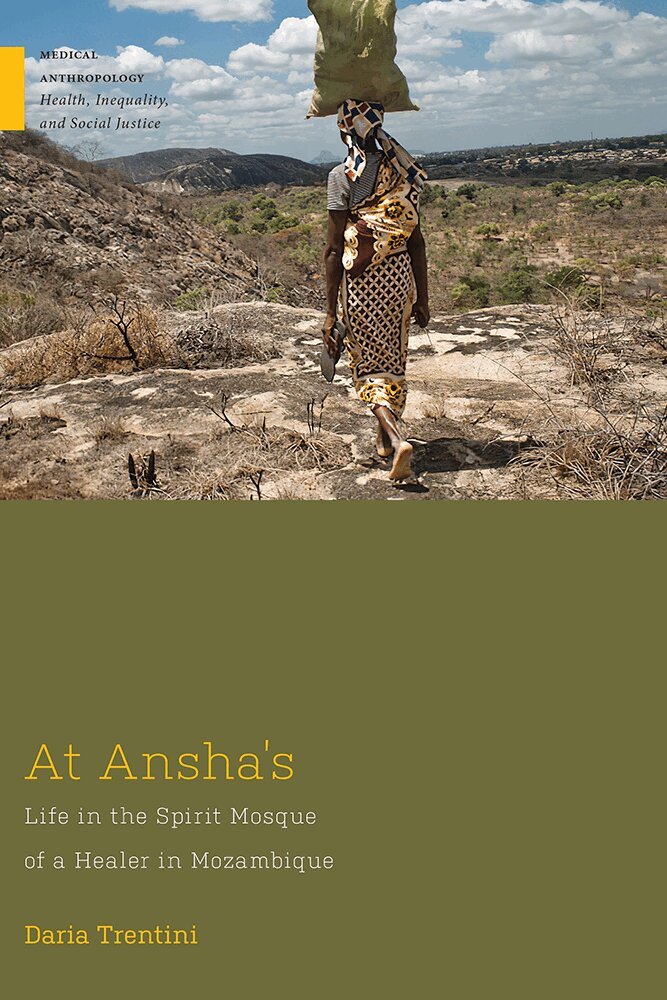
At Ansha's
Life in the Spirit Mosque of a Healer in Mozambique
Inbunden, 2021
1689 kr
Lägg i varukorg
At Ansha's takes the reader inside the spirit mosque of a female healer in Nampula, northern Mozambique. It is here that Ansha, a Makonde spirit healer, heals the resisting ailments of her patients, discloses pieces of her story of affliction and healing, and engages the world outside her mosque. …
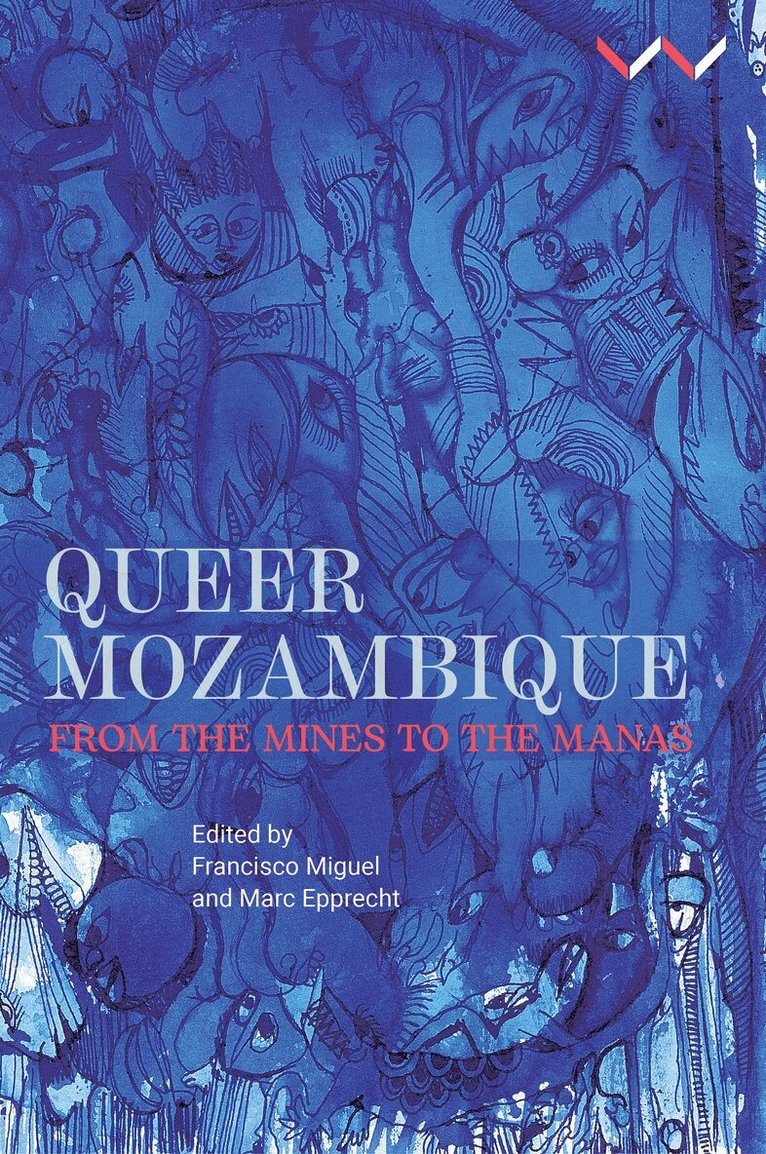
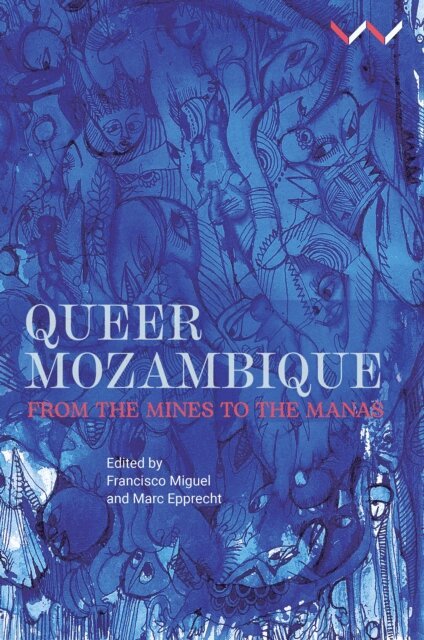
Queer Mozambique
From the Mines to the Manas
Av Francisco P V Miguel, Marc Epprecht m. fl.
Häftad, 2026
442 kr
Lägg i varukorg
Postcolonial Mozambique decriminalized homosexual acts in 2015. This legal reform was not a response to litigation or public pressure, but came from a parliamentary initiative and lobbying by a few organizations. Subsequent public opinion polls show that Mozambique is an outlier in Africa in its …
Queer Mozambique
From the Mines to the Manas
Av Francisco P V Miguel, Marc Epprecht m. fl.
Inbunden, 2026
1507 kr
Lägg i varukorg
Postcolonial Mozambique decriminalized homosexual acts in 2015. This legal reform was not a response to litigation or public pressure, but came from a parliamentary initiative and lobbying by a few organizations. Subsequent public opinion polls show that Mozambique is an outlier in Africa in its …
Queer Mozambique
From the mines to the manas
Av Agostao Jose Zitha, Matthew Waites m. fl.
E-bok, 2026
449 kr
Lägg i varukorg
Postcolonial Mozambique decriminalised homosexual acts in 2015. This legal reform was not a response to litigation or public pressure, but came from a parliamentary initiative and lobbying by a few organisations. Subsequent public opinion polls show that Mozambique is an outlier in Africa in its …
Queer Mozambique
From the mines to the manas
Av Agostao Jose Zitha, Matthew Waites m. fl.
E-bok, 2026
459 kr
Lägg i varukorg
Postcolonial Mozambique decriminalised homosexual acts in 2015. This legal reform was not a response to litigation or public pressure, but came from a parliamentary initiative and lobbying by a few organisations. Subsequent public opinion polls show that Mozambique is an outlier in Africa in its …