Darnell M. Hunt – författare
Visar alla böcker från författaren Darnell M. Hunt. Handla med fri frakt och snabb leverans.
3 produkter
3 produkter
1 303 kr
Skickas inom 7-10 vardagar
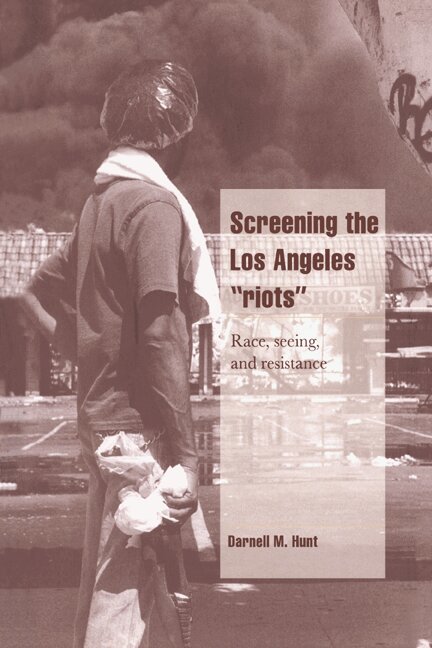
On April 29 1992, the 'worst riots of the century' (Los Angeles Times) erupted. Television news-workers tried frantically to keep up with what was happening on the streets while, around the city, nation and globe, viewers watched intently as leaders, participants and fires flashed across their television screens. Screening the Los Angeles 'Riots' zeros in on the first night of these events, exploring in detail the meanings one news organisation found in them, as well as those made by fifteen groups of viewers in the events' aftermath. Combining ethnographic and quasi-experimental methods, Darnell M. Hunt's account reveals how race shapes both television's construction of news and viewers' understandings of it. He engages with the long-standing debates about the power of television to shape our thoughts versus our ability to resist, and concludes with implications for progressive change.
370 kr
Skickas inom 7-10 vardagar
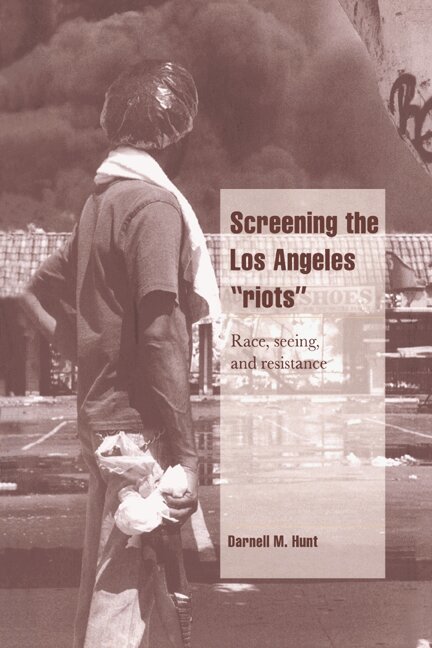
On April 29 1992, the 'worst riots of the century' (Los Angeles Times) erupted. Television news-workers tried frantically to keep up with what was happening on the streets while, around the city, nation and globe, viewers watched intently as leaders, participants and fires flashed across their television screens. Screening the Los Angeles 'Riots' zeros in on the first night of these events, exploring in detail the meanings one news organisation found in them, as well as those made by fifteen groups of viewers in the events' aftermath. Combining ethnographic and quasi-experimental methods, Darnell M. Hunt's account reveals how race shapes both television's construction of news and viewers' understandings of it. He engages with the long-standing debates about the power of television to shape our thoughts versus our ability to resist, and concludes with implications for progressive change.
370 kr
Skickas inom 7-10 vardagar
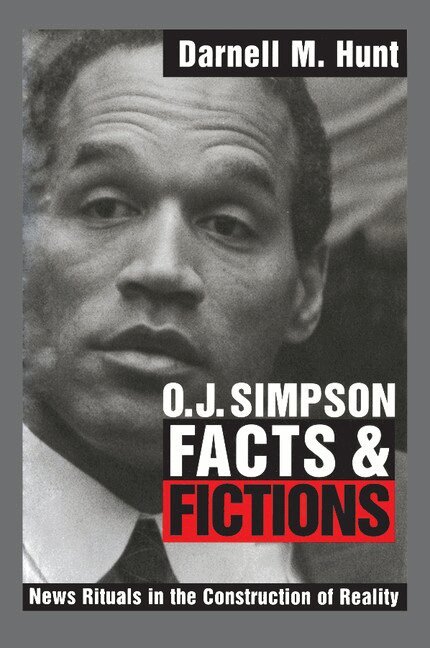
Abundant popular discourses surround the O. J. Simpson double murder case. By contrast, Darnell M. Hunt scrutinizes these very discourses in order to further our understanding of the interests underlying them. Exploring the relationships between O. J.'s trial, the social location of television viewers (their race, gender and class) and everyday consciousness of social issues, his textual and audience analyses consider the incredible allure of the trial as 'media event'. Looking beyond the obvious explanations of celebrity, scandal and voyeurism, Dr Hunt asks: why was America so obsessed by this case? Why were so many people interested in particular outcomes? and what are we to make of the apparent racial divide in attitudes about the case, as shown in the opinion polls? O. J. Simpson Facts and Fictions incorporates insights from sociology and cultural studies to examine the implications for race relations in the United States at the dawn of the new millennium.