Darren G. Hawkins - Böcker
Visar alla böcker från författaren Darren G. Hawkins. Handla med fri frakt och snabb leverans.
3 produkter
3 produkter
507 kr
Skickas inom 7-10 vardagar
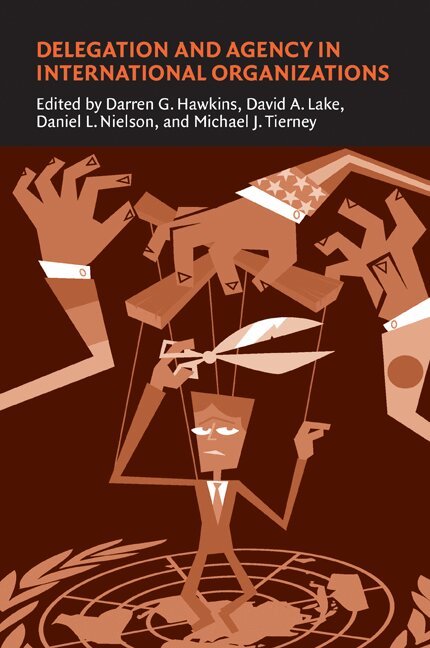
Why do states delegate certain tasks and responsibilities to international organizations rather than acting unilaterally or cooperating directly? Furthermore, to what extent do states continue to control IOs once authority has been delegated? Examining a variety of different institutions including the World Trade Organization, the United Nations and the European Commission, this book explores the different methods that states employ to ensure their interests are being served, and identifies the problems involved with monitoring and managing IOs. The contributors suggest that it is not inherently more difficult to design effective delegation mechanisms at international level than at domestic level and, drawing on principal-agent theory, help explain the variations that exist in the extent to which states are willing to delegate to IOs. They argue that IOs are neither all evil nor all virtuous, but are better understood as bureaucracies that can be controlled to varying degrees by their political masters.
1 442 kr
Skickas inom 7-10 vardagar
Why do states delegate certain tasks and responsibilities to international organizations rather than acting unilaterally or cooperating directly? Furthermore, to what extent do states continue to control IOs once authority has been delegated? Examining a variety of different institutions including the World Trade Organization, the United Nations and the European Commission, this book explores the different methods that states employ to ensure their interests are being served, and identifies the problems involved with monitoring and managing IOs. The contributors suggest that it is not inherently more difficult to design effective delegation mechanisms at international level than at domestic level and, drawing on principal-agent theory, help explain the variations that exist in the extent to which states are willing to delegate to IOs. They argue that IOs are neither all evil nor all virtuous, but are better understood as bureaucracies that can be controlled to varying degrees by their political masters.
531 kr
Skickas inom 7-10 vardagar
What is the influence of international human rights activism on authoritarian governments in the modern era? How much can pressure from human rights organizations and nations affect political change within a county? This book addresses these key issues by examining the impact of transnational human rights organizations and international norms on Chile during Gen. Augusto Pinochet's regime (1973–90) and afterward. Darren G. Hawkins argues that steadily mounting pressure from abroad concerning human rights did, in fact, make Pinochet more vulnerable over time and helped stimulate Chile's movement to a liberal democracy. Such international expectations could not be ignored by Pinochet, and they gradually and cumulatively made themselves felt. By 1975 some Chilean officials were adopting the discourse of human rights and claiming their adherence to international norms; two years later the government's security apparatus responsible for the reign of terror was reorganized, and disappearances in Chile nearly ceased. In 1980 the regime abandoned its insistence on unlimited authoritarian rule and approved a constitution that set term limits and promised future democratic institutions; Pinochet lost a constitutionally mandated plebiscite in 1988 and ultimately left office in 1990. Hawkins contends that these changes not only were internally driven but reflected an ongoing response to an international discourse on human rights.Well-researched and cogently argued, this case study further illuminates and complicates our understanding of modern Chilean history and provides ample testimony of the far-reaching effects of international human rights work.