David A. Graff – författare
Visar alla böcker från författaren David A. Graff. Handla med fri frakt och snabb leverans.
9 produkter
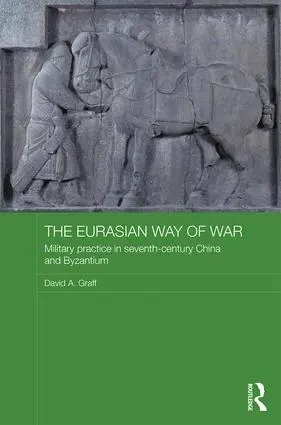
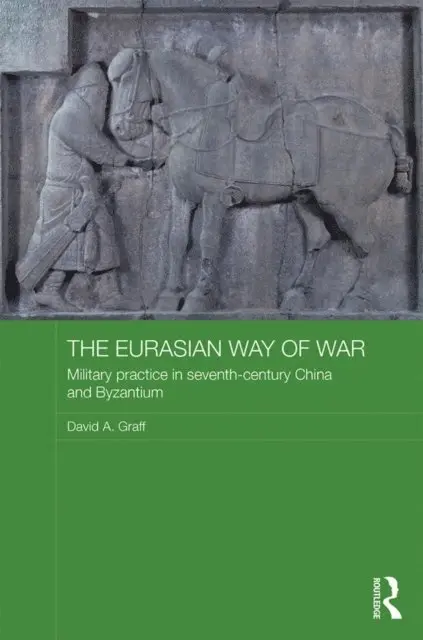
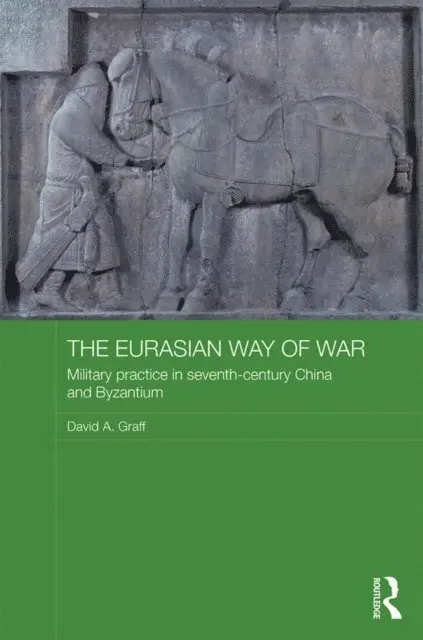
Eurasian Way of War
Military Practice in Seventh-Century China and Byzantium
Inbunden, 2016
2581 kr
Lägg i varukorg
This book is a comparative study of military practice in Sui-Tang China and the Byzantine Empire between approximately 600 and 700 CE. It covers all aspects of the military art from weapons and battlefield tactics to logistics, campaign organization, military institutions, and the grand strategy of …
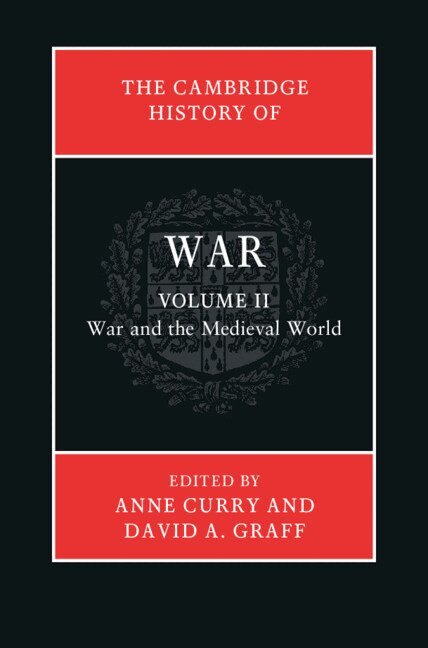
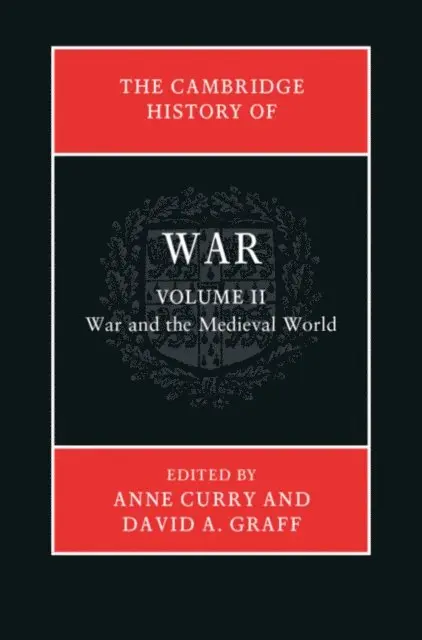
The Cambridge History of War: Volume 2, War and the Medieval World
Inbunden, 2020
2090 kr
Lägg i varukorg
Volume II of The Cambridge History of War covers what in Europe is commonly called 'the Middle Ages'. It includes all of the well-known themes of European warfare, from the migrations of the Germanic peoples and the Vikings through the Reconquista, the Crusades and the age of chivalry, to the …
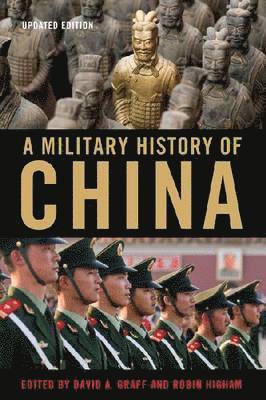
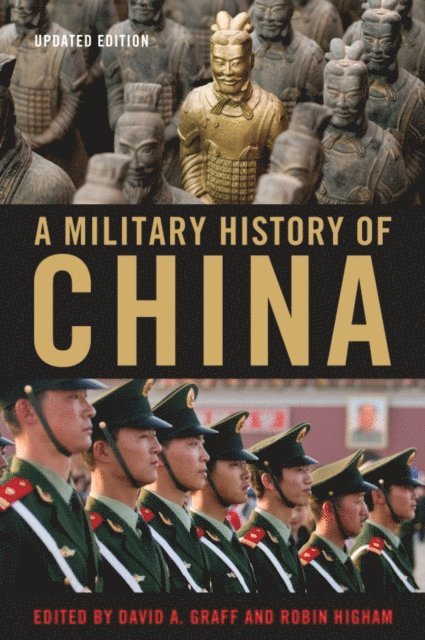
Military History of China
Av David A Graff, Robin Higham
Häftad, 2012
503 kr
Lägg i varukorg
Gaining an understanding of China's long and sometimes bloody history can help to shed light on China's ascent to global power. Many of China's imperial dynasties were established as the result of battle, from the chariot warfare of ancient times to the battles of the Guomindang (KMT) and Communist …
Military History of China
Av Robin Higham, David A. Graff
E-bok, 2012
431 kr
Lägg i varukorg
Gaining an understanding of China''s long and sometimes bloody history can help to shed light on China''s ascent to global power. Many of China''s imperial dynasties were established as the result of battle, from the chariot warfare of ancient times to the battles of the Guomindang (KMT) and …
Military History of China
Av Robin Higham, David A. Graff
E-bok, 2012
441 kr
Lägg i varukorg
Gaining an understanding of China''s long and sometimes bloody history can help to shed light on China''s ascent to global power. Many of China''s imperial dynasties were established as the result of battle, from the chariot warfare of ancient times to the battles of the Guomindang (KMT) and …
Cambridge History of War: Volume 2, War and the Medieval World
E-bok, 2020
420 kr
Lägg i varukorg
Volume II of The Cambridge History of War covers what in Europe is commonly called ''the Middle Ages''. It includes all of the well-known themes of European warfare, from the migrations of the Germanic peoples and the Vikings through the Reconquista, the Crusades and the age of chivalry, to the …
Eurasian Way of War
Military Practice in Seventh-Century China and Byzantium
Häftad, 2018
818 kr
Lägg i varukorg
This book is a comparative study of military practice in Sui-Tang China and the Byzantine Empire between approximately 600 and 700 CE. It covers all aspects of the military art from weapons and battlefield tactics to logistics, campaign organization, military institutions, and the grand strategy of …
Eurasian Way of War
Military Practice in Seventh-Century China and Byzantium
E-bok, 2016
942 kr
Lägg i varukorg
This book is a comparative study of military practice in Sui-Tang China and the Byzantine Empire between approximately 600 and 700 CE. It covers all aspects of the military art from weapons and battlefield tactics to logistics, campaign organization, military institutions, and the grand strategy of …
Eurasian Way of War
Military Practice in Seventh-Century China and Byzantium
E-bok, 2016
963 kr
Lägg i varukorg
This book is a comparative study of military practice in Sui-Tang China and the Byzantine Empire between approximately 600 and 700 CE. It covers all aspects of the military art from weapons and battlefield tactics to logistics, campaign organization, military institutions, and the grand strategy of …