David A Messenger – författare
Visar alla böcker från författaren David A Messenger. Handla med fri frakt och snabb leverans.
10 produkter
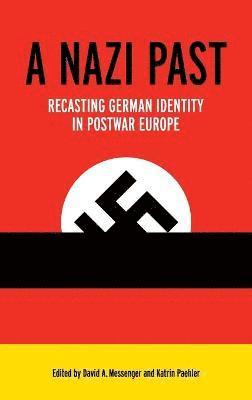
Nazi Past
Recasting German Identity in Postwar Europe
Av David A Messenger, Katrin Paehler
Inbunden, 2015
683 kr
Lägg i varukorg
Since the end of World War II, historians and psychologists have investigated the factors that motivated Germans to become Nazis before and during the war. While most studies have focused on the high-level figures who were tried at Nuremberg, much less is known about the hundreds of SS members, …
Nazi Past
Recasting German Identity in Postwar Europe
Av Katrin Paehler, David A. Messenger
E-bok, 2015
630 kr
Lägg i varukorg
Since the end of World War II, historians and psychologists have investigated the factors that motivated Germans to become Nazis before and during the war. While most studies have focused on the high-level figures who were tried at Nuremberg, much less is known about the hundreds of SS members, …
Nazi Past
Recasting German Identity in Postwar Europe
Av Katrin Paehler, David A. Messenger
E-bok, 2015
616 kr
Lägg i varukorg
Since the end of World War II, historians and psychologists have investigated the factors that motivated Germans to become Nazis before and during the war. While most studies have focused on the high-level figures who were tried at Nuremberg, much less is known about the hundreds of SS members, …
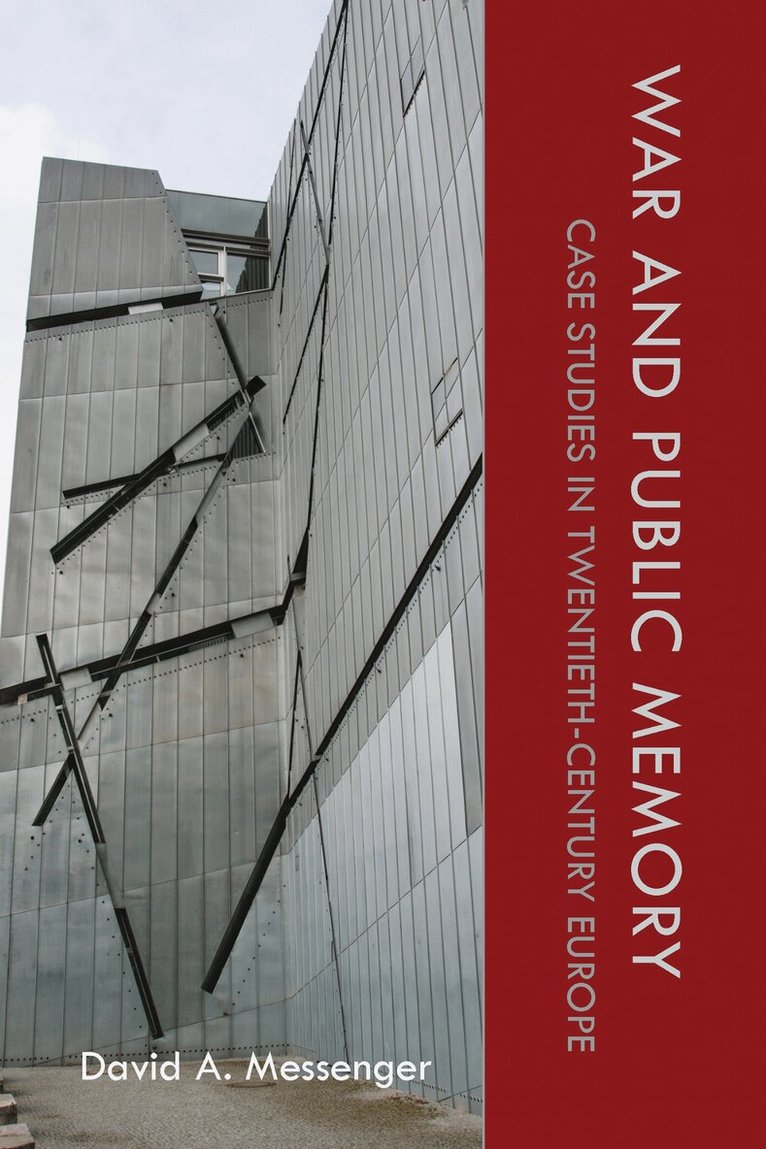
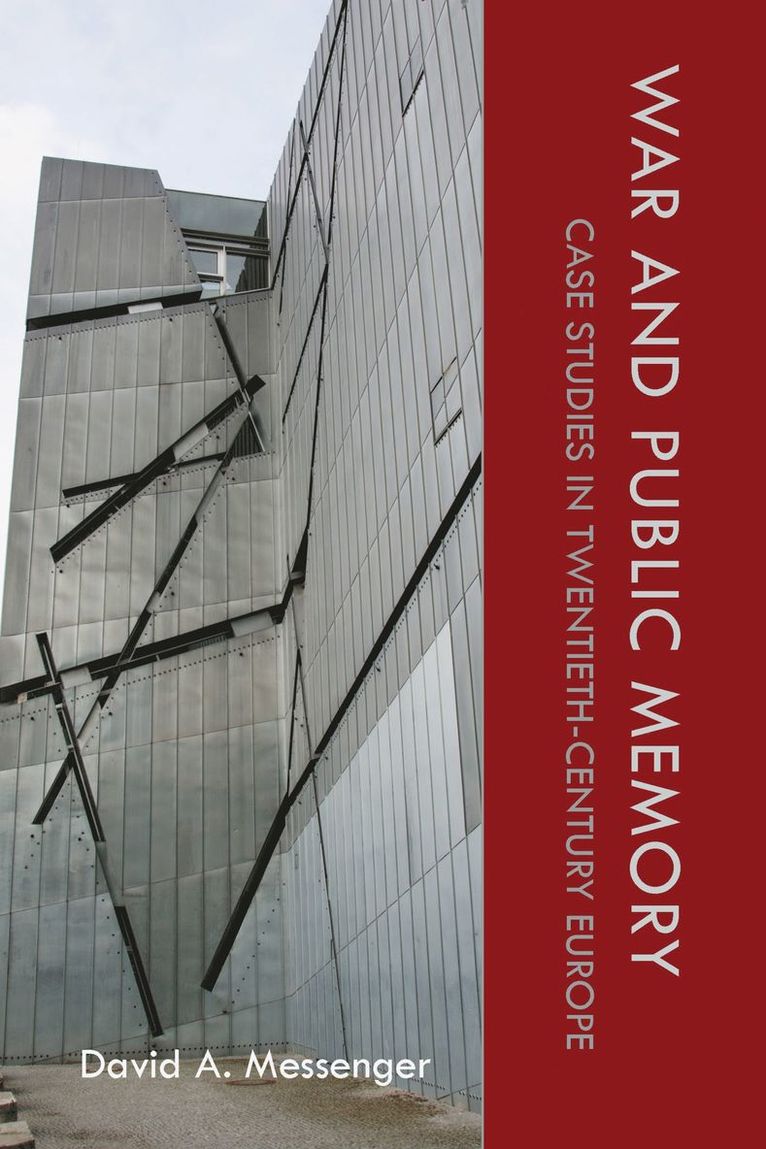
War and Public Memory
Case Studies in Twentieth-Century Europe
Häftad, 2020
455 kr
Lägg i varukorg
An introduction to key issues in the study of war and memory that examines significant conflicts in twentieth-century Europe. David A. Messenger argues that in order to understand the history of twentieth-century Europe, we must first appreciate and accept how different societies and cultures …
War and Public Memory
Case Studies in Twentieth-Century Europe
E-bok, 2020
780 kr
Lägg i varukorg
An introduction to key issues in the study of war and memory that examines significant conflicts in twentieth-century Europe In order to understand the history of twentieth-century Europe, we must first appreciate and accept how different societies and cultures remember their national conflicts. We …
Civilian Bombing and Civil Defence in the Spanish Civil War
Bombs Along the Mediterranean
Inbunden, 2026
456 kr
Lägg i varukorg
This book explores the impact of the bombing of civilians during the Spanish Civil War. The Civil War has long been recognized as bringing together the political, social and other elements key to understanding the 1930s in Europe and later, the Second World War. It was a conflict involving fascism, …
Civilian Bombing and Civil Defence in the Spanish Civil War
Bombs Along the Mediterranean
E-bok, 2026
588 kr
Lägg i varukorg
This book explores the impact of the bombing of civilians during the Spanish Civil War. The Civil War has long been recognized as bringing together the political, social and other elements key to understanding the 1930s in Europe and later, the Second World War. It was a conflict involving fascism, …
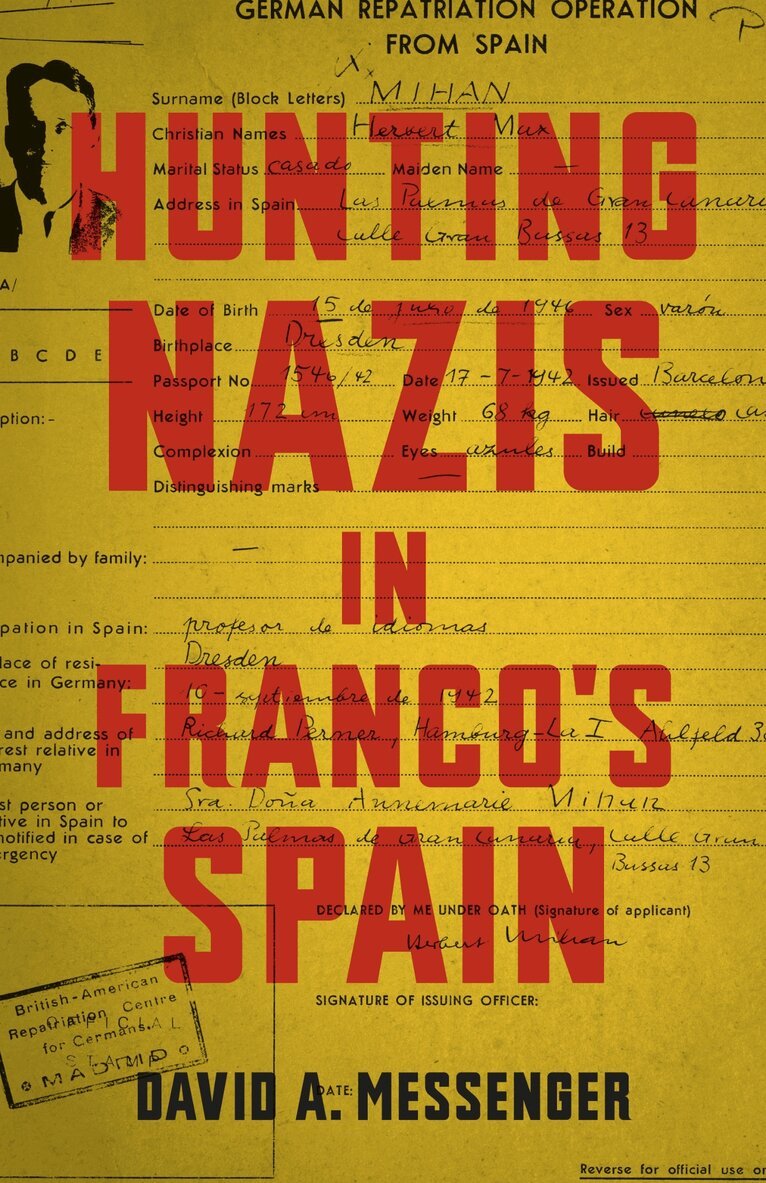
Hunting Nazis in Franco's Spain
Inbunden, 2014
468 kr
Tillfälligt slut
In the waning days and immediate aftermath of World War II, Nazi diplomats and spies based in Spain decided to stay rather than return to a defeated Germany. The decidedly pro-German dictatorship of General Francisco Franco gave them refuge and welcomed other officials and agents from the Third …
War and Public Memory
Case Studies in Twentieth-Century Europe
Inbunden, 2020
929 kr
Tillfälligt slut
An introduction to key issues in the study of war and memory that examines significant conflicts in twentieth-century Europe. David A. Messenger argues that in order to understand the history of twentieth-century Europe, we must first appreciate and accept how different societies and cultures …
L'Espagne Republicaine
French Policy and Spanish Republicanism in Liberated France
Inbunden, 2008
1957 kr
Tillfälligt slut
This work examines the Spanish question in the context of post-war French politics and foreign policy, in particular during the period 1943-1946. The war had been fought against authoritarian fascism, yet Francisco Franco and his regime remained in power. Spanish Republican refugees in France were …