David A. Zimmerman – författare
Visar alla böcker från författaren David A. Zimmerman. Handla med fri frakt och snabb leverans.
6 produkter
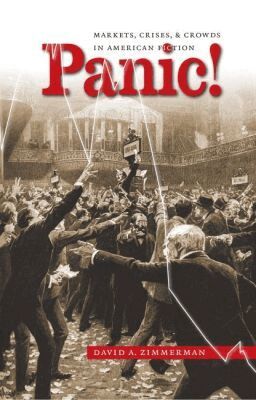
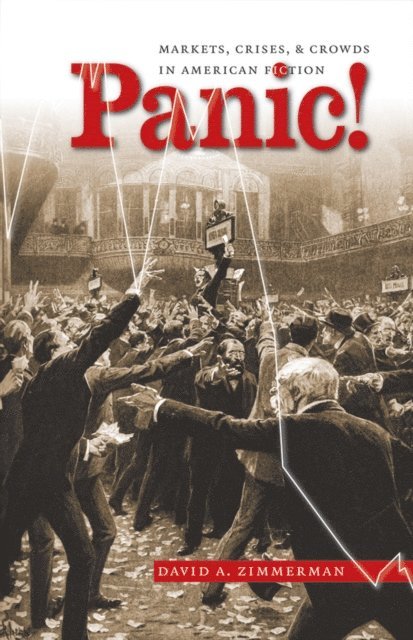
Panic!
Markets, Crises, and Crowds in American Fiction
Häftad, 2006
526 kr
Lägg i varukorg
During the economic depression of the 1890s and the speculative frenzy of the following decade, Wall Street, high finance, and market crises assumed unprecedented visibility in the United States. Fiction writers published scores of novels that explored this new cultural phenomenon. In ""Panic!"", …
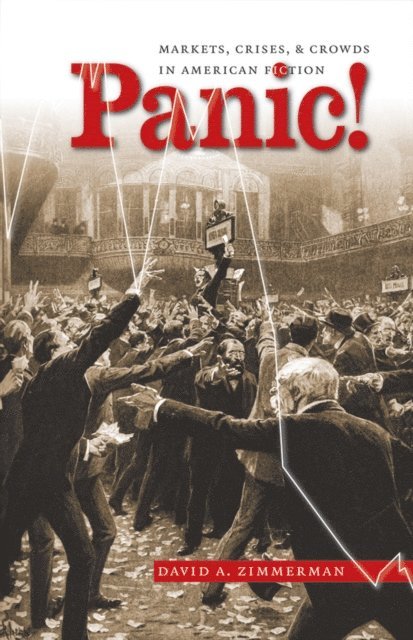
Panic!
Markets, Crises, and Crowds in American Fiction
E-bok, 2006
438 kr
Lägg i varukorg
During the economic depression of the 1890s and the speculative frenzy of the following decade, Wall Street, high finance, and market crises assumed unprecedented visibility in the United States. Fiction writers published scores of novels in the period that explored this new cultural phenomenon. In …
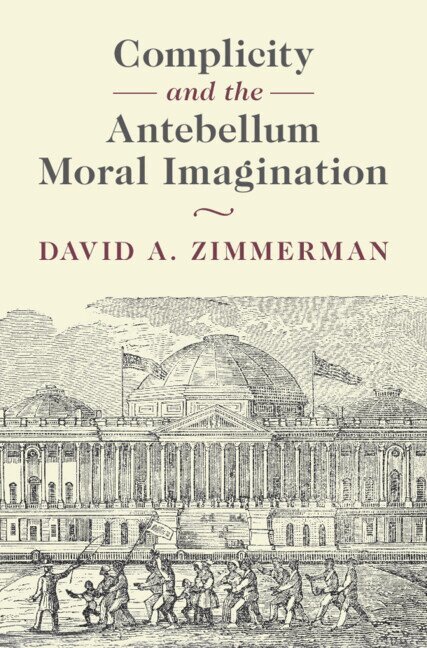
Complicity and the Antebellum Moral Imagination
Inbunden, 2026
1797 kr
Lägg i varukorg
By what routes and on what grounds do moral blame and shame for social wrongs fall on individuals, groups, and institutions? To answer this question is necessarily to excite the moral imagination, to envision our moral connection to social, economic, and political harms that may appear remote or …
Panic!
Markets, Crises, and Crowds in American Fiction
E-bok, 2006
417 kr
Lägg i varukorg
During the economic depression of the 1890s and the speculative frenzy of the following decade, Wall Street, high finance, and market crises assumed unprecedented visibility in the United States. Fiction writers published scores of novels in the period that explored this new cultural phenomenon. In …