David Andrew Nichols – författare
Visar alla böcker från författaren David Andrew Nichols. Handla med fri frakt och snabb leverans.
9 produkter
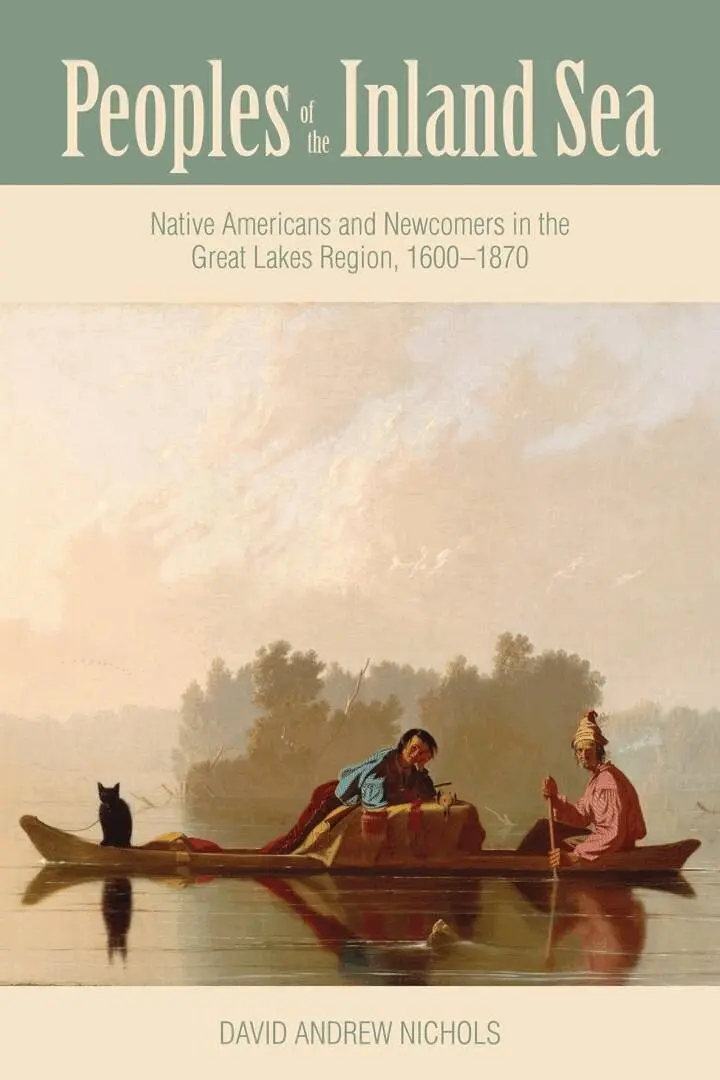
Peoples of the Inland Sea
Native Americans and Newcomers in the Great Lakes Region, 1600–1870
Häftad, 2018
361 kr
Lägg i varukorg
Diverse in their languages and customs, the Native American peoples of the Great Lakes region—the Miamis, Ho-Chunks, Potawatomis, Ojibwas, and many others—shared a tumultuous history. In the colonial era their rich homeland became a target of imperial ambition and an invasion zone for European …
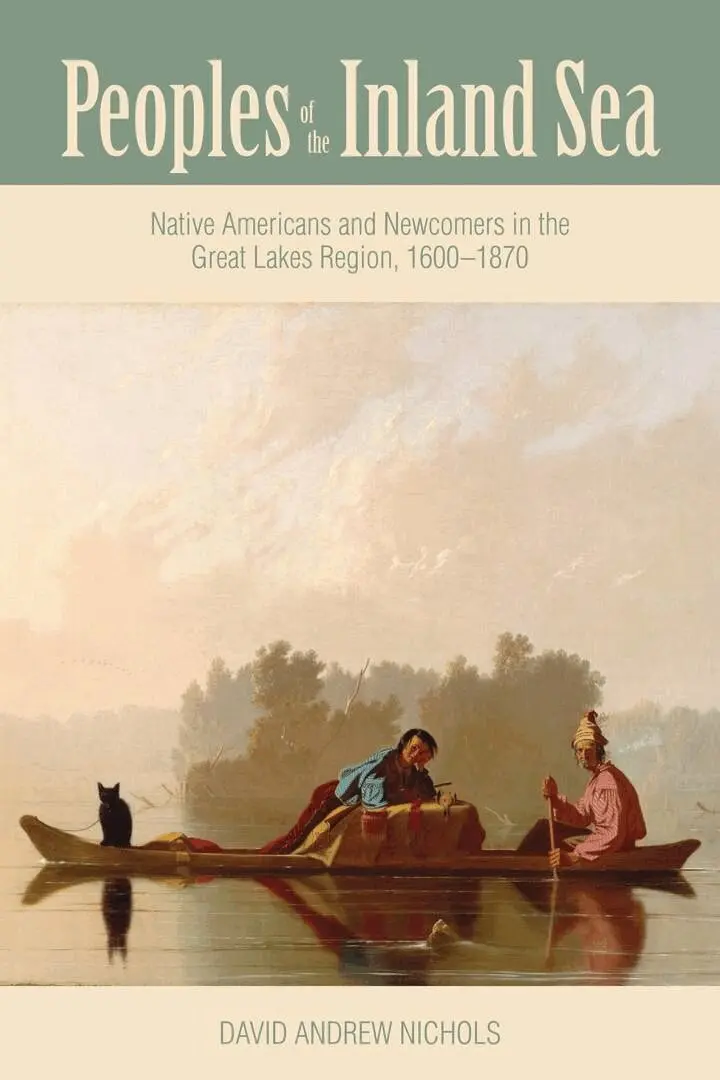
Peoples of the Inland Sea
Native Americans and Newcomers in the Great Lakes Region, 1600–1870
E-bok, 2018
588 kr
Lägg i varukorg
Diverse in their languages and customs, the Native American peoples of the Great Lakes region—the Miamis, Ho-Chunks, Potawatomis, Ojibwas, and many others—shared a tumultuous history. In the colonial era their rich homeland became a target of imperial ambition and an invasion zone for European …
Engines of Diplomacy
Indian Trading Factories and the Negotiation of American Empire
Häftad, 2016
458 kr
Lägg i varukorg
As a fledgling republic, the United States implemented a series of trading outposts to engage indigenous peoples and to expand American interests west of the Appalachian Mountains. Under the authority of the executive branch, this Indian factory system was designed to strengthen economic ties …
Engines of Diplomacy
Indian Trading Factories and the Negotiation of American Empire
E-bok, 2016
1123 kr
Lägg i varukorg
As a fledgling republic, the United States implemented a series of trading outposts to engage indigenous peoples and to expand American interests west of the Appalachian Mountains. Under the authority of the executive branch, this Indian factory system was designed to strengthen economic ties …
Engines of Diplomacy
Indian Trading Factories and the Negotiation of American Empire
Inbunden, 2016
1229 kr
Lägg i varukorg
As a fledgling republic, the United States implemented a series of trading outposts to engage indigenous peoples and to expand American interests west of the Appalachian Mountains. Under the authority of the executive branch, this Indian factory system was designed to strengthen economic ties …
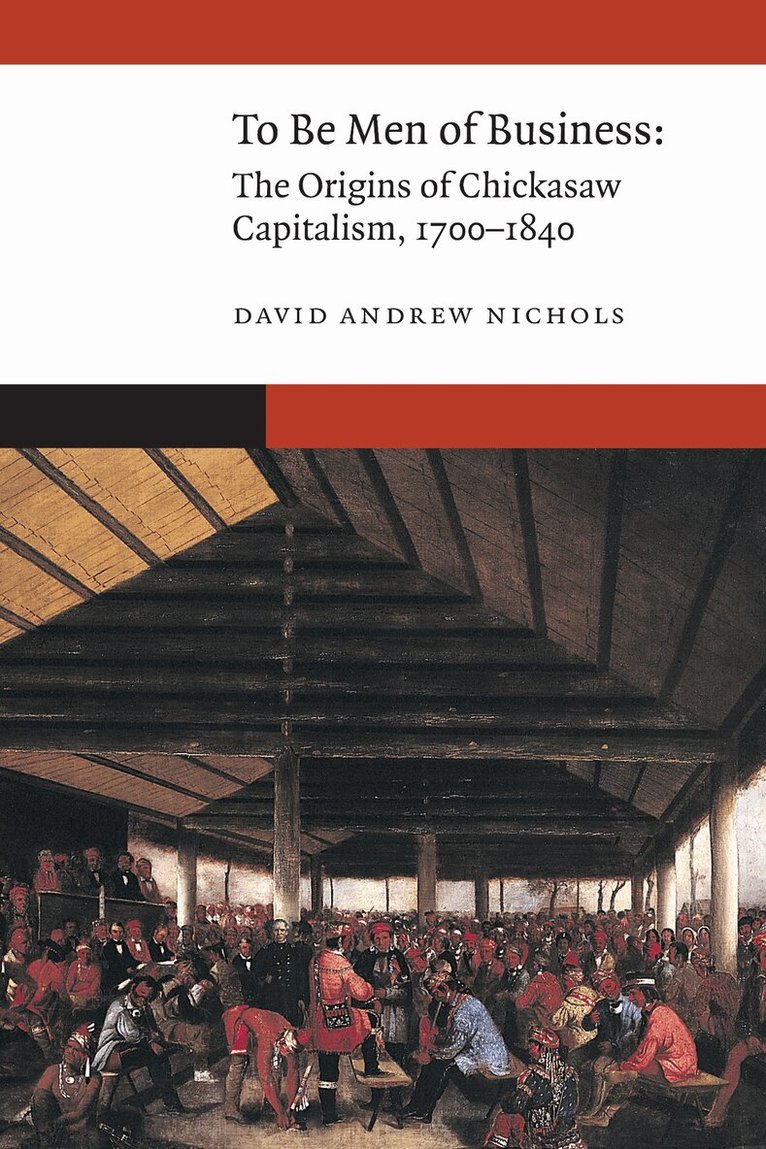
To Be Men of Business
The Origins of Chickasaw Capitalism, 1700–1840
Inbunden, 2026
764 kr
Lägg i varukorg
Capitalism during the American colonial era was an economic system known primarily for dispossessing and exploiting Indigenous peoples. Some Indigenous nations, however, learned to use its primary features—wealth accumulation, private investment, and a globalized marketplace—to strengthen their …
Engines of Diplomacy
Indian Trading Factories and the Negotiation of American Empire
E-bok, 2016
252 kr
Lägg i varukorg
As a fledgling republic, the United States implemented a series of trading outposts to engage indigenous peoples and to expand American interests west of the Appalachian Mountains. Under the authority of the executive branch, this Indian factory system was designed to strengthen economic ties …
Engines of Diplomacy
Indian Trading Factories and the Negotiation of American Empire
E-bok, 2016
870 kr
Lägg i varukorg
As a fledgling republic, the United States implemented a series of trading outposts to engage indigenous peoples and to expand American interests west of the Appalachian Mountains. Under the authority of the executive branch, this Indian factory system was designed to strengthen economic ties …
Red Gentlemen and White Savages
Indians, Federalists, and the Search for Order on the American Frontier
Inbunden, 2008
598 kr
Tillfälligt slut
Red Gentlemen and White Savages argues that after the devastation of the American Revolutionary War, the main concern of Federalist and Indian leaders was not the transfer of land, but the restoration of social order on the frontier. Nichols focuses on the 'middle ground' of Indian treaty …