David Assaf – författare
Visar alla böcker från författaren David Assaf. Handla med fri frakt och snabb leverans.
8 produkter
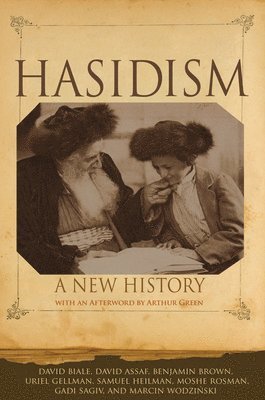
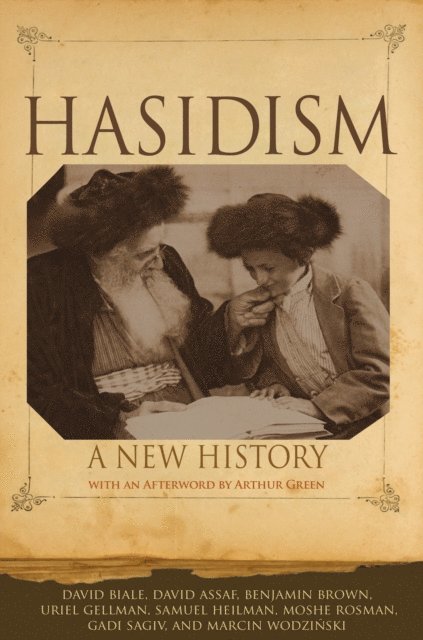
Hasidism
A New History
Av David Biale, David Assaf m. fl.
Inbunden, 2017
5,0 utav 5 stjärnor. Totalt antal röster: (1)
869 kr
Lägg i varukorg
The first comprehensive history of the pietistic movement that shaped modern Judaism This is the first comprehensive history of the pietistic movement that shaped modern Judaism. The book's unique blend of intellectual, religious, and social history offers perspectives on the movement's leaders as …
Hasidism
A New History
Av David Biale, David Assaf m. fl.
Häftad, 2020
4,0 utav 5 stjärnor. Totalt antal röster: (1)
392 kr
Lägg i varukorg
A must-read book for understanding this vibrant and influential modern Jewish movementHasidism originated in southeastern Poland, in mystical circles centered on the figure of Israel Ba’al Shem Tov, but it was only after his death in 1760 that a movement began to spread. Today, Hasidism is …
Regal Way
The Life and Times of Rabbi Israel of Ruzhin
Av David Assaf
Inbunden, 2002
1133 kr
Lägg i varukorg
This is a pioneering study of the nineteenth century Hasidic movement as shown through the life of one of the most controversial and influential Hasidic leaders, Rabbi Israel Friedman of Ruzhin (1796-1850). The dramatic episodes of his life—including his involvement in the murder of Jewish …
Regal Way
The Life and Times of Rabbi Israel of Ruzhin
Av David Assaf
E-bok, 2002
1305 kr
Lägg i varukorg
This is a pioneering study of the nineteenth century Hasidic movement as shown through the life of one of the most controversial and influential Hasidic leaders, Rabbi Israel Friedman of Ruzhin (1796-1850). The dramatic episodes of his life—including his involvement in the murder of Jewish …
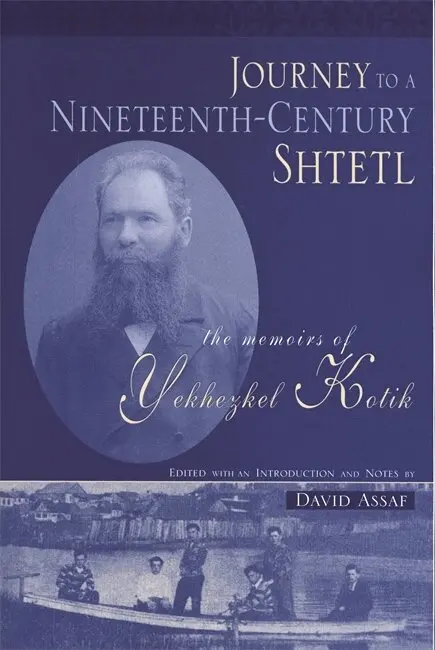
Journey to a Nineteenth-Century Shtetl
The Memoirs of Yekhezkel Kotik
Av Wayne State University Press, David Assaf
Häftad, 2008
471 kr
Lägg i varukorg
A masterpiece of modern Yiddish literature, the first volume of memoirs by Yekhezkel Kotik, translated into English and annotated.Originally published in Warsaw in 1913, this beautifully written memoir offers a panoramic description of the author's experiences growing up in Kamieniec Litewski, a …
Journey to a Nineteenth-Century Shtetl
The Memoirs of Yekhezkel Kotik
Av Yekhezkel Kotik, David Assaf
E-bok, 2008
518 kr
Lägg i varukorg
The first annotated English edition of a classic early-twentieth-century Yiddish memoir that vividly describes Jewish life in a small Eastern European town. Originally published in Warsaw in 1913, this beautifully written memoir offers a panoramic description of the author’s experiences growing up …
Hasidism
A New History
Av Marcin Wodzinski, Gadi Sagiv m. fl.
E-bok, 2017
542 kr
Lägg i varukorg
The first comprehensive history of the pietistic movement that shaped modern Judaism This is the first comprehensive history of the pietistic movement that shaped modern Judaism. The book’s unique blend of intellectual, religious, and social history offers perspectives on the movement’s leaders as …
Untold Tales of the Hasidim
Av David Assaf
Häftad, 2011
349 kr
Lägg i varukorg
This fascinating volume reveals some of the dark, dramatic episodes concealed in the folds of the hasidic cloak-shocking events and anomalous figures in the history of Hasidism. Using tools of detection, Assaf extracts historical truth from a variety of sources by examining how the same events are …