David Carr – författare
Visar alla böcker från författaren David Carr. Handla med fri frakt och snabb leverans.
101 produkter
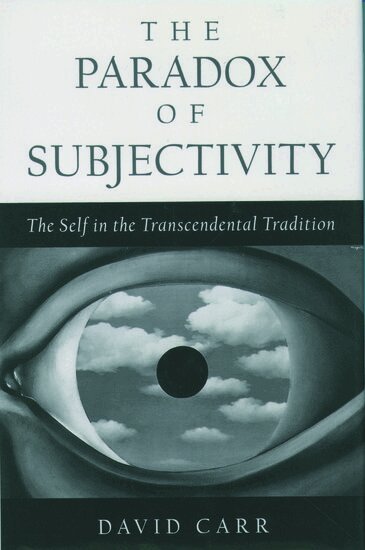
The Paradox of Subjectivity
The Self in the Transcendental Tradition
Av David Carr
Inbunden, 1999
1298 kr
Lägg i varukorg
Challenging prevailing interpretations of the development of modern philosophy, this book proposes a reinterpretation of the transcendental tradition, as represented primarily by Kant and Husserl, and counters Heidegger's influential reading of these philosophers. Author David Carr defends their …
Paradox of Subjectivity
The Self in the Transcendental Tradition
Av David Carr
E-bok, 1999
789 kr
Lägg i varukorg
Much effort in recent philosophy has been devoted to attacking the metaphysics of the subject. Identified largely with French post-structuralist thought, yet stemming primarily from the influential work of the later Heidegger, this attack has taken the form of a sweeping denunciation of the whole …
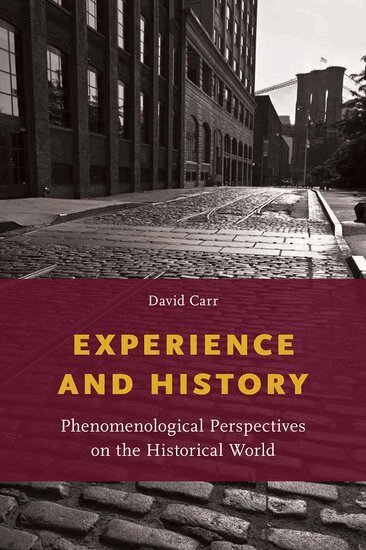
Experience and History
Phenomenological Perspectives on the Historical World
Av David Carr
Inbunden, 2014
1793 kr
Lägg i varukorg
David Carr outlines a distinctively phenomenological approach to history. Rather than asking what history is or how we know history, a phenomenology of history inquires into history as a phenomenon and into the experience of the historical. How does history present itself to us, how does it enter …
Experience and History
Phenomenological Perspectives on the Historical World
Av David Carr
E-bok, 2014
1137 kr
Lägg i varukorg
David Carr outlines a distinctively phenomenological approach to history. Rather than asking what history is or how we know history, a phenomenology of history inquires into history as a phenomenon and into the experience of the historical. How does history present itself to us, how does it enter …
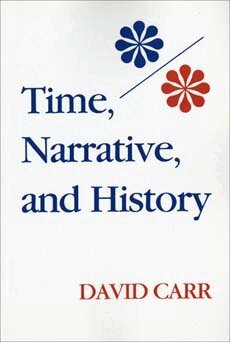
Time, Narrative, and History
Av David Carr
Häftad, 1991
219 kr
Lägg i varukorg
"For description and defense of the narrative configurations of everyday life, and of the practical and social character of those narratives, there is no better treatment than Time, Narrative, and History. . . . a clear, judicious, and truthful account, provocative from beginning to end." —Journal …
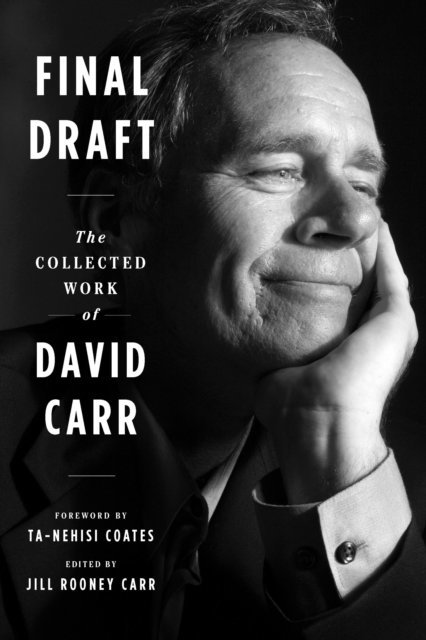
Final Draft
The Collected Work of David Carr
Av David Carr, Jill Rooney Carr
E-bok, 2020
98 kr
Lägg i varukorg
"A revelatory collection reminding us of what journalism used to be—and what it ought to be." —Kirkus Reviews (starred review)Throughout his twenty-five-year career, David Carr was noted for his sharp and fearless observations, his uncanny sense of fairness and justice, and his remarkable …
Final Draft
The Collected Work of David Carr
Av David Carr, Jill Rooney Carr
Häftad, 2021
187 kr
Lägg i varukorg
A career-spanning selection of the legendary reporter David Carr’s writing for the New York Times, Washington City Paper, New York Magazine, the Atlantic, and more. Throughout his 25-year career, David Carr was noted for his sharp and fearless observations, his uncanny sense of fairness and …
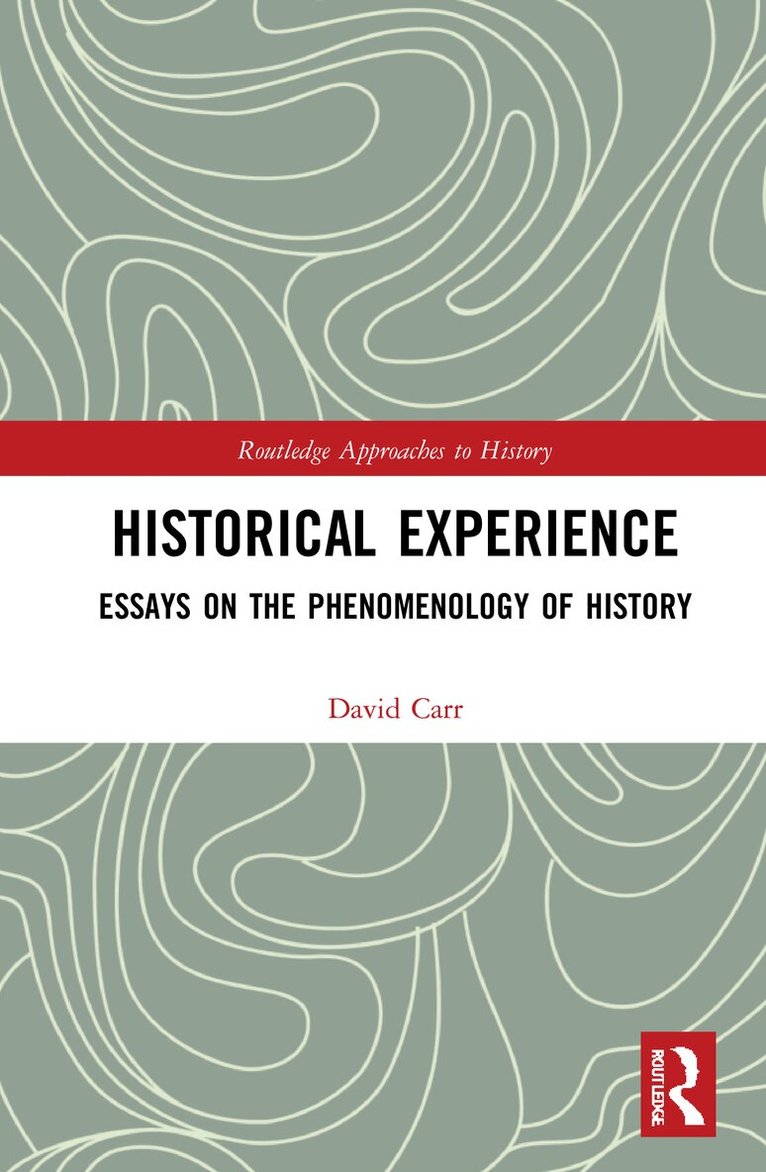
Historical Experience
Essays on the Phenomenology of History
Av David Carr
Inbunden, 2021
2134 kr
Lägg i varukorg
This volume brings together a collection of recent essays on the philosophy and theory of history.This is a field of lively interdisciplinary discussion and research, to which historians, philosophers and theorists of culture and literature have contributed. The author is a philosopher by training, …
Cultivating Moral Character and Virtue in Professional Practice
Av David Carr
Häftad, 2020
692 kr
Lägg i varukorg
Cultivating Moral Character and Virtue in Professional Practice is a pioneering collection of essays focused on the place of character and virtue in professional practice. Professional practices usually have codes of conduct designed to ensure good conduct; but while such codes may be necessary and …
Historical Experience
Essays on the Phenomenology of History
Av David Carr
Häftad, 2022
706 kr
Lägg i varukorg
This volume brings together a collection of recent essays on the philosophy and theory of history.This is a field of lively interdisciplinary discussion and research, to which historians, philosophers and theorists of culture and literature have contributed. The author is a philosopher by training, …
Education, Knowledge and Truth
Beyond the Postmodern Impasse
Av David Carr
Inbunden, 1998
2980 kr
Lägg i varukorg
This collection aims to explore different conceptions of epistemological inquiry and their influence on pedagogy and the curricular content of primary and secondary education. It is arguable that curriculum policy makers have continued to subscribe to a foundationalist paradigm of rational …
Virtue Ethics and Moral Education
Inbunden, 1999
2513 kr
Lägg i varukorg
This collection of original essays on virtue ethics and moral education seeks to fill this gap in the recent literature of moral education, combining broader analyses with detailed coverage of:* the varieties of virtue* weakness and integrity* relativism and rival traditions* means and methods of …
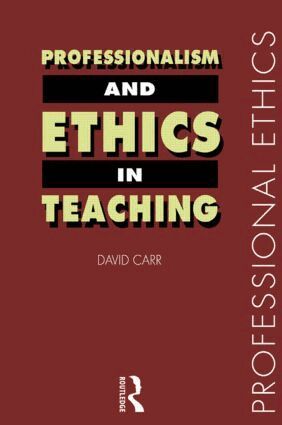
Professionalism and Ethics in Teaching
Av David Carr
Inbunden, 1999
2513 kr
Lägg i varukorg
Professionalism and Ethics in Teaching presents a thought-provoking and stimulating study of the moral dimensions of the teaching professions.After discussing the moral implications of professionalism, Carr explores the relationship of education theory to teaching practice and the impact of this …
Professionalism and Ethics in Teaching
Av David Carr
Häftad, 1999
735 kr
Lägg i varukorg
Professionalism and Ethics in Teaching presents a thought-provoking and stimulating study of the moral dimensions of the teaching professions.After discussing the moral implications of professionalism, Carr explores the relationship of education theory to teaching practice and the impact of this …
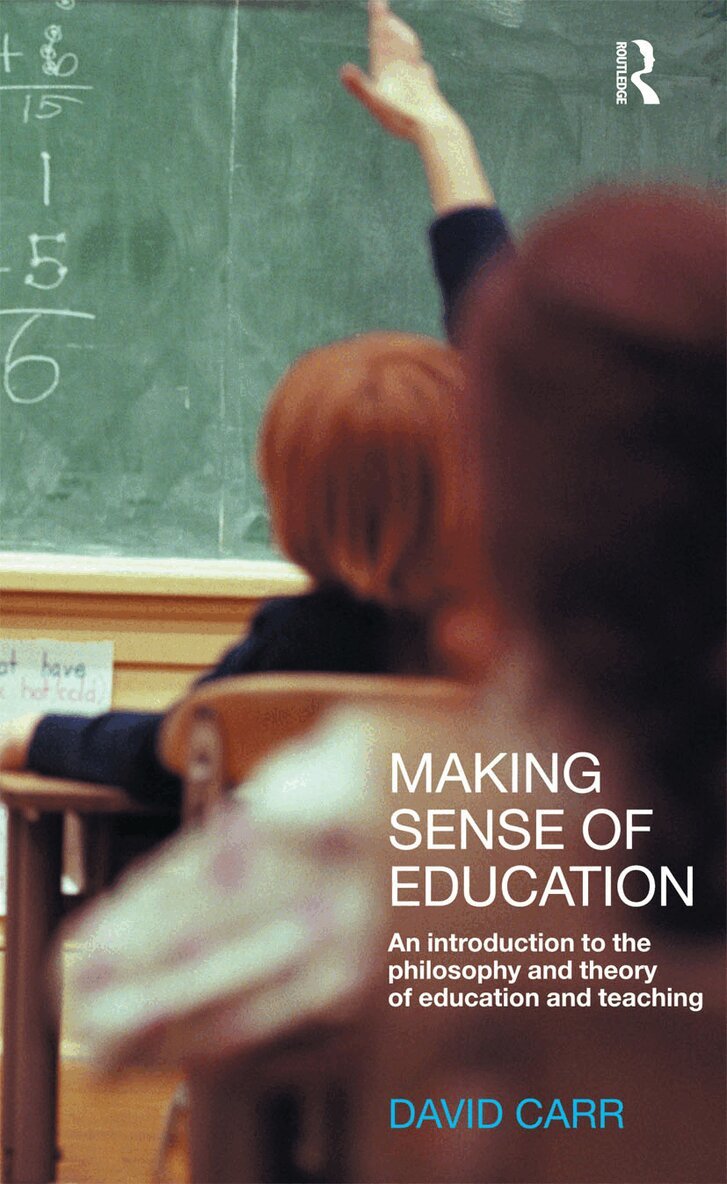
Making Sense of Education
An Introduction to the Philosophy and Theory of Education and Teaching
Av David Carr
Häftad, 2002
601 kr
Lägg i varukorg
Making Sense of Education provides a contemporary introduction to the key issues in educational philosophy and theory. Exploring major past and present conceptions of education, teaching and learning, this book makes philosophy of education relevant to the professional practice of teachers and …
Making Sense of Education
An Introduction to the Philosophy and Theory of Education and Teaching
Av David Carr
Inbunden, 2002
2980 kr
Lägg i varukorg
Making Sense of Education provides a contemporary introduction to the key issues in educational philosophy and theory. Exploring major past and present conceptions of education, teaching and learning, this book makes philosophy of education relevant to the professional practice of teachers and …
Spirituality, Philosophy and Education
Inbunden, 2003
2668 kr
Lägg i varukorg
The possibilities and importance of a spiritual dimension to education are subjects receiving increased consideration from educational practitioners, policymakers and philosophers. Spirituality, Philosophy and Education brings together contributions to the debate by a team of renowned philosophers …
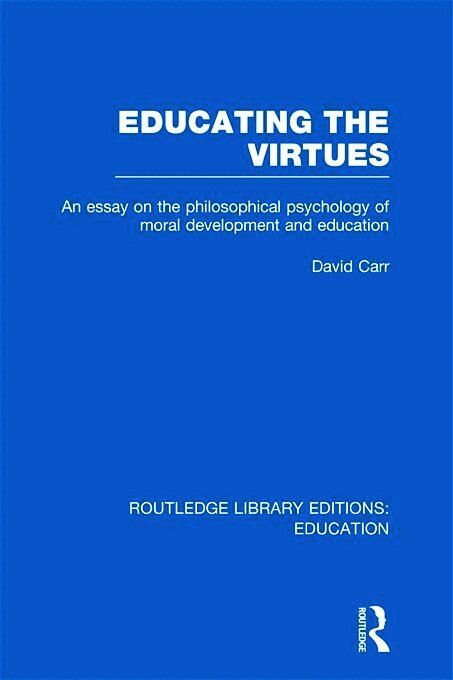
Educating the Virtues (RLE Edu K)
An Essay on the Philosophical Psychology of Moral Development and Education
Av David Carr
Inbunden, 2011
2980 kr
Lägg i varukorg
Tracing the views on moral life of such past philosophers as Plato, Aristotle and Kant, as well as of such theorists as Durkheim, Freud, Piaget and Kohlberg, the author sets forth a full discussion of the nature and educational implications of the idea of moral virtue.
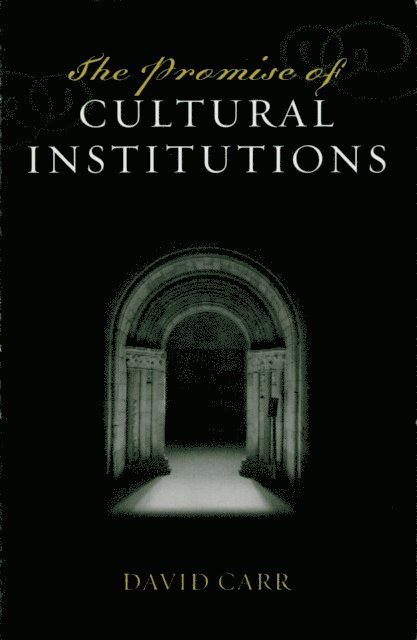
Promise of Cultural Institutions
Av David Carr
E-bok, 2004
655 kr
Lägg i varukorg
This thought-provoking collection of essays is essential reading for anyone who cares about cultural institutions and their role in the community of learners. These institutions-often museums or libraries-have the power to profoundly alter our sense of ourselves and of the world around us, but that …
Night of the Gun
A reporter investigates the darkest story of his life. His own.
Av David Carr
Ljudbok, 2008
454 kr
Lägg i varukorg
From David Carr (1956–2015), the “undeniably brilliant and dogged journalist” ( Entertainment Weekly ) and author of the instant New York Times bestseller that the Chicago Sun-Times called “a compelling tale of drug abuse, despair, and, finally, hope.” Do we remember only the stories we can live …
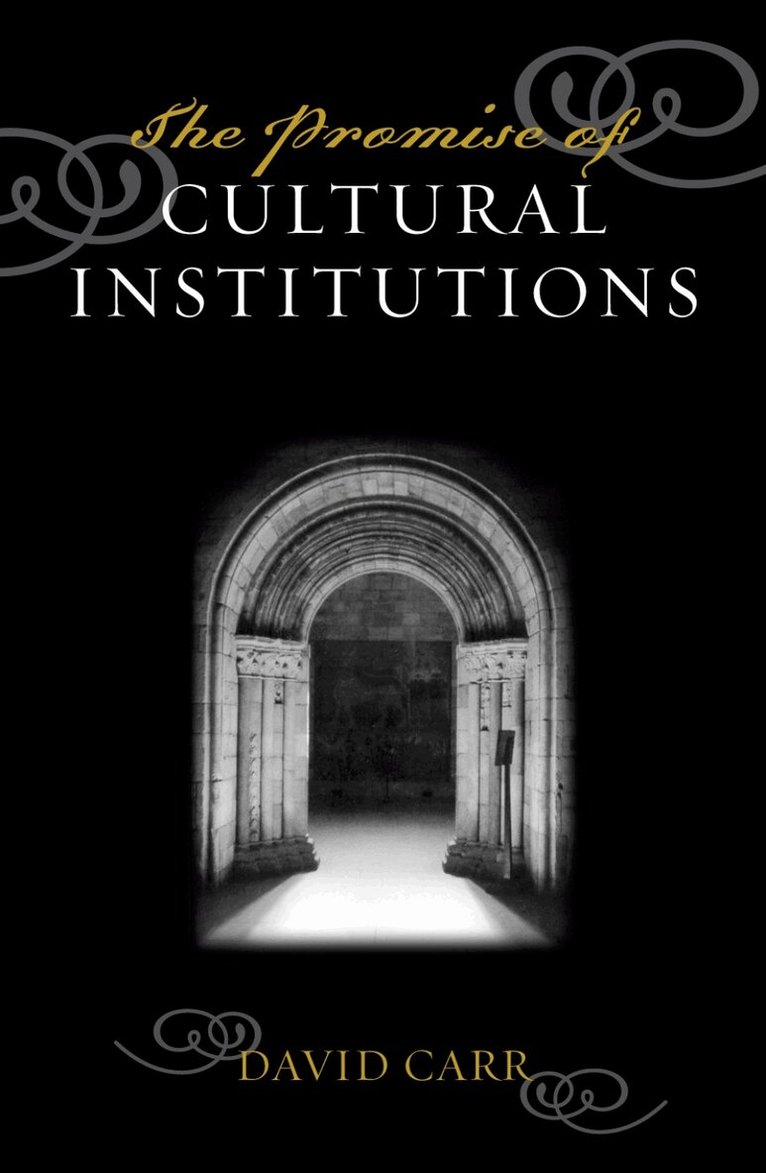
Promise of Cultural Institutions
Av David Carr
Häftad, 2003
601 kr
Lägg i varukorg
This thought-provoking collection of essays is essential reading for anyone who cares about cultural institutions and their role in the community of learners. These institutions—often museums or libraries—have the power to profoundly alter our sense of ourselves and of the world around us, but that …
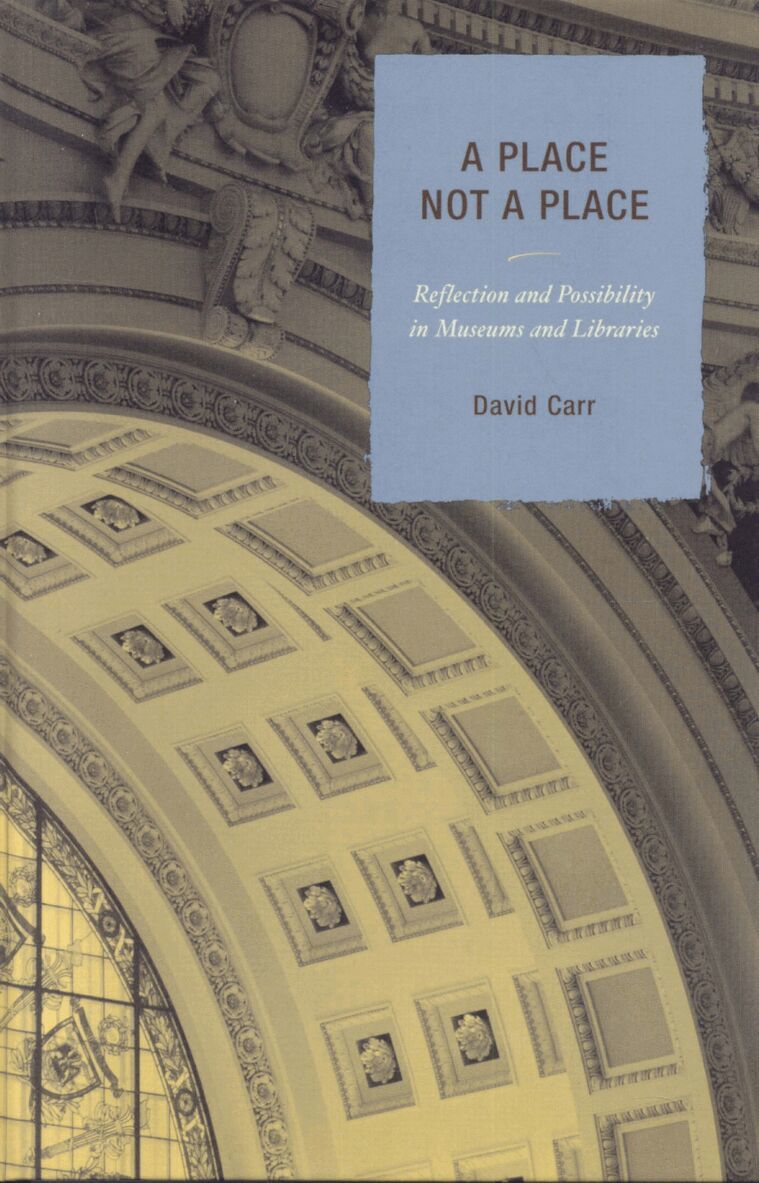
Place Not a Place
Reflection and Possibility in Museums and Libraries
Av David Carr
Inbunden, 2006
1562 kr
Lägg i varukorg
Museums and libraries inspire us to cross the limits of routine thought, into experiences of reflection and possibility. Each of the essays in A Place Not a Place examines the ways these and other cultural institutions influence us and proposes ways to strengthen their role as advocates for …
Place Not a Place
Reflection and Possibility in Museums and Libraries
Av David Carr
Häftad, 2006
601 kr
Lägg i varukorg
Museums and libraries inspire us to cross the limits of routine thought, into experiences of reflection and possibility. Each of the essays in A Place Not a Place examines the ways these and other cultural institutions influence us and proposes ways to strengthen their role as advocates for …
Place Not a Place
Reflection and Possibility in Museums and Libraries
Av David Carr
E-bok, 2006
674 kr
Lägg i varukorg
Museums and libraries inspire us to cross the limits of routine thought, into experiences of reflection and possibility. Each of the essays in A Place Not a Place examines the ways these and other cultural institutions influence us and proposes ways to strengthen their role as advocates for …
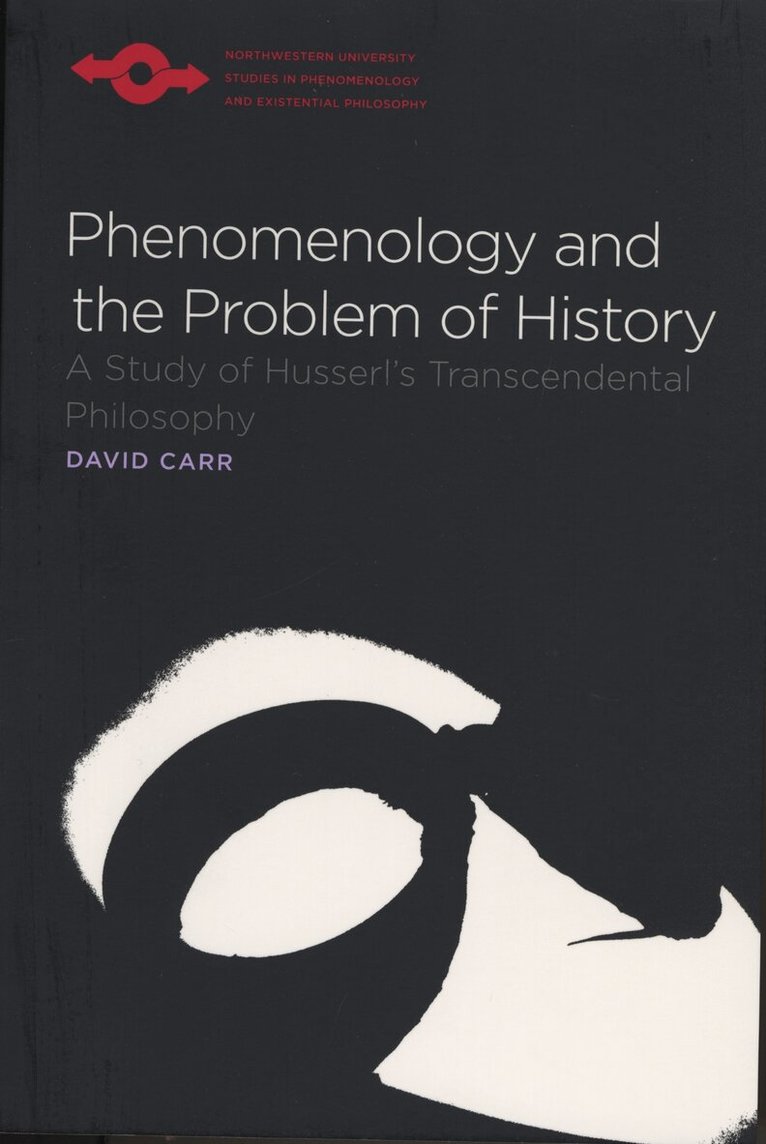
Phenomenology and the Problem of History
A Study of Husserl's Transcendental Philosophy
Av David Carr
Häftad, 2009
266 kr
Lägg i varukorg
Examines the paradox between Husserl's transcendental philosophy and his later historicist theory. Rejecting the arguments of earlier critics, this book proposes a model of the transcendental philosopher who balances historical reduction with a strict mind of historical context.
Perspectives on Gratitude
An interdisciplinary approach
Av David Carr
Häftad, 2017
832 kr
Lägg i varukorg
Psychologists, philosophers, theologians and educationalists have all lately explored various conceptual, moral, psychological and pedagogical dimensions of gratitude in a rapidly expanding academic and popular literature. However, while the distinguished contributors to this work hail from these …
Historical Experience
Essays on the Phenomenology of History
Av David Carr
E-bok, 2021
745 kr
Lägg i varukorg
This volume brings together a collection of recent essays on the philosophy and theory of history. This is a field of lively interdisciplinary discussion and research, to which historians, philosophers and theorists of culture and literature have contributed. The author is a philosopher by …