David J. Collins, S. J. - Böcker
Visar alla böcker från författaren David J. Collins, S. J.. Handla med fri frakt och snabb leverans.
5 produkter
5 produkter
353 kr
Skickas inom 7-10 vardagar
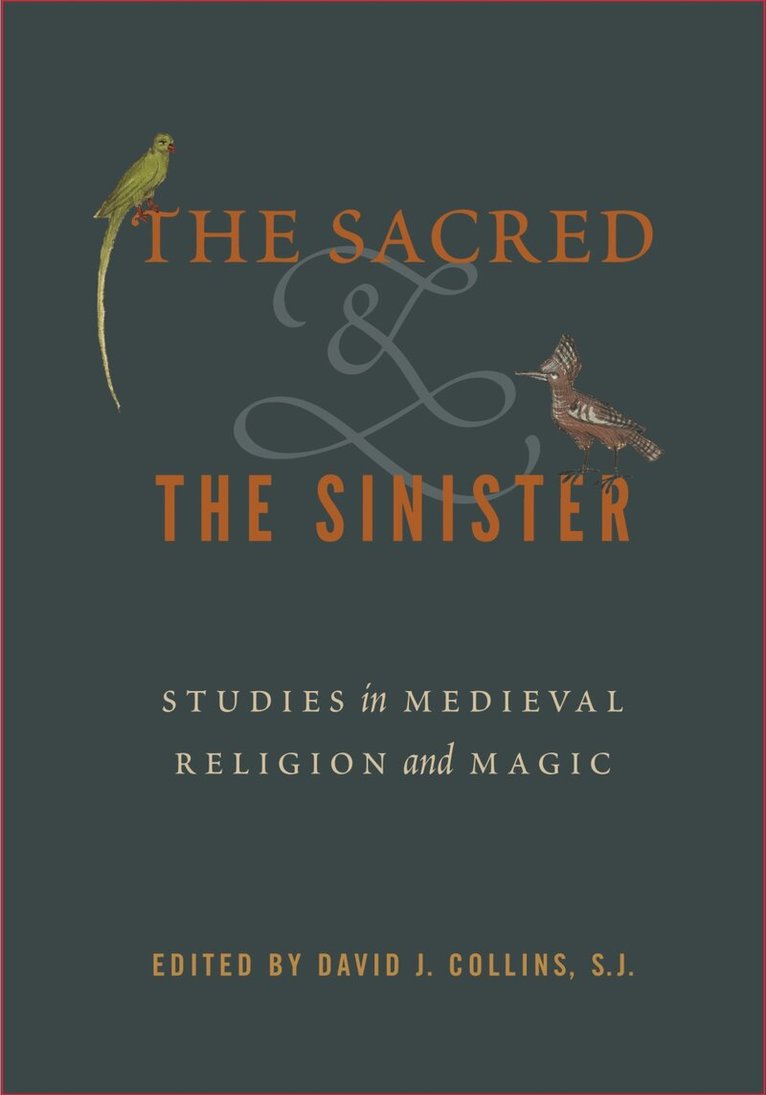
Inspired by the work of eminent scholar Richard Kieckhefer, The Sacred and the Sinister explores the ambiguities that made (and make) medieval religion and magic so difficult to differentiate. The essays in this collection investigate how the holy and unholy were distinguished in medieval Europe, where their characteristics diverged, and the implications of that deviation.In the Middle Ages, the natural world was understood as divinely created and infused with mysterious power. This world was accessible to human knowledge and susceptible to human manipulation through three modes of engagement: religion, magic, and science. How these ways of understanding developed in light of modern notions of rationality is an important element of ongoing scholarly conversation. As Kieckhefer has emphasized, ambiguity and ambivalence characterize medieval understandings of the divine and demonic powers at work in the world. The ten chapters in this volume focus on four main aspects of this assertion: the cult of the saints, contested devotional relationships and practices, unsettled judgments between magic and religion, and inconclusive distinctions between magic and science.Freshly insightful, this study of ambiguity between magic and religion will be of special interest to scholars in the fields of medieval studies, religious studies, European history, and the history of science.In addition to the editor, the contributors to this volume are Michael D. Bailey, Kristi Woodward Bain, Maeve B. Callan, Elizabeth Casteen, Claire Fanger, Sean L. Field, Anne M. Koenig, Katelyn Mesler, and Sophie Page.
488 kr
Skickas inom 7-10 vardagar
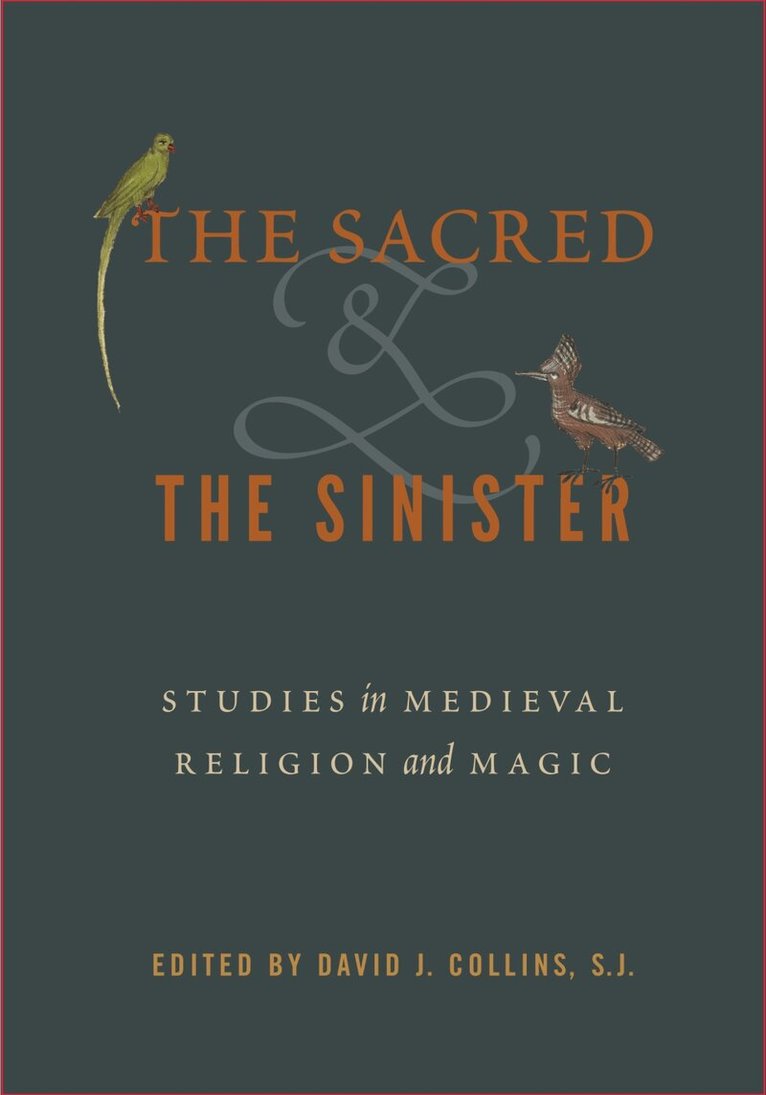
Inspired by the work of eminent scholar Richard Kieckhefer, The Sacred and the Sinister explores the ambiguities that made (and make) medieval religion and magic so difficult to differentiate. The essays in this collection investigate how the holy and unholy were distinguished in medieval Europe, where their characteristics diverged, and the implications of that deviation.In the Middle Ages, the natural world was understood as divinely created and infused with mysterious power. This world was accessible to human knowledge and susceptible to human manipulation through three modes of engagement: religion, magic, and science. How these ways of understanding developed in light of modern notions of rationality is an important element of ongoing scholarly conversation. As Kieckhefer has emphasized, ambiguity and ambivalence characterize medieval understandings of the divine and demonic powers at work in the world. The ten chapters in this volume focus on four main aspects of this assertion: the cult of the saints, contested devotional relationships and practices, unsettled judgments between magic and religion, and inconclusive distinctions between magic and science.Freshly insightful, this study of ambiguity between magic and religion will be of special interest to scholars in the fields of medieval studies, religious studies, European history, and the history of science.In addition to the editor, the contributors to this volume are Michael D. Bailey, Kristi Woodward Bain, Maeve B. Callan, Elizabeth Casteen, Claire Fanger, Sean L. Field, Anne M. Koenig, Katelyn Mesler, and Sophie Page.
583 kr
Skickas inom 7-10 vardagar
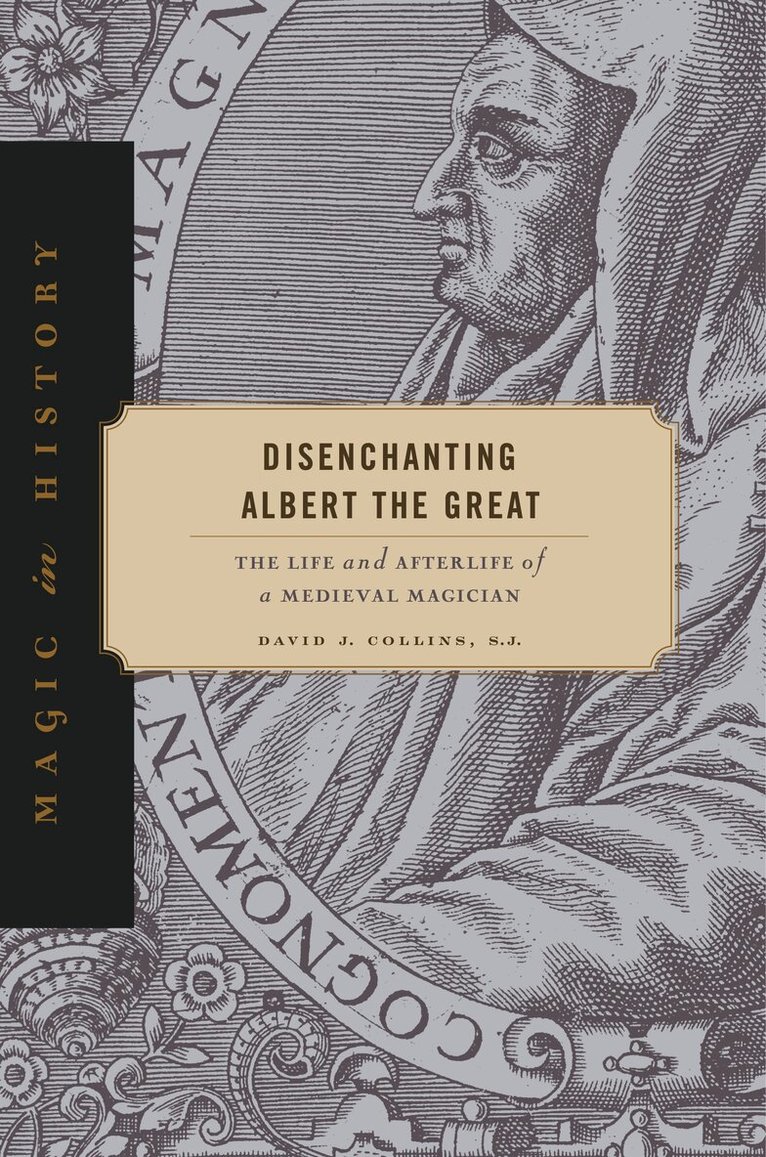
Albert the Great (1200–1280) was a prominent Dominican friar, a leading philosopher, and the teacher of Thomas Aquinas. He also endorsed the use of magic. Controversial though that stance would have been, Albert was never punished or repudiated for what he wrote. Albert’s reception followed instead a markedly different course, leading ultimately to his canonization by the Catholic Church in 1931. But his thoughts about magic have been debated for centuries. Disenchanting Albert the Great takes Albert’s contested reputation as a case study for the long and complex history surrounding the concept of magic and magic’s relationship to science and religion. Over the centuries, Albert was celebrated for his magic, or it was explained away—but he was never condemned. In the fifteenth century, members of learned circles first attempted to distance Albert from magic, with the goal of exonerating him of superstition, irrationality, and immorality. Disenchanting Albert the Great discusses the philosopher’s own understanding of magic; an early, adulatory phase of his reputation as a magician; and the three primary strategies used to exonerate Albert over the centuries. In the end, Disenchanting Albert the Great tells the story of a thirteenth-century scholar who worked to disenchant the natural world with his ideas about magic but who himself would not be disenchanted until the modern era. This accessible and insightful history will appeal to those interested in Albert the Great, Catholic Church history, the history of magic, and Western understandings of the natural and the rational over time.
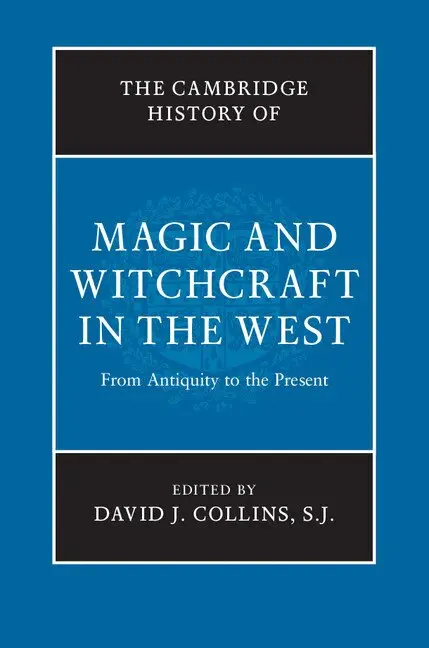
The Cambridge History of Magic and Witchcraft in the West
From Antiquity to the Present
Inbunden, Engelska, 2015
2 162 kr
Tillfälligt slut
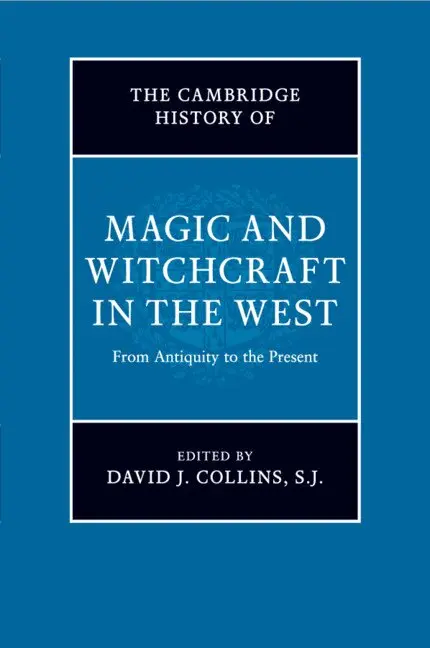
This book presents twenty chapters by experts in their fields, providing a thorough and interdisciplinary overview of the theory and practice of magic in the West. Its chronological scope extends from the Ancient Near East to twenty-first-century North America; its objects of analysis range from Persian curse tablets to US neo-paganism. For comparative purposes, the volume includes chapters on developments in the Jewish and Muslim worlds, evaluated not simply for what they contributed at various points to European notions of magic, but also as models of alternative development in ancient Mediterranean legacy. Similarly, the volume highlights the transformative and challenging encounters of Europeans with non-Europeans, regarding the practice of magic in both early modern colonization and more recent decolonization.
The Cambridge History of Magic and Witchcraft in the West
From Antiquity to the Present
Häftad, Engelska, 2018
468 kr
Skickas inom 7-10 vardagar
This book presents twenty chapters by experts in their fields, providing a thorough and interdisciplinary overview of the theory and practice of magic in the West. Its chronological scope extends from the Ancient Near East to twenty-first-century North America; its objects of analysis range from Persian curse tablets to US neo-paganism. For comparative purposes, the volume includes chapters on developments in the Jewish and Muslim worlds, evaluated not simply for what they contributed at various points to European notions of magic, but also as models of alternative development in ancient Mediterranean legacy. Similarly, the volume highlights the transformative and challenging encounters of Europeans with non-Europeans, regarding the practice of magic in both early modern colonization and more recent decolonization.