David J. Wallace – författare
Visar alla böcker från författaren David J. Wallace. Handla med fri frakt och snabb leverans.
5 produkter
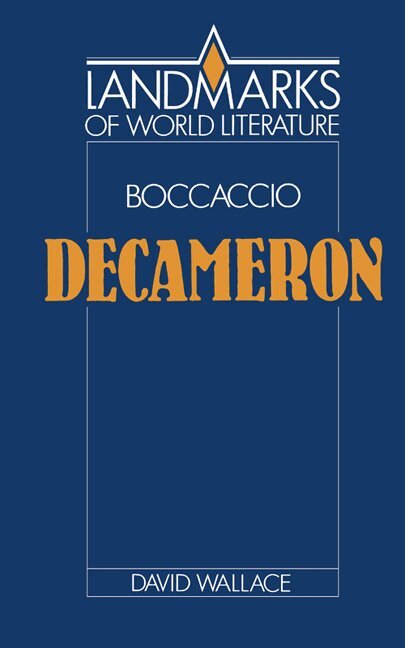
Boccaccio: Decameron
Av David J. Wallace, J. P. Stern
Häftad, 1991
373 kr
Lägg i varukorg
In Boccaccio's innovative text, ten young people leave Florence to escape the Black Death of 1348, and organize their collective life in the countryside through the pleasure and discipline of story-telling. David Wallace guides the reader through their one hundred novelle, which explore both new …
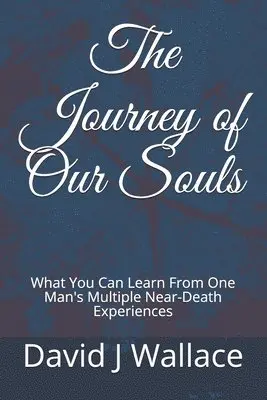
The Journey of Our Souls: What You Can Learn From One Man's Multiple Near-Death Experiences
Av David J. Wallace, Tyler Tichelaar
Häftad, 2020
292 kr
Lägg i varukorg
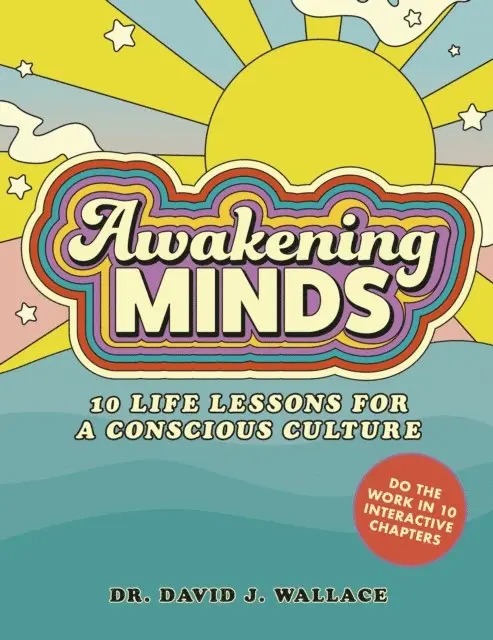
Awakening Minds
10 life lessons for a conscious culture
E-bok, 2022
106 kr
Lägg i varukorg
Challenge yourself to become a happier person and create a better world in this uplifting and spiritually nourishing workbook. With a focus on social justice and structured around ten empowering life lessons, educator Dr David J. Wallace shows us how we can reflect on ourselves and draw from within …
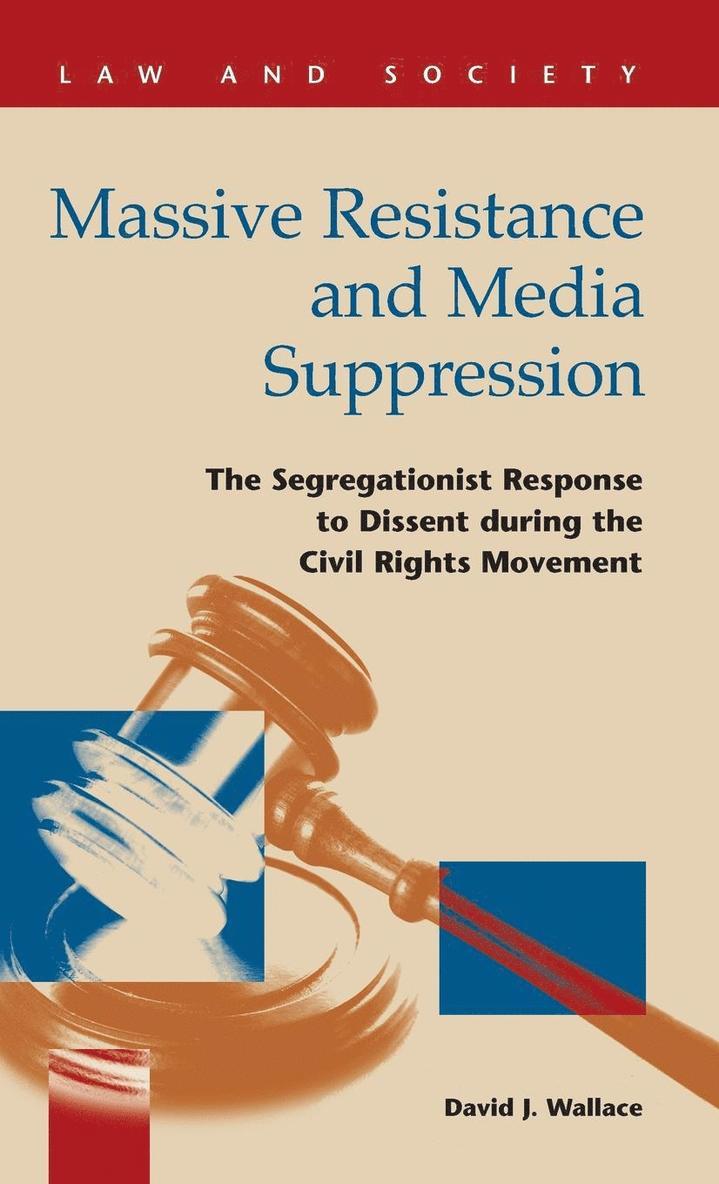
Massive Resistance and Media Suppression
The Segregationist Response to Dissent During the Civil Rights Movement
Inbunden, 2013
698 kr
Lägg i varukorg
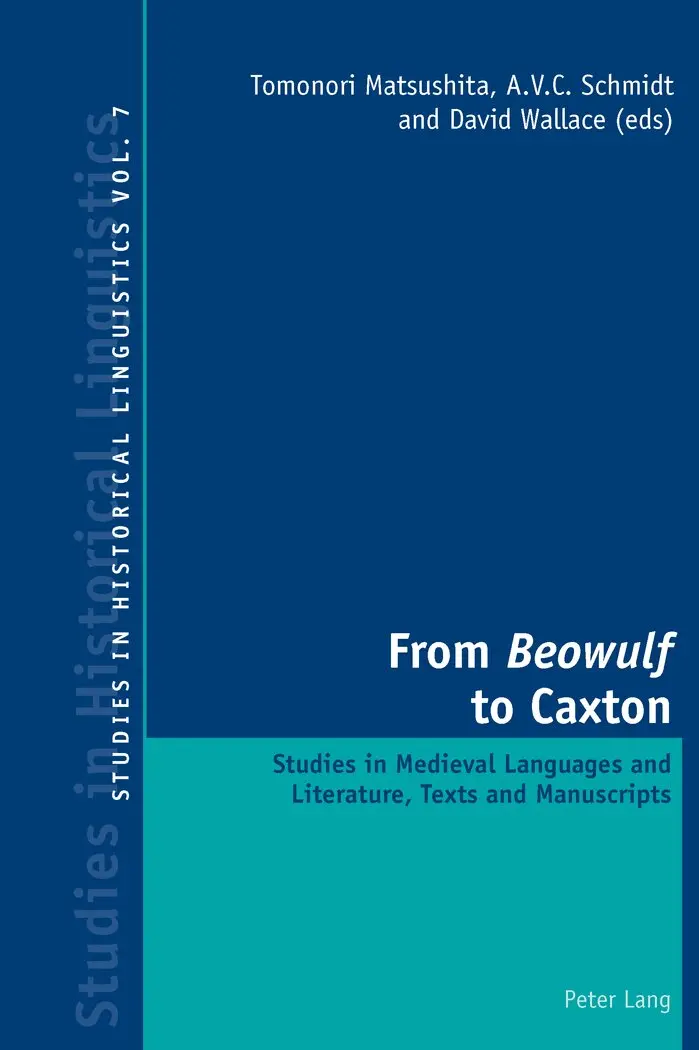
From «Beowulf» to Caxton
Studies in Medieval Languages and Literature, Texts and Manuscripts
Av Tomonori Matsushita, A.V.C. Schmidt m. fl.
Häftad, 2011
817 kr
Lägg i varukorg
Senshu University has hosted many international conferences on medieval English literature – primarily on Geoffrey Chaucer and William Langland – as well as in the related fields of Old Germanic, medieval French and Renaissance Italian literature. These international collaborations inform and …