David Jancsics – författare
Visar alla böcker från författaren David Jancsics. Handla med fri frakt och snabb leverans.
3 produkter
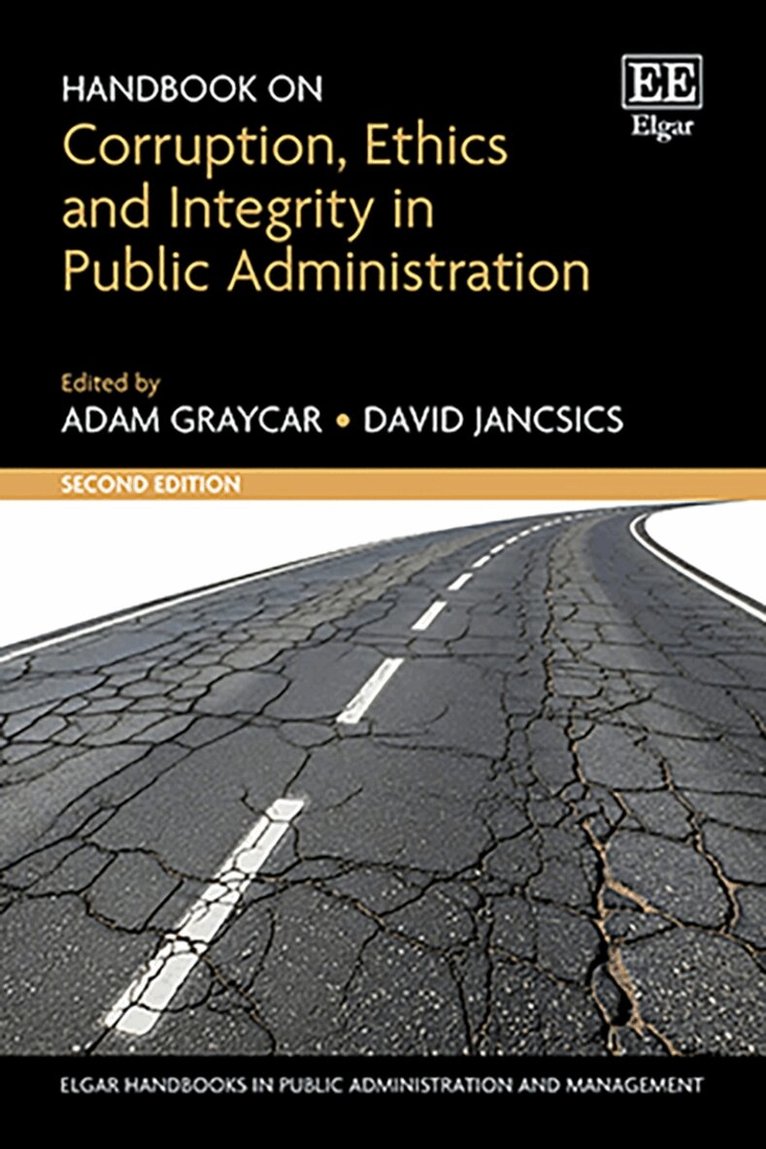
Handbook on Corruption, Ethics and Integrity in Public Administration
Second Edition
Av Adam Graycar, David Jancsics
Inbunden, 2026
4574 kr
Lägg i varukorg
This thoroughly updated and revised second edition Handbook examines how corruption shapes and challenges public administration around the world. Providing fresh insights into the exploration of corruption, global contributors discuss what it looks like, why it persists and how it can be …
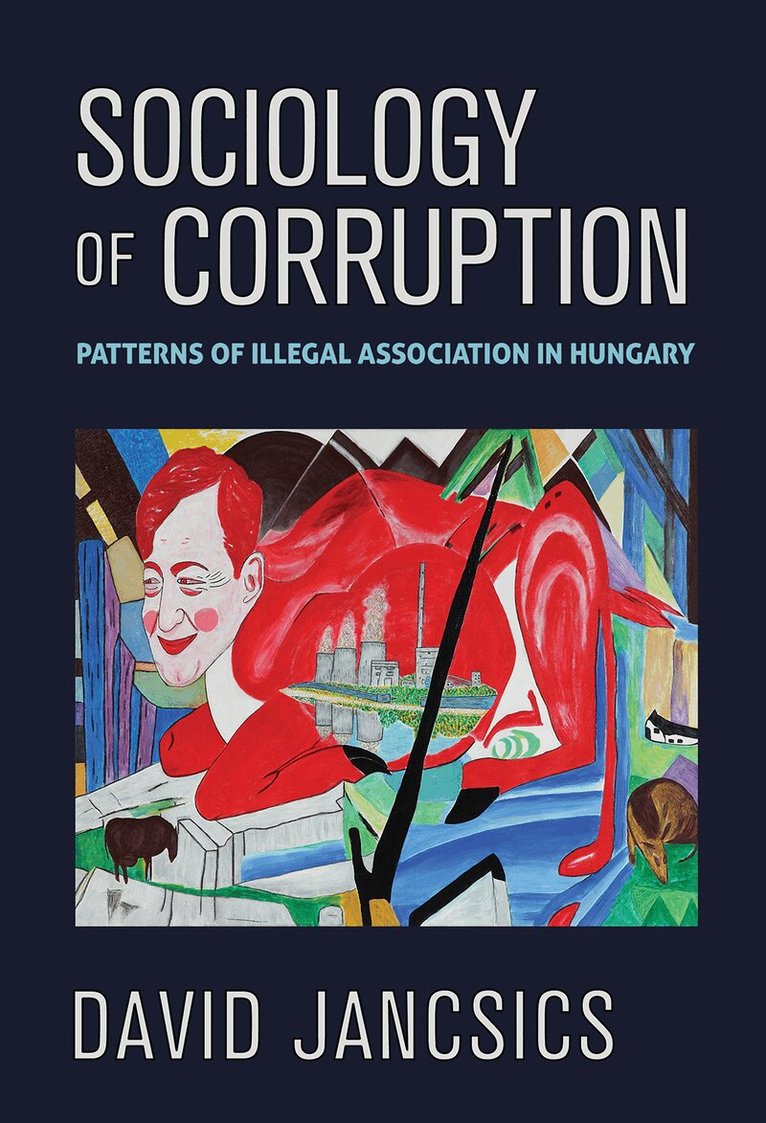
Sociology of Corruption
Patterns of Illegal Association in Hungary
Inbunden, 2024
576 kr
Lägg i varukorg
In Sociology of Corruption, David Jancsics provides a fresh approach to the study of corruption in Hungary, which once seemed to be the most likely of the ex-communist bloc nations to catch up to the West and is, according to many experts and scholars, a country with a highly corrupt dynamic.Based …
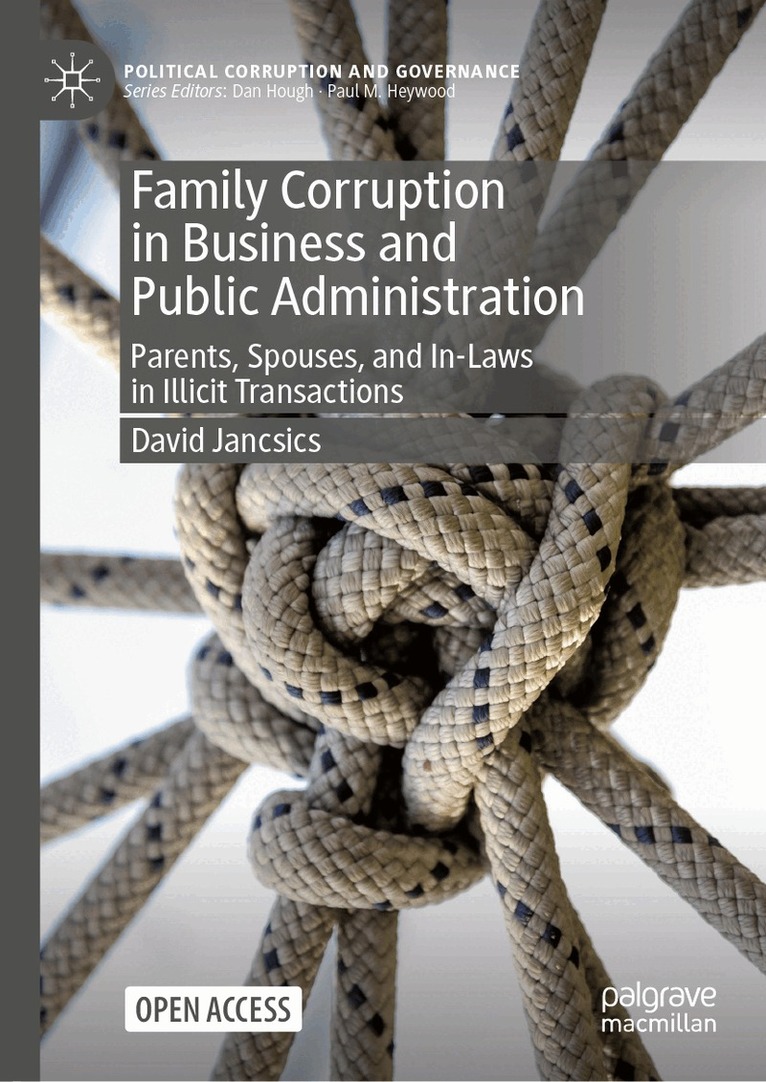
Family Corruption in Business and Public Administration
Parents, Spouses, and In-Laws in Illicit Transactions
Inbunden, 2026
552 kr
Lägg i varukorg
This open access book examines the intricate connection between family and corruption within both the realms of business and government. While corruption is conventionally characterized as a socially harmful and ethically wrong phenomenon, and family is typically viewed as fundamental to social …