David L. Caffey – författare
Visar alla böcker från författaren David L. Caffey. Handla med fri frakt och snabb leverans.
8 produkter
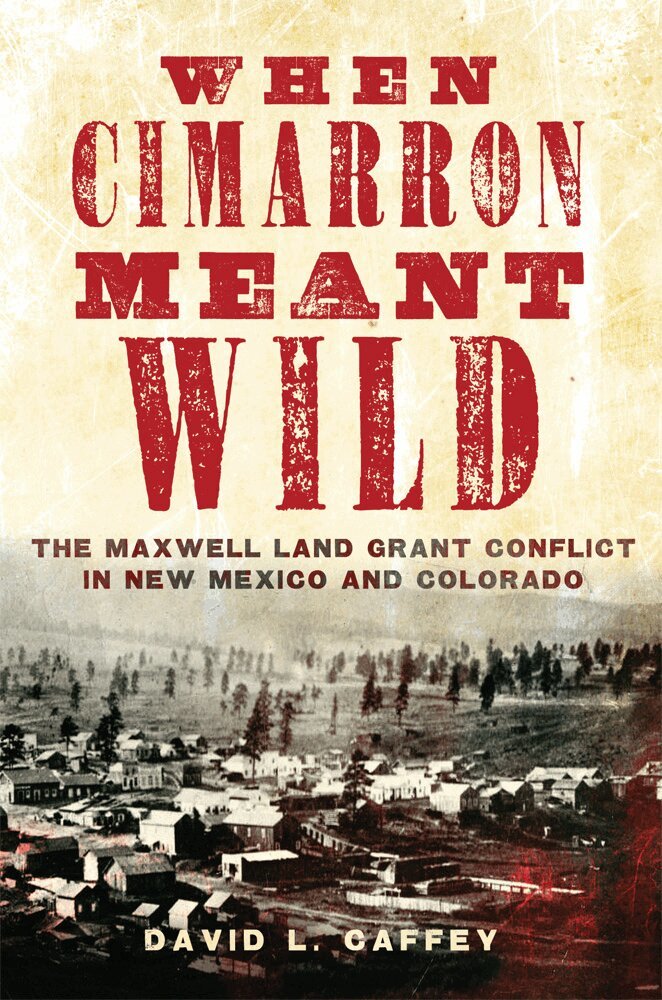
When Cimarron Meant Wild
The Maxwell Land Grant Conflict in New Mexico and Colorado
Inbunden, 2023
411 kr
Lägg i varukorg
The Spanish word cimarron, meaning “wild” or “untamed,” refers to a region in the southern Rocky Mountains where control of timber, gold, coal, and grazing lands long bred violent struggle. After the U.S. occupation following the 1846–1848 war with Mexico, this tract of nearly two million acres …
When Cimarron Meant Wild
The Maxwell Land Grant Conflict in New Mexico and Colorado
Häftad, 2024
341 kr
Lägg i varukorg
The Spanish word cimarron, meaning “wild” or “untamed,” refers to a region in the southern Rocky Mountains where control of timber, gold, coal, and grazing lands long bred violent struggle. After the U.S. occupation following the 1846–1848 war with Mexico, this tract of nearly two million acres …
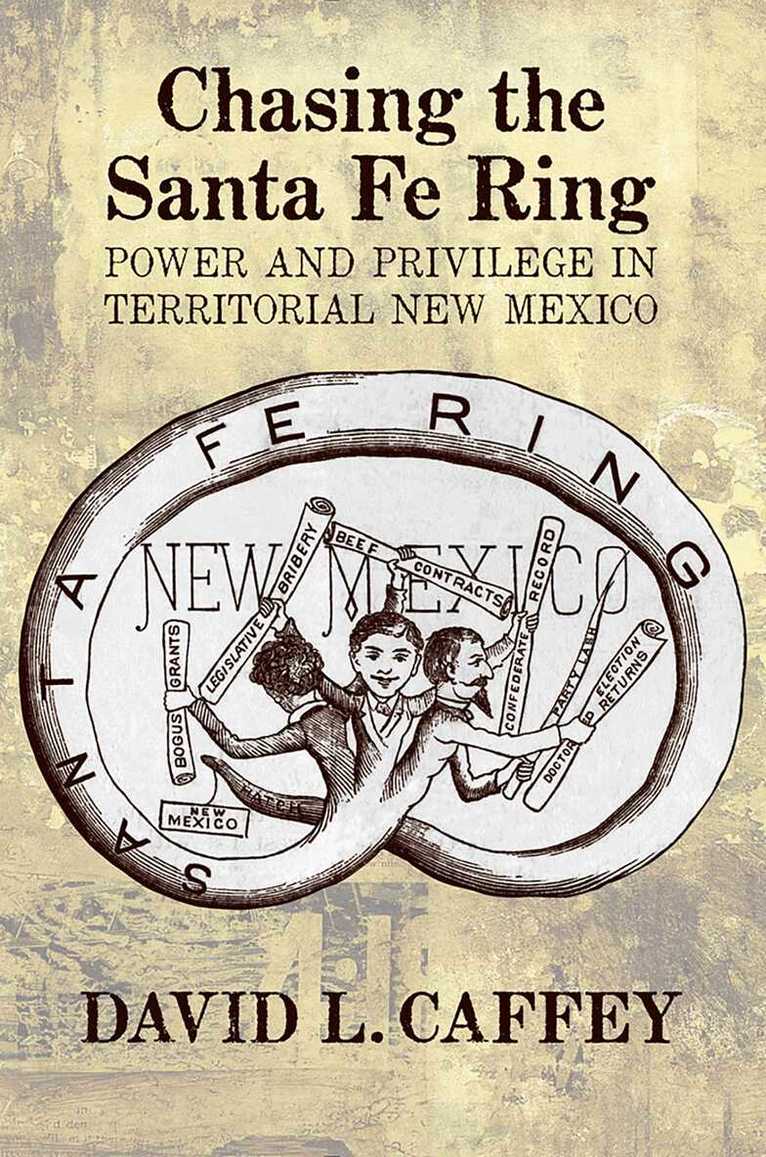
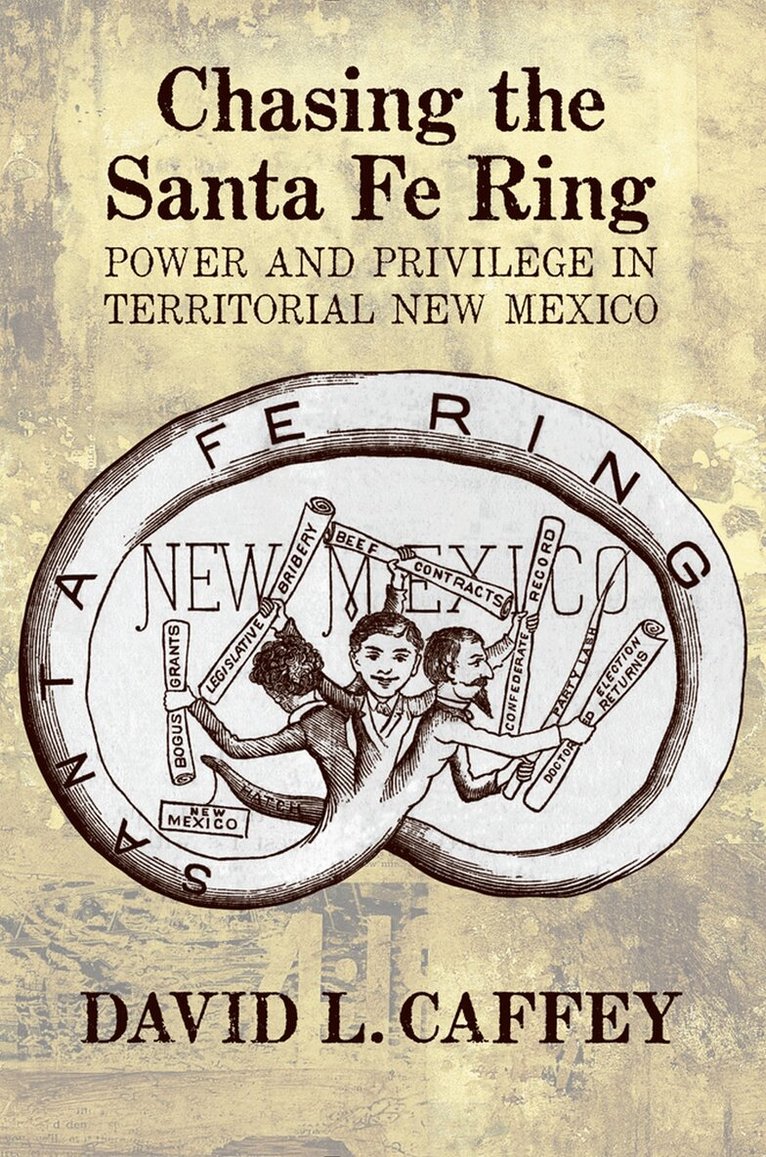
Chasing the Santa Fe Ring
Power and Privilege in Territorial New Mexico
Häftad, 2015
477 kr
Lägg i varukorg
Anyone who has even a casual acquaintance with the history of New Mexico in the nineteenth century has heard of the Santa Fe Ring—seekers of power and wealth in the post–Civil War period famous for public corruption and for dispossessing landholders. Surprisingly, however, scholars have alluded to …
Chasing the Santa Fe Ring
Power and Privilege in Territorial New Mexico
E-bok, 2014
303 kr
Lägg i varukorg
Anyone who has even a casual acquaintance with the history of New Mexico in the nineteenth century has heard of the Santa Fe Ring—seekers of power and wealth in the post–Civil War period famous for public corruption and for dispossessing land holders. Surprisingly, however, scholars have alluded to …
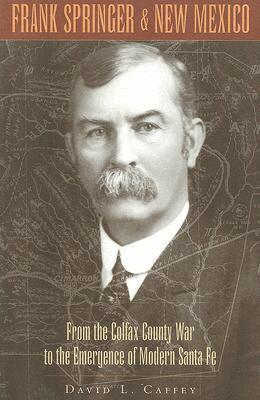
Frank Springer and New Mexico
From the Colfax County War to the Emergence of Modern Santa Fe
Häftad, 2007
229 kr
Lägg i varukorg
The country Frank Springer rode into in 1873 was one of immense beauty and abundant resources - grass and timber, wild game, precious metals, and a vast bed of commercial-grade coal. It was also a stage upon which dramatic and sometimes violent events played out. A lawyer and newspaperman for the …
Chasing the Santa Fe Ring
Power and Priviledge in Territorital New Mexico
Inbunden, 2014
409 kr
Tillfälligt slut
Anyone who has even a casual acquaintance with the history of New Mexico in the nineteenth century has heard of the Santa Fe Ring—seekers of power and wealth in the post–Civil War period famous for public corruption and for dispossessing land holders. Surprisingly, however, scholars have alluded to …
Land of Enchantment, Land of Conflict
New Mexico in English-language Fiction
Inbunden, 1999
393 kr
Tillfälligt slut
Frank Springer and New Mexico
From the Colfax County War to the Emergence of Modern Santa Fe
Inbunden, 2006
422 kr
Tillfälligt slut
The country Frank Springer rode into in 1873 was one of immense beauty and abundant resources - grass and timber, wild game, precious metals, and a vast bed of commercial-grade coal. It was also a stage upon which dramatic and sometimes violent events played out during Springer's ten-year residence …