David L. Clarke - Böcker
Visar alla böcker från författaren David L. Clarke. Handla med fri frakt och snabb leverans.
4 produkter
4 produkter
2 788 kr
Skickas inom 10-15 vardagar
This study was well-established as a pioneer work on archaeological methodology, the theoretical basis of all archaeological analysis whatever the period or era. The first edition of the book presented and evaluated the radical changes in methodology which derived from developments in other disciplines, such as cybernetics, computer science and geography, during the 1950s and ‘60s. It argued that archaeology was a coherent discipline with its own methods and procedures and attempted to define the entities (attributes, artefacts, types, assemblages, cultures and culture groups) rigorously and consistently so that they could be applied to archaeological data. The later edition continued the same general theory, which is unparalleled in its scope and depth, adding notes to help understanding of the advances in method and theory to support the student and professional archaeologist.Review of the original publication:"One might venture that this is the most important archaeological work for twenty or thirty years, and it will undoubtedly influence several future generations of archaeologists." The Times Literary Supplement
3 691 kr
Skickas inom 10-15 vardagar
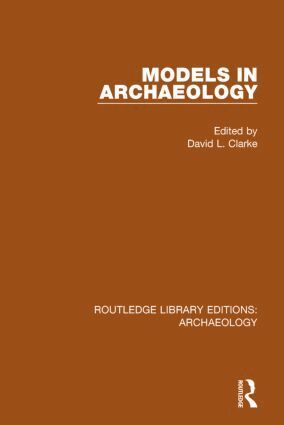
This major study reflects the increasing significance of careful model formation and testing in those academic subjects that are struggling from intuitive and aesthetic obscurantism toward a more disciplined and integrated approach to their fields of study. The twenty-six original contributions represent the carefully selected work of progressive archaeologists around the world, covering the use of models on archaeological material of all kinds and from all periods from Palaeolithic to Medieval. Their common theme is archaeological generalisation by means of explicit model building, testing, modification and reapplication. The contributors seek to show that it is the use of certain models in particular ways that defines archaeology as the practice of one discipline, with a set of general tenets that are as applicable in Peru as in Persia, Australia as Alaska, Sweden as Scotland, on material from the second millennium B.C. to the second millennium A.D. They assert that careful model formulation within archaeology and the cautious exchange and testing of models within and beyond the discipline provides the only route to the formation of the common, internationally valid body of theory which defines a vigorous and coherent discipline and distinguishes it from being a collection of merely regionally applicable special cases.
827 kr
Skickas inom 10-15 vardagar
This study was well-established as a pioneer work on archaeological methodology, the theoretical basis of all archaeological analysis whatever the period or era. The first edition of the book presented and evaluated the radical changes in methodology which derived from developments in other disciplines, such as cybernetics, computer science and geography, during the 1950s and ‘60s. It argued that archaeology was a coherent discipline with its own methods and procedures and attempted to define the entities (attributes, artefacts, types, assemblages, cultures and culture groups) rigorously and consistently so that they could be applied to archaeological data. The later edition continued the same general theory, which is unparalleled in its scope and depth, adding notes to help understanding of the advances in method and theory to support the student and professional archaeologist.Review of the original publication:"One might venture that this is the most important archaeological work for twenty or thirty years, and it will undoubtedly influence several future generations of archaeologists." The Times Literary Supplement
827 kr
Skickas inom 10-15 vardagar
This major study reflects the increasing significance of careful model formation and testing in those academic subjects that are struggling from intuitive and aesthetic obscurantism toward a more disciplined and integrated approach to their fields of study. The twenty-six original contributions represent the carefully selected work of progressive archaeologists around the world, covering the use of models on archaeological material of all kinds and from all periods from Palaeolithic to Medieval. Their common theme is archaeological generalisation by means of explicit model building, testing, modification and reapplication. The contributors seek to show that it is the use of certain models in particular ways that defines archaeology as the practice of one discipline, with a set of general tenets that are as applicable in Peru as in Persia, Australia as Alaska, Sweden as Scotland, on material from the second millennium B.C. to the second millennium A.D. They assert that careful model formulation within archaeology and the cautious exchange and testing of models within and beyond the discipline provides the only route to the formation of the common, internationally valid body of theory which defines a vigorous and coherent discipline and distinguishes it from being a collection of merely regionally applicable special cases.