David La Vere – författare
Visar alla böcker från författaren David La Vere. Handla med fri frakt och snabb leverans.
17 produkter
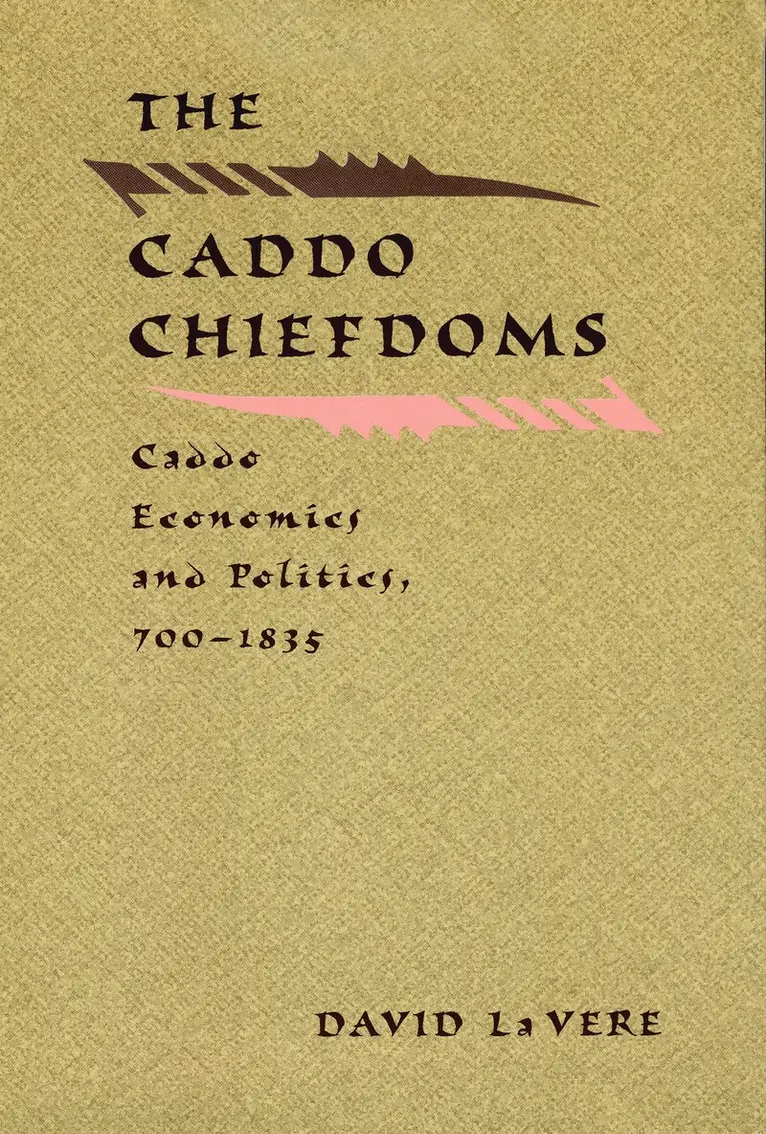
Caddo Chiefdoms
Caddo Economics and Politics, 700-1835
Inbunden, 1998
587 kr
Lägg i varukorg
For centuries, the Caddos occupied the southern prairies and woodlands across portions of Louisiana, Texas, Oklahoma, and Arkansas. Organized into powerful chiefdoms during the Mississippian period, Caddo society was highly ceremonial, revolving around priest-chiefs, trade in exotic items, and the …
Contrary Neighbors
Southern Plains and Removed Indians in Indian Territory
Häftad, 2001
284 kr
Lägg i varukorg
examines relations between Southeastern Indians who were removed to Indian Territory in the early nineteenth century and Southern Plains Indians who claimed this area as their own.These two Indian groups viewed the world in different ways. The Southeastern Indians, primarily Choctaws, Cherokees, …
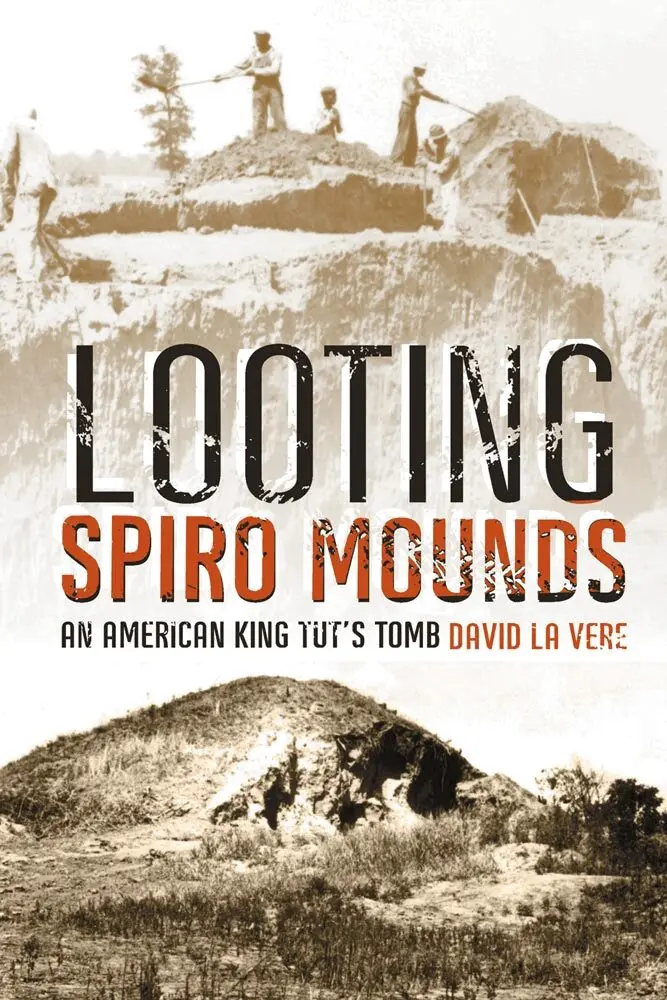
Looting Spiro Mounds
An American King Tut’s Tomb
Häftad, 2007
242 kr
Lägg i varukorg
How an ancient North American civilization was plundered in the twentieth centuryWhen a group of relic hunters drove their picks into a lost Indian burial crypt in eastern Oklahoma in 1935, they unearthed a vast treasure trove of Mississippian art - considered by many at the time to be America's …
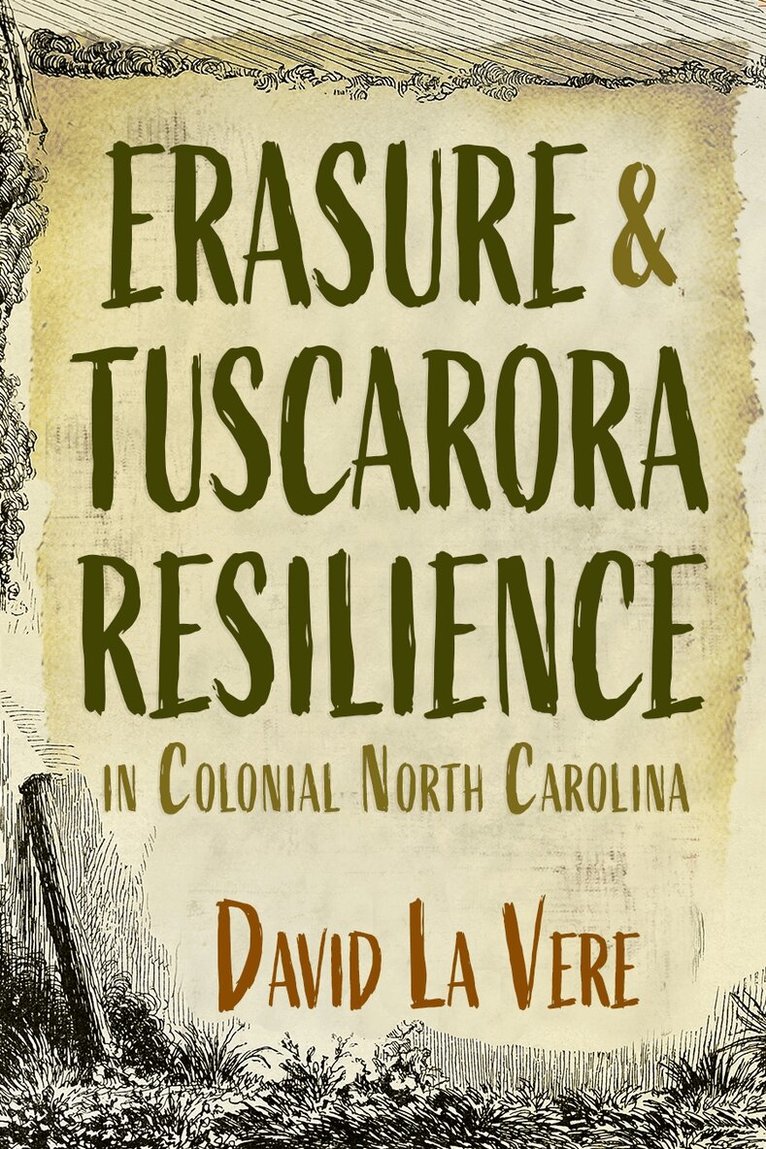
Erasure and Tuscarora Resilience in Colonial North Carolina
Inbunden, 2024
1104 kr
Lägg i varukorg
In the wake of their victory in the Tuscarora War (1711–15), English settlers forced the Tuscarora Indians of eastern North Carolina, along with the Meherrin, Core, Chowan, Mattamuskeet, Neuse, Hatteras, Bay River, and White Oak River Indians, to become colonial tributaries with assigned land …
Erasure and Tuscarora Resilience in Colonial North Carolina
Häftad, 2024
397 kr
Lägg i varukorg
In the wake of their victory in the Tuscarora War (1711–15), English settlers forced the Tuscarora Indians of eastern North Carolina, along with the Meherrin, Core, Chowan, Mattamuskeet, Neuse, Hatteras, Bay River, and White Oak River Indians, to become colonial tributaries with assigned land …
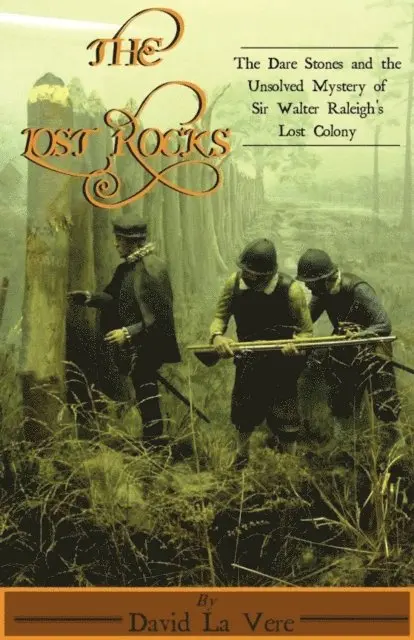
Lost Rocks
The Dare Stones and the Unsolved Mystery of Sir Walter Raleigh's Lost Colony
Häftad, 2011
159 kr
Lägg i varukorg
Lost Rocks: The Dare Stones and the Unsolved Mystery of Sir Walter Raleigh's Lost Colony
E-bok, 2013
147 kr
Lägg i varukorg
What if the 1587 Lost Colony of Roanoke was not lost? What if the survivors left Roanoke Island, North Carolina and found their way to Georgia? That is the scenario scholars contemplated when a series of engraved stones were found in the 1930's. The first, found near the Chowan River in North …
The Lost Rocks: The Dare Stones and the Unsolved Mystery of Sir Walter Raleigh's Lost Colony
Häftad
284 kr
Lägg i varukorg
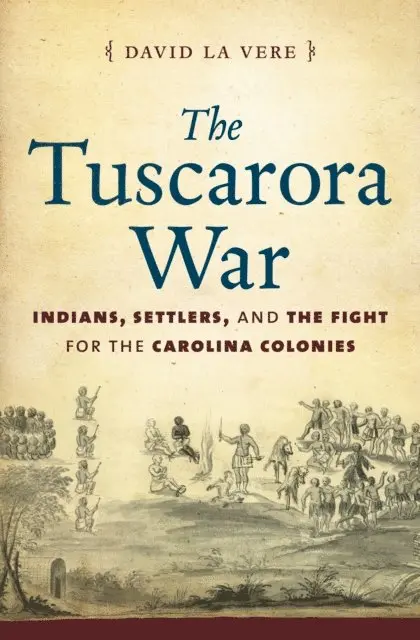
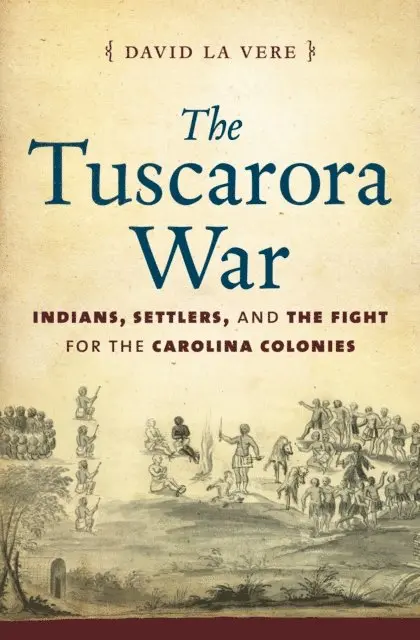
Tuscarora War
Indians, Settlers, and the Fight for the Carolina Colonies
E-bok, 2013
286 kr
Lägg i varukorg
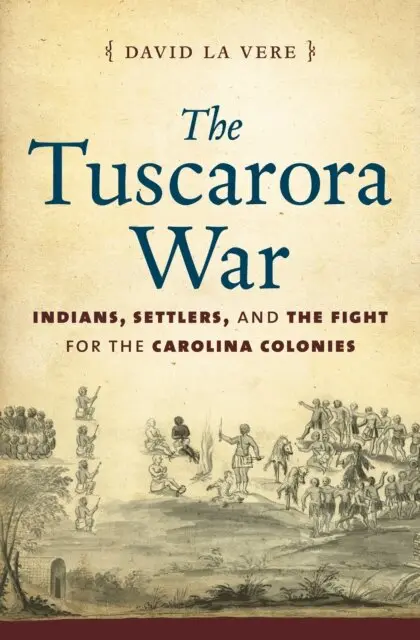
At dawn on September 22, 1711, more than 500 Tuscarora, Core, Neuse, Pamlico, Weetock, Machapunga, and Bear River Indian warriors swept down on the unsuspecting European settlers living along the Neuse and Pamlico Rivers of North Carolina. Over the following days, they destroyed hundreds of farms, …
Tuscarora War
Indians, Settlers, and the Fight for the Carolina Colonies
E-bok, 2013
1017 kr
Lägg i varukorg
At dawn on September 22, 1711, more than 500 Tuscarora, Core, Neuse, Pamlico, Weetock, Machapunga, and Bear River Indian warriors swept down on the unsuspecting European settlers living along the Neuse and Pamlico Rivers of North Carolina. Over the following days, they destroyed hundreds of farms, …
Tuscarora War
Indians, Settlers, and the Fight for the Carolina Colonies
Häftad, 2016
370 kr
Lägg i varukorg
At dawn on September 22, 1711, more than 500 Tuscarora, Core, Neuse, Pamlico, Weetock, Machapunga, and Bear River Indian warriors swept down on the unsuspecting European settlers living along the Neuse and Pamlico Rivers of North Carolina. Over the following days, they destroyed hundreds of farms, …
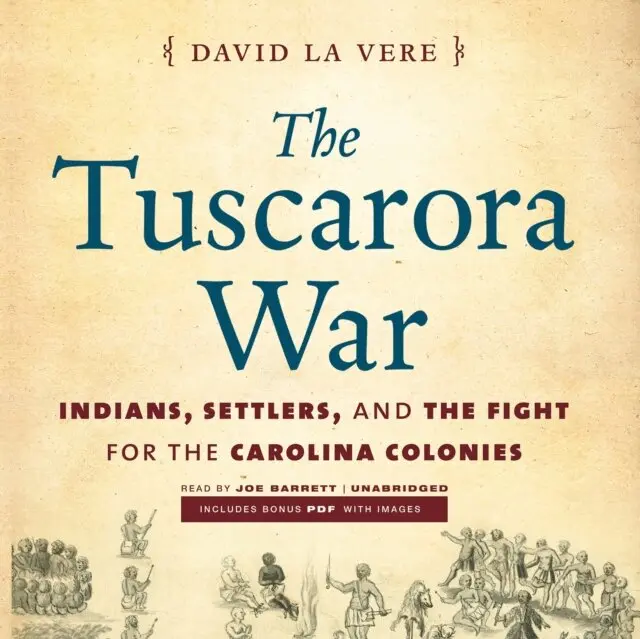
Tuscarora War
Ljudbok, 2013
685 kr
Lägg i varukorg
At dawn on September 22, 1711, more than five hundred Tuscarora, Core, Neuse, Pamlico, Weetock, Machapunga, and Bear River Indian warriors swept down on the unsuspecting European settlers living along the Neuse and Pamlico Rivers of North Carolina. During the following days, they destroyed hundreds …
Tuscarora War
Indians, Settlers, and the Fight for the Carolina Colonies
Ljudbok, 2013
293 kr
Lägg i varukorg
At dawn on September 22, 1711, more than five hundred Tuscarora, Core, Neuse, Pamlico, Weetock, Machapunga, and Bear River Indian warriors swept down on the unsuspecting European settlers living along the Neuse and Pamlico Rivers of North Carolina. During the following days, they destroyed hundreds …
Life Among the Texas Indians
The WPA Narratives
Häftad, 2005
283 kr
Lägg i varukorg
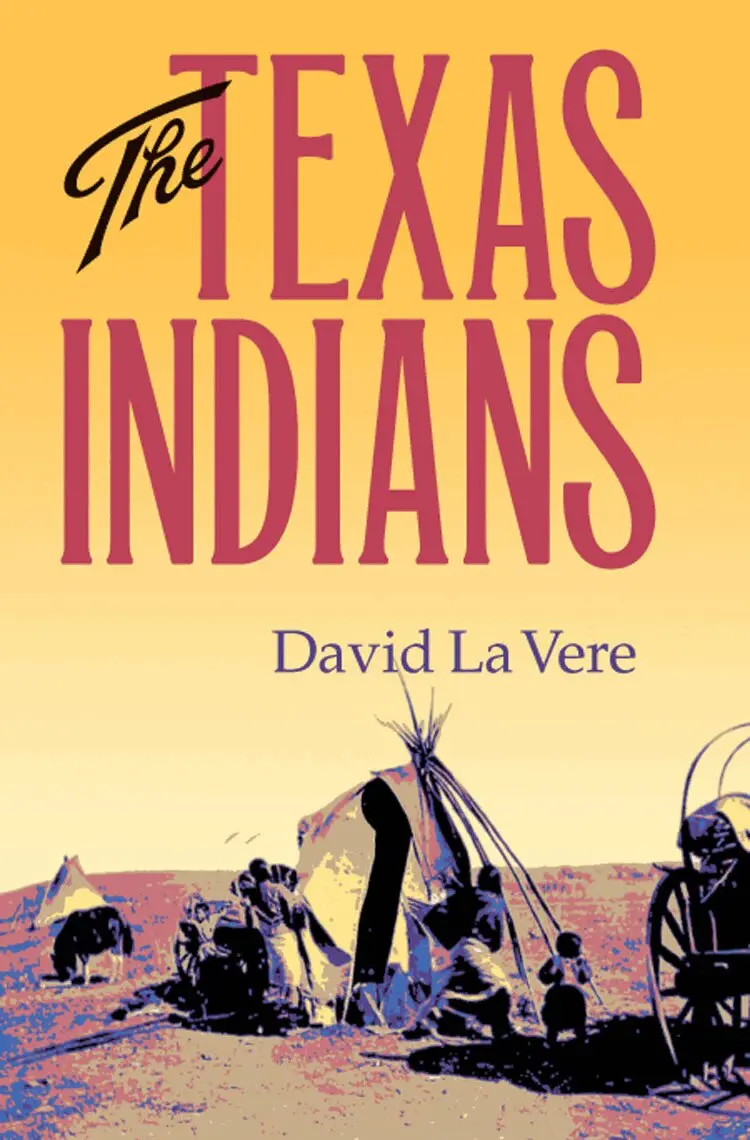
Historian David La Vere has gathered a wealth of vivid detail about life among the former Texas Indian peoples, including the Kiowas, Comanches, Wichitas, Caddos, Tonkawas, and Lipan Apaches. Culled from 112 volumes of the Indian-Pioneer Histories in the Indian Archives at the Oklahoma Historical …
Texas Indians Volume 95
Häftad, 2013
342 kr
Lägg i varukorg
During an excavation in the 1950s, the bones of a prehistoric woman were discovered in Midland County, Texas. Archaeologists dubbed the woman “Midland Minnie”. Some believed her age to be between 20,000 and 37,000 years, making her remains the oldest ever found in the Western Hemisphere. While the …
Tuscarora War
Indians, Settlers, and the Fight for the Carolina Colonies
E-bok, 2013
252 kr
Lägg i varukorg
At dawn on September 22, 1711, more than 500 Tuscarora, Core, Neuse, Pamlico, Weetock, Machapunga, and Bear River Indian warriors swept down on the unsuspecting European settlers living along the Neuse and Pamlico Rivers of North Carolina. Over the following days, they destroyed hundreds of farms, …
Tuscarora War
Indians, Settlers, and the Fight for the Carolina Colonies
E-bok, 2013
950 kr
Lägg i varukorg
At dawn on September 22, 1711, more than 500 Tuscarora, Core, Neuse, Pamlico, Weetock, Machapunga, and Bear River Indian warriors swept down on the unsuspecting European settlers living along the Neuse and Pamlico Rivers of North Carolina. Over the following days, they destroyed hundreds of farms, …