David M. Pritchard - Böcker
Visar alla böcker från författaren David M. Pritchard. Handla med fri frakt och snabb leverans.
10 produkter
10 produkter
1 702 kr
Skickas inom 7-10 vardagar
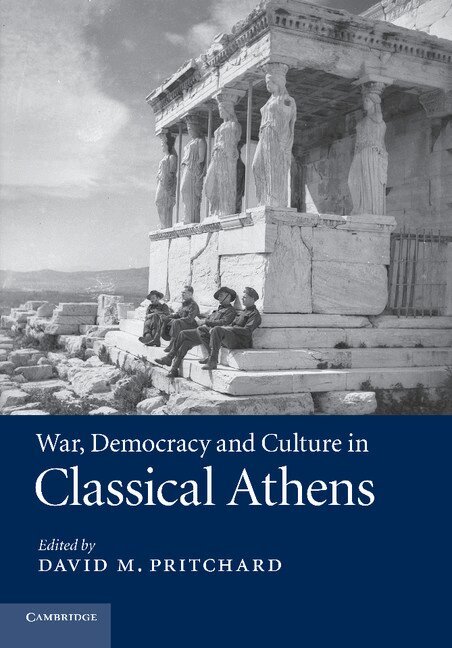
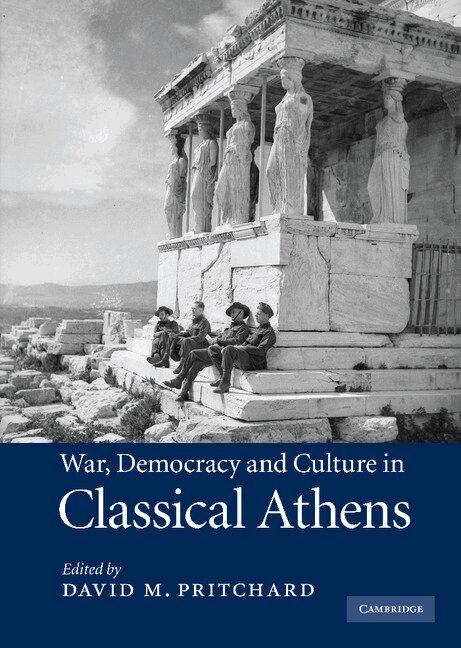
Athens is famous for its direct democracy and its innovative culture. Not widely known is its contemporaneous military revolution. Athens invented or perfected new forms of combat, strategy and military organization and was directly responsible for raising the scale of Greek warfare to a different order of magnitude. The timing of this revolution is striking: it followed directly the popular uprising of 508 BC and coincided with the flowering of Athenian culture, which was largely brought about by democracy. This raises the intriguing possibility that popular government was one of the major causes of Athenian military success. Ancient writers may have thought as much, but the traditional assumptions of ancient historians and political scientists have meant that the impact of democracy on war has received almost no scholarly attention. This volume brings together ancient historians, archaeologists, classicists and political scientists to explore this important but neglected problem from multiple perspectives.
538 kr
Skickas inom 7-10 vardagar
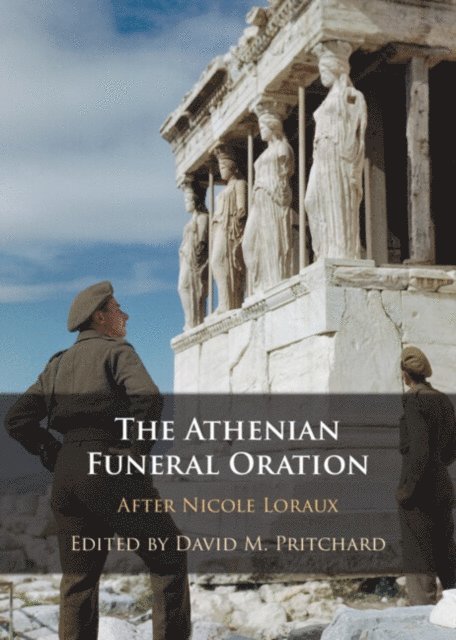
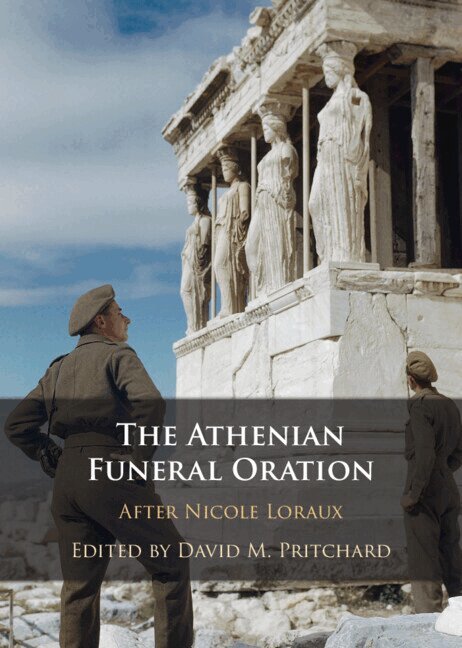
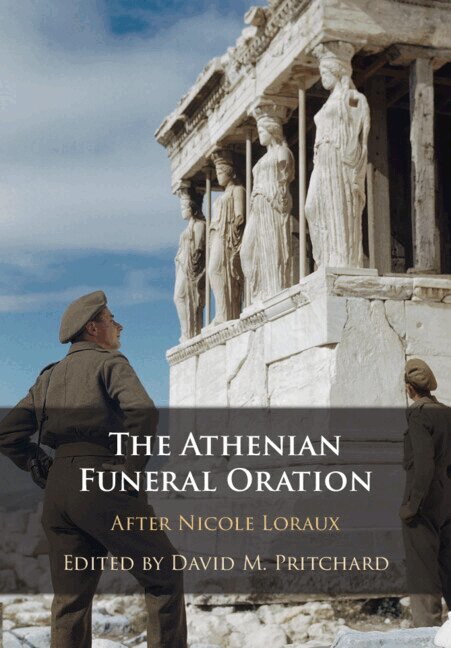
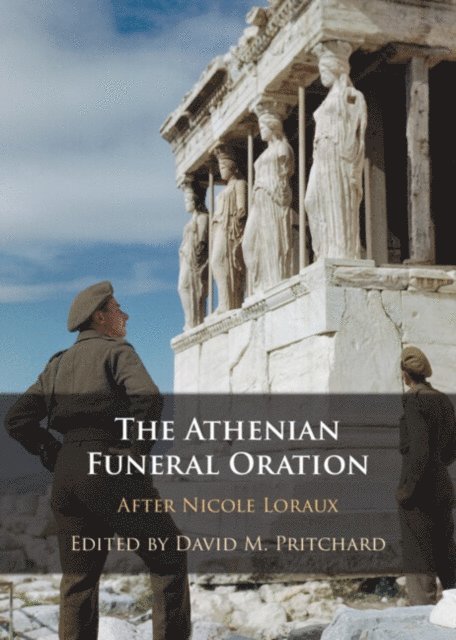
In classical Athens, a funeral speech was delivered for dead combatants almost every year, the most famous being that by Pericles in 430 BC. In 1981, Nicole Loraux transformed our understanding of this genre. Her The Invention of Athens showed how it reminded the Athenians who they were as a people. Loraux demonstrated how each speech helped them to maintain the same self-identity for two centuries. But The Invention of Athens was far from complete. This volume brings together top-ranked experts to finish Loraux's book. It answers the important questions about the numerous surviving funeral speeches that she ignored. It also undertakes a comparison of the funeral oration with other genres that is missing in her famous book. What emerges is a speech that had a much greater political impact than Loraux thought. This volume puts the study of war in Athenian culture on a completely new footing.
1 749 kr
Skickas inom 7-10 vardagar
In classical Athens, a funeral speech was delivered for dead combatants almost every year, the most famous being that by Pericles in 430 BC. In 1981, Nicole Loraux transformed our understanding of this genre. Her The Invention of Athens showed how it reminded the Athenians who they were as a people. Loraux demonstrated how each speech helped them to maintain the same self-identity for two centuries. But The Invention of Athens was far from complete. This volume brings together top-ranked experts to finish Loraux's book. It answers the important questions about the numerous surviving funeral speeches that she ignored. It also undertakes a comparison of the funeral oration with other genres that is missing in her famous book. What emerges is a speech that had a much greater political impact than Loraux thought. This volume puts the study of war in Athenian culture on a completely new footing.
2 151 kr
Skickas inom 10-15 vardagar
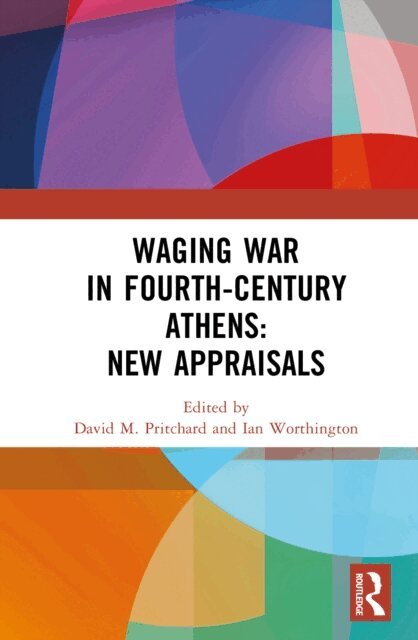
This volume provides a new assessment of Athens’ military capabilities and war efforts in the fourth century BC, highlighting the close connection between its democracy and military affairs.Athens after the Peloponnesian War has been the subject of intense study, particularly its military capabilities and war efforts and the workings of its democracy. We still do not have, however, a comprehensive assessment of Athens’ military record in the fourth century. This book provides a new detailed picture of this period, exploring what Athens was capable of and what it achieved militarily and diplomatically after its defeat in the Peloponnesian War. The volume also reassesses aspects of Athenian warmaking and warfare, including diplomatic and economic matters, from 404 BC down to and including the Lamian War of 323–322 BC.Waging War in Fourth-Century Athens: New Appraisals is suitable for students and scholars in Classics and Ancient History, as well as those operating in adjacent fields of study, along with the general reader interested in the ancient world, warfare, and politics.
1 282 kr
Skickas inom 7-10 vardagar
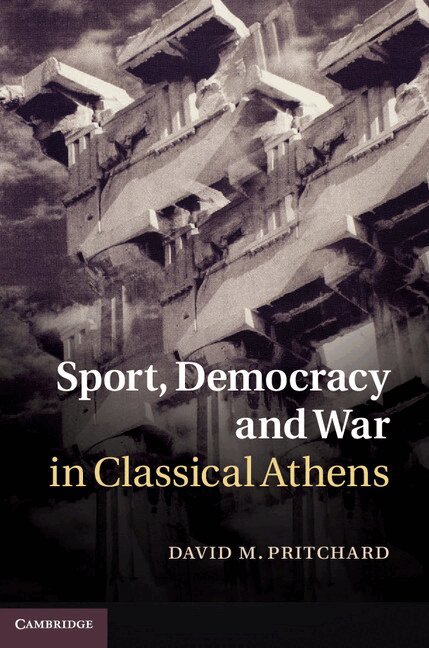
Athenian democracy may have opened up politics to every citizen, but it had no impact on participation in sport. The city's sportsmen continued to be drawn from the elite, and so it comes as a surprise that sport was very popular with non-elite citizens of the classical period, who rewarded victorious sportsmen lavishly and created an unrivalled program of local sporting festivals on which they spent staggering sums of money. They also shielded sportsmen from the public criticism which was otherwise normally directed towards the elite and its conspicuous activities. This book is a bold and novel exploration of this apparent contradiction, which examines three of the fundamental aspects of Athens in the classical period - democratic politics, public commitment to sport and constant warfare - and is essential reading for all of those who are interested in Greek sport, Athenian democracy and its waging of war.
726 kr
Skickas inom 7-10 vardagar
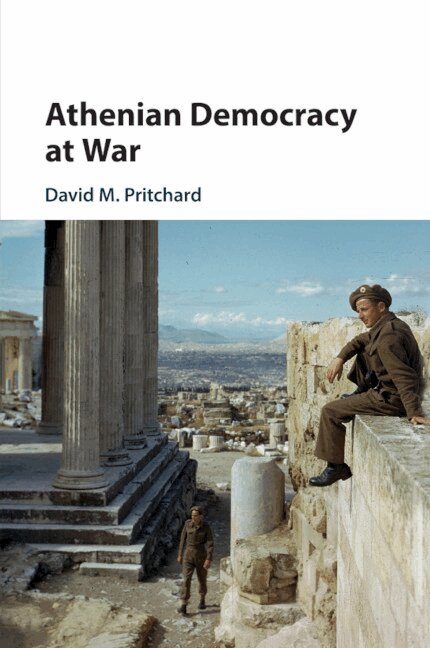
Athens is famous for its direct democracy and its innovative culture. Not widely known is its contemporaneous military revolution. Athens invented or perfected new forms of combat, strategy and military organization and was directly responsible for raising the scale of Greek warfare to a different order of magnitude. The timing of this revolution is striking: it followed directly the popular uprising of 508 BC and coincided with the flowering of Athenian culture, which was largely brought about by democracy. This raises the intriguing possibility that popular government was one of the major causes of Athenian military success. Ancient writers may have thought as much, but the traditional assumptions of ancient historians and political scientists have meant that the impact of democracy on war has received almost no scholarly attention. This volume brings together ancient historians, archaeologists, classicists and political scientists to explore this important but neglected problem from multiple perspectives.
1 048 kr
Skickas
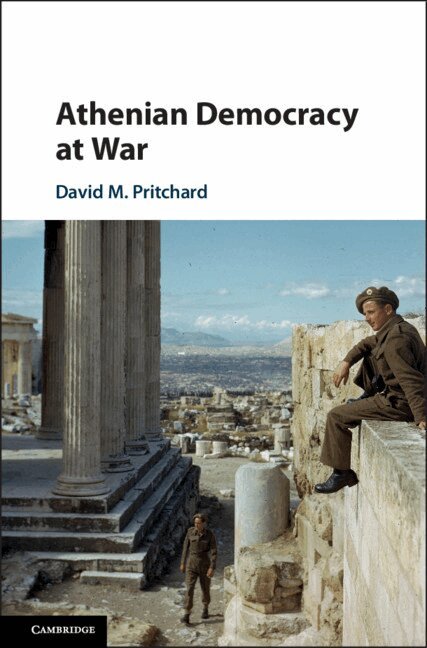
Classical Athens perfected direct democracy. The plays of this ancient Greek state are still staged today. These achievements are rightly revered. Less well known is the other side of this success story. Democratic Athens completely transformed warfare and became a superpower. The Athenian armed forces were unmatched in size and professionalism. This book explores the major reasons behind this military success. It shows how democracy helped the Athenians to be better soldiers. For the first time David M. Pritchard studies, together, all four branches of the armed forces. He focuses on the background of those who fought Athens' wars and on what they thought about doing so. His book reveals the common practices that Athens used right across the armed forces and shows how Athens' pro-war culture had a big impact on civilian life. The book puts the study of Athenian democracy at war on an entirely new footing.
441 kr
Skickas inom 7-10 vardagar
Classical Athens perfected direct democracy. The plays of this ancient Greek state are still staged today. These achievements are rightly revered. Less well known is the other side of this success story. Democratic Athens completely transformed warfare and became a superpower. The Athenian armed forces were unmatched in size and professionalism. This book explores the major reasons behind this military success. It shows how democracy helped the Athenians to be better soldiers. For the first time David M. Pritchard studies, together, all four branches of the armed forces. He focuses on the background of those who fought Athens' wars and on what they thought about doing so. His book reveals the common practices that Athens used right across the armed forces and shows how Athens' pro-war culture had a big impact on civilian life. The book puts the study of Athenian democracy at war on an entirely new footing.
441 kr
Skickas inom 7-10 vardagar
Athenian democracy may have opened up politics to every citizen, but it had no impact on participation in sport. The city's sportsmen continued to be drawn from the elite, and so it comes as a surprise that sport was very popular with non-elite citizens of the classical period, who rewarded victorious sportsmen lavishly and created an unrivalled program of local sporting festivals on which they spent staggering sums of money. They also shielded sportsmen from the public criticism which was otherwise normally directed towards the elite and its conspicuous activities. This book is a bold and novel exploration of this apparent contradiction, which examines three of the fundamental aspects of Athens in the classical period - democratic politics, public commitment to sport and constant warfare - and is essential reading for all of those who are interested in Greek sport, Athenian democracy and its waging of war.
242 kr
Skickas inom 10-15 vardagar
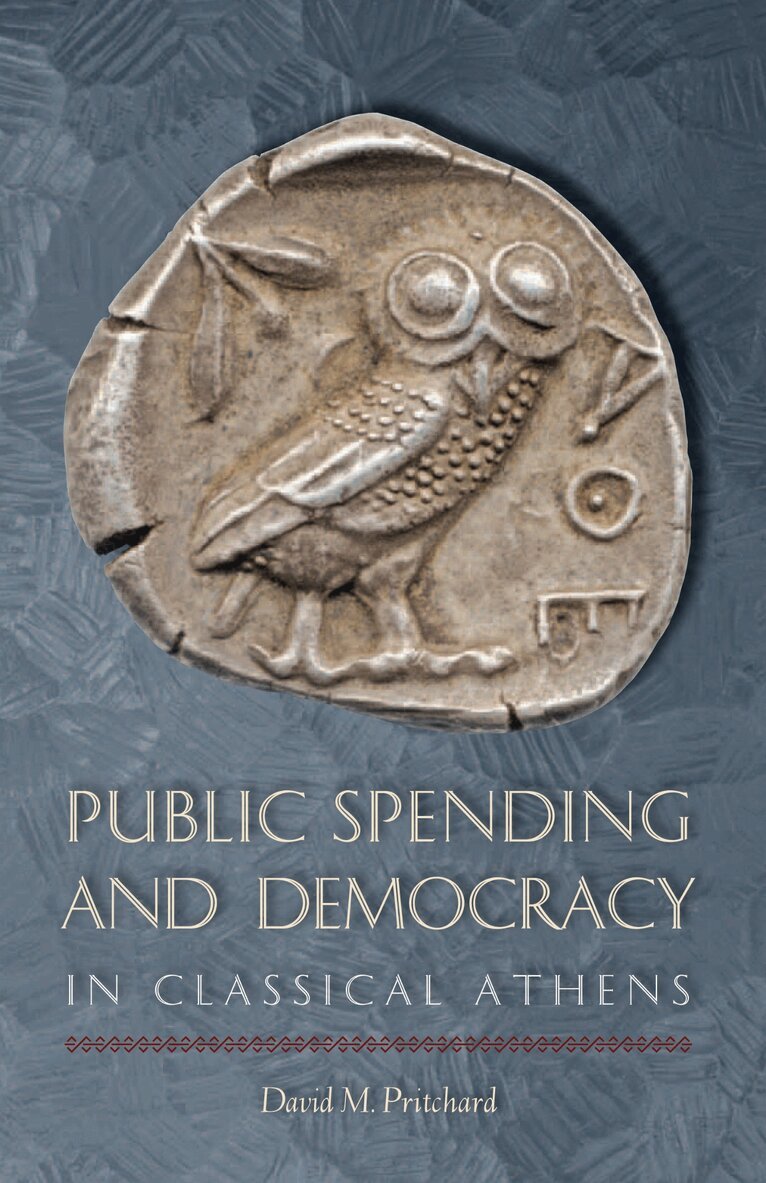
In his On the Glory of Athens, Plutarch complained that the Athenian people spent more on the production of dramatic festivals and “the misfortunes of Medeas and Electras than they did on maintaining their empire and fighting for their liberty against the Persians.” This view of the Athenians’ misplaced priorities became orthodoxy with the publication of August BÖckh’s 1817 book Die Staatshaushaltung der Athener [The Public Economy of Athens], which criticized the classical Athenian dēmos for spending more on festivals than on wars and for levying unjust taxes to pay for their bloated government. But were the Athenians’ priorities really as misplaced as ancient and modern historians believed?Drawing on lines of evidence not available in BÖckh’s time, Public Spending and Democracy in Classical Athens calculates the real costs of religion, politics, and war to settle the long-standing debate about what the ancient Athenians valued most highly. David M. Pritchard explains that, in Athenian democracy, voters had full control over public spending. When they voted for a bill, they always knew its cost and how much they normally spent on such bills. Therefore, the sums they chose to spend on festivals, politics, and the armed forces reflected the order of the priorities that they had set for their state. By calculating these sums, Pritchard convincingly demonstrates that it was not religion or politics but war that was the overriding priority of the Athenian people.