
David O. Kazmer – författare
Visar alla böcker från författaren David O. Kazmer. Handla med fri frakt och snabb leverans.
2 produkter
2 produkter
1 533 kr
Skickas inom 3-6 vardagar
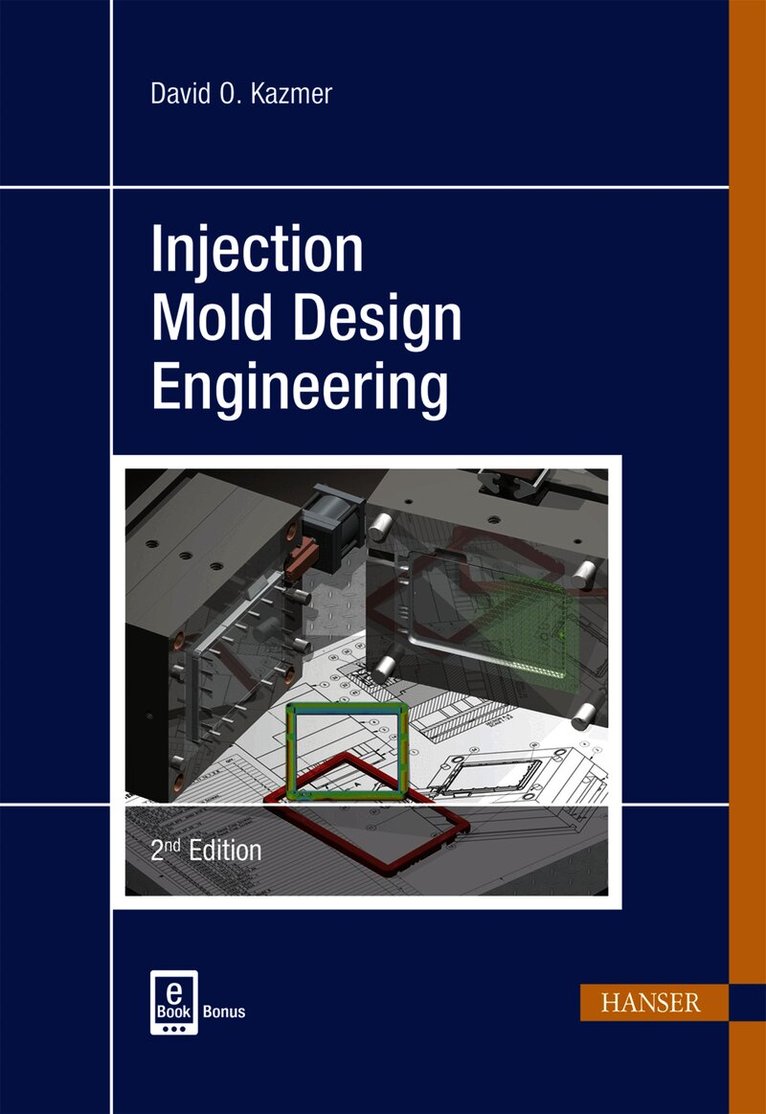
This book provides a structured methodology and scientific basis for engineering injection molds. The topics are presented in a top-down manner, beginning with introductory definitions and the big picture before proceeding to layout and detailed design of molds. The book provides very pragmatic analysis with worked examples that can be readily adapted to real-world product design applications. It will help students and practitioners to understand the inner workings of injection molds and encourage them to think outside the box in developing innovative and highly functional mold designs.This new edition has been extensively revised with new content that includes more than 80 new and revised figures and tables, coverage of development strategy, 3D printing, in-mold sensors, and practical worksheets, as well as a completely new chapter on the mold commissioning process, part approval, and mold maintenance.With the purchase of this book, you also receive a free personal access code to download the eBook.
1 589 kr
Skickas inom 3-6 vardagar
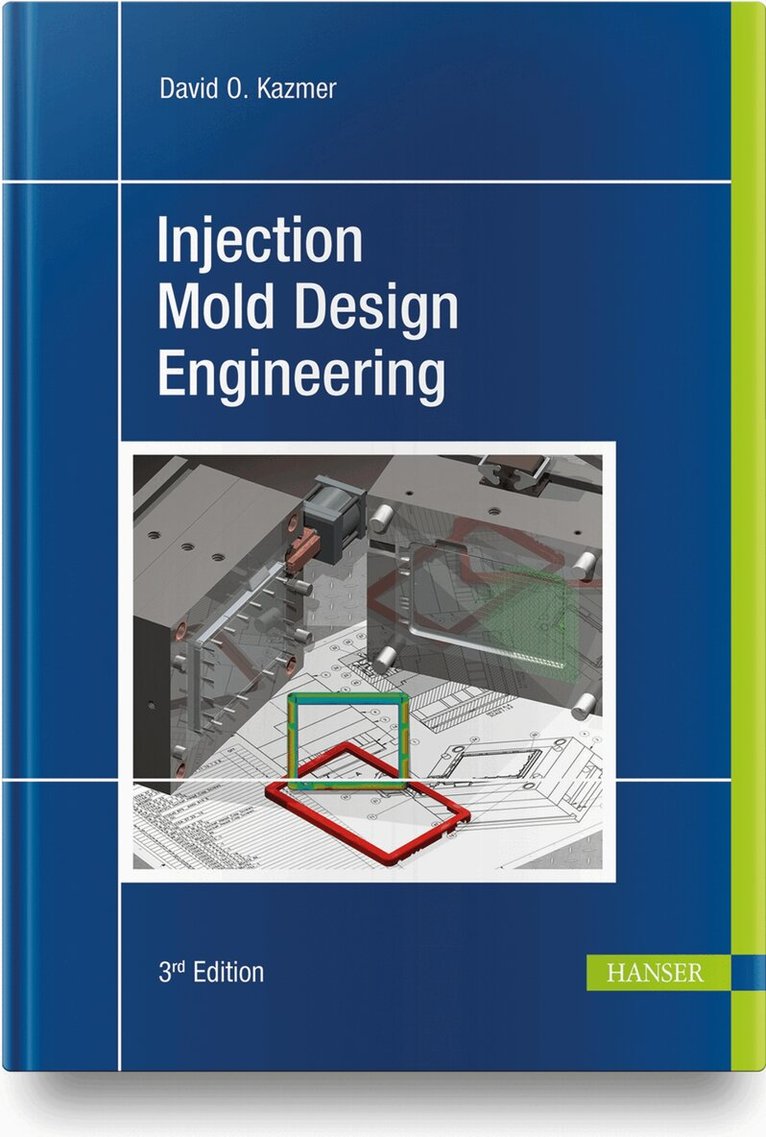
This book provides a structured methodology and scientific basis for engineering injection molds. The topics are presented in a top-down manner, beginning with introductory definitions and the big picture before proceeding to layout and detailed design of molds. The book provides very pragmatic analysis with worked examples that can be readily adapted to real-world product design applications. It will help students and practitioners to understand the inner workings of injection molds and encourage them to think outside the box in developing innovative and highly functional mold designs.Injection molding continues to be a core plastics manufacturing process, but now has competition from additive manufacturing for certain applications, and environmental concerns are in the spotlight. The 3rd edition addresses these issues, in particular with a new chapter on mold manufacturing strategy to provide an overview of the most common machining and additive manufacturing processes with cost and time models to guide the manufacturing strategy; updated and simplified break-even cost models to assist in the mold layout design (number of cavities and type of mold) vs. 3D printing; a new section on environmental concerns include mold design for recycled resins; and updates to the International Tolerance standards, and the new technology and simulation sections.