David R. Woodward – Författare
Visar alla böcker från författaren David R. Woodward. Handla med fri frakt och snabb leverans.
5 produkter
5 produkter
Field Marshal Sir William Robertson
Chief of the Imperial General Staff in the Great War
Inbunden, Engelska, 1998
1 071 kr
Skickas inom 10-15 vardagar
Sir William Robertson served as the professional head of the British army and as the constitutional military adviser to both Asquith and Lloyd George from December 1915 to February 1918. This account, based on many new sources, critically examines his leadership of the general staff as the burden of fighting the main body of the German army shifted to the British. This study sheds light on the origins and conduct of the Somme and Passchendaele offensives, and the efforts to coordinate the Allied war effort, especially the controversial effort to subordinate Haig to General Nivelle and the creation of the Supreme War Council with its inter-allied staff. The civil-military conflict over the conduct of the war, especially the growing divide between Robertson and Lloyd George, receives special attention. The previously unexplored tension between Robertson and Haig who formed the most important military partnership in British history is also examined. This account represents the untold story of the higher direction of the war in Britain.
833 kr
Skickas inom 10-15 vardagar
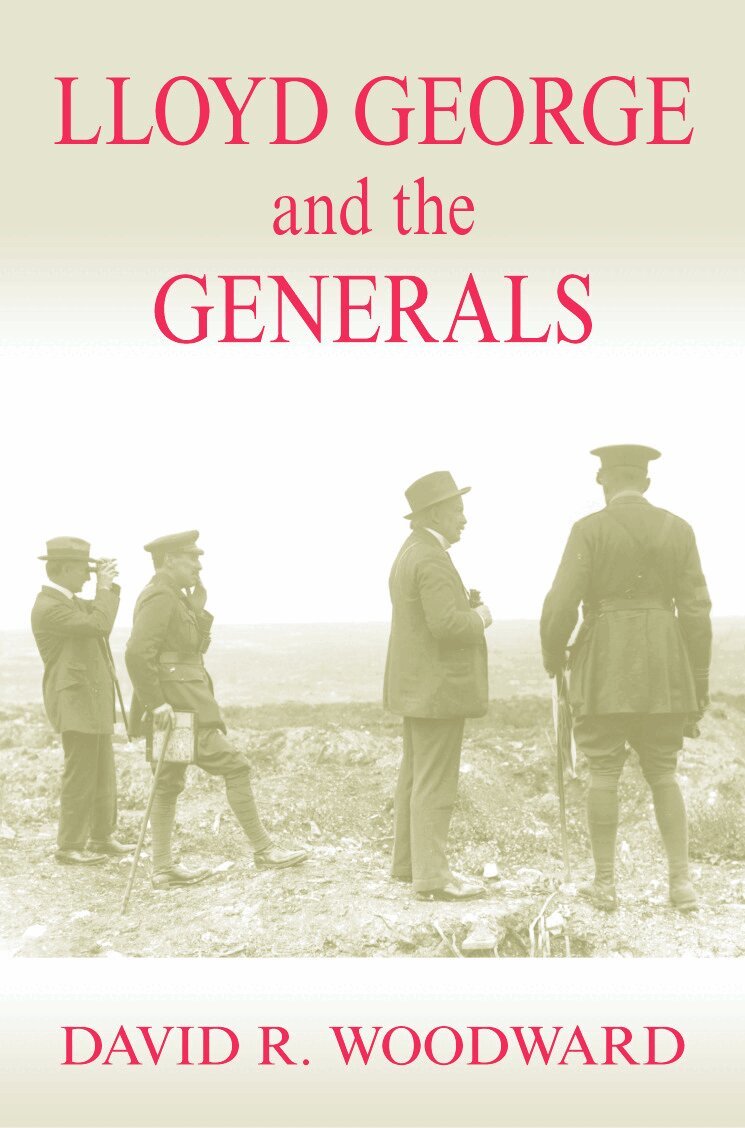
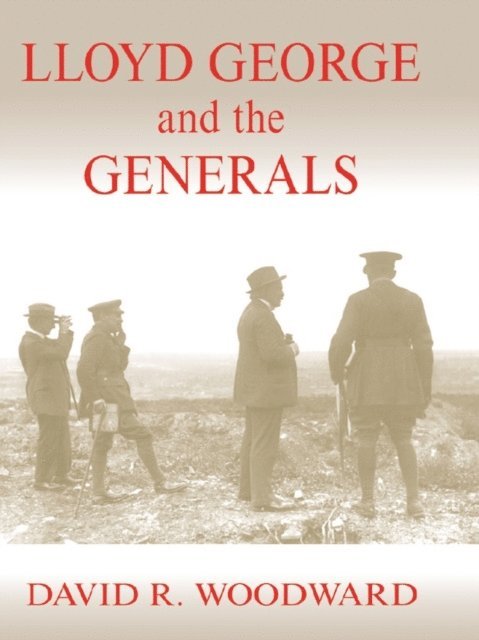
The frustrating stalemate on the western front with its unprecedented casualties provoked a furious debate in London between the civil and military authorities over the best way to defeat Germany. The passions aroused continued to the present day. The mercurial and dynamic David Lloyd George stood at the centre of this controversy throughout the war. His intervention in military questions and determination to redirect strategy put him at odds with the leading soldiers and admirals of his day.Professor Woodward, a student of the Great War for some four decades, explores the at times Byzantine atmosphere at Whitehall by exhaustive archival research in official and private papers. The focus is on Lloyd George and his adversaries such as Lord Kitchener, General Sir William Robertson, and Field Marshall Sir Douglas Haig. The result is a fresh, compelling and detailed account of the interaction between civil and military authorities in total war.
2 246 kr
Skickas inom 10-15 vardagar
The frustrating stalemate on the western front with its unprecedented casualties provoked a furious debate in London between the civil and military authorities over the best way to defeat Germany. The passions aroused continued to the present day. The mercurial and dynamic David Lloyd George stood at the centre of this controversy throughout the war. His intervention in military questions and determination to redirect strategy put him at odds with the leading soldiers and admirals of his day.Professor Woodward, a student of the Great War for some four decades, explores the at times Byzantine atmosphere at Whitehall by exhaustive archival research in official and private papers. The focus is on Lloyd George and his adversaries such as Lord Kitchener, General Sir William Robertson, and Field Marshall Sir Douglas Haig. The result is a fresh, compelling and detailed account of the interaction between civil and military authorities in total war.
584 kr
Skickas inom 3-6 vardagar
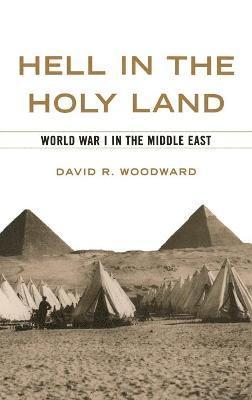
In the modern popular imagination, the British Army's campaign in the Middle East during World War I is considered somehow less brutal than the fighting on European battlefields. A romantic view of this conflict has been further encouraged by such films as Lawrence of Arabia and The Light Horsemen. In Hell in the Holy Land, David R. Woodward uses graphic eyewitness accounts from the diaries, letters, and memoirs of British soldiers who fought in that war to describe in rigorous detail the genuine experience of the fighting and dying in Egypt and Palestine. The massive flow of troops and equipment to Egypt eventually made that country host to the largest British military base outside of Britain and France. Though many soldiers found the atmosphere in Cairo exotic, the desert countryside made the fundamentals of fighting and troop maintenance extremely difficult. The intense heat frequently sickened soldiers, and unruly camels were the only practical means of transport across the soft sands of the Sinai. The constant shortage of potable water was a persistent problem for the troops; one soldier recalled, "It is impossible to realize the depth a man will sink to endeavor to appease the terrible horror of thirst." The voices of these British soldiers offer a forgotten perspective of the Great War, describing not only the physical and psychological toll of combat but the daily struggles of soldiers who were stationed in an unfamiliar environment that often proved just as antagonistic as the enemy. A soldier of the Dorset Yeomanry, stationed in Egypt, wrote: "There are three sounds in Egypt which never cease - the creaking of the waterwheels, the song of the frogs, and the buzz of flies.... Letter writing is an impossibility in the evening, for as soon as the sun goes down, if a lamp is lighted, the air all round is thick with little grey sand-flies which bite disgustingly." Using archival records, many from the Imperial War Museum in London, England, Woodward paints a vivid picture of the mayhem, terror, boredom, filth, and sacrifice that marked the daily life of British soldiers in the Middle East. In telling the story of these soldiers, Woodward provides a personal history of a campaign that laid the groundwork for the continuing turmoil in the Middle East.
428 kr
Skickas inom 3-6 vardagar
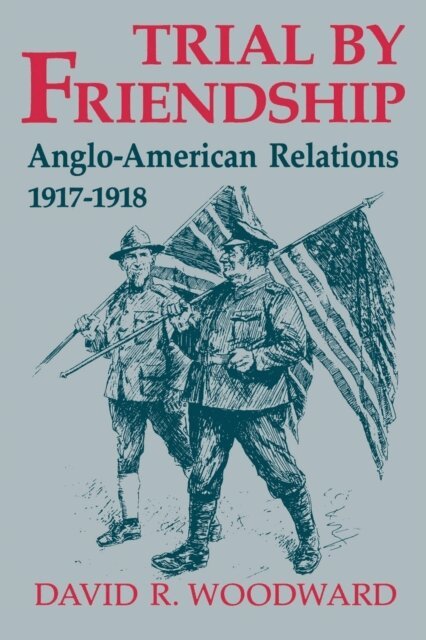
During the crucial period of 1917-1918, the United States superseded Great Britain as the premier power in the world. The differing strategic perspectives of London and Washington were central to the tensions and misunderstandings that separated the two dominant powers in 1918 and determined how these two countries would interact following the Armistice.David R. Woodward traces the projection of American military power to western Europe and analyzes in depth the strategic goals of the American political and military leadership in this first comprehensive study of Anglo-American relations in the land war in Europe. Based on extensive research in British and American archives, the study focuses on Woodrow Wilson and David Lloyd George, whose relationship was poisoned by the mutual suspicion and hostility generated by their disagreements over strategy and military policy.President Wilson sought to use his country's military effort in western Europe as a tool to gain acceptance for his "new diplomacy." The British, anxious over the Turko-German threat to Asia and their worsening manpower situation, sought to utilize American military intervention for their own political/military purposes.Woodward's use of unpublished sources provides new perspectives on war leadership, and his analysis of the British-American interaction serves as a case study of the inevitable tension between national self-interest and efforts at collective security, even among nations that share many cultural and political values.For historians and anyone interested in military history and World War I, Trial by Friendship fills a gap in the study of Anglo-American relations by providing a strong, well- written study on an area of American history that has received scant attention from scholars.