David Reubi - Böcker
Visar alla böcker från författaren David Reubi. Handla med fri frakt och snabb leverans.
4 produkter
4 produkter
634 kr
Skickas inom 10-15 vardagar
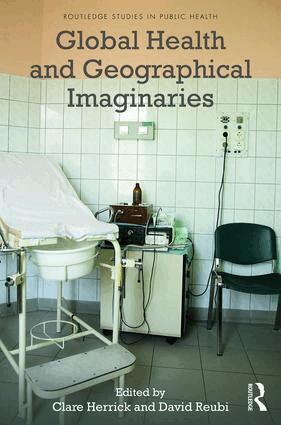
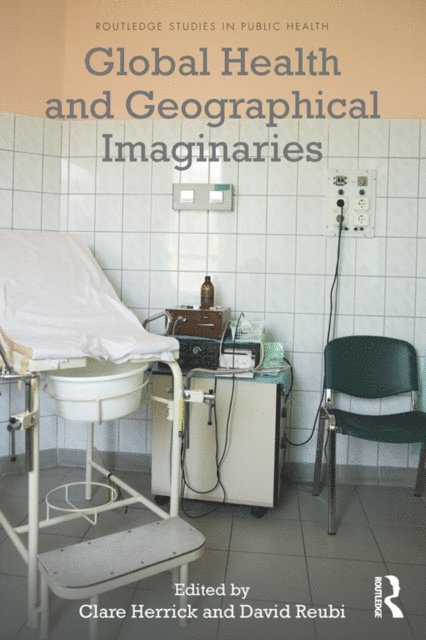
To date, geography has not yet carved out a disciplinary niche within the diffuse domain that constitutes global health. However, the compulsion to do and understand global health emerges largely from contexts that geography has long engaged with: urbanisation, globalisation, political economy, risk, vulnerability, lifestyles, geopolitics, culture, governance, development and the environment. Moreover, global health brings with it an innate, powerful and politicising spatial logic that is only now starting to emerge as an object of enquiry.This book aims to draw attention to and showcase the wealth of existing and emergent geographical contributions to what has recently been termed ‘critical global health studies’. Geographical perspectives, this collection argues, are essential to bringing new and critical perspectives to bear on the inherent complexities and interconnectedness of global health problems and purported solutions. Thus, rather than rehearsing the frequent critique that global health is more a ‘set of problems’ than a coherent disciplinary approach to ameliorating the health of all and redressing global bio-inequalities; this collection seeks to explore what these problems might represent and the geographical imaginaries inherent in their constitution.This unique volume of geographical writings on global health not only deepens social scientific engagements with health itself, but in so doing, brings forth a series of new conceptual, methodological and empirical contributions to social scientific, multidisciplinary scholarship.
1 313 kr
Skickas inom 10-15 vardagar
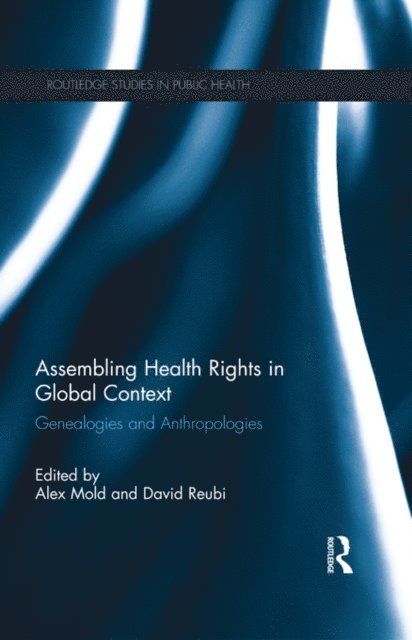
What do we mean when we talk about rights in relation to health? Where does the language of health rights come from, and what are the implications of using such a discourse? During the last 20 years there have been an increasing number of initiatives and efforts – for instance in relation to HIV/AIDS – which draw on the language, institutions and procedures of human rights in the field of global health. This book explores the historical, cultural and social context of public health activists’ increasing use of rights discourse and examines the problems it can entail in practice. Structured around three interlinked themes, this book begins by looking at what health as a right means for our understandings of citizenship and political subjectivities. It then goes on to look at how and why some health problems came to be framed as human rights issues. The final part of the book investigates what happens when health rights are put into practice – how these are implemented, realised, cited, ignored and resisted. Assembling Health Rights in Global Context provides an in-depth discussion of the historical, anthropological, social and political context of rights in health and develops much needed critical perspectives on the human rights approach to global health. It will be of interest to scholars of public health and human rights within health care as well as sociology and anthropology.
2 232 kr
Skickas inom 10-15 vardagar
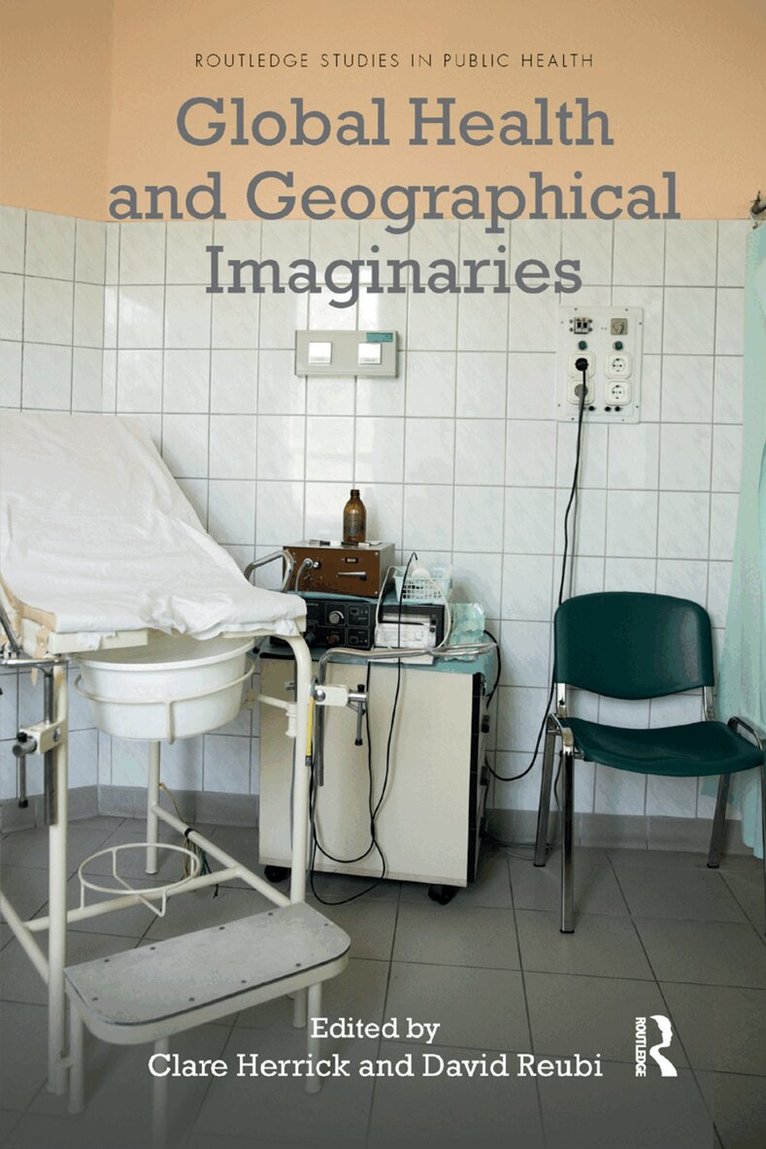
To date, geography has not yet carved out a disciplinary niche within the diffuse domain that constitutes global health. However, the compulsion to do and understand global health emerges largely from contexts that geography has long engaged with: urbanisation, globalisation, political economy, risk, vulnerability, lifestyles, geopolitics, culture, governance, development and the environment. Moreover, global health brings with it an innate, powerful and politicising spatial logic that is only now starting to emerge as an object of enquiry.This book aims to draw attention to and showcase the wealth of existing and emergent geographical contributions to what has recently been termed ‘critical global health studies’. Geographical perspectives, this collection argues, are essential to bringing new and critical perspectives to bear on the inherent complexities and interconnectedness of global health problems and purported solutions. Thus, rather than rehearsing the frequent critique that global health is more a ‘set of problems’ than a coherent disciplinary approach to ameliorating the health of all and redressing global bio-inequalities; this collection seeks to explore what these problems might represent and the geographical imaginaries inherent in their constitution.This unique volume of geographical writings on global health not only deepens social scientific engagements with health itself, but in so doing, brings forth a series of new conceptual, methodological and empirical contributions to social scientific, multidisciplinary scholarship.
441 kr
Skickas inom 10-15 vardagar
What do we mean when we talk about rights in relation to health? Where does the language of health rights come from, and what are the implications of using such a discourse? During the last 20 years there have been an increasing number of initiatives and efforts – for instance in relation to HIV/AIDS – which draw on the language, institutions and procedures of human rights in the field of global health. This book explores the historical, cultural and social context of public health activists’ increasing use of rights discourse and examines the problems it can entail in practice. Structured around three interlinked themes, this book begins by looking at what health as a right means for our understandings of citizenship and political subjectivities. It then goes on to look at how and why some health problems came to be framed as human rights issues. The final part of the book investigates what happens when health rights are put into practice – how these are implemented, realised, cited, ignored and resisted. Assembling Health Rights in Global Context provides an in-depth discussion of the historical, anthropological, social and political context of rights in health and develops much needed critical perspectives on the human rights approach to global health. It will be of interest to scholars of public health and human rights within health care as well as sociology and anthropology.