David Rich Lewis - Böcker
Visar alla böcker från författaren David Rich Lewis. Handla med fri frakt och snabb leverans.
3 produkter
3 produkter
350 kr
Skickas inom 5-8 vardagar
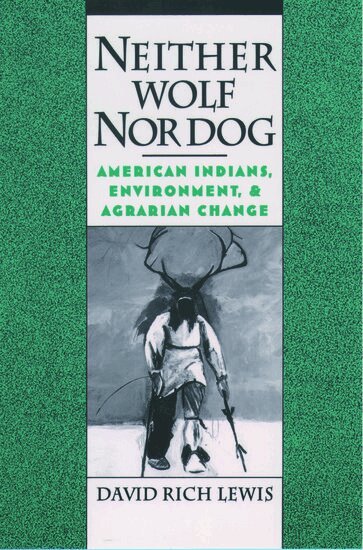
During the nineteenth century, Americans looked to the eventual civilization and assimilation of Native Americans through a process of removal, reservation, and directed culture change. Policies for directed subsistence change and incorporation had far-reaching social and environmental consequences for native peoples and native lands. This study explores the experiences of three groups--Northern Utes, Hupas, and Tohono O'odhams--with settled reservation and allotted agriculture in the nineteenth and twentieth centuries. Each group inhabited a different environment, and their cultural traditions reflected distinct subsistence adaptations to life in the western United States. Each experienced the full weight of federal agrarian policy yet responded differently, in culturally consistent ways, to subsistence change and the resulting social and environmental consequences. Attempts to establish successful agricultural economies ultimately failed as each group reproduced their own cultural values in a diminished and rapidly changing environment. In the end, such policies and agrarian experiences left Indian farmers marginally incorporated and economically dependent.
829 kr
Skickas inom 5-8 vardagar
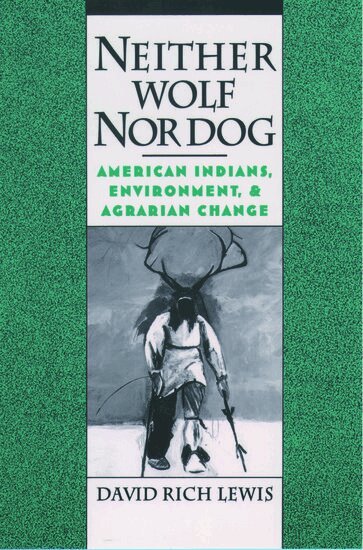
During the nineteenth century, Americans looked to the eventual civilization and assimilation of Native Americans through a process of removal, reservation, and directed culture change. Policies for directed subsistence change and incorporation had far-reaching social and environmental consequences for native peoples and native lands. This study explores the experiences of three groups--Northern Utes, Hupas, and Tohono O'odhams--with settled reservation and allottedagriculture in the nineteenth and twentieth centuries. Each group inhabited a different environment, and their cultural traditions reflected distinct subsistence adaptations to life in the westernUnited States. Each experienced the full weight of federal agrarian policy yet responded differently, in culturally consistent ways, to subsistence change and the resulting social and environmental consequences. Attempts to establish successful agricultural economies ultimately failed as each group reproduced their own cultural values in a diminished and rapidly changing environment. In the end, such policies and agrarian experiences left Indian farmers marginally incorporated and economicallydependent.
315 kr
Skickas inom 10-15 vardagar
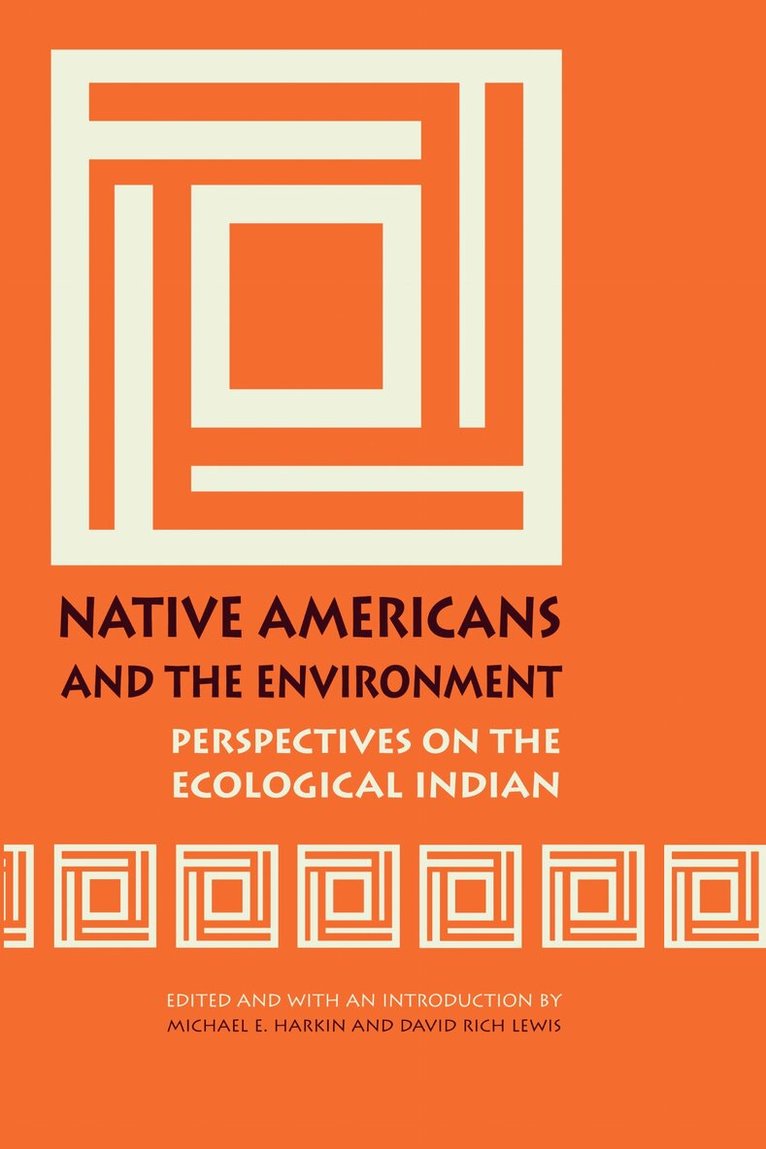
Native Americans and the Environment brings together an interdisciplinary group of prominent scholars whose works continue and complicate the conversations that Shepard Krech started in The Ecological Indian. Hailed as a masterful synthesis and yet assailed as a problematic political tract, Shepard Krech's work prompted significant discussions in scholarly communities and among Native Americans. Rather than provide an explicit assessment of Krech's thesis, the contributors to this volume explore related historical and contemporary themes and subjects involving Native Americans and the environment, reflecting their own research and experience. At the same time, they also assess the larger issue of representation. The essays examine topics as divergent as Pleistocene extinctions and the problem of storing nuclear waste on modern reservations. They also address the image of the "ecological Indian" and its use in natural history displays alongside a consideration of the utility and consequences of employing such a powerful stereotype for political purposes. The nature and evolution of traditional ecological knowledge is examined, as is the divergence between belief and practice in Native resource management. Geographically, the focus extends from the eastern Subarctic to the Northwest Coast, from the Great Lakes to the Great Plains to the Great Basin.