David S. Dalton - Böcker
Visar alla böcker från författaren David S. Dalton. Handla med fri frakt och snabb leverans.
13 produkter
13 produkter
1 004 kr
Skickas inom 7-10 vardagar
Anti-Catholicism in the Mexican Revolution, 1913-1940 examines anti-Catholic leaders and movements during the Mexican Revolution, an era that resulted in a constitution denying the Church political rights. Anti-Catholic Mexicans recognized a common enemy in a politically active Church in a predominantly Catholic nation. Many books have elucidated the popular roots and diversity of Roman Catholicism in Mexico, but the perspective of the Church's adversaries has remained much less understood.This volume provides a fresh perspective on the violent conflict between Catholics and the revolutionary state. The zeal with which anti-Catholics pursued their goals - and the equal vigor with which Catholics defended their Church and their faith - explains why the conflict between Catholics and anti-Catholics turned violent, culminating in the Cristero Rebellion (1926-1929 .Collecting essays by a team of senior scholars in history and cultural studies, the book includes chapters on anti-Catholic leaders and intellectuals, movements promoting scientific education and anti-alcohol campaigns, muralism, feminist activists, and Mormons and Mennonites.
309 kr
Skickas inom 7-10 vardagar
Anti-Catholicism in the Mexican Revolution, 1913-1940 examines anti-Catholic leaders and movements during the Mexican Revolution, an era that resulted in a constitution denying the Church political rights. Anti-Catholic Mexicans recognized a common enemy in a politically active Church in a predominantly Catholic nation. Many books have elucidated the popular roots and diversity of Roman Catholicism in Mexico, but the perspective of the Church's adversaries has remained much less understood.This volume provides a fresh perspective on the violent conflict between Catholics and the revolutionary state. The zeal with which anti-Catholics pursued their goals - and the equal vigor with which Catholics defended their Church and their faith - explains why the conflict between Catholics and anti-Catholics turned violent, culminating in the Cristero Rebellion (1926-1929 .Collecting essays by a team of senior scholars in history and cultural studies, the book includes chapters on anti-Catholic leaders and intellectuals, movements promoting scientific education and anti-alcohol campaigns, muralism, feminist activists, and Mormons and Mennonites.
Robo Sacer
Necroliberalism and Cyborg Resistance in Mexican and Chicanx Dystopias
Häftad, Engelska, 2023
578 kr
Skickas inom 5-8 vardagar
Robo Sacer engages the digital humanities, critical race theory, border studies, biopolitical theory, and necropolitical theory to interrogate how technology has been used to oppress people of Mexican descent—both within Mexico and in the United States—since the advent of the North American Free Trade Agreement (NAFTA) in 1994. As the book argues, robo-sacer identity emerges as transnational flows of bodies, capital, and technology become an institutionalized state of exception that relegates people from marginalized communities to the periphery.And yet, the same technology can be utilized by the oppressed in the service of resistance. The texts studied here represent speculative stories about this technological empowerment. These texts theorize different means of techno-resistance to key realities that have emerged within Mexican and Chicano/a/x communities under the rise and reign of neoliberalism. The first three chapters deal with dehumanization, the trafficking of death, and unbalanced access to technology. The final two chapters deal with the major forms of violence—feminicide and drug-related violence—that have grown exponentially in Mexico with the rise of neoliberalism. These stories theorize the role of technology both in oppressing and in providing the subaltern with necessary tools for resistance.Robo Sacer builds on the previous studies of Sayak Valencia, Irmgard Emmelhainz, Guy Emerson, Achille Mbembe, and of course Giorgio Agamben, but it differentiates itself from them through its theorization on how technology—and particularly cyborg subjectivity—can amend the reigning biopolitical and necropolitical structures of power in potentially liberatory ways. Robo Sacer shows how the cyborg can denaturalize constructs of zoē by providing an outlet through which the oppressed can tell their stories, thus imbuing the oppressed with the power to combat imperialist forces.
Robo Sacer
Necroliberalism and Cyborg Resistance in Mexican and Chicanx Dystopias
Inbunden, Engelska, 2023
1 620 kr
Skickas inom 5-8 vardagar
Robo Sacer engages the digital humanities, critical race theory, border studies, biopolitical theory, and necropolitical theory to interrogate how technology has been used to oppress people of Mexican descent—both within Mexico and in the United States—since the advent of the North American Free Trade Agreement (NAFTA) in 1994. As the book argues, robo-sacer identity emerges as transnational flows of bodies, capital, and technology become an institutionalized state of exception that relegates people from marginalized communities to the periphery.And yet, the same technology can be utilized by the oppressed in the service of resistance. The texts studied here represent speculative stories about this technological empowerment. These texts theorize different means of techno-resistance to key realities that have emerged within Mexican and Chicano/a/x communities under the rise and reign of neoliberalism. The first three chapters deal with dehumanization, the trafficking of death, and unbalanced access to technology. The final two chapters deal with the major forms of violence—feminicide and drug-related violence—that have grown exponentially in Mexico with the rise of neoliberalism. These stories theorize the role of technology both in oppressing and in providing the subaltern with necessary tools for resistance.Robo Sacer builds on the previous studies of Sayak Valencia, Irmgard Emmelhainz, Guy Emerson, Achille Mbembe, and of course Giorgio Agamben, but it differentiates itself from them through its theorization on how technology—and particularly cyborg subjectivity—can amend the reigning biopolitical and necropolitical structures of power in potentially liberatory ways. Robo Sacer shows how the cyborg can denaturalize constructs of zoē by providing an outlet through which the oppressed can tell their stories, thus imbuing the oppressed with the power to combat imperialist forces.
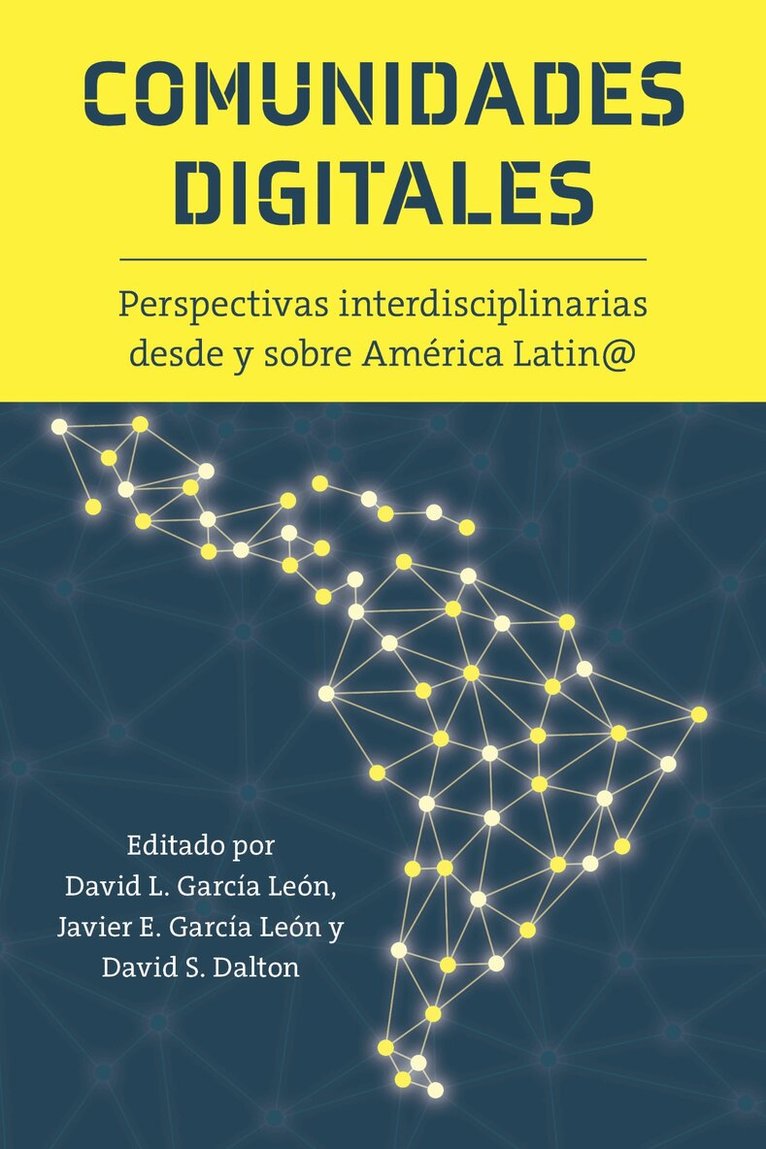
Comunidades Digitales
Perspectivas Interdisciplinarias Desde Y Sobre América Latin@
Häftad, Engelska, 2026
309 kr
Skickas inom 7-10 vardagar
Comunidades digitales. Perspectivas interdisciplinarias desde y sobre América Latin@ ofrece una mirada innovadora a cómo lo digital configura la vida cotidiana, los vínculos sociales, el activismo y las identidades en la región. A través de estudios de caso que abarcan temas como género, sexualidad, raza, etnicidad y redes sociales, el libro reúne voces de investigadores de distintas disciplinas—desde los estudios culturales hasta la sociolingüística—para explorar cómo se construyen y negocian comunidades en entornos digitales. Su enfoque interdisciplinario e interseccional lo convierte en una contribución clave para los estudios latinoamericanos contemporáneos. Además, al incluir trabajos de autores de diversas partes de las Américas, el libro busca tender puentes entre el Norte y el Sur global, enriqueciendo el diálogo académico sobre tecnología, cultura y sociedad en el siglo XXI.
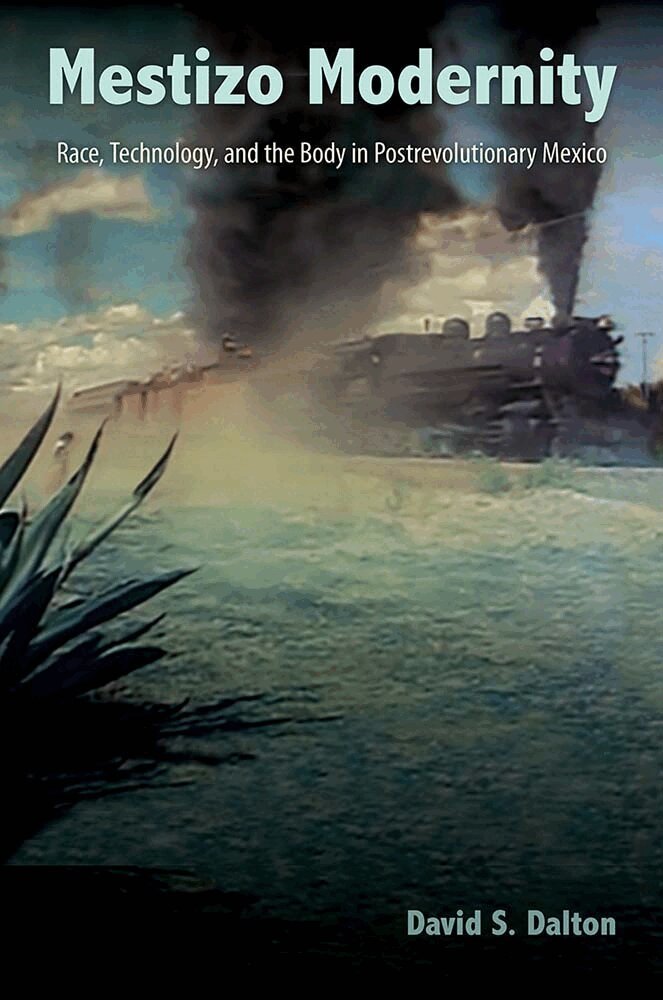
Mestizo Modernity
Race, Technology, and the Body in Post-Revolutionary Mexico
Inbunden, Engelska, 2018
939 kr
Skickas inom 10-15 vardagar
After the end of the Mexican Revolution in 1917, post-revolutionary leaders hoped to assimilate the country’s racially diverse population into one official mixed-race identity—the mestizo. This book shows that as part of this vision, the Mexican government believed it could modernize “primitive” indigenous peoples through technology in the form of education, modern medicine, industrial agriculture, and factory work. David Dalton takes a close look at how authors, artists, and thinkers—some state-funded, some independent—engaged with official views of Mexican racial identity from the 1920s to the 1970s. Dalton surveys essays, plays, novels, murals, and films that portray indigenous bodies being fused, or hybridized, with technology. He examines José Vasconcelos’s essay “The Cosmic Race” and the influence of its ideologies on mural artists such as Diego Rivera and José Clemente Orozco. He discusses the theme of introducing Amerindians to medical hygiene and immunizations in the films of Emilio “El Indio” Fernández. He analyzes the portrayal of indigenous monsters in the films of El Santo, as well as Carlos Olvera’s critique of post-revolutionary worldviews in the novel Mejicanos en el espacio. Incorporating the perspectives of posthumanism and cyborg studies, Dalton shows that technology played a key role in race formation in Mexico throughout the twentieth century. This cutting-edge study offers fascinating new insights into the culture of mestizaje, illuminating the attitudes that inform Mexican race relations in the present day.
1 049 kr
Skickas inom 10-15 vardagar
Illustrating the diversity of disciplines that intersect within global health studies, Healthcare in Latin America is the first volume to gather research by many of the foremost scholars working on the topic and region in fields such as history, sociology, women’s studies, political science, and cultural studies.Through this unique eclectic approach, contributors explore the development and representation of public health in countries including Argentina, Bolivia, Brazil, Chile, Colombia, Cuba, Ecuador, El Salvador, Guatemala, Mexico, Nicaragua, Puerto Rico, and the United States. They examine how national governments, whether reactionary or revolutionary, have approached healthcare as a means to political legitimacy and popular support. Several essays contrast modern biomedicine-based treatment with Indigenous healing practices. Other topics include universal health coverage, childbirth, maternal care, forced sterilization, trans and disabled individuals’ access to care, intersexuality, and healthcare disparities, many of which are discussed through depictions in films and literature.As economic and political conditions have shifted amid modernization efforts, independence movements, migrations, and continued inequities, so have the policies and practices of healthcare also developed and changed. This book offers a rich overview of how the stories of healthcare in Latin America are intertwined with the region’s political, historical, and cultural identities.
281 kr
Skickas inom 10-15 vardagar
Honorable Mention, Latin American Studies Association Mexico Section Best Book in the HumanitiesAfter the end of the Mexican Revolution in 1917, postrevolutionary leaders hoped to assimilate the country's racially diverse population into one official mixed-race identity—the mestizo. This book shows that as part of this vision, the Mexican government believed it could modernize "primitive" Indigenous peoples through technology in the form of education, modern medicine, industrial agriculture, and factory work. David Dalton takes a close look at how authors, artists, and thinkers—some state-funded, some independent—engaged with official views of Mexican racial identity from the 1920s to the 1970s.Dalton surveys essays, plays, novels, murals, and films that portray indigenous bodies being fused, or hybridized, with technology. He examines José Vasconcelos's essay "The Cosmic Race" and the influence of its ideologies on mural artists such as Diego Rivera and José Clemente Orozco. He discusses the theme of introducing Amerindians to medical hygiene and immunizations in the films of Emilio "El Indio" Fernández. He analyzes the portrayal of indigenous monsters in the films of El Santo, as well as Carlos Olvera's critique of postrevolutionary worldviews in the novel Mejicanos en el espacio.Incorporating the perspectives of posthumanism and cyborg studies, Dalton shows that technology played a key role in race formation in Mexico throughout the twentieth century. This cutting-edge study offers fascinating new insights into the culture of mestizaje, illuminating the attitudes that inform Mexican race relations in the present day.A volume in the series Reframing Media, Technology, and Culture in Latin/o America, edited by Hector Fernandez L'Hoeste and Juan Carlos Rodriguez
377 kr
Skickas inom 10-15 vardagar
Illustrating the diversity of disciplines that intersect within global health studies, Healthcare in Latin America is the first volume to gather research by many of the foremost scholars working on the topic and region in fields such as history, sociology, women’s studies, political science, and cultural studies.Through this unique eclectic approach, contributors explore the development and representation of public health in countries including Argentina, Bolivia, Brazil, Chile, Colombia, Cuba, Ecuador, El Salvador, Guatemala, Mexico, Nicaragua, Puerto Rico, and the United States. They examine how national governments, whether reactionary or revolutionary, have approached healthcare as a means to political legitimacy and popular support. Several essays contrast modern biomedicine-based treatment with Indigenous healing practices. Other topics include universal health coverage, childbirth, maternal care, forced sterilization, trans and disabled individuals’ access to care, intersexuality, and healthcare disparities, many of which are discussed through depictions in films and literature.As economic and political conditions have shifted amid modernization efforts, independence movements, migrations, and continued inequities, so have the policies and practices of healthcare also developed and changed. This book offers a rich overview of how the stories of healthcare in Latin America are intertwined with the region’s political, historical, and cultural identities.
540 kr
Kommande
Digital Activism in the Mexican Nations analyzes Mexico's rich history of digital activism, which is among the most vibrant of any country in the Hispanic world. The book begins with a discussion of the Zapatista uprising of 1994—which is widely understood as the first digital social movement in the history of the world—and ends with a discussion of the digital strategies of migrant communities trekking through Mexico into the present.Conceptualizing (digital) activism as a type of performance, the book opens a dialogue with Brecht's binary of cathartic and transformative performance. As such, it suggests that activist movements centered on expressive manifestations of emotion tend to stifle a social movement's revolutionary potential by stifling their ability to resonate with potential allies outside their community. At the same time, it argues that the most successful digital social movements seek strategies to build connections with allies who can help them to shift state policy.
Digital Activism in the Mexican Nations
Resistance, Catharsis, Transformation
Inbunden, Engelska, 2026
1 362 kr
Kommande
Digital Activism in the Mexican Nations analyzes Mexico's rich history of digital activism, which is among the most vibrant of any country in the Hispanic world. The book begins with a discussion of the Zapatista uprising of 1994—which is widely understood as the first digital social movement in the history of the world—and ends with a discussion of the digital strategies of migrant communities trekking through Mexico into the present.Conceptualizing (digital) activism as a type of performance, the book opens a dialogue with Brecht's binary of cathartic and transformative performance. As such, it suggests that activist movements centered on expressive manifestations of emotion tend to stifle a social movement's revolutionary potential by stifling their ability to resonate with potential allies outside their community. At the same time, it argues that the most successful digital social movements seek strategies to build connections with allies who can help them to shift state policy.
370 kr
Skickas
Examines contemporary animation in Mexico—one of the most commercially successful and most understudied genres of the national cinema.Answering a call to view Mexican film through the lens of commercial cinema, Animation in Mexico, 2006 to 2022 is the first book-length study of the country's animated cinema in the twenty-first century. As such, the volume sheds light on one of the country's most strategically important and lucrative genres, subjecting it to sustained intellectual analysis for the first time. Building on earlier film history, David S. Dalton identifies two major periods, during which the focus shifted from success at the national box office to internationalization and streaming. In eight original essays, contributors use an array of theoretical and disciplinary approaches to interrogate how this popular genre interfaces with Mexican politics and society more broadly, from Huevocartoon to Coco and beyond. The book will appeal to students, scholars, and fans of Mexican film by situating animation within broader currents in the field and the industry.
1 229 kr
Skickas
Examines contemporary animation in Mexico—one of the most commercially successful and most understudied genres of the national cinema.Answering a call to view Mexican film through the lens of commercial cinema, Animation in Mexico, 2006 to 2022 is the first book-length study of the country's animated cinema in the twenty-first century. As such, the volume sheds light on one of the country's most strategically important and lucrative genres, subjecting it to sustained intellectual analysis for the first time. Building on earlier film history, David S. Dalton identifies two major periods, during which the focus shifted from success at the national box office to internationalization and streaming. In eight original essays, contributors use an array of theoretical and disciplinary approaches to interrogate how this popular genre interfaces with Mexican politics and society more broadly, from Huevocartoon to Coco and beyond. The book will appeal to students, scholars, and fans of Mexican film by situating animation within broader currents in the field and the industry.