David S. Roh - Böcker
Visar alla böcker från författaren David S. Roh. Handla med fri frakt och snabb leverans.
6 produkter
6 produkter
515 kr
Skickas inom 5-8 vardagar
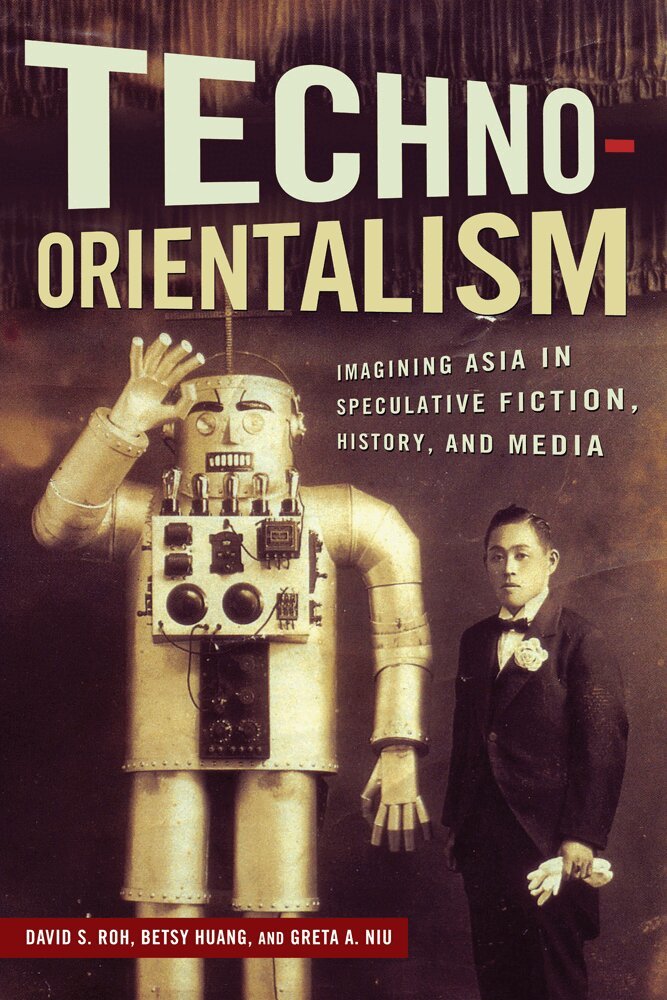
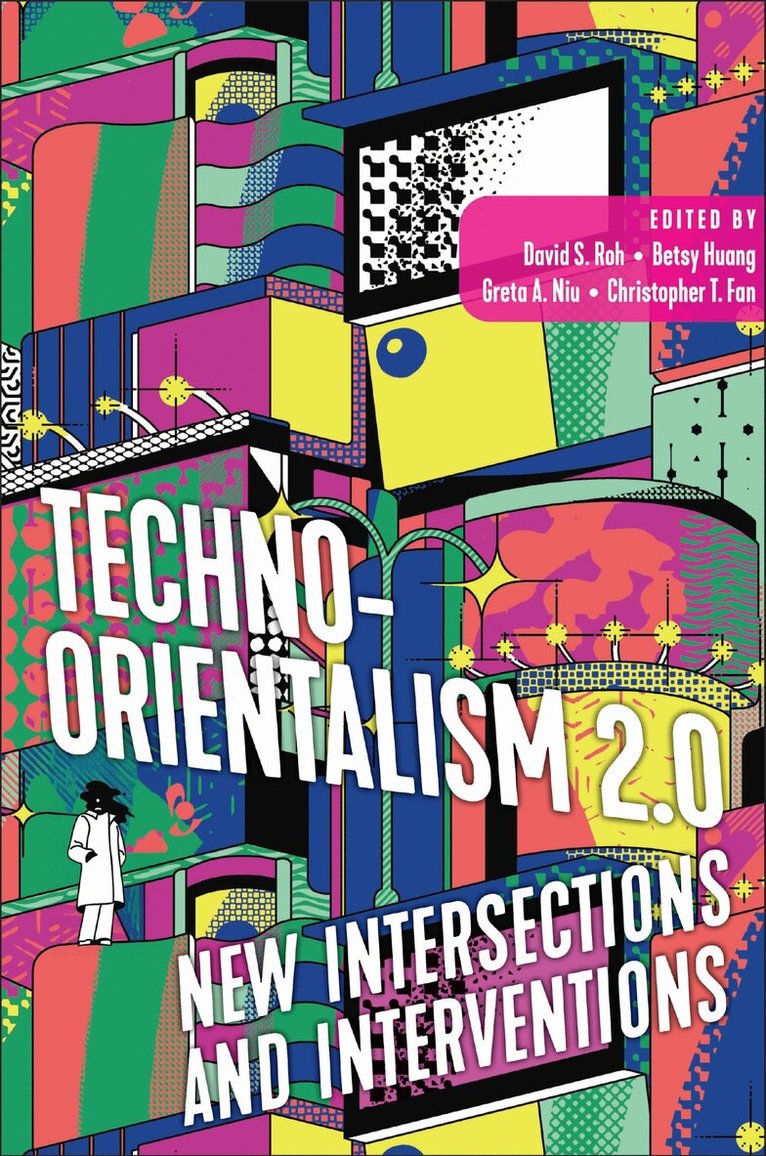
What will the future look like? To judge from many speculative fiction films and books, from Blade Runner to Cloud Atlas, the future will be full of cities that resemble Tokyo, Hong Kong, and Shanghai, and it will be populated mainly by cold, unfeeling citizens who act like robots. Techno-Orientalism investigates the phenomenon of imagining Asia and Asians in hypo- or hyper-technological terms in literary, cinematic, and new media representations, while critically examining the stereotype of Asians as both technologically advanced and intellectually primitive, in dire need of Western consciousness-raising. The collection’s fourteen original essays trace the discourse of techno-orientalism across a wide array of media, from radio serials to cyberpunk novels, from Sax Rohmer’s Dr. Fu Manchu to Firefly. Applying a variety of theoretical, historical, and interpretive approaches, the contributors consider techno-orientalism a truly global phenomenon. In part, they tackle the key question of how these stereotypes serve to both express and assuage Western anxieties about Asia’s growing cultural influence and economic dominance. Yet the book also examines artists who have appropriated techno-orientalist tropes in order to critique racist and imperialist attitudes. Techno-Orientalism is the first collection to define and critically analyze a phenomenon that pervades both science fiction and real-world news coverage of Asia. With essays on subjects ranging from wartime rhetoric of race and technology to science fiction by contemporary Asian American writers to the cultural implications of Korean gamers, this volume offers innovative perspectives and broadens conventional discussions in Asian American Cultural studies.
1 599 kr
Skickas inom 5-8 vardagar
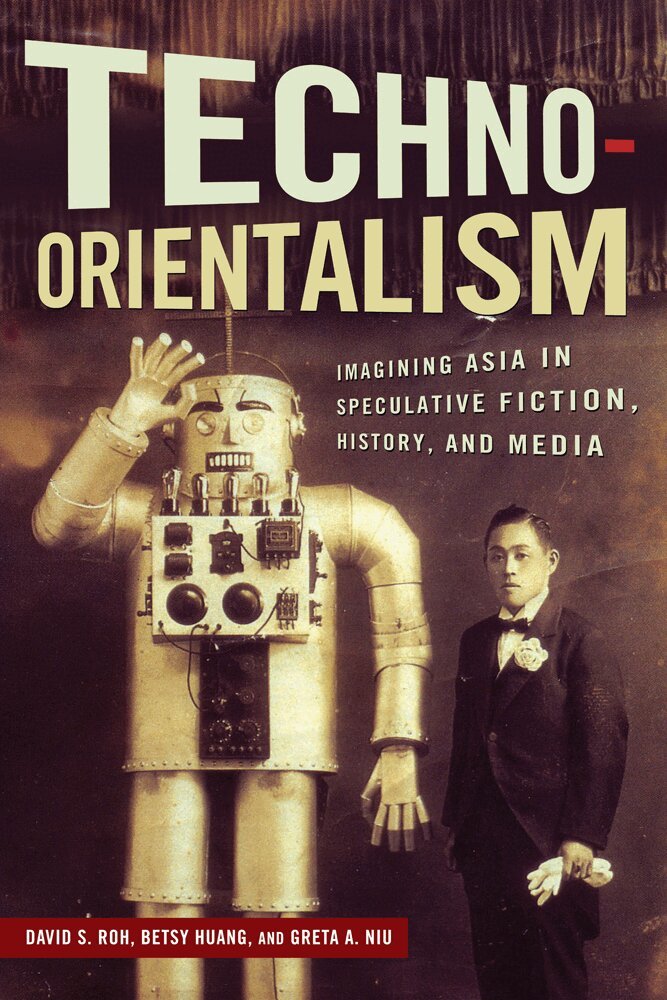
What will the future look like? To judge from many speculative fiction films and books, from Blade Runner to Cloud Atlas, the future will be full of cities that resemble Tokyo, Hong Kong, and Shanghai, and it will be populated mainly by cold, unfeeling citizens who act like robots. Techno-Orientalism investigates the phenomenon of imagining Asia and Asians in hypo- or hyper-technological terms in literary, cinematic, and new media representations, while critically examining the stereotype of Asians as both technologically advanced and intellectually primitive, in dire need of Western consciousness-raising. The collection’s fourteen original essays trace the discourse of techno-orientalism across a wide array of media, from radio serials to cyberpunk novels, from Sax Rohmer’s Dr. Fu Manchu to Firefly. Applying a variety of theoretical, historical, and interpretive approaches, the contributors consider techno-orientalism a truly global phenomenon. In part, they tackle the key question of how these stereotypes serve to both express and assuage Western anxieties about Asia’s growing cultural influence and economic dominance. Yet the book also examines artists who have appropriated techno-orientalist tropes in order to critique racist and imperialist attitudes. Techno-Orientalism is the first collection to define and critically analyze a phenomenon that pervades both science fiction and real-world news coverage of Asia. With essays on subjects ranging from wartime rhetoric of race and technology to science fiction by contemporary Asian American writers to the cultural implications of Korean gamers, this volume offers innovative perspectives and broadens conventional discussions in Asian American Cultural studies.
1 477 kr
Skickas inom 10-15 vardagar
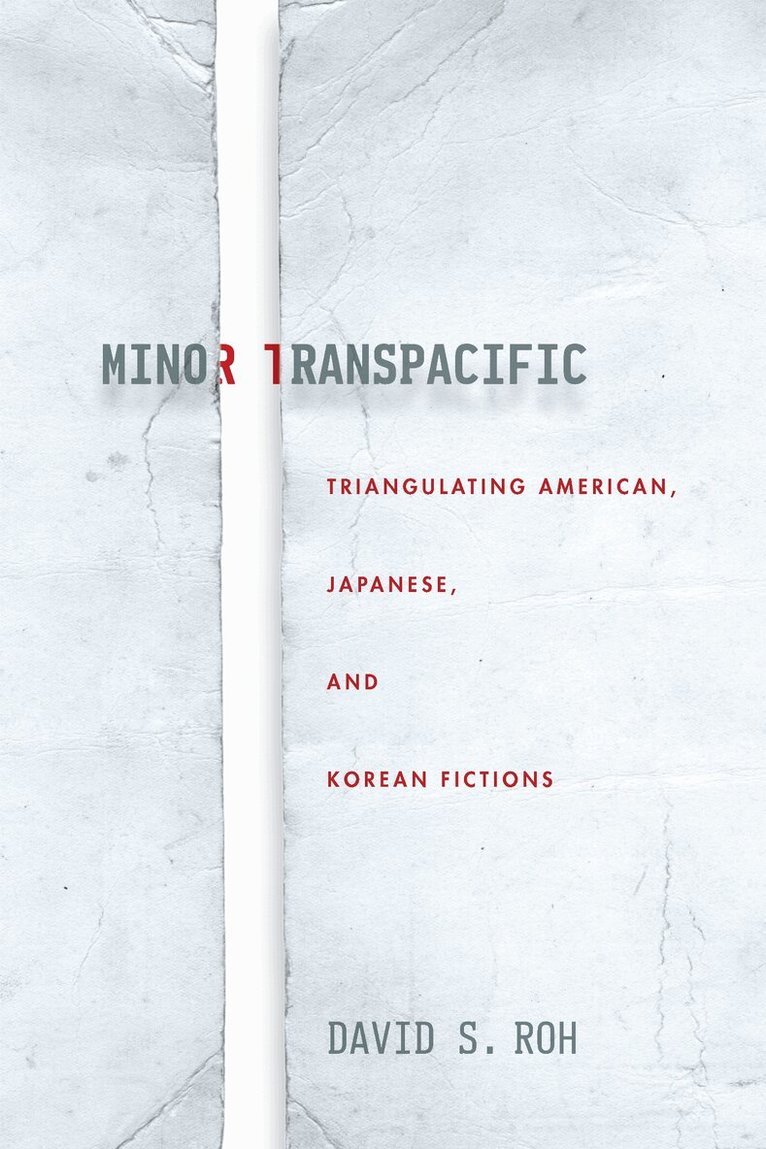
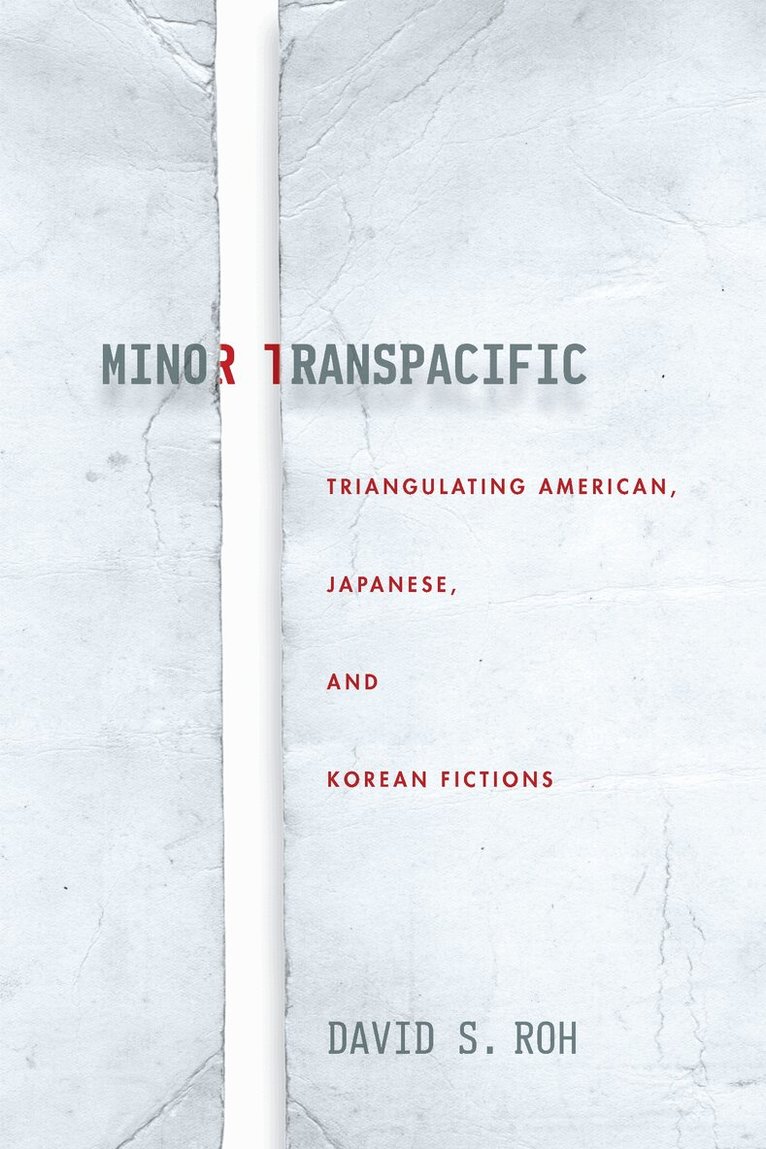
There is a tendency to think of Korean American literature—and Asian American literature writ large—as a field of study involving only two spaces, the United States and Korea, with the same being true in Asian studies of Korean Japanese (Zainichi) literature involving only Japan and Korea. This book posits that both fields have to account for three spaces: Korean American literature has to grapple with the legacy of Japanese imperialism in the United States, and Zainichi literature must account for American interventions in Japan. Comparing Korean American authors such as Younghill Kang, Chang-rae Lee, Ronyoung Kim, and Min Jin Lee with Zainichi authors such as Kaneshiro Kazuki, Yi Yang-ji, and Kim Masumi, Minor Transpacific uncovers their hidden dialogue and imperial concordances, revealing the trajectory and impact of both bodies of work.Minor Transpacific bridges the fields of Asian studies and Asian American studies to unveil new connections between Zainichi and Korean American literatures. Working in Japanese and English, David S. Roh builds a theoretical framework for articulating those moments of contact between minority literatures in a third national space and proposes a new way of conceptualizing Asian American literature.
355 kr
Skickas inom 7-10 vardagar
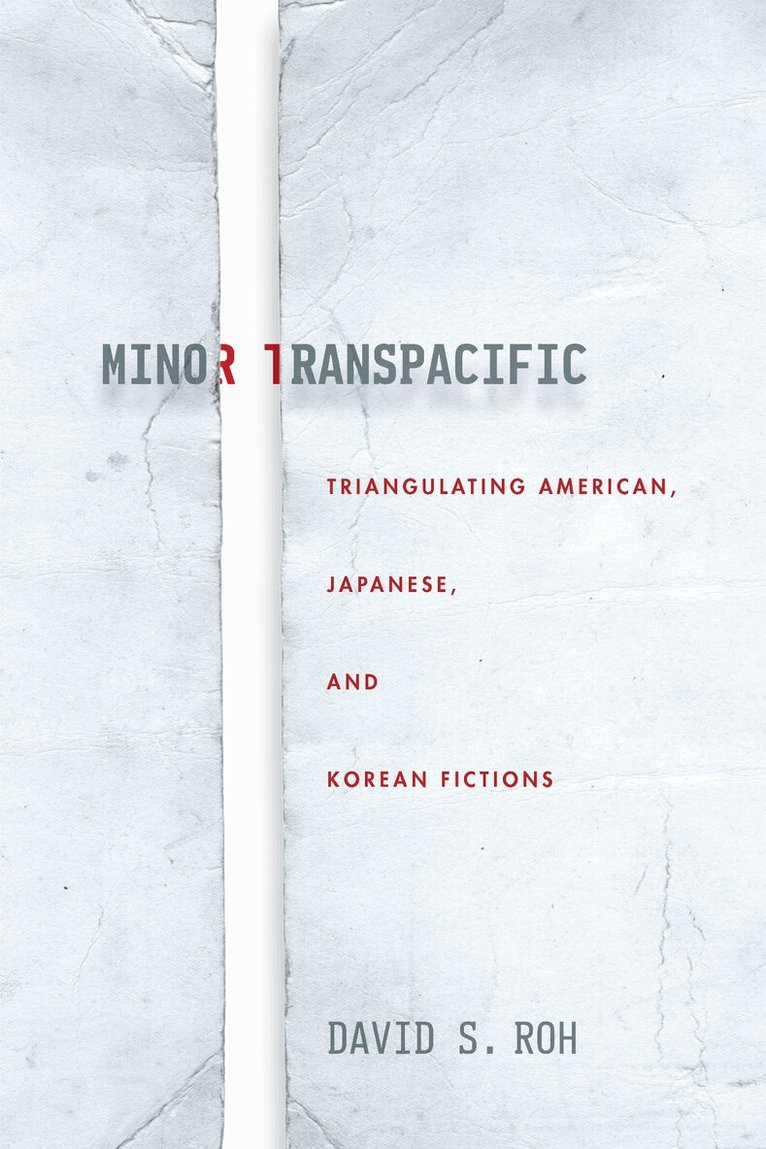
There is a tendency to think of Korean American literature—and Asian American literature writ large—as a field of study involving only two spaces, the United States and Korea, with the same being true in Asian studies of Korean Japanese (Zainichi) literature involving only Japan and Korea. This book posits that both fields have to account for three spaces: Korean American literature has to grapple with the legacy of Japanese imperialism in the United States, and Zainichi literature must account for American interventions in Japan. Comparing Korean American authors such as Younghill Kang, Chang-rae Lee, Ronyoung Kim, and Min Jin Lee with Zainichi authors such as Kaneshiro Kazuki, Yi Yang-ji, and Kim Masumi, Minor Transpacific uncovers their hidden dialogue and imperial concordances, revealing the trajectory and impact of both bodies of work.Minor Transpacific bridges the fields of Asian studies and Asian American studies to unveil new connections between Zainichi and Korean American literatures. Working in Japanese and English, David S. Roh builds a theoretical framework for articulating those moments of contact between minority literatures in a third national space and proposes a new way of conceptualizing Asian American literature.
414 kr
Skickas inom 7-10 vardagar
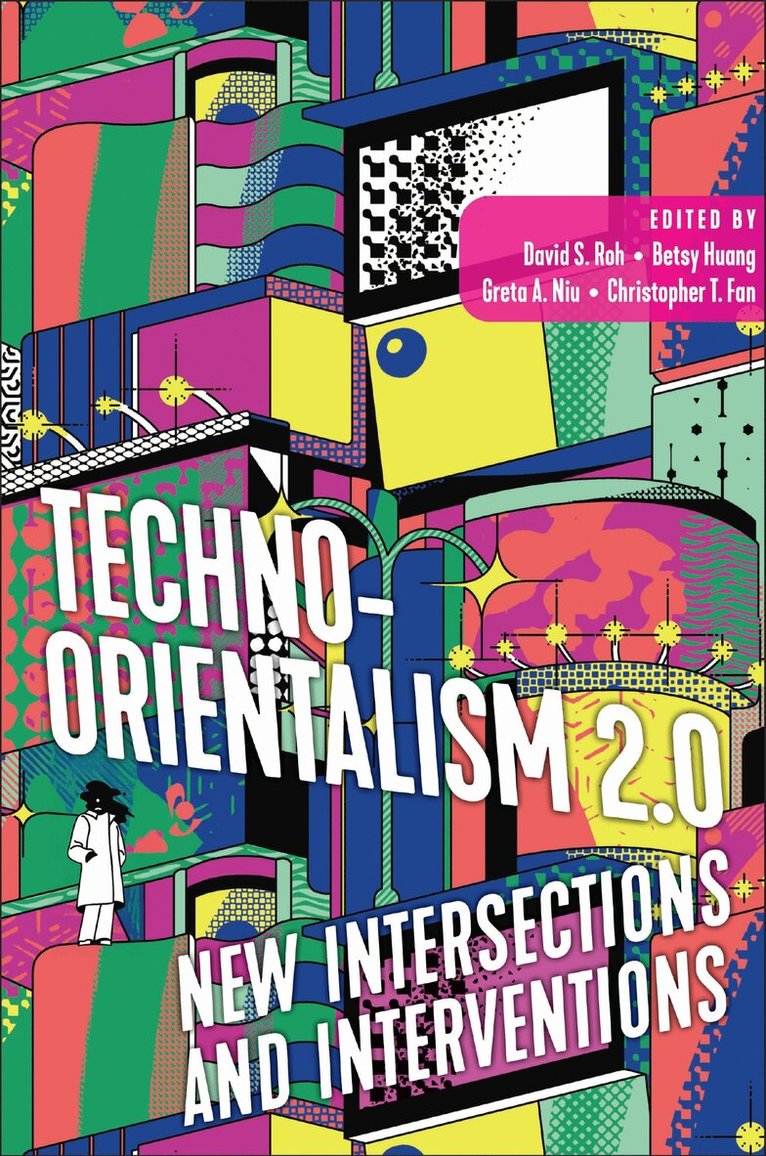
Building on the groundbreaking Techno-Orientalism: Imagining Asia in Speculative Fiction, History, and Media, published by Rutgers University Press in 2015, Techno-Orientalism 2.0: New Intersections and Interventions addresses the impact of a volatile post-pandemic present on speculative futures by and about Asians. The backdrop of this highly anticipated follow-up is a world that is radically different than in 2015: COVID-19, threats of a “new cold war” with China, Russia’s invasion of Ukraine, and the reemergence of “strong man” politics around the world. An essential volume for this new critical juncture in Asian American history, Techno-Orientalism 2.0 catalogs intersectional dialogue with discourses such as Afrofuturism, Indigenous futurities, environmentalism, and disability studies. It also engages with recent high-profile and lesser-known works of Asian and Asian American speculative fiction, film, television, anime, art, music, journalism, architecture, state-sponsored policies and infrastructural projects, and the now-dominant China Panic.
1 477 kr
Skickas inom 7-10 vardagar
Building on the groundbreaking Techno-Orientalism: Imagining Asia in Speculative Fiction, History, and Media, published by Rutgers University Press in 2015, Techno-Orientalism 2.0: New Intersections and Interventions addresses the impact of a volatile post-pandemic present on speculative futures by and about Asians. The backdrop of this highly anticipated follow-up is a world that is radically different than in 2015: COVID-19, threats of a “new cold war” with China, Russia’s invasion of Ukraine, and the reemergence of “strong man” politics around the world. An essential volume for this new critical juncture in Asian American history, Techno-Orientalism 2.0 catalogs intersectional dialogue with discourses such as Afrofuturism, Indigenous futurities, environmentalism, and disability studies. It also engages with recent high-profile and lesser-known works of Asian and Asian American speculative fiction, film, television, anime, art, music, journalism, architecture, state-sponsored policies and infrastructural projects, and the now-dominant China Panic.