Davis D. Joyce - Böcker
Visar alla böcker från författaren Davis D. Joyce. Handla med fri frakt och snabb leverans.
5 produkter
5 produkter
323 kr
Skickas inom 10-15 vardagar
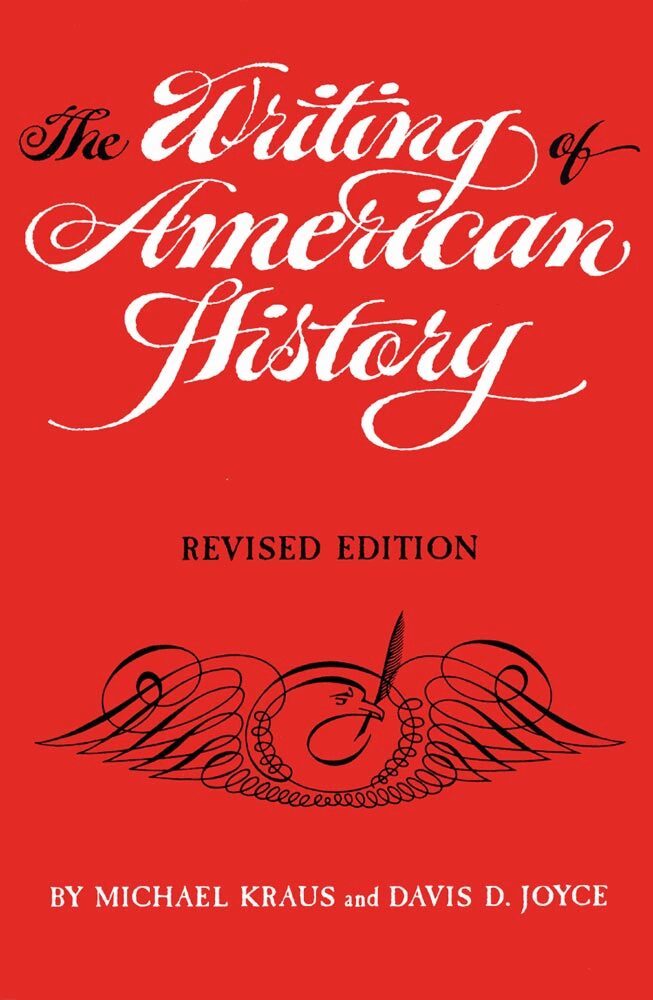
Events which become historical, says Michael Kraus, do not live on because of their mere occurrence. They survive when writers re-create them and thus preserve for posterity their otherwise fleeting existence. Paul Revere's ride, for example, might well have vanished from the records had not Longfellow snatched it from approaching oblivion and given it a dramatic spot in American history. Now Revere rides on in spirited passages in our history books. In this way the recorder of events becomes almost as important as the events themselves. In other words, historiography - the study of historians and their particular contributions to the body of historical records-must not be ignored by those who seriously wish to understand the past.When the first edition of Michael Kraus's Writing of American History was published, a reviewer for the New York Herald Tribune wrote: ""No serious study of our national origins and development can afford not to have such an aid as this at his elbow."" The book quickly came to be regarded as one of the few truly standard general surveys of American historiography, invaluable as a reference book, as a textbook, and as a highly readable source of information for the interested general reader. This new edition with coauthor Davis D. Joyce confirms its position as the definitive work in the field.Concise yet comprehensive, here is an analysis of the writers and writings of American history from the Norse voyages to modern times. The book has its roots in Kraus's pioneering History of American History, published in 1937, a unique and successful attempt to cover in one volume the entire sweep of American historical activity. Kraus revised and updated the book in 1953, when it was published under the present title. Now, once again, the demand for its revision has been met.Davis D. Joyce, with the full cooperation and approval of Kraus, has thoroughly revised and brought up to date the text of the 1953 edition. The clarity and evenhandedness of Kraus's text has been carefully preserved. The last three chapters add entirely new material, surveying the massive and complex body of American historical writing since World War II: ""Consensus: American Historical Writing in the 1950s,"" ""Conflict: American Historical Writing in the 1960s,"" and ""Complexity: American Historical Writing in the 1970s-and Beyond.""
275 kr
Skickas inom 3-6 vardagar
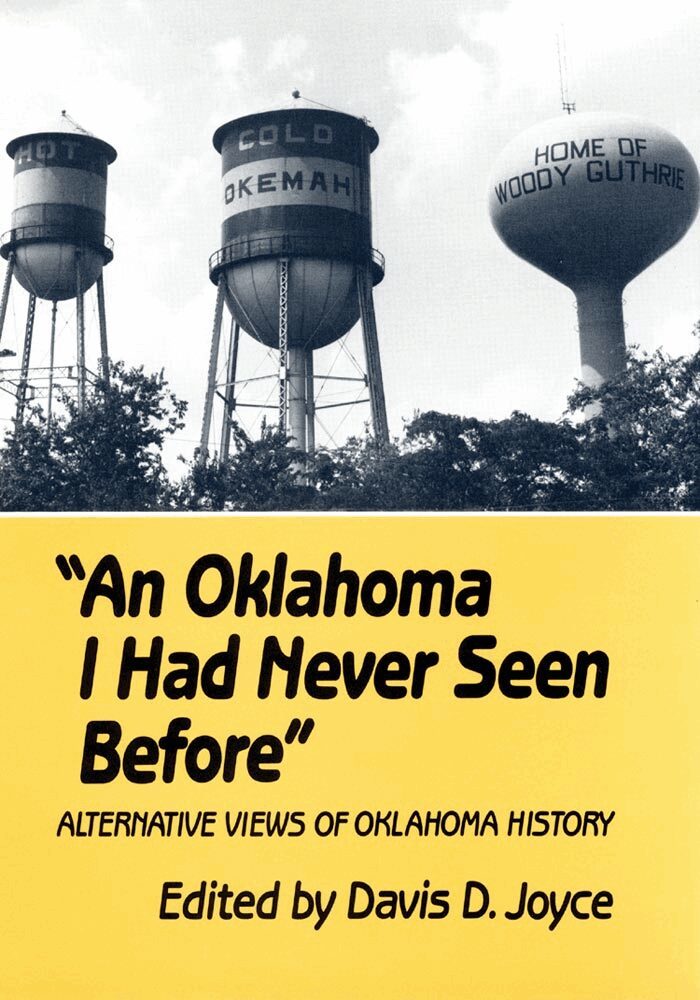
After taking Davis D. Joyce's course in Oklahoma history, a student once said, ""I saw an Oklahoma I'd never seen before.""""This is a splendid collection of writings in the true spirit of a ‘people's history'. It begins with a delightful, wry overlook at Oklahoma by George Milburn, and goes on to tell about the state in way rarely seen in traditional histories. There are accounts of progressivism, of socialism, of labor radicalism, of Indian resistance, of black struggle against segregation, of women's campaigns for abortion rights. It includes fascinating portraits of people, some famous, some obscure, who were engaged in these struggles. I hope this become a model for similar volumes on other states.""-Howard Zinn, author of People's History of the United States.Contents: ""Oklahoma,"" George Milburn; ""The Difficulty of Celebrating an Invasion, ""Jerald C. Walker;""Progressivism in Oklahoma Politics, 1900-1913: A Reinterpretation,"" Kenny L. Brown;""Kate Barnard, Progressivism, and the West,"" Suzanne J. Crawford and Lynn R. Musslewhite; ""'In Death You Shall not Wear It Either': The Persecution of Mennonite Pacifists in Oklahoma,"" Marvin E. Kroeker;""She Never Weakened: The Heroism of Freda Ameringer,"" John Thompson; ""Wobblies in the Oilfields: The Suppression of the Industrial Workers of the World in Oklahoma,"" Nigel sellars; ""The Road Once Taken: Socialist Medicine in Southwestern Oklahoma,"" Alana Hughes; ""Woody Guthrie: The Oklahoma Years, 1912-1929,"" Harry Menig; ""The New Deal Comes to Shawnee,"" Dale E.Soden; ""The Social Gospel of Nicholas Comfort,"" Bob Cottrell; ""Behold the Walls,"" Clara Luper; ""The Case of the Deerslayer,"" Stan Steiner; ""Black Oklahoma and Sense of place ,"" Jimmie L. Franklin; ""The Southern Influence on Oklahoma ,"" Danney Goble; ""The Creation of an Oklahoma Religious Coalition for Abortion Rights: A Presonal/Historical Essay"" Carole Jane Joyce; ""Violence and Oppression of Women in Rural Oklahoma,"" Elizabeth D. Barlow; ""Oklahoma's Gay Liberation Movement,"" Thomas E. Guild, Joan Luxenburg, and Keith Smith; ""Even Among the Sooners, There Are More Important Things than Football,"" Alan Ehrenhalt.In revealing an Oklahoma many have never seen, this book can remind Oklahoma citizens of changes yet to be made, show how to mark them, and (perhaps most important of all) inspire them to do the job.
208 kr
Skickas inom 5-8 vardagar
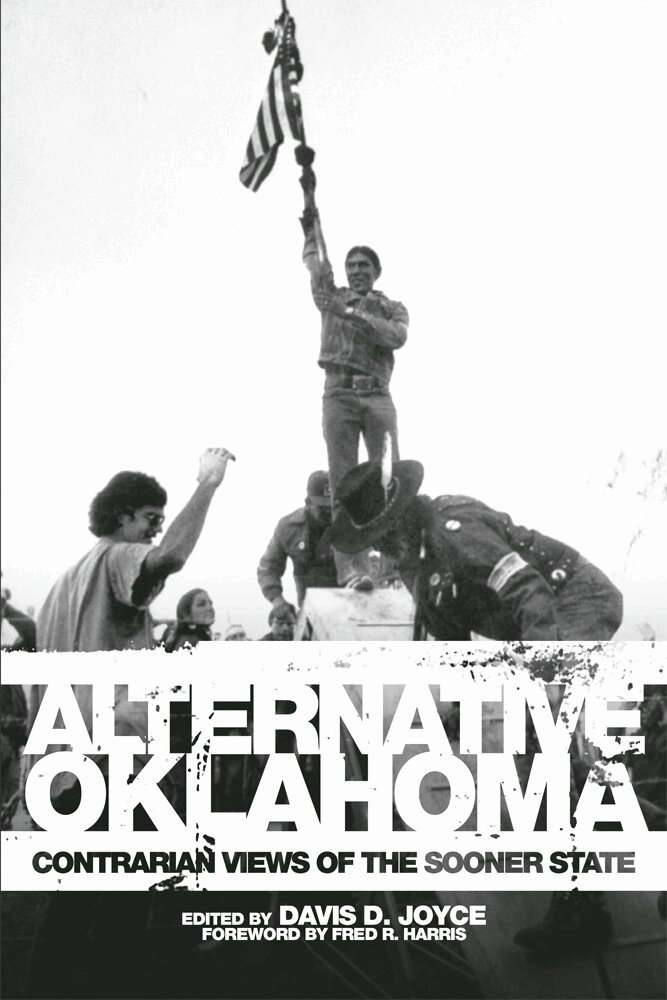
How many of us really know every side to Oklahoma's past and present?In this companion to his previous volume, ""An Oklahoma I Had Never Seen Before,"" Davis D. Joyce presents fourteen essays that interpret Oklahoma's unique populist past and address current political and social issues. Joyce invited scholars and political activists to speak their minds on subjects ranging from gender, race, and religion to popular music, the energy industry, and economics.These decidedly contrarian Sooner voices reflect the progressive, libertarian, and even radical viewpoints that influenced the state's creation. Contributors talk of growing up ""Okie and radical,"" of the legacy of Woody Guthrie in the Red Dirt music scene, and of the Sunbelt Alliance that helped to stop the building of the Black Fox nuclear power plant. They look back at Oklahoma City's role in the early civil rights sit-in movement and at an Oklahoman's experience with Vietnam Veterans Against the War. They consider religion outside the mainstream - and everyday women squarely within these unique expressions of faith.In assembling these engaging essays about Oklahoma and its past, Joyce calls on the alternative approach to history championed by Howard Zinn and also invokes Oklahoman Paul Harvey in offering us ""the rest of the story.""Alternative Oklahoma urges an honest alternative exploration of the state's diverse past. It's an Oklahoma history that takes into account the overlooked and the left behind and contributes to a more open political dialogue in a state too often dismissed as unquestionably ""red.""
309 kr
Skickas inom 3-6 vardagar
281 kr
Tillfälligt slut
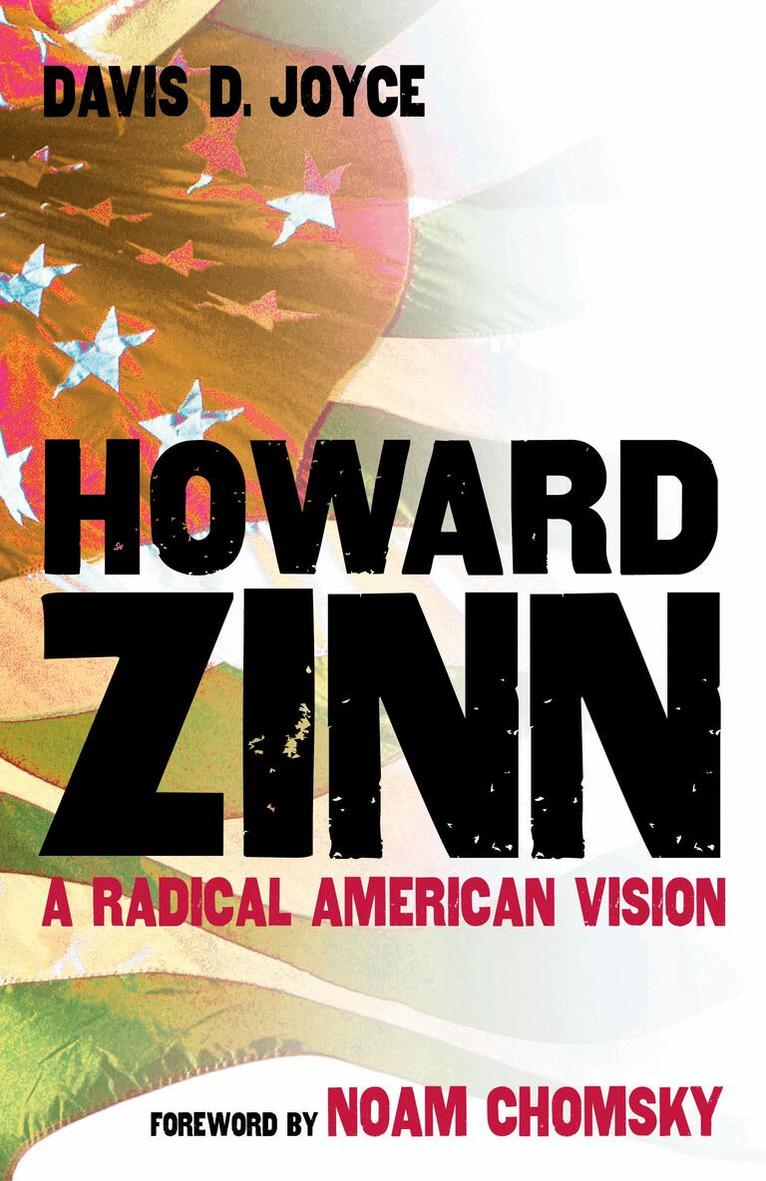
This first-ever biography of historian and activist Howard Zinn traces in broad strokes the story of his life, placing special emphasis on his involvement in both the Civil Rights movement and the Viet Nam War protests. Besides discussing the major shaping events of his life, biographer and historian Davis Joyce summarizes each of Zinn's books within the context of his life, analyzes the evolution of Zinn's ideas, and concludes with a preliminary assessment of his life's work.Joyce argues that Zinn's views are radical because they seek to bring about fundamental change in the political, social, and economic order. No armchair historian, Zinn has spent his whole life working for change, and he firmly believes that the American system needs to change radically to realize its own ideals. In a crucial passage from his bestsellingA People's History of the United States, Zinn boldly declares his agenda:"I prefer to try to tell the story of the discovery of America from the viewpoint of the Arawaks, of the Constitution from the standpoint of the slaves, of Andrew Jackson as seen by the Cherokees, ... of the rise of industrialism as seen by the young women in the Lowell textile mills."Though some would label Zinn's positions anti-American, Joyce contends that Zinn's approach is rooted in the very ideals upon which the United States was founded, especially as embodied in the Declaration of Independence. His life has been motivated by the vision of what America could be, as opposed to what it actually is, and has been dedicated to the struggle to make that vision a reality. Joyce also considers how Zinn fits into the new left, radical school of historical writing of the 1960s and beyond.For anyone who has ever been moved by Howard Zinn's unique vision of a better, more inclusive, and egalitarian American future, this biography will be an indispensable resource.