Deborah Brautigam - Böcker
Visar alla böcker från författaren Deborah Brautigam. Handla med fri frakt och snabb leverans.
5 produkter
5 produkter
352 kr
Skickas inom 3-6 vardagar
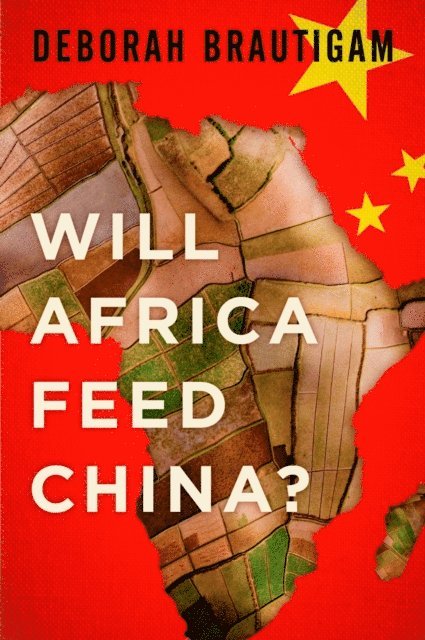
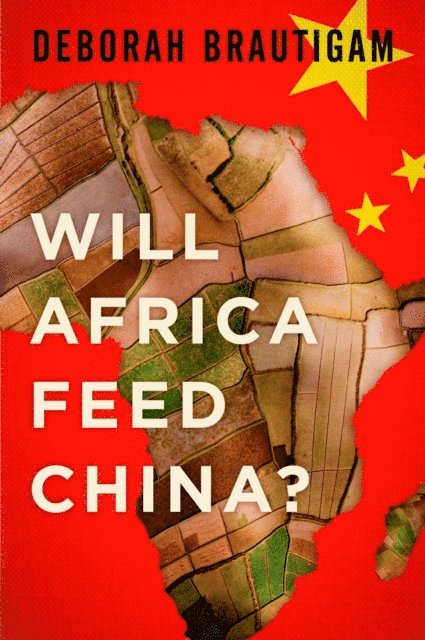
Is China building a new empire in rural Africa? Over the past decade, China's meteoric rise on the continent has raised a drumbeat of alarm. China has 9 percent of the world's arable land, 6 percent of its water, and over 20 percent of its people. Africa's savannahs and river basins host the planet's largest expanses of underutilized land and water. Few topics are as controversial and emotionally charged as the belief that the Chinese government is aggressively buying up huge tracts of prime African land to grow food to ship back to China. In Will Africa Feed China?, Deborah Brautigam, one of the world's leading experts on China and Africa, probes the myths and realities behind the media headlines. Her careful research challenges the conventional wisdom; as she shows, Chinese farming investments are in fact surprisingly limited, and land acquisitions modest. Defying expectations, China actually exports more food to Africa than it imports. Is this picture likely to change? African governments are pushing hard for foreign capital, and China is building a portfolio of tools to allow its agribusiness firms to "go global." International concerns about "land grabbing" are well-justified. Yet to feed its own growing population, rural Africa must move from subsistence to commercial agriculture. What role will China play? Moving from the halls of power in Beijing to remote irrigated rice paddies of Africa, Will Africa Feed China? introduces the people and the politics that will shape the future of this engagement: the state-owned Chinese agribusiness firms that pioneered African farming in the 1960s and the entrepreneurial private investors who followed them. Their fascinating stories, and those of the African farmers and officials who are their counterparts, ground Brautigam's deeply informative, deftly balanced reporting. Forcefully argued and empirically rich, Will Africa Feed China? will be a landmark work, shedding new light on China's evolving global quest for food security and Africa's possibilities for structural transformation.
991 kr
Skickas inom 5-8 vardagar
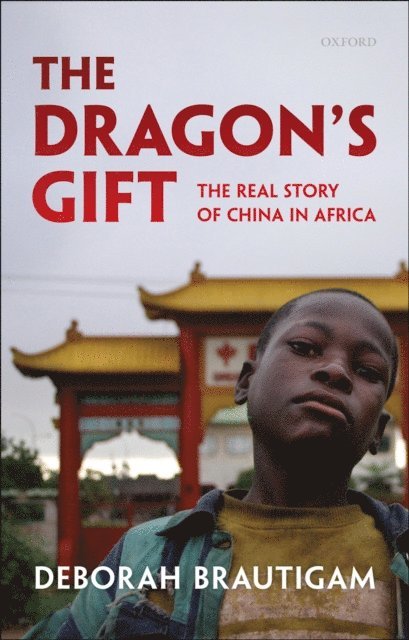
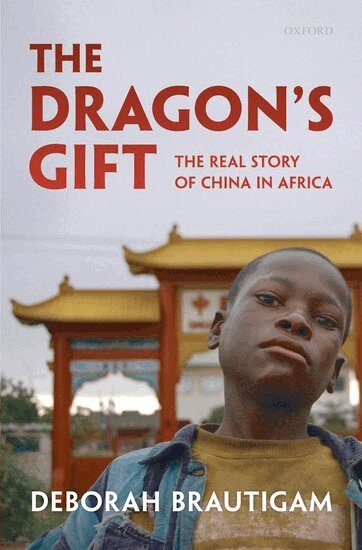
Is China a rogue donor, as some media pundits suggest? Or is China helping the developing world pave a pathway out of poverty, as the Chinese claim? In the last few years, China's aid program has leapt out of the shadows. Media reports about huge aid packages, support for pariah regimes, regiments of Chinese labor, and the ruthless exploitation of workers and natural resources in some of the poorest countries in the world sparked fierce debates. These debates, however, took place with very few hard facts. China's tradition of secrecy about its aid fueled rumors and speculation, making it difficult to gauge the risks and opportunities provided by China's growing embrace. This well-timed book, by one of the world's leading experts, provides the first comprehensive account of China's aid and economic cooperation overseas. Deborah Brautigam tackles the myths and realities, explaining what the Chinese are doing, how they do it, how much aid they give, and how it all fits into their "going global" strategy. Drawing on three decades of experience in China and Africa, and hundreds of interviews in Africa, China, Europe and the US, Brautigam shines new light on a topic of great interest.China has ended poverty for hundreds of millions of its own citizens. Will Chinese engagement benefit Africa? Using hard data and a series of vivid stories ranging across agriculture, industry, natural resources, and governance, Brautigam's fascinating book provides an answer. It is essential reading for anyone concerned with China's rise, and what it might mean for the challenge of ending poverty in Africa.
402 kr
Skickas inom 5-8 vardagar
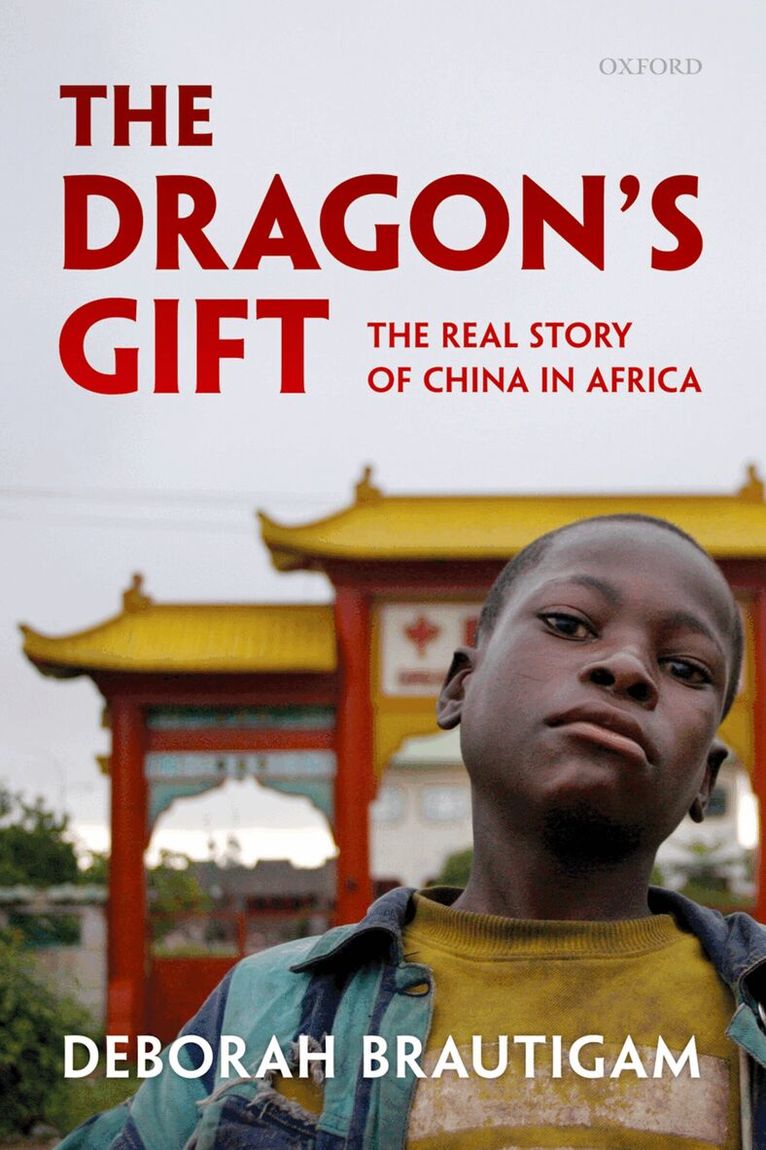
Is China a rogue donor, as some media pundits suggest? Or is China helping the developing world pave a pathway out of poverty, as the Chinese claim? In the last few years, China's aid program has leapt out of the shadows. Media reports about huge aid packages, support for pariah regimes, regiments of Chinese labor, and the ruthless exploitation of workers and natural resources in some of the poorest countries in the world sparked fierce debates. These debates, however, took place with very few hard facts. China's tradition of secrecy about its aid fueled rumors and speculation, making it difficult to gauge the risks and opportunities provided by China's growing embrace. This well-timed book, by one of the world's leading experts, provides the first comprehensive account of China's aid and economic cooperation overseas. Deborah Brautigam tackles the myths and realities, explaining what the Chinese are doing, how they do it, how much aid they give, and how it all fits into their "going global" strategy. Drawing on three decades of experience in China and Africa, and hundreds of interviews in Africa, China, Europe and the US, Brautigam shines new light on a topic of great interest.China has ended poverty for hundreds of millions of its own citizens. Will Chinese engagement benefit Africa? Using hard data and a series of vivid stories ranging across agriculture, industry, natural resources, and governance, Brautigam's fascinating book provides an answer. It is essential reading for anyone concerned with China's rise, and what it might mean for the challenge of ending poverty in Africa.
428 kr
Skickas inom 7-10 vardagar
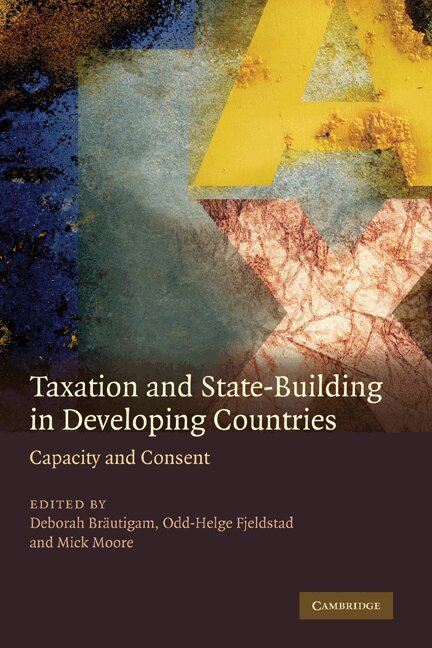
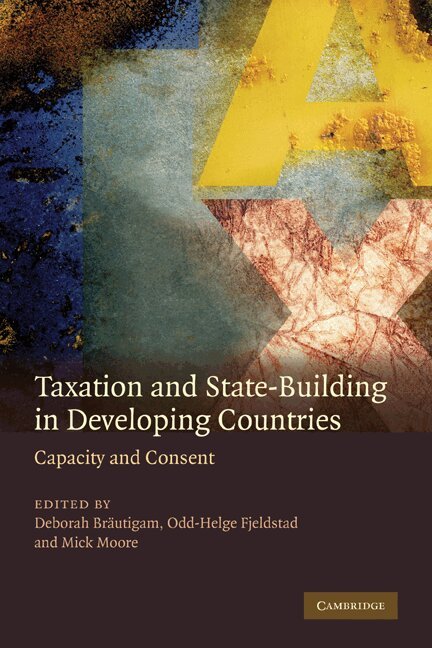
There is a widespread concern that, in some parts of the world, governments are unable to exercise effective authority. When governments fail, more sinister forces thrive: warlords, arms smugglers, narcotics enterprises, kidnap gangs, terrorist networks, armed militias. Why do governments fail? This book explores an old idea that has returned to prominence: that authority, effectiveness, accountability and responsiveness is closely related to the ways in which governments are financed. It matters that governments tax their citizens rather than live from oil revenues and foreign aid, and it matters how they tax them. Taxation stimulates demands for representation, and an effective revenue authority is the central pillar of state capacity. Using case studies from Africa, Asia, Eastern Europe and Latin America, this book presents and evaluates these arguments, updates theories derived from European history in the light of conditions in contemporary poorer countries, and draws conclusions for policy-makers.
837 kr
Skickas inom 7-10 vardagar
There is a widespread concern that, in some parts of the world, governments are unable to exercise effective authority. When governments fail, more sinister forces thrive: warlords, arms smugglers, narcotics enterprises, kidnap gangs, terrorist networks, armed militias. Why do governments fail? This book explores an old idea that has returned to prominence: that authority, effectiveness, accountability and responsiveness is closely related to the ways in which governments are financed. It matters that governments tax their citizens rather than live from oil revenues and foreign aid, and it matters how they tax them. Taxation stimulates demands for representation, and an effective revenue authority is the central pillar of state capacity. Using case studies from Africa, Asia, Eastern Europe and Latin America, this book presents and evaluates these arguments, updates theories derived from European history in the light of conditions in contemporary poorer countries, and draws conclusions for policy-makers.