Deborah Clarke – författare
Visar alla böcker från författaren Deborah Clarke. Handla med fri frakt och snabb leverans.
6 produkter
Driving Women
Fiction and Automobile Culture in Twentieth-Century America
Inbunden, 2007
728 kr
Lägg i varukorg
Over the years, cars have helped to define the experiences and self-perceptions of women in complex and sometimes unexpected ways. When women take the wheel, family structure and public space are reconfigured and re-gendered, creating a context for a literary tradition in which the car has served …
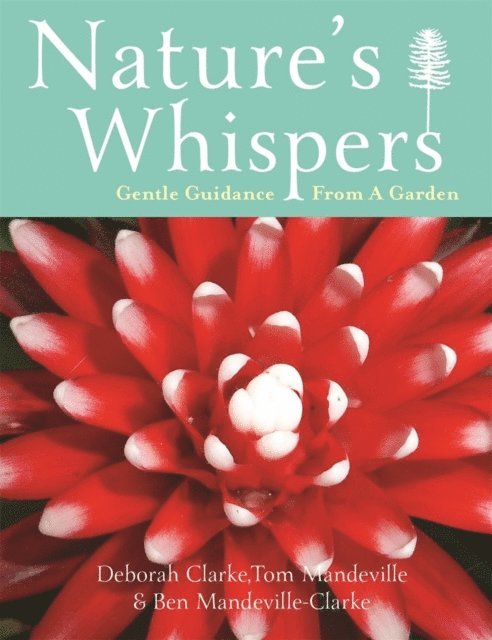
Nature's Whispers
Gentle Guidance From a Garden
Av Ben Mandeveille-Clarke, Tom Mandeville m. fl.
E-bok, 2016
92 kr
Lägg i varukorg
Nature is full of wisdom. Tapping into this can be as simple as stepping into a garden - observing, listening and feeling. Nature''s Whispers encourages us to do just that. Through delightful descriptions and visuals, this book reveals how connecting to nature can be a way to peace, joy, creativity …
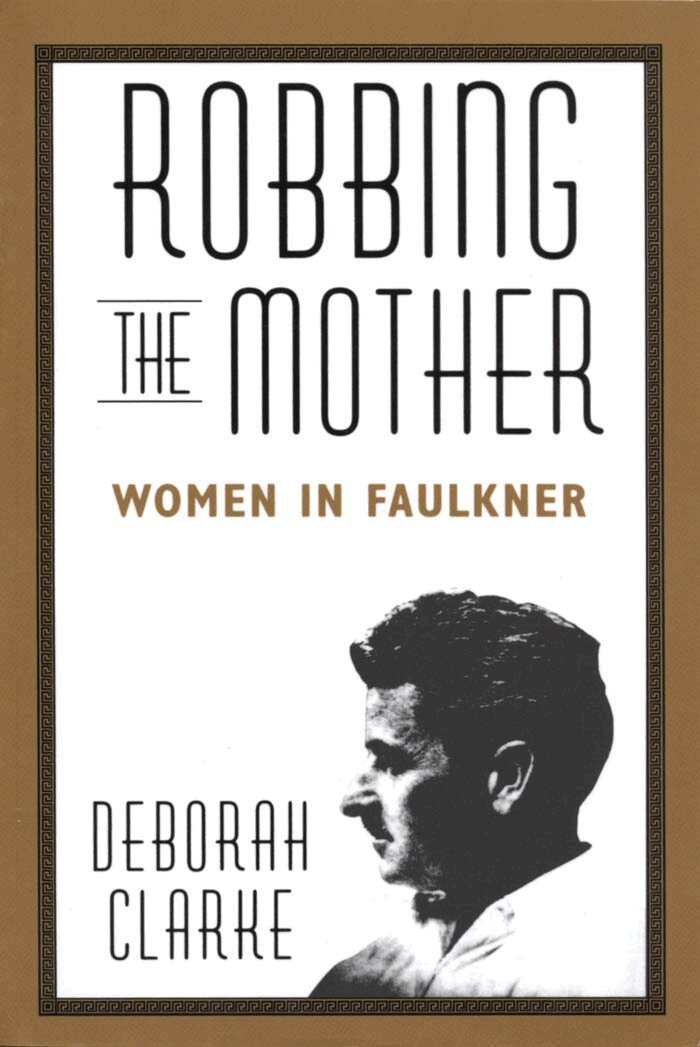
Robbing the Mother
Women in Faulkner
Häftad, 2006
445 kr
Lägg i varukorg
William Faulkner claimed that it may be necessary for a writer to ""rob his mother,"" should the need arise. ""If a writer has to rob his mother, he will not hesitate; the 'Ode on a Grecian Urn' is worth any number of old ladies,"" he remarked.This study of Faulkner's paradoxical attitude toward …
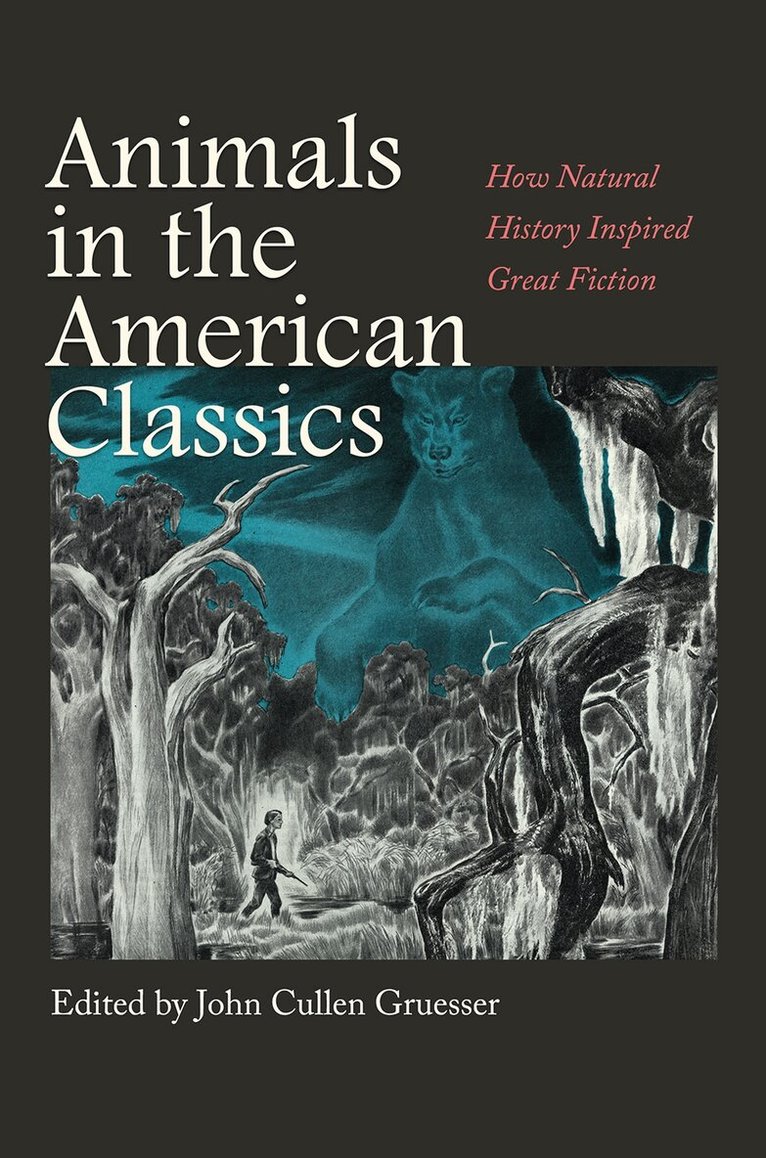
Animals in the American Classics
How Natural History Inspired Great Fiction
Av Susan F. Beegel, John Bird m. fl.
Inbunden, 2022
505 kr
Lägg i varukorg
As defined by conservation biologist Thomas Fleishner, natural history is “a practice of intentional, focused receptivity to the more-than-human world . . . one of the oldest continuous human traditions.” Seldom is this idea so clearly reflected as in classic works of American fiction of the …
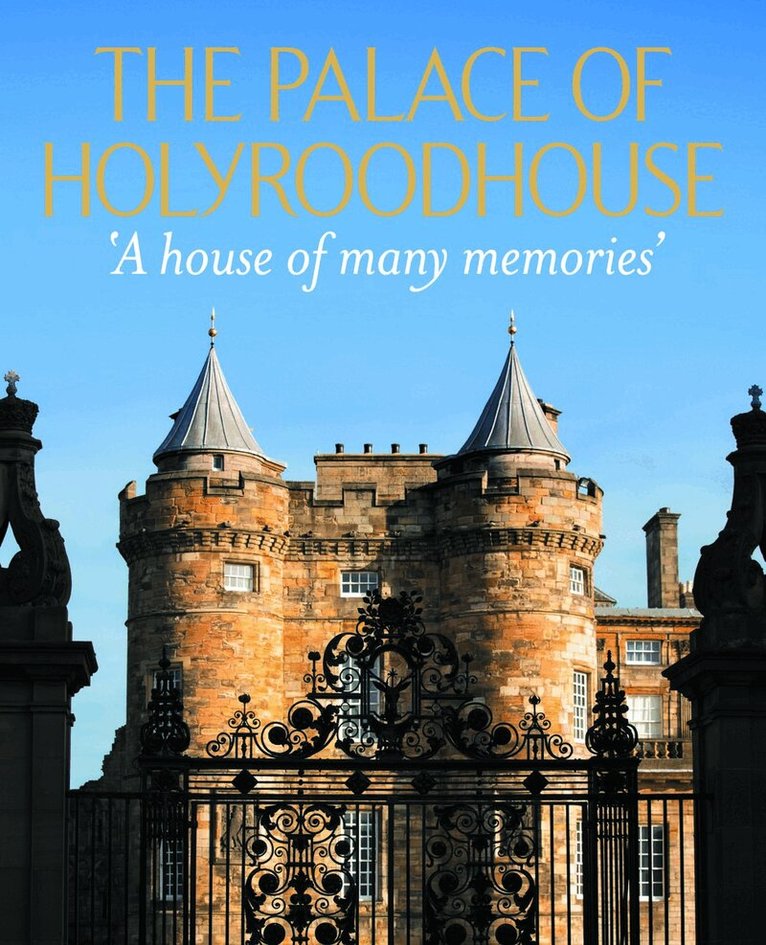
Palace of Holyroodhouse
'A house of many memories'
Av Deborah Clarke, Richard Fawcett m. fl.
Inbunden, 2024
580 kr
Lägg i varukorg
The Palace of Holyroodhouse, located in Edinburgh, is Her Majesty The Queens official residence in Scotland. This volume, the first official history of the Palace, traces the history of the building from its origins as a twelfth-century abbey, to its role today as royal residence and museum. …
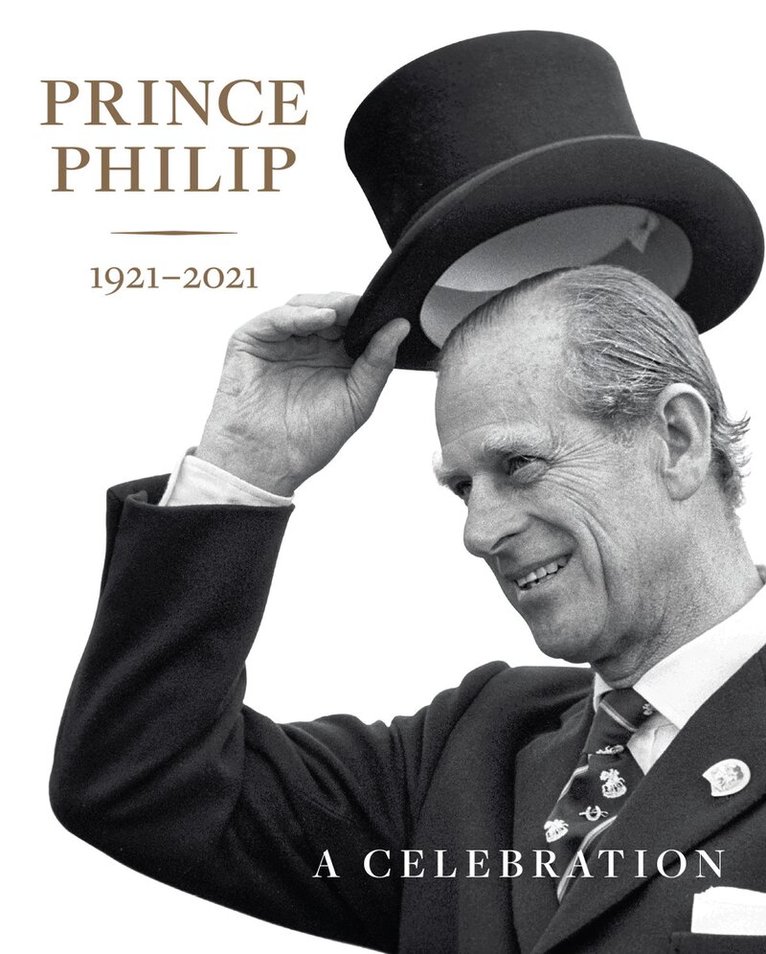
Prince Philip 1921-2021
A Celebration
Av Deborah Clarke, Sally Goodsir
Inbunden, 2021
181 kr
Lägg i varukorg