Deborah Deliyannis - Böcker
Visar alla böcker från författaren Deborah Deliyannis. Handla med fri frakt och snabb leverans.
4 produkter
4 produkter
845 kr
Skickas inom 10-15 vardagar
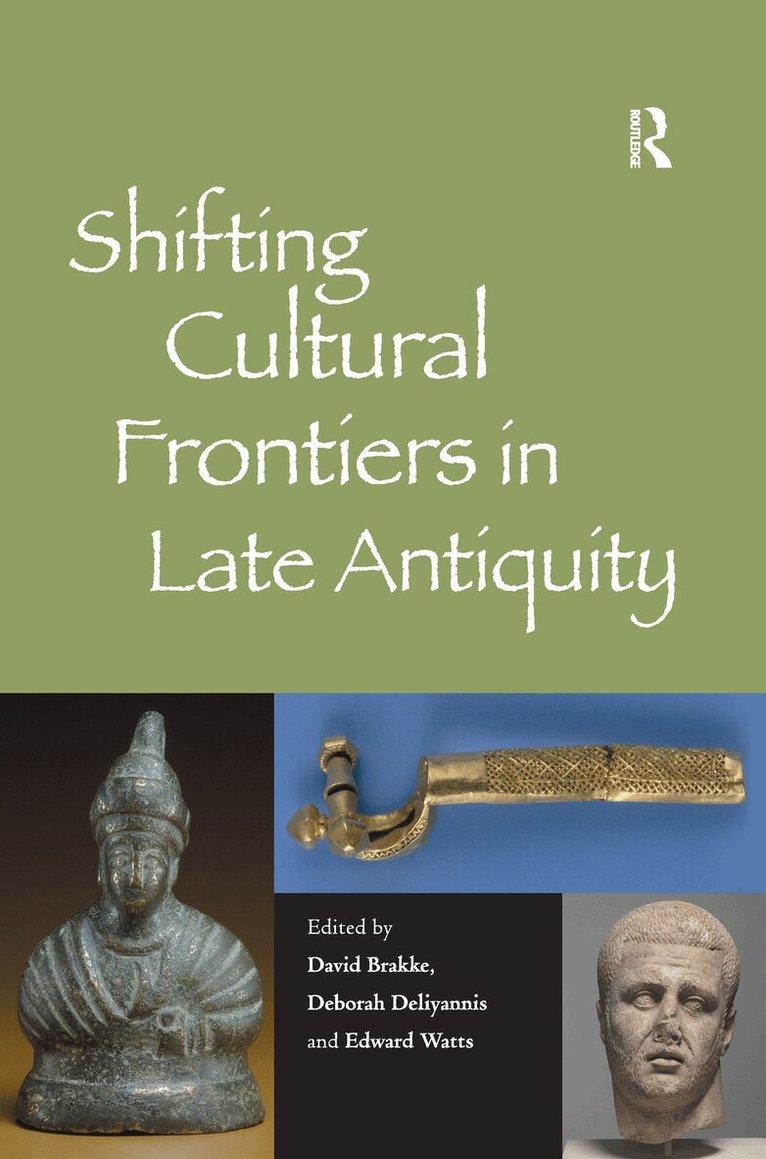
Shifting Cultural Frontiers in Late Antiquity explores the transformation of classical culture in late antiquity by studying cultures at the borders - the borders of empires, of social classes, of public and private spaces, of literary genres, of linguistic communities, and of the modern disciplines that study antiquity. Although such canonical figures of late ancient studies as Augustine and Ammianus Marcellinus appear in its pages, this book shifts our perspective from the center to the side or the margins. The essays consider, for example, the ordinary Christians whom Augustine addressed, the border regions of Mesopotamia and Vandal Africa, 'popular' or 'legendary' literature, and athletes. Although traditional philology rightly underlies the work that these essays do, the authors, several among the most prominent in the field of late ancient studies, draw from and combine a range of disciplines and perspectives, including art history, religion, and social history. Despite their various subject matters and scholarly approaches, the essays in Shifting Cultural Frontiers coalesce around a small number of key themes in the study of late antiquity: the ambiguous effects of 'Christianization,' the creation of new literary and visual forms from earlier models, the interaction and spread of ideals between social classes, and the negotiation of ethnic and imperial identities in the contact between 'Romans' and 'barbarians.' By looking away from the core and toward the periphery, whether spatially or intellectually, the volume offers fresh insights into how ancient patterns of thinking and creating became reconfigured into the diverse cultures of the 'medieval.'
2 357 kr
Skickas inom 10-15 vardagar
Shifting Cultural Frontiers in Late Antiquity explores the transformation of classical culture in late antiquity by studying cultures at the borders - the borders of empires, of social classes, of public and private spaces, of literary genres, of linguistic communities, and of the modern disciplines that study antiquity. Although such canonical figures of late ancient studies as Augustine and Ammianus Marcellinus appear in its pages, this book shifts our perspective from the center to the side or the margins. The essays consider, for example, the ordinary Christians whom Augustine addressed, the border regions of Mesopotamia and Vandal Africa, 'popular' or 'legendary' literature, and athletes. Although traditional philology rightly underlies the work that these essays do, the authors, several among the most prominent in the field of late ancient studies, draw from and combine a range of disciplines and perspectives, including art history, religion, and social history. Despite their various subject matters and scholarly approaches, the essays in Shifting Cultural Frontiers coalesce around a small number of key themes in the study of late antiquity: the ambiguous effects of 'Christianization,' the creation of new literary and visual forms from earlier models, the interaction and spread of ideals between social classes, and the negotiation of ethnic and imperial identities in the contact between 'Romans' and 'barbarians.' By looking away from the core and toward the periphery, whether spatially or intellectually, the volume offers fresh insights into how ancient patterns of thinking and creating became reconfigured into the diverse cultures of the 'medieval.'
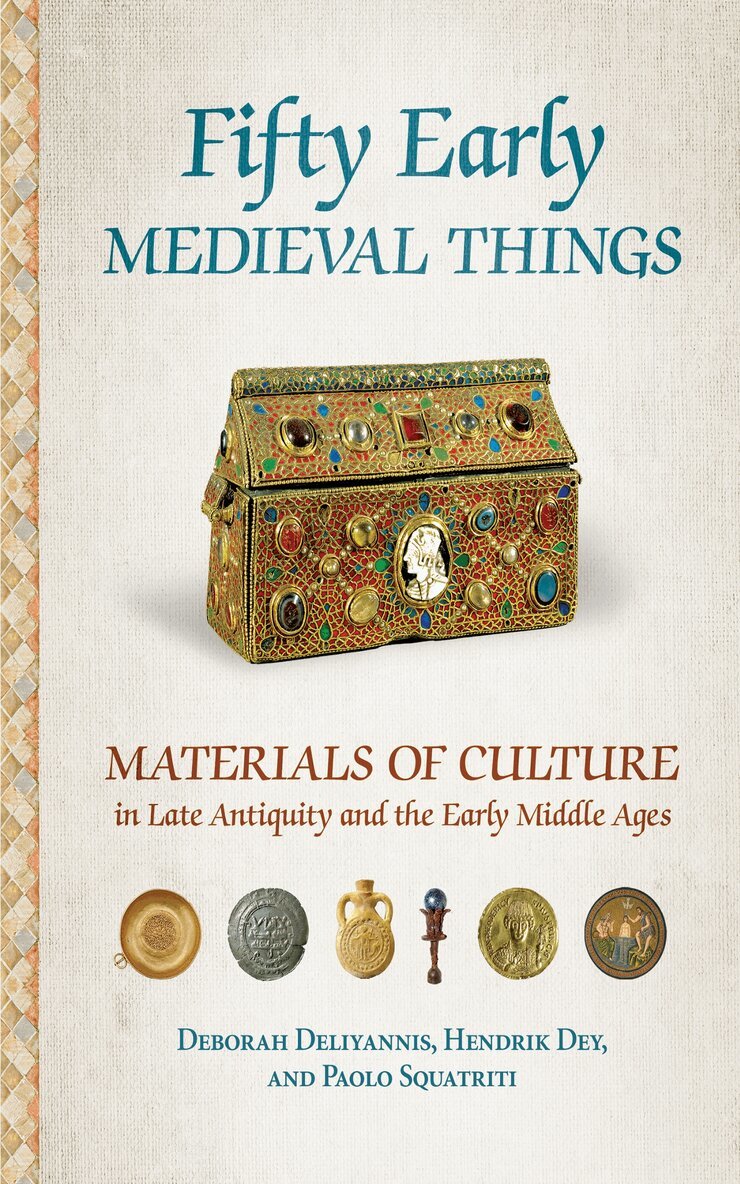
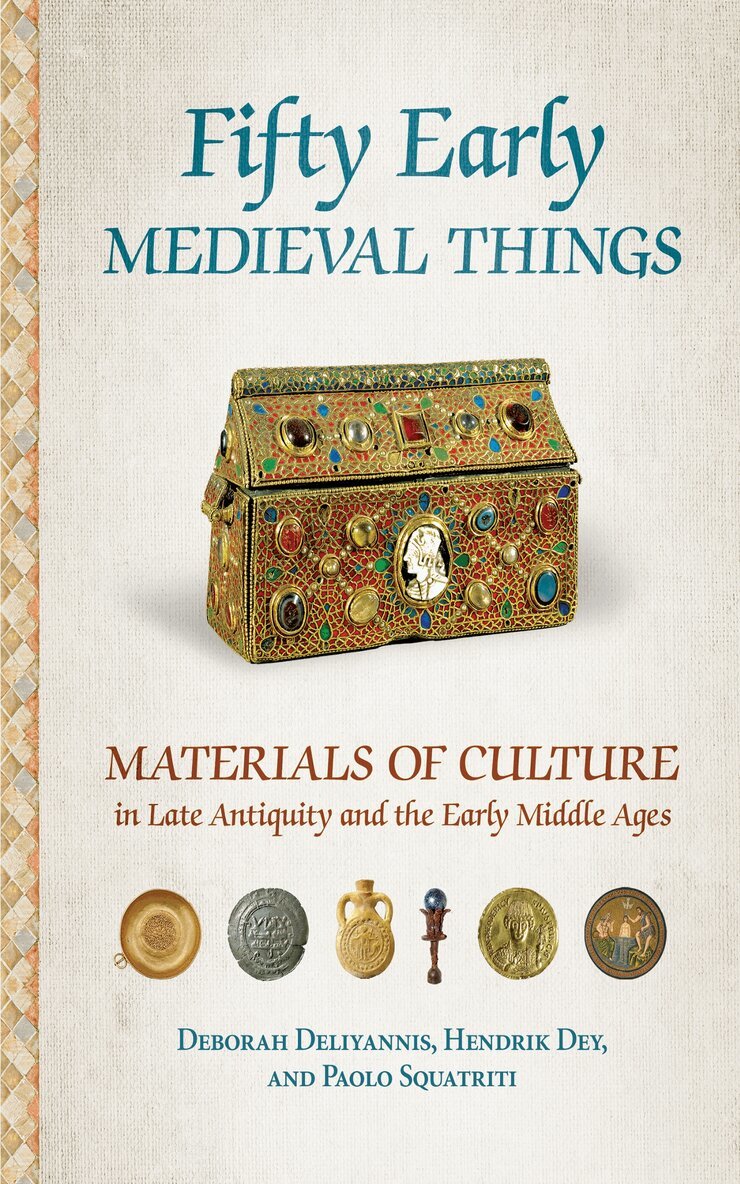
Fifty Early Medieval Things
Materials of Culture in Late Antiquity and the Early Middle Ages
Inbunden, Engelska, 2019
1 563 kr
Skickas inom 7-10 vardagar
This important book [...] is a helpful guide to thinking with things and teaching with things. Each entry challenges the reader to approach objects as historical actors that can speak to the changes and continuities of life in the late antique and early medieval world.â• Early Medieval EuropeLavishly illustrated and engagingly written, Fifty Early Medieval Things demonstrates how to read objects in ways that make the distant past understandable and approachable.Fifty Early Medieval Things introduces readers to the material culture of late antique and early medieval Europe, north Africa, and western Asia. Ranging from Iran to Ireland and from Sweden to Tunisia, Deborah Deliyannis, Hendrik Dey, and Paolo Squatriti present fifty objects-artifacts, structures, and archaeological features-created between the fourth and eleventh centuries, an ostensibly "Dark Age" whose cultural richness and complexity is often underappreciated. Each thing introduces important themes in the social, political, cultural, religious, and economic history of the postclassical era.Some of the things, like a simple ard (plow) unearthed in Germany, illustrate changing cultural and technological horizons in the immediate aftermath of Rome's collapse; others, like the Arabic coin found in a Viking burial mound, indicate the interconnectedness of cultures in this period. Objects such as the Book of Kells and the palace-city of Anjar in present-day Jordan represent significant artistic and cultural achievements; more quotidian items (a bone comb, an oil lamp, a handful of chestnuts) belong to the material culture of everyday life. In their thing-by-thing descriptions, the authors connect each object to both specific local conditions and to the broader influences that shaped the first millennium AD, and also explore their use in modern scholarly interpretations, with suggestions for further reading.
768 kr
Skickas inom 5-8 vardagar
This volume contains twelve essays that describe the writing of history in medieval Western Europe. Each chapter examines a type of subject matter about which medieval historians wrote, and discusses both the texts and the modern approaches to these texts. The authors include both historians and literary scholars.There are four chapters on early medieval historiography (universal history, national/ethnic history, institutional history, and biography/hagiography) and eight on later medieval historiography (the same four, plus dynastic, urban, contemporary, and legendary history).This comprehensive one-volume survey, in English, of medieval historiography can serve both as an introduction for students and the interested layperson, and as a handbook for the scholar.Originally published in hardcover.