
Delos Hughes - Böcker
Visar alla böcker från författaren Delos Hughes. Handla med fri frakt och snabb leverans.
2 produkter
2 produkter
310 kr
Skickas inom 3-6 vardagar
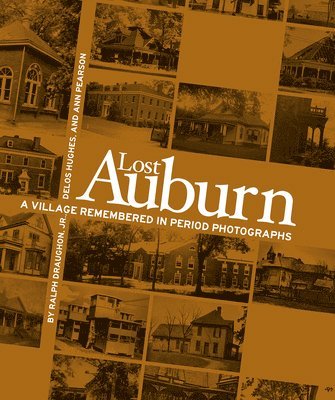
Lost Auburn: A Village Remembered in Period Photographs offers a dynamic record of the buildings that once stood in Auburn, Alabama, which have fallen to natural disaster, war, poverty, and neglect, and to what some would call progress. More than two hundred photographs of lost buildings give three historians the opportunity to relate stories of those who once worshipped, learned, and lived in Auburn. Together, these photographs and the accompanying text vividly convey the uniqueness of the village of Auburn that was.Lost Auburn is more than just a document about the lost architectural fabric of a charming village. It is both a volume of insightful commentary and an opportunity to reflect on the role of community in the life of a Southern town.
632 kr
Skickas inom 10-15 vardagar
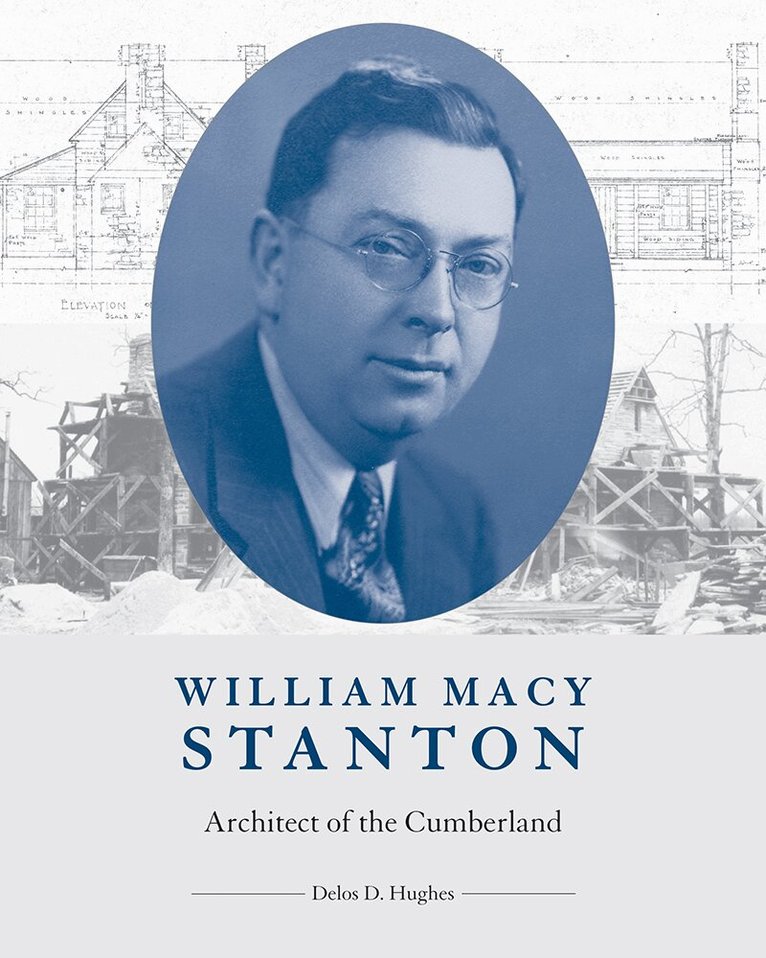
In 1933, President Franklin Roosevelt's New Deal launched the Tennessee Valley Authority and the Subsistence Homesteads Division to help bring economic relief to families and communities devastated by the Great Depression. With the creation of these new programs came a need for the infrastructure that could support them, and for this, the Roosevelt administration turned to William Macy Stanton. Born to a Quaker family in Ohio in 1888, Stanton worked as an instructor of drawing and design at the University of Illinois School of Architecture before establishing an independent practice in Philadelphia in the early 1920s. During the Depression, he worked on architectural projects in Tennessee for the TVA—including the town of Norris, where the builders of Norris Dam would live. As the New Deal era dawned, Stanton moved to Crossville to design the proposed Cumberland Homesteads. In addition to this work, Stanton is widely regarded for his hotel designs, including The Lafayette and James Madison Hotels in Atlantic City, as well as his restoration of Quaker meetinghouses. In this new biography, Delos D. Hughes weaves the story of Stanton's life and career together with the broader historical context of the Great Depression and New Deal initiatives. The book is divided into three parts, exploring Stanton's life and work before, during, and after his involvement with the Cumberland Homesteads; Hughes examines the intersection of architecture and social policy throughout. Rich with historical photographs, Stanton's own architectural drawings, and other original imagery on nearly every page, Hughes's work will delight architectural history enthusiasts and Tennessee history scholars.