Denis R. Janz – författare
Visar alla böcker från författaren Denis R. Janz. Handla med fri frakt och snabb leverans.
7 produkter
World Christianity and Marxism
Inbunden, 1998
2627 kr
Lägg i varukorg
This book is the first unified and comprehensive attempt in the post-Cold War period to give an account of world Christianity's encounter with Marxism. After exploring the intellectual foundations of the antagonism on both sides, Janz examines the particular contexts of the USSR, the United States, …
World Christianity and Marxism
E-bok, 1998
1699 kr
Lägg i varukorg
Denis Janz argues that the encounter with Marxism has been the defining event for twentieth century Christianity. No other worldview shook Christianity more dramatically and no other movement had as profound an impact on so many. Now the Cold War is over and as we approach the end of the century we …
Westminster Handbook to Martin Luther
Häftad, 2010
356 kr
Lägg i varukorg
This volume in the Westminster Handbooks to Christian Theology series provides a compact and lucid treatment of the main elements of the theology of Martin Luther (1483-1546). Janz, a top Luther expert, discusses the theological understandings that made Luther a leading figure in the sixteenth …
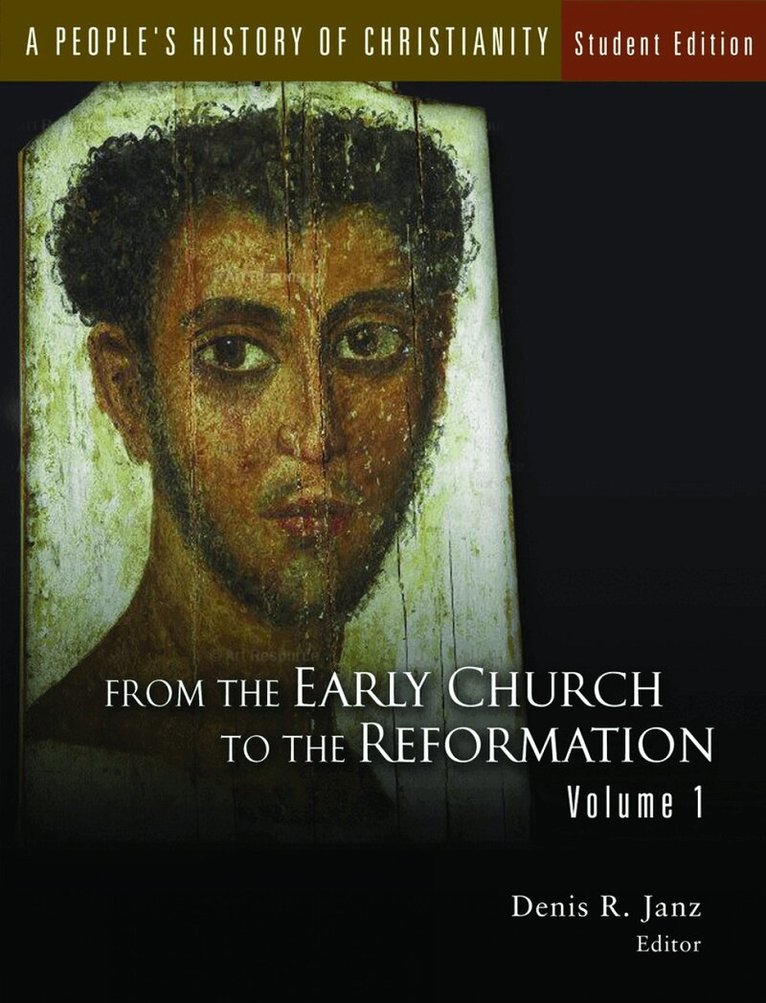
People's History of Christianity, Student Edition
From the Early Church to the Reformation, Volume 1
Av Denis R. Janz, Denis R Janz
Häftad, 2014
766 kr
Lägg i varukorg
People's History of Christianity, Student Edition
From the Reformation to the 21st Century, Volume 2
Av Denis R. Janz, Denis R Janz
Häftad, 2014
648 kr
Lägg i varukorg
On Its release, the seven volume A People's History of Christianity was lauded for its commitment to raising awareness of the ways in which ordinary Christians have lived throughout more than twenty centuries of Christian History.Each volume provides a valuable overview on such topics as birth and …
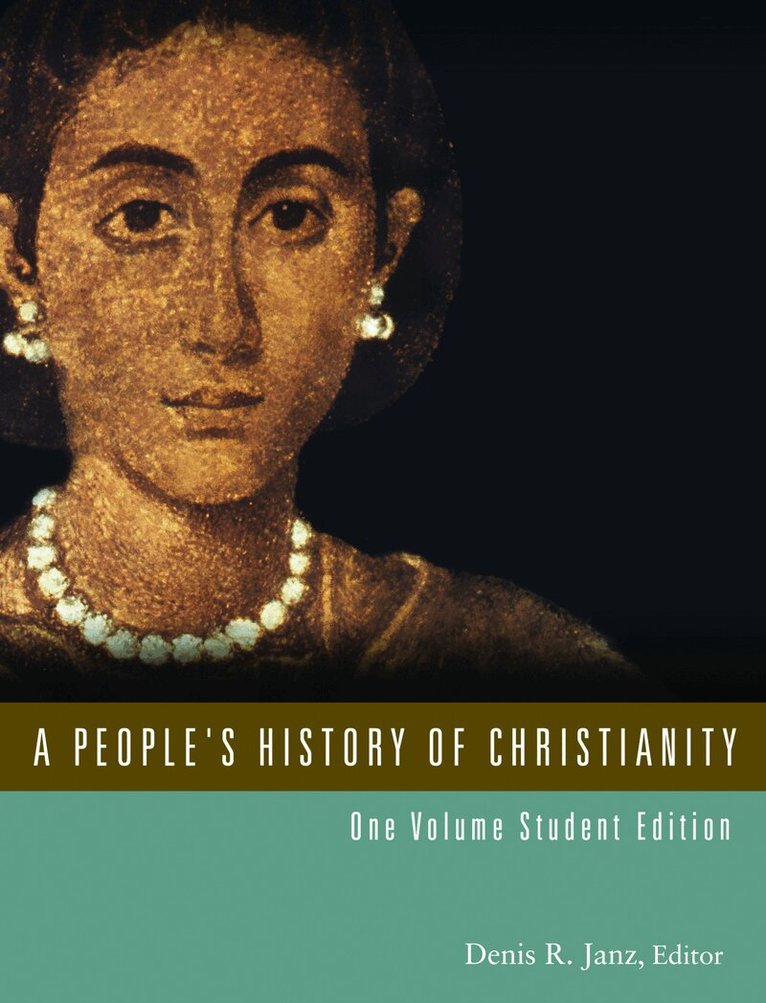
People's History of Christianity
One Volume Student Edition
Av Denis R. Janz, Denis R Janz
Häftad, 2014
766 kr
Lägg i varukorg
The seven volume A People's History of Christianity was lauded on release for its commitment to raising awareness of the way in which lay Christians have lived throughout more than twenty centuries of Christian History. Now, the essential material from that important project is available for …