Denisse R Thompson – författare
Visar alla böcker från författaren Denisse R Thompson. Handla med fri frakt och snabb leverans.
20 produkter
20 produkter
Häftad, Engelska, 2008
656 kr
Skickas inom 3-6 vardagar
Inbunden, Engelska, 2013
2 090 kr
Skickas inom 10-15 vardagar
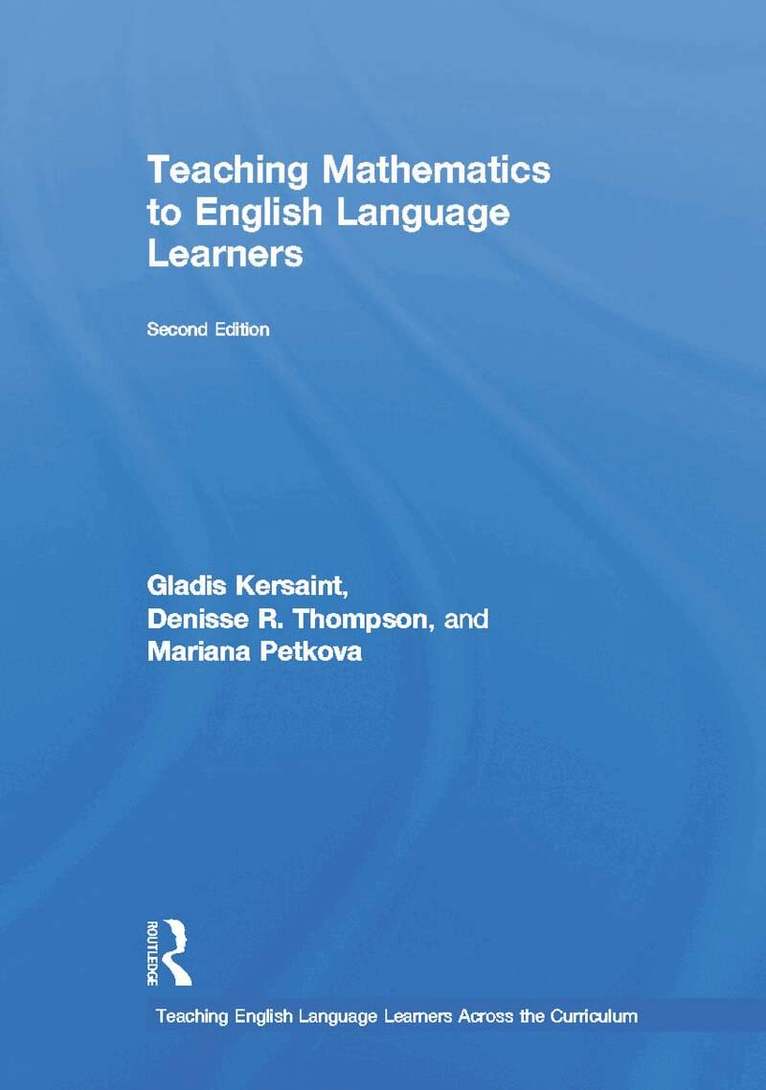
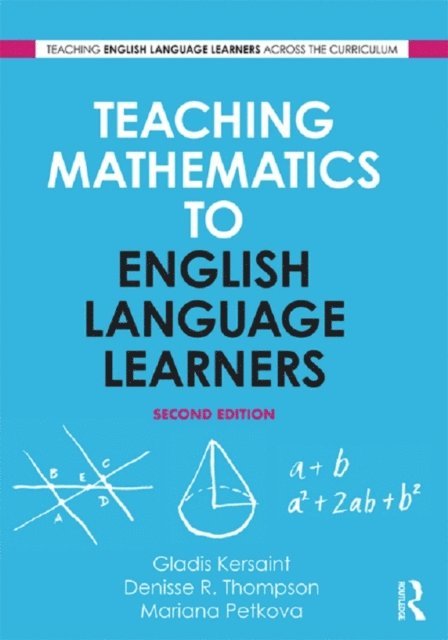
Today's mathematics classrooms increasingly include students for whom English is a second language. Teaching Mathematics to English Language Learners provides readers a comprehensive understanding of both the challenges that face English language learners (ELLs) and ways in which educators might address them in the secondary mathematics classroom. Framed by a research perspective, Teaching Mathematics to English Language Learners presents practical instructional strategies for engaging learners that can be incorporated as a regular part of instruction. The authors offer context-specific strategies for everything from facilitating classroom discussions with all students, to reading and interpreting math textbooks, to tackling word problems. A fully annotated list of math web and print resources completes the volume, making this a valuable reference to help mathematics teachers meet the challenges of including all learners in effective instruction.Features and updates to this new edition include: An updated and streamlined Part 1 provides an essential overview of ELL theory in a mathematics specific context. Additional practical examples of mathematics problems and exercises make turning theory into practice easy when teaching ELLs New pedagogical elements in Part 3 include tips on harnessing new technologies, discussion questions and reflection points. New coverage of the Common Core State Standards, as well as updates to the web and print resources in Part 4.
Häftad, Engelska, 2012
719 kr
Skickas inom 10-15 vardagar
Today's mathematics classrooms increasingly include students for whom English is a second language. Teaching Mathematics to English Language Learners provides readers a comprehensive understanding of both the challenges that face English language learners (ELLs) and ways in which educators might address them in the secondary mathematics classroom. Framed by a research perspective, Teaching Mathematics to English Language Learners presents practical instructional strategies for engaging learners that can be incorporated as a regular part of instruction. The authors offer context-specific strategies for everything from facilitating classroom discussions with all students, to reading and interpreting math textbooks, to tackling word problems. A fully annotated list of math web and print resources completes the volume, making this a valuable reference to help mathematics teachers meet the challenges of including all learners in effective instruction.Features and updates to this new edition include: An updated and streamlined Part 1 provides an essential overview of ELL theory in a mathematics specific context. Additional practical examples of mathematics problems and exercises make turning theory into practice easy when teaching ELLs New pedagogical elements in Part 3 include tips on harnessing new technologies, discussion questions and reflection points. New coverage of the Common Core State Standards, as well as updates to the web and print resources in Part 4.
Häftad, Engelska, 2009
2 211 kr
Skickas inom 5-8 vardagar
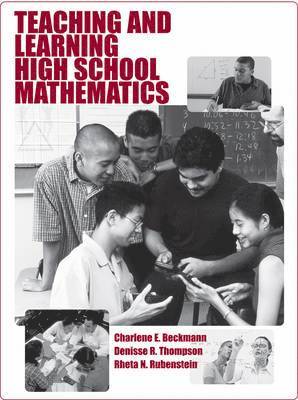
Too many high school students, faced with mathematics in courses at the level of algebra and beyond, find themselves struggling with abstract concepts and unwilling to pursue further study of mathematics. When students curtail their course taking in mathematics, they may be impacting their college and career options. Thus, high school mathematics teachers have the responsibility to help students recognize the value and importance of mathematics while also designing instruction that makes mathematics accessible to all students. Ball and Bass (2000), as well as other mathematics educators, have recognized that mathematics teachers not only need to know mathematics content and mathematics pedagogy (i.e., teaching strategies) but they also need to know how these ideas are integrated. This mathematical knowledge for teaching is the knowledge that teachers of mathematics need and it differs from the knowledge that research or applied mathematicians must know. This text is designed to provide teachers with insights into this mathematical knowledge for teaching.Teaching and Learning High School Mathematics is likely different from many other texts that you have used. It integrates both content and pedagogy to help you develop and build your own understanding of teaching. The text is designed to help you develop “deep conceptual understanding of fundamental mathematics” (Ma 1999) so that you are able to approach mathematics from multiple perspectives with many tools. Such flexibility in teaching is essential if teachers are to help all students become mathematically proficient.Throughout this book, you are encouraged to work in cooperative teams. This strategy is designed to help you develop a mathematics learning community and build a professional network that will be a valuable resource during your professional career. Hopefully, you will experience the benefits of engaging in rich mathematical discussions with peers and consider how to encourage such learning environments in your own classrooms.Lesson planning is another element pervasive throughout this text. To help teachers plan for effective student-centered lessons, the Question Response Support (QRS) Guide is introduced in Lesson 1.1 and used throughout the remainder of the lessons. The QRS Guide is a tool on which teachers may record tasks or questions (Q) for students, expected and observed student responses (R), and teacher support (S) in the form of additional “just enough” questions to support students in their progress on the task. In each unit, teachers expand their repertoire of teaching and learning elements and strategies and incorporate these elements as they plan additional lesson segments. In Unit 4 lesson planning is formally introduced as teachers put together elements from previous units into complete, cohesive lesson plans.
Inbunden, Engelska, 2002
2 277 kr
Skickas inom 10-15 vardagar
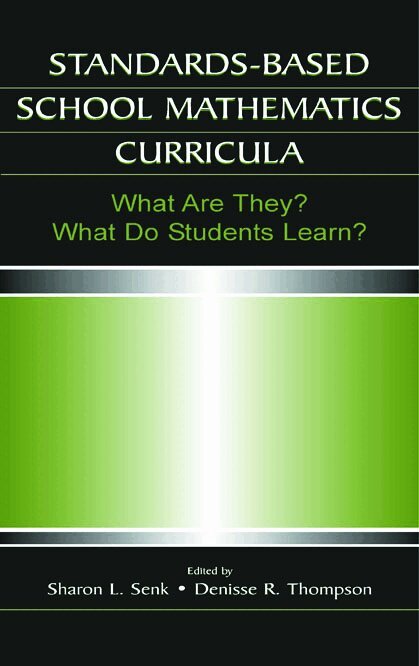
The Curriculum and Evaluation Standards for School Mathematics published by the National Council of Teachers of Mathematics in 1989 set forth a broad vision of mathematical content and pedagogy for grades K-12 in the United States. These Standards prompted the development of Standards-based mathematics curricula. What features characterize Standards-based curricula? How well do such curricula work?To answer these questions, the editors invited researchers who had investigated the implementation of 12 different Standards-based mathematics curricula to describe the effects of these curricula on students' learning and achievement, and to provide evidence for any claims they made. In particular, authors were asked to identify content on which performance of students using Standards-based materials differed from that of students using more traditional materials, and content on which performance of these two groups of students was virtually identical. Additionally, four scholars not involved with the development of any of the materials were invited to write critical commentaries on the work reported in the other chapters. Section I of Standards-Based School Mathematics Curricula provides a historical background to place the current curriculum reform efforts in perspective, a summary of recent recommendations to reform school mathematics, and a discussion of issues that arise when conducting research on student outcomes. Sections II, III, and IV are devoted to research on mathematics curriculum projects for elementary, middle, and high schools, respectively. The final section is a commentary by Jeremy Kilpatrick, Regents Professor of Mathematics Education at the University of Georgia, on the research reported in this book. It provides a historical perspective on the use of research to guide mathematics curriculum reform in schools, and makes additional recommendations for further research. In addition to the references provided at the end of each chapter, other references about the Standards-based curriculum projects are provided at the end of the book.This volume is a valuable resource for all participants in discussions about school mathematics curricula--including professors and graduate students interested in mathematics education, curriculum development, program evaluation, or the history of education; educational policy makers; teachers; parents; principals and other school administrators. The editors hope that the large body of empirical evidence and the thoughtful discussion of educational values found in this book will enable readers to engage in informed civil discourse about the goals and methods of school mathematics curricula and related research.
Häftad, Engelska, 2003
1 321 kr
Skickas inom 10-15 vardagar
The Curriculum and Evaluation Standards for School Mathematics published by the National Council of Teachers of Mathematics in 1989 set forth a broad vision of mathematical content and pedagogy for grades K-12 in the United States. These Standards prompted the development of Standards-based mathematics curricula. What features characterize Standards-based curricula? How well do such curricula work?To answer these questions, the editors invited researchers who had investigated the implementation of 12 different Standards-based mathematics curricula to describe the effects of these curricula on students' learning and achievement, and to provide evidence for any claims they made. In particular, authors were asked to identify content on which performance of students using Standards-based materials differed from that of students using more traditional materials, and content on which performance of these two groups of students was virtually identical. Additionally, four scholars not involved with the development of any of the materials were invited to write critical commentaries on the work reported in the other chapters. Section I of Standards-Based School Mathematics Curricula provides a historical background to place the current curriculum reform efforts in perspective, a summary of recent recommendations to reform school mathematics, and a discussion of issues that arise when conducting research on student outcomes. Sections II, III, and IV are devoted to research on mathematics curriculum projects for elementary, middle, and high schools, respectively. The final section is a commentary by Jeremy Kilpatrick, Regents Professor of Mathematics Education at the University of Georgia, on the research reported in this book. It provides a historical perspective on the use of research to guide mathematics curriculum reform in schools, and makes additional recommendations for further research. In addition to the references provided at the end of each chapter, other references about the Standards-based curriculum projects are provided at the end of the book.This volume is a valuable resource for all participants in discussions about school mathematics curricula--including professors and graduate students interested in mathematics education, curriculum development, program evaluation, or the history of education; educational policy makers; teachers; parents; principals and other school administrators. The editors hope that the large body of empirical evidence and the thoughtful discussion of educational values found in this book will enable readers to engage in informed civil discourse about the goals and methods of school mathematics curricula and related research.
Häftad, Engelska, 2013
544 kr
Skickas inom 5-8 vardagar
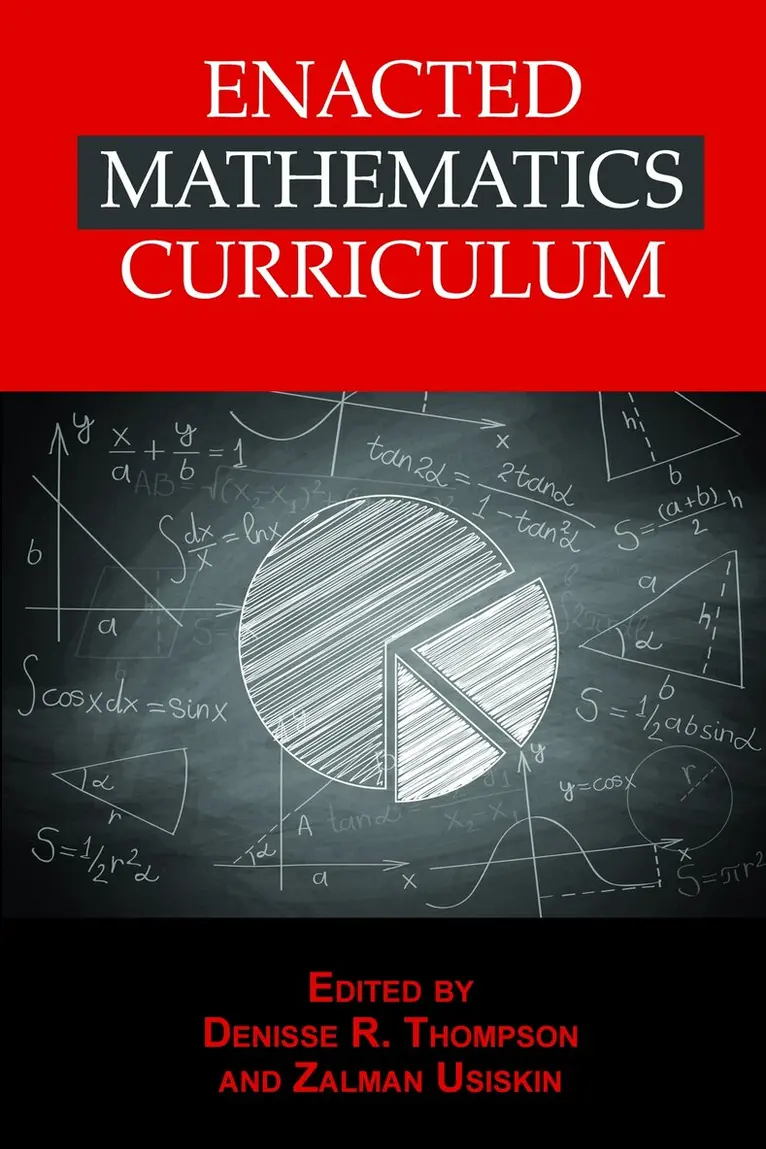
This volume is an outgrowth of the Conference on Research on the Enacted Mathematics Curriculum, funded by the National Science Foundation and held in Tampa, Florida in November 2010. The volume has the potential to be useful to a range of researchers, from established veterans in curriculum research to new researchers in this area of mathematics education. The chapters can be used to generate conversation about researching the enacted mathematics curriculum, including similarities and differences in the variables that can and should be studied across various curricula. As such, it might be used by a curriculum project team as it outlines a research agenda for curriculum or program evaluation. It might also be used as a text in a university graduate course on curriculum research and design.The chapters in this volume are a natural complement to those in Approaches to Studying the Enacted Mathematics Curriculum (Heck, Chval, Weiss, & Ziebarth, 2012), also published by Information Age Publishing. While the present volume focuses on a range of issues related to researching the enacted mathematics curriculum, including theoretical and conceptual issues, the volume by Heck et al. provides insights into different instrumentations used by groups of researchers to study curriculum enactment.
Inbunden, Engelska, 2013
1 014 kr
Skickas inom 5-8 vardagar
This volume is an outgrowth of the Conference on Research on the Enacted Mathematics Curriculum, funded by the National Science Foundation and held in Tampa, Florida in November 2010. The volume has the potential to be useful to a range of researchers, from established veterans in curriculum research to new researchers in this area of mathematics education. The chapters can be used to generate conversation about researching the enacted mathematics curriculum, including similarities and differences in the variables that can and should be studied across various curricula. As such, it might be used by a curriculum project team as it outlines a research agenda for curriculum or program evaluation. It might also be used as a text in a university graduate course on curriculum research and design.The chapters in this volume are a natural complement to those in Approaches to Studying the Enacted Mathematics Curriculum (Heck, Chval, Weiss, & Ziebarth, 2012), also published by Information Age Publishing. While the present volume focuses on a range of issues related to researching the enacted mathematics curriculum, including theoretical and conceptual issues, the volume by Heck et al. provides insights into different instrumentations used by groups of researchers to study curriculum enactment.
Häftad, Engelska, 2014
544 kr
Skickas inom 5-8 vardagar
(Orginally published in 2004)A major focus of teacher education is the development of preservice teachers. However, it should not be the only focus of those who work in teacher education. Educating inservice teachers in equally important, and the conversation among those involved in mathematics teacher education needs to include discussion of this group as well. This conversation also highlights a need for professional development for teacher educators and research on the development of teacher educators. This monograph discusses issues in educating all of these groups of individuals in an effort to continue the conversation among those involved in mathematics teacher education.
Häftad, Engelska, 2017
594 kr
Skickas inom 5-8 vardagar
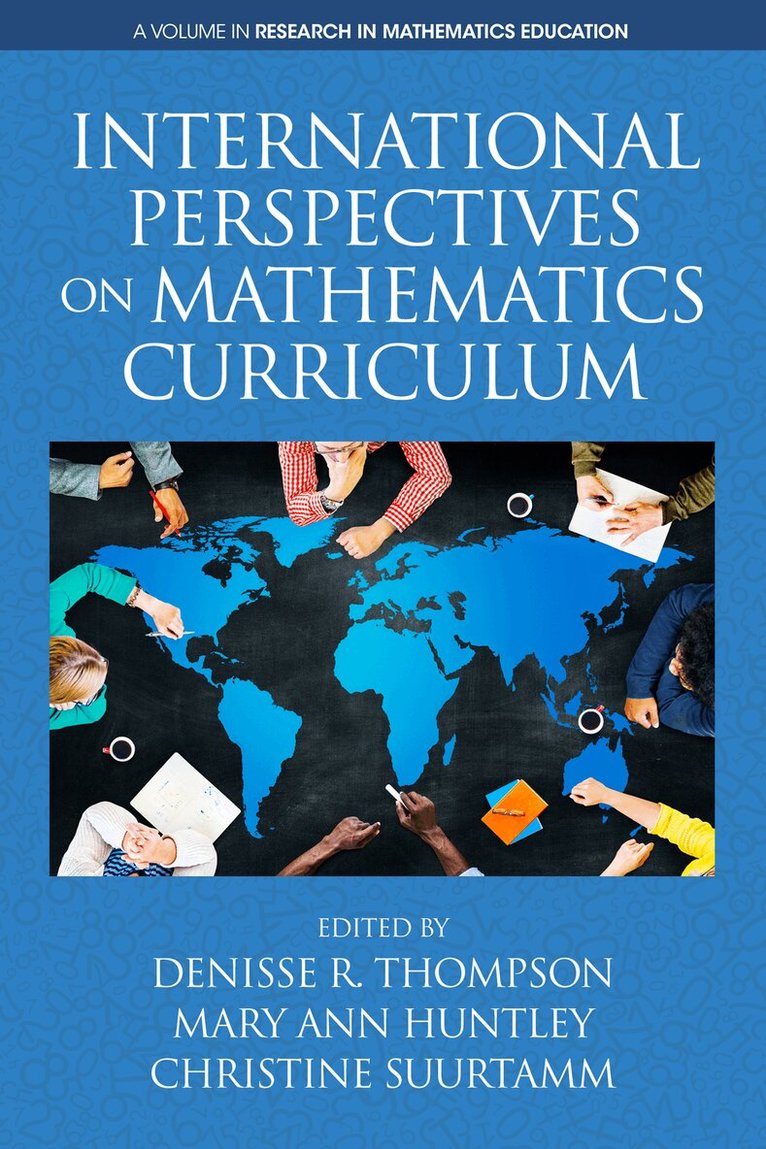
Curriculum can be defined in a variety of ways. It might be viewed as a body of knowledge, a product, or a process. Curricula can differ as they are conceptualized from various theoretical perspectives to address the needs of teachers, students, and the context of schooling. One reason to study curriculum is 'to reveal the expectations, processes and outcomes of students’ school learning experiences that are situated in different cultural and system contexts. … further studies of curriculum practices and changes are much needed to help ensure the success of educational reforms in the different cultural and system contexts' (Kulm & Li, 2009, p. 709).This volume highlights international perspectives on curriculum and aims to broaden the wider mathematics education community’s understandings of mathematics curriculum through viewing a variety of ways that curricula are developed, understood, and implemented in different jurisdictions/countries. Within this volume, we define curriculum broadly as the set of mathematics standards or outcomes, the messages inherent in mathematics curriculum documents and resources, how these standards are understood by a variety of stakeholders, and how they are enacted in classrooms. The focus is on the written, implied, and enacted curriculum in various educational settings throughout the world.
Inbunden, Engelska, 2017
1 050 kr
Skickas inom 5-8 vardagar
Curriculum can be defined in a variety of ways. It might be viewed as a body of knowledge, a product, or a process. Curricula can differ as they are conceptualized from various theoretical perspectives to address the needs of teachers, students, and the context of schooling. One reason to study curriculum is 'to reveal the expectations, processes and outcomes of students’ school learning experiences that are situated in different cultural and system contexts. … further studies of curriculum practices and changes are much needed to help ensure the success of educational reforms in the different cultural and system contexts' (Kulm & Li, 2009, p. 709).This volume highlights international perspectives on curriculum and aims to broaden the wider mathematics education community’s understandings of mathematics curriculum through viewing a variety of ways that curricula are developed, understood, and implemented in different jurisdictions/countries. Within this volume, we define curriculum broadly as the set of mathematics standards or outcomes, the messages inherent in mathematics curriculum documents and resources, how these standards are understood by a variety of stakeholders, and how they are enacted in classrooms. The focus is on the written, implied, and enacted curriculum in various educational settings throughout the world.
Häftad, Engelska, 2021
611 kr
Skickas inom 5-8 vardagar
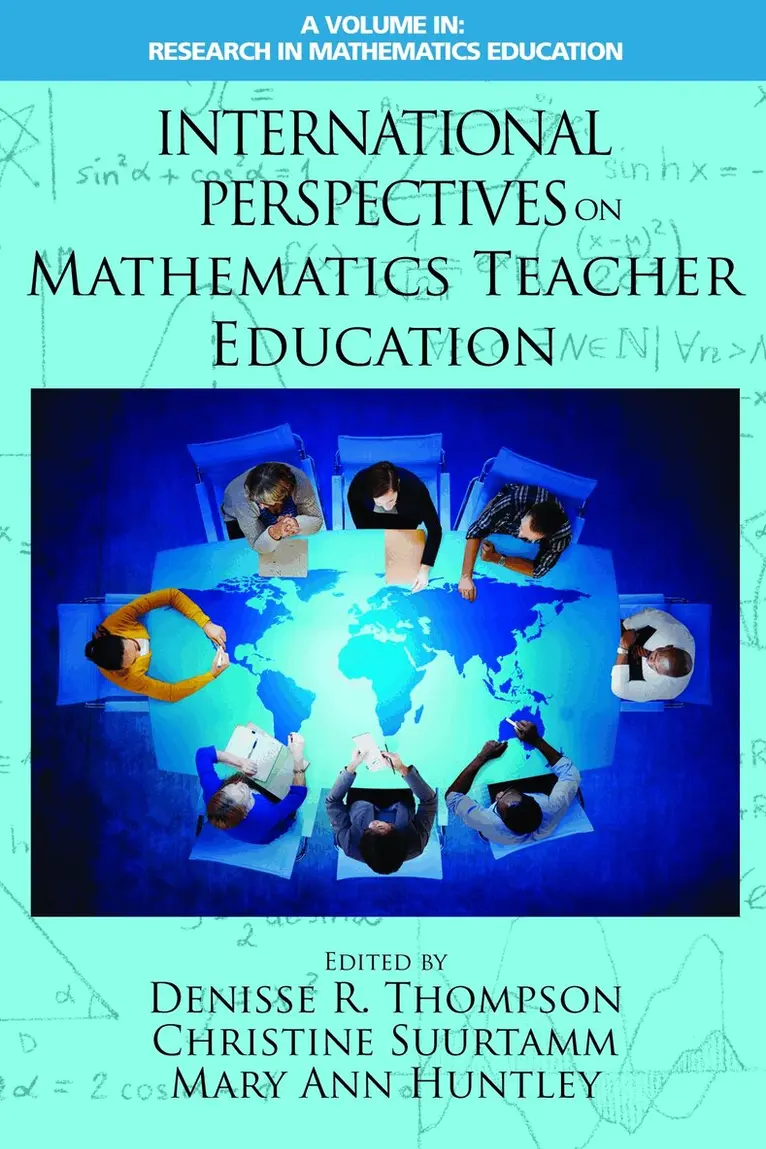
Mathematics teacher education includes the mathematics content teachers need to understand, ways that pedagogical approaches are developed, messages about the nature of mathematics teaching and learning, and interfaces between tertiary preparation and school contexts. Scholars from Sweden, France, Malawi, Singapore, New Zealand, Brazil, the USA, and Canada provide insights for the mathematics education community’s understanding of how teacher educators structure, develop, and implement their respective mathematics teacher education programs. Several themes emerged across the chapters, including: varied approaches to developing culturally responsive pedagogies and/or Indigenous perspectives; issues and challenges in fostering partnerships and collaborations; strategies for developing mathematics knowledge for teaching; and preparing flexible and resourceful teachers.
Inbunden, Engelska, 2021
1 081 kr
Skickas inom 5-8 vardagar
Mathematics teacher education includes the mathematics content teachers need to understand, ways that pedagogical approaches are developed, messages about the nature of mathematics teaching and learning, and interfaces between tertiary preparation and school contexts. Scholars from Sweden, France, Malawi, Singapore, New Zealand, Brazil, the USA, and Canada provide insights for the mathematics education community’s understanding of how teacher educators structure, develop, and implement their respective mathematics teacher education programs. Several themes emerged across the chapters, including: varied approaches to developing culturally responsive pedagogies and/or Indigenous perspectives; issues and challenges in fostering partnerships and collaborations; strategies for developing mathematics knowledge for teaching; and preparing flexible and resourceful teachers.
Inbunden, Engelska, 2026
1 115 kr
Skickas inom 5-8 vardagar
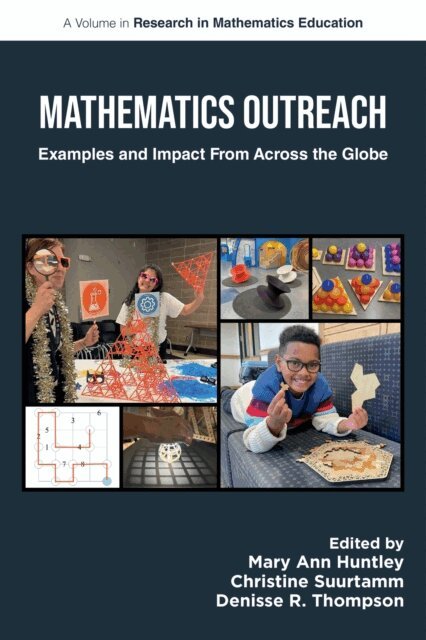
Mathematics Outreach: Examples and Impact From Across the Globe focuses on mathematics outreach, which involves people sharing their passion for and knowledge of mathematics with the goal of broadening access to and engagement in mathematics learning experiences. Chapters contain rich descriptions and examples of mathematics outreach, together with reports of impact and effectiveness. Examples come from Ireland, the Philippines, Singapore, South Korea, and the United States. Authors describe outreach that engages people in a variety of mathematical experiences such as math circles, museum activities, mathematics festivals, problem-based puzzle environments, and math walks in the community.All chapter authors report on parameters of their mathematics outreach, including duration of activities, funding, facilitating the activities, and sustaining the outreach over time. Authors of two chapters describe surveys of the literature about mathematics outreach. We expect Mathematics Outreach may be of value to readers interested in developing and considering the impact of mathematics outreach in their own contexts.
Häftad, Engelska, 2026
659 kr
Skickas inom 5-8 vardagar
Mathematics Outreach: Examples and Impact From Across the Globe focuses on mathematics outreach, which involves people sharing their passion for and knowledge of mathematics with the goal of broadening access to and engagement in mathematics learning experiences. Chapters contain rich descriptions and examples of mathematics outreach, together with reports of impact and effectiveness. Examples come from Ireland, the Philippines, Singapore, South Korea, and the United States. Authors describe outreach that engages people in a variety of mathematical experiences such as math circles, museum activities, mathematics festivals, problem-based puzzle environments, and math walks in the community.All chapter authors report on parameters of their mathematics outreach, including duration of activities, funding, facilitating the activities, and sustaining the outreach over time. Authors of two chapters describe surveys of the literature about mathematics outreach. We expect Mathematics Outreach may be of value to readers interested in developing and considering the impact of mathematics outreach in their own contexts.
Häftad, Engelska, 2019
544 kr
Skickas inom 10-15 vardagar
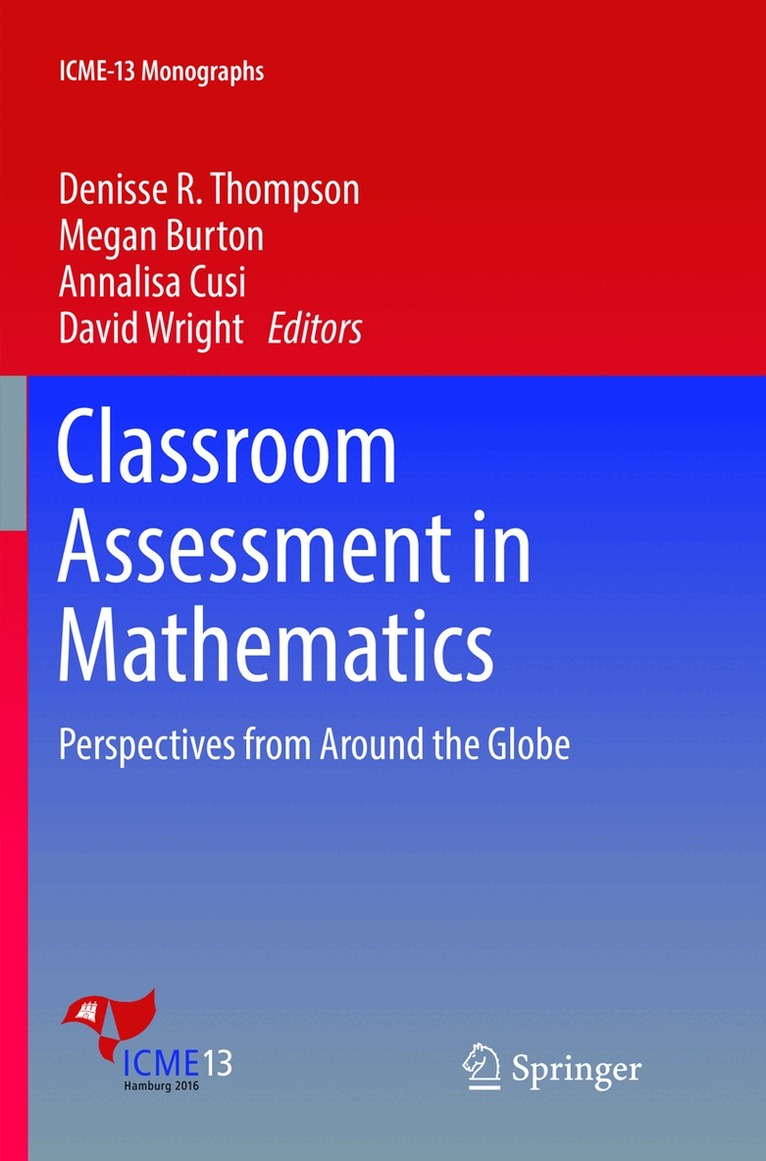
This book consists of 13 papers developed by participants in the ICME 13 Topic Study Group 40 on Classroom Assessment. The individual papers discuss various aspects of classroom assessment, focusing particularly on formative assessment as assessment for learning, and are grouped into four main sections: Examples of Classroom Assessment in Action, Technology as a Tool for Classroom Assessment, Statistical Models for Formative Assessment, and Engaging Teachers in Formative Assessment. The book opens with a brief discussion of the use of formative assessment as a critical component of the teaching–learning process and concludes with an overview of lessons learned and ideas for future research. It is of interest to classroom teachers, university teacher educators, professional development providers and school supervisors.
Häftad, Engelska, 2016
104 kr
Skickas inom 10-15 vardagar
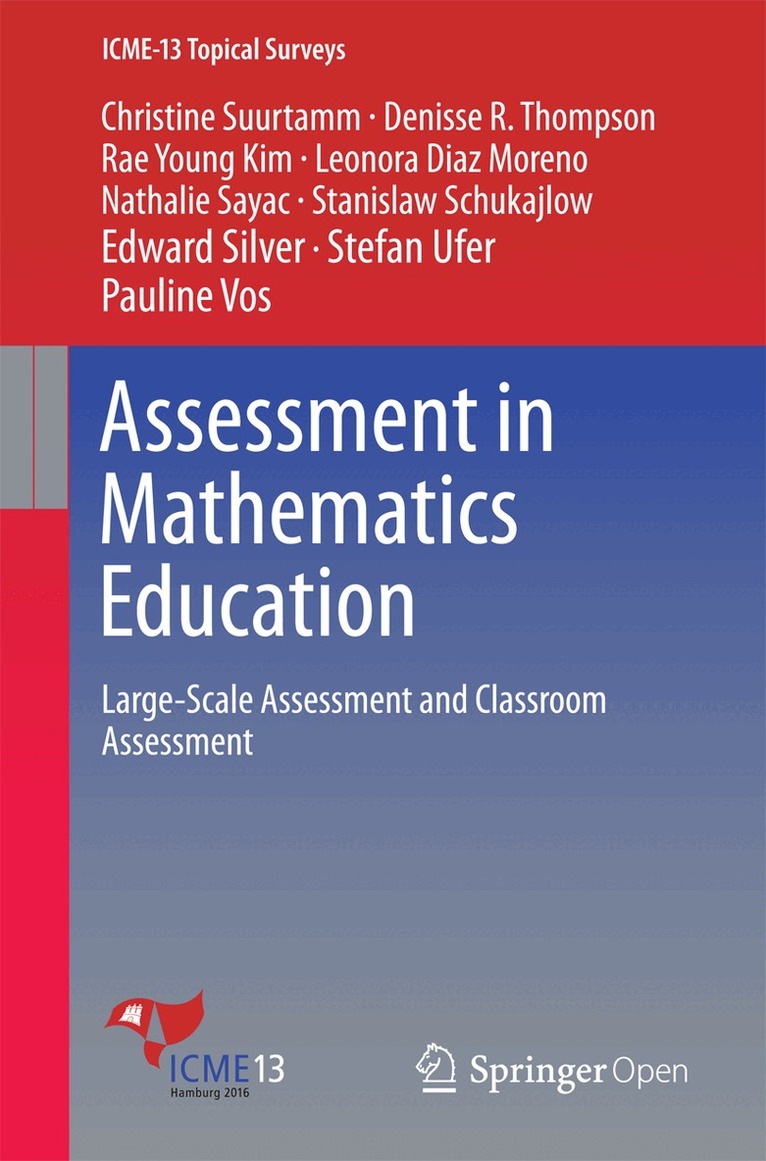
This book provides an overview ofcurrent research on a variety of topics related to both large-scale andclassroom assessment. First, the purposes, traditions and principles ofassessment are considered, with particular attention to those common to all levelsof assessment and those more connected with either classroom or large-scaleassessment. Assessment design based on sound assessment principles is discussed,differentiating between large-scale and classroom assessment, but alsoexamining how the design principles overlap. The focus then shifts to classroomassessment and provides specific examples of assessment strategies, beforeexamining the impact of large-scale assessment on curriculum, policy, instruction,and classroom assessment. The book concludes by discussing the challenges thatteachers currently face, as well as ways to support them. The book offers a common languagefor researchers in assessment, as well as a primer for those interested inunderstanding current work in the area of assessment. In summary, itprovides the opportunity to discuss large-scale and classroom assessment byaddressing the following main themes:·Purposes, Traditions and Principles of Assessment·Design of Assessment Tasks·Classroom Assessment in Action·Interactions of Large-Scale and Classroom Assessment·Enhancing Sound Assessment Knowledge and PracticesIt also suggests areas for futureresearch in assessment in mathematics education.
Inbunden, Engelska, 2018
529 kr
Skickas inom 10-15 vardagar
This book consists of 13 papers developed by participants in the ICME 13 Topic Study Group 40 on Classroom Assessment. The individual papers discuss various aspects of classroom assessment, focusing particularly on formative assessment as assessment for learning, and are grouped into four main sections: Examples of Classroom Assessment in Action, Technology as a Tool for Classroom Assessment, Statistical Models for Formative Assessment, and Engaging Teachers in Formative Assessment. The book opens with a brief discussion of the use of formative assessment as a critical component of the teaching–learning process and concludes with an overview of lessons learned and ideas for future research. It is of interest to classroom teachers, university teacher educators, professional development providers and school supervisors.
Häftad, Engelska, 2024
784 kr
Skickas inom 5-8 vardagar
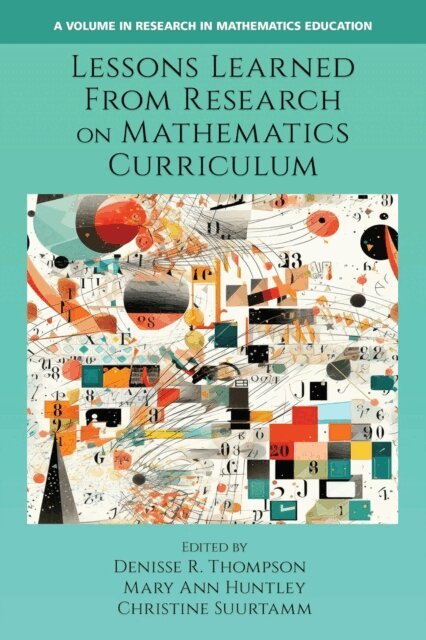
This volume focuses on research related to mathematics curriculum. But rather than focusing on results of research, it focuses on lessons learned about conducting research on curriculum, whether about design and development, analysis of curriculum in the form of official standards or textbook instantiations, teacher intentions related to curriculum implementation, or actual classroom enactment. For scholars interested in curriculum research, the volume offers lessons about conducting curriculum research that have been learned by others engaged in such work, including frameworks, tools, and techniques, as well as challenges and issues faced, with solutions to address them. Sharing lessons from authors of different countries strengthens the broader mathematics research community and provides insights that can help researchers make important strides forward in research on mathematics curriculum.
Inbunden, Engelska, 2024
1 238 kr
Skickas inom 5-8 vardagar
This volume focuses on research related to mathematics curriculum. But rather than focusing on results of research, it focuses on lessons learned about conducting research on curriculum, whether about design and development, analysis of curriculum in the form of official standards or textbook instantiations, teacher intentions related to curriculum implementation, or actual classroom enactment. For scholars interested in curriculum research, the volume offers lessons about conducting curriculum research that have been learned by others engaged in such work, including frameworks, tools, and techniques, as well as challenges and issues faced, with solutions to address them. Sharing lessons from authors of different countries strengthens the broader mathematics research community and provides insights that can help researchers make important strides forward in research on mathematics curriculum.