Dennis B. Gannon – författare
Visar alla böcker från författaren Dennis B. Gannon. Handla med fri frakt och snabb leverans.
8 produkter
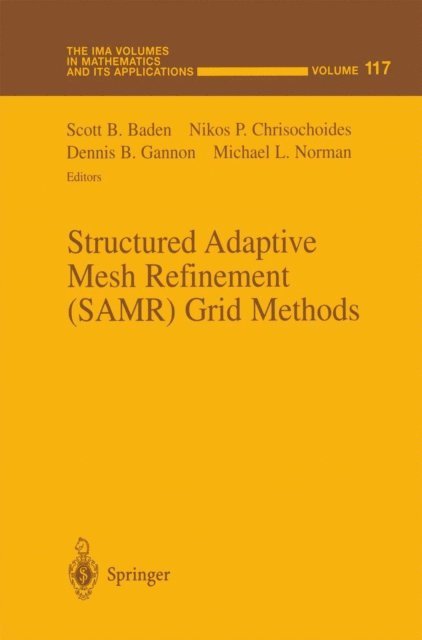
Structured Adaptive Mesh Refinement (SAMR) Grid Methods
Av Michael L. Norman, Dennis B. Gannon m. fl.
E-bok, 2012
712 kr
Lägg i varukorg
Structured adaptive mesh refinement (SAMR) methods have matured over the past 20 years and are now the method of choice for certain difficult problems, such as compressible flow. SAMR presents difficult technical challenges, both in terms of the numerical techniques involved and the complexity of …
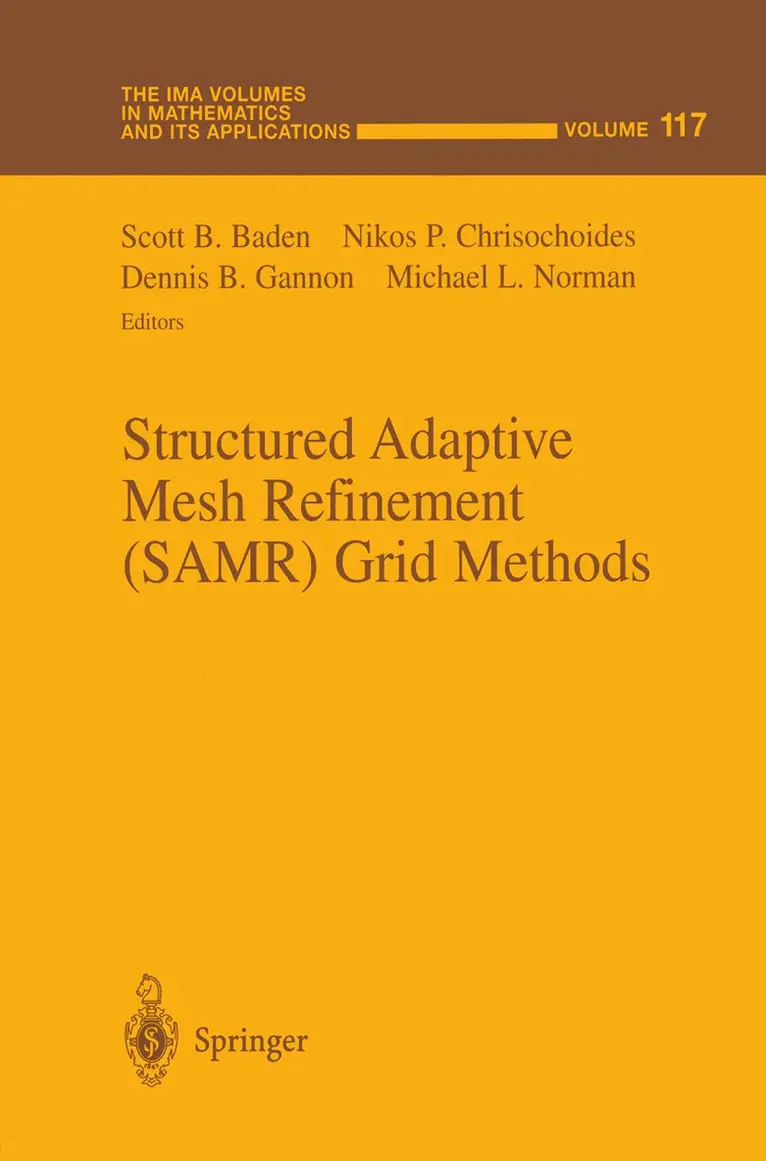
Structured Adaptive Mesh Refinement (SAMR) Grid Methods
Av Scott B. Baden, Nikos P. Chrisochoides m. fl.
Häftad, 2012
550 kr
Lägg i varukorg
Structured adaptive mesh refinement (SAMR) methods have matured over the past 20 years and are now the method of choice for certain difficult problems, such as compressible flow. SAMR presents difficult technical challenges, both in terms of the numerical techniques involved and the complexity of …
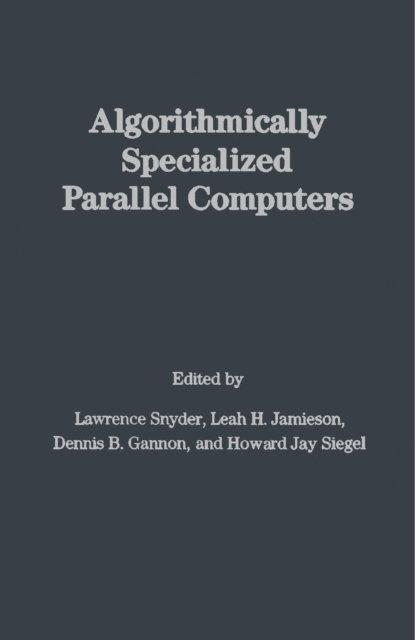
Algorithmically Specialized Parallel Computers
Av Dennis B. Gannon, Leah H. Jamieson m. fl.
E-bok, 2014
789 kr
Lägg i varukorg
Algorithmically Specialized Parallel Computers focuses on the concept and characteristics of an algorithmically specialized computer. This book discusses the algorithmically specialized computers, algorithmic specialization using VLSI, and innovative architectures. The architectures and algorithms …
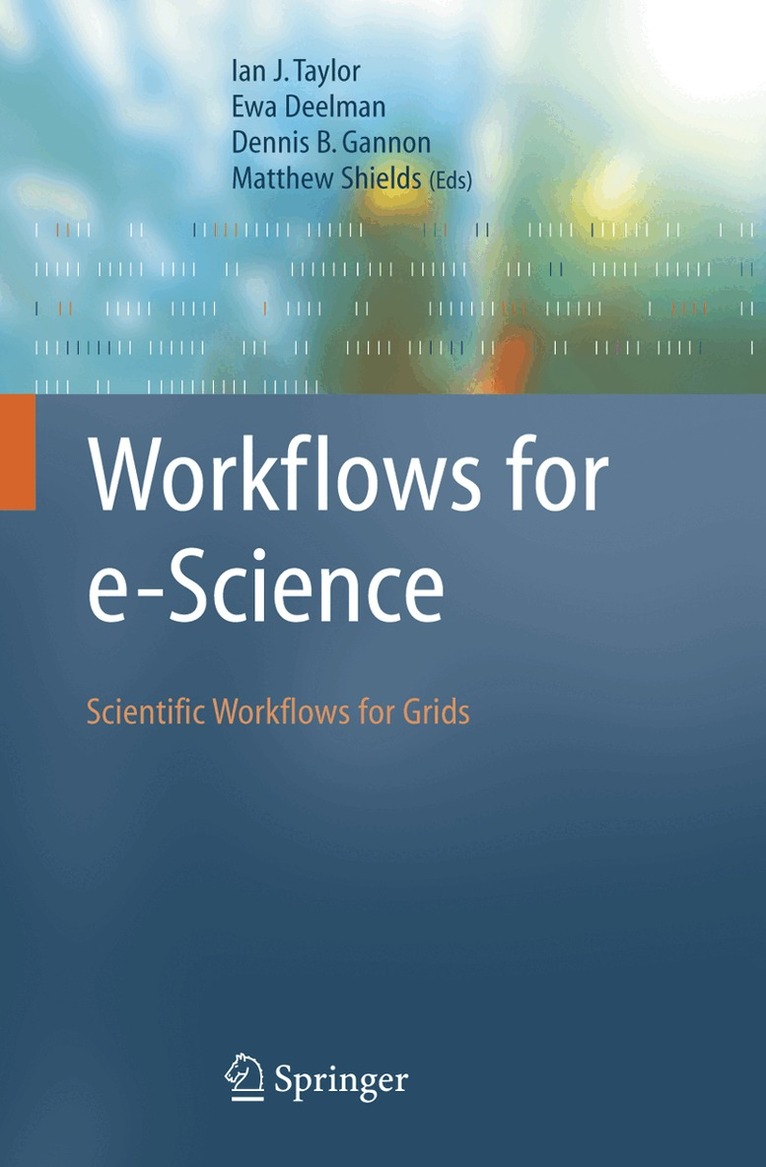
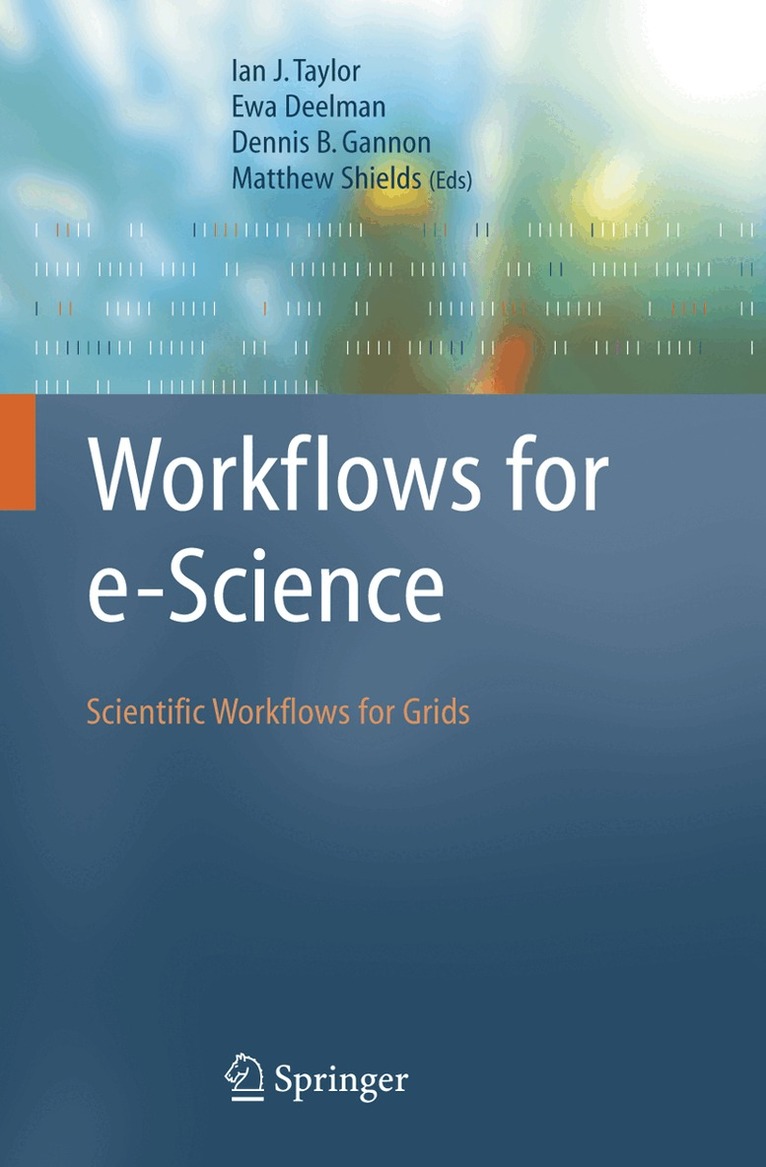
Workflows for e-Science
Scientific Workflows for Grids
Av Ian J. Taylor, Ewa Deelman m. fl.
Inbunden, 2006
1126 kr
Lägg i varukorg
This collection of articles on ‘Work?ows for e-Science’ is very timely and - portant. Increasingly, to attack the next generation of scienti?c problems, multidisciplinary and distributed teams of scientists need to collaborate to make progress on these new ‘Grand Challenges’. Scientists now need to …
Workflows for e-Science
Scientific Workflows for Grids
Av Matthew Shields, Dennis B. Gannon m. fl.
E-bok, 2007
1470 kr
Lägg i varukorg
This collection of articles on ‘Work?ows for e-Science’ is very timely and - portant. Increasingly, to attack the next generation of scienti?c problems, multidisciplinary and distributed teams of scientists need to collaborate to make progress on these new ‘Grand Challenges’. Scientists now need to …
Workflows for e-Science
Scientific Workflows for Grids
Av Ian J. Taylor, Ewa Deelman m. fl.
Häftad, 2014
1126 kr
Lägg i varukorg
This collection of articles on ‘Work?ows for e-Science’ is very timely and - portant. Increasingly, to attack the next generation of scienti?c problems, multidisciplinary and distributed teams of scientists need to collaborate to make progress on these new ‘Grand Challenges’. Scientists now need to …
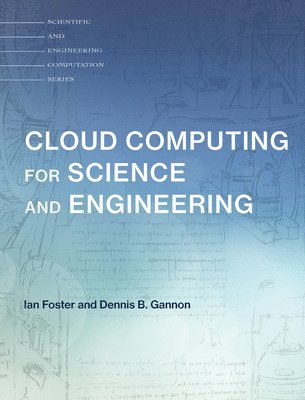
Cloud Computing for Science and Engineering
Av Ian Foster, Dennis B. Gannon
Inbunden, 2017
611 kr
Tillfälligt slut