Ian J. Taylor – författare
Visar alla böcker från författaren Ian J. Taylor. Handla med fri frakt och snabb leverans.
7 produkter
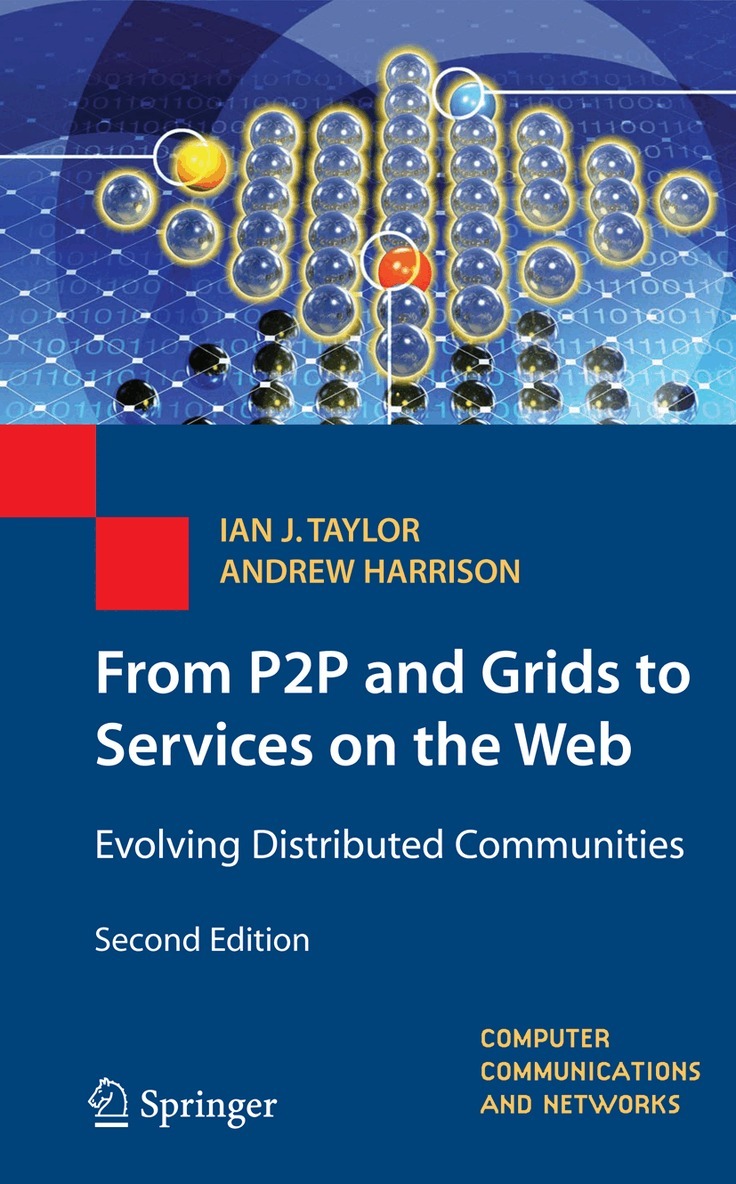
From P2P and Grids to Services on the Web
Evolving Distributed Communities
Av Ian J. Taylor, Andrew Harrison
Häftad, 2014
567 kr
Lägg i varukorg
Over the past several years, Internet users have changed in their usage p- terns from predominately client/server-based Web server interactions to also involving the use of more decentralized applications, where they contribute more equally in the role of the application as a whole, and further to …
From P2P to Web Services and Grids
Peers in a Client/Server World
Av Andrew Harrison, Ian J. Taylor
E-bok, 2006
739 kr
Lägg i varukorg
Peers In A Client Server World provides a comprehensive overview of emerging peer-to-peer (P2P) technologies that have revolutionized the way we think about distributed computing and the internet. These technologies are compared to alternative solutions, most notably web services and Grid computing …
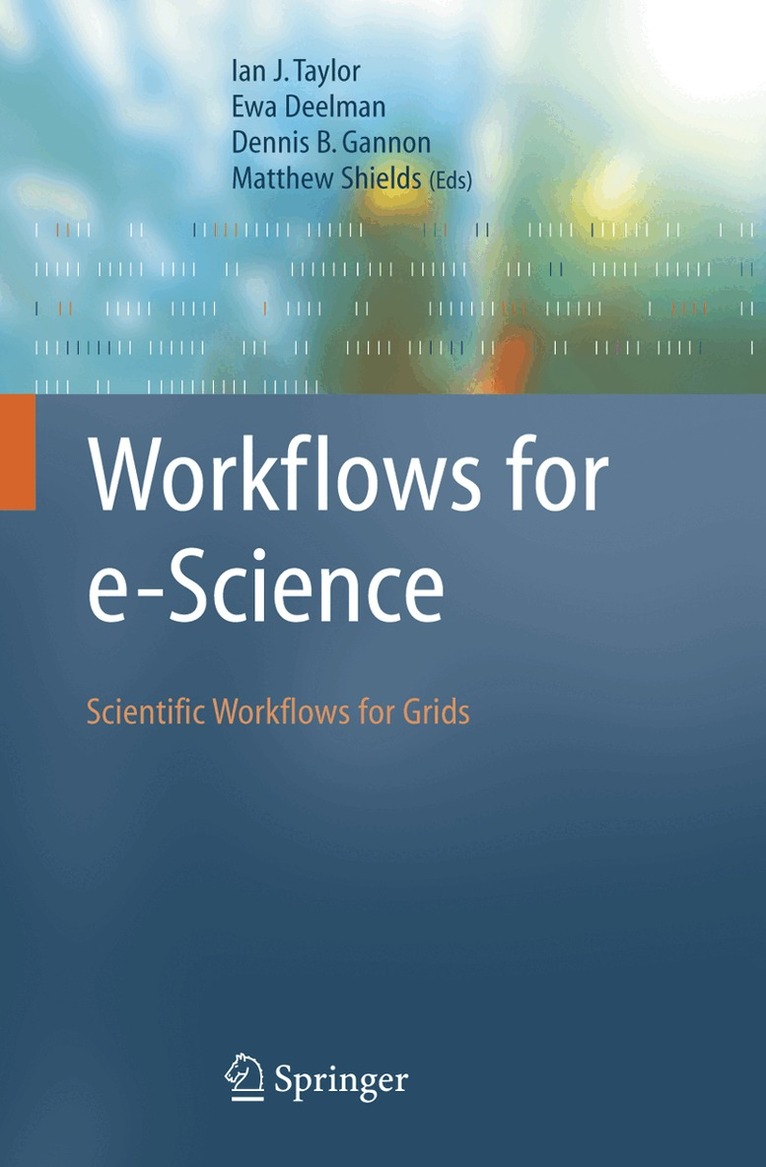
Workflows for e-Science
Scientific Workflows for Grids
Av Ian J. Taylor, Ewa Deelman m. fl.
Inbunden, 2006
1126 kr
Lägg i varukorg
This collection of articles on ‘Work?ows for e-Science’ is very timely and - portant. Increasingly, to attack the next generation of scienti?c problems, multidisciplinary and distributed teams of scientists need to collaborate to make progress on these new ‘Grand Challenges’. Scientists now need to …
Workflows for e-Science
Scientific Workflows for Grids
Av Matthew Shields, Dennis B. Gannon m. fl.
E-bok, 2007
1470 kr
Lägg i varukorg
This collection of articles on ‘Work?ows for e-Science’ is very timely and - portant. Increasingly, to attack the next generation of scienti?c problems, multidisciplinary and distributed teams of scientists need to collaborate to make progress on these new ‘Grand Challenges’. Scientists now need to …
From P2P and Grids to Services on the Web
Evolving Distributed Communities
Av Ian J. Taylor, Andrew Harrison
Inbunden, 2008
567 kr
Lägg i varukorg
Over the past several years, Internet users have changed in their usage p- terns from predominately client/server-based Web server interactions to also involving the use of more decentralized applications, where they contribute more equally in the role of the application as a whole, and further to …
From P2P and Grids to Services on the Web
Evolving Distributed Communities
Av Andrew Harrison, Ian J. Taylor
E-bok, 2008
755 kr
Lägg i varukorg
Over the past several years, Internet users have changed in their usage p- terns from predominately client/server-based Web server interactions to also involving the use of more decentralized applications, where they contribute more equally in the role of the application as a whole, and further to …
Workflows for e-Science
Scientific Workflows for Grids
Av Ian J. Taylor, Ewa Deelman m. fl.
Häftad, 2014
1126 kr
Lägg i varukorg
This collection of articles on ‘Work?ows for e-Science’ is very timely and - portant. Increasingly, to attack the next generation of scienti?c problems, multidisciplinary and distributed teams of scientists need to collaborate to make progress on these new ‘Grand Challenges’. Scientists now need to …