Dennis Grube – författare
Visar alla böcker från författaren Dennis Grube. Handla med fri frakt och snabb leverans.
6 produkter
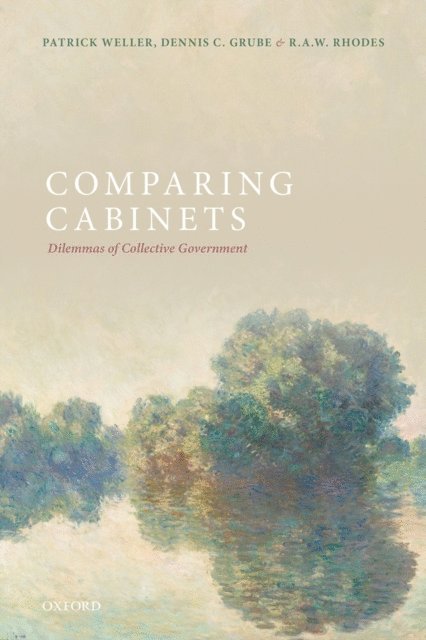
Comparing Cabinets
Dilemmas of Collective Government
Av R. A. W. Rhodes, Dennis Grube m. fl.
E-bok, 2021
1375 kr
Lägg i varukorg
Why is cabinet government so resilient? Despite many obituaries, why does it continue to be the vehicle for governing across most parliamentary systems? Comparing Cabinets answers these questions by examining the structure and performance of cabinet government in five democracies: the United …
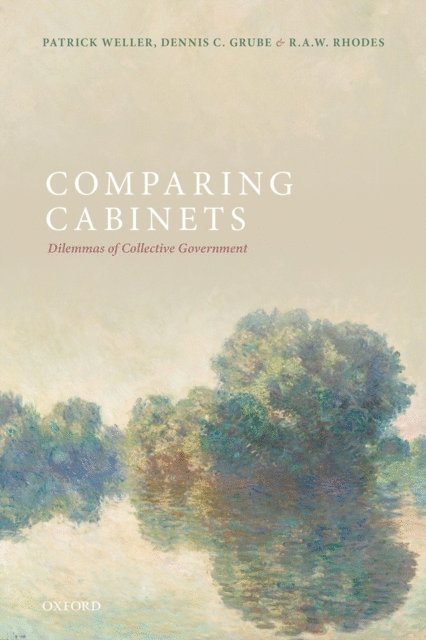
Comparing Cabinets
Dilemmas of Collective Government
Av R. A. W. Rhodes, Dennis Grube m. fl.
E-bok, 2021
1375 kr
Lägg i varukorg
Why is cabinet government so resilient? Despite many obituaries, why does it continue to be the vehicle for governing across most parliamentary systems? Comparing Cabinets answers these questions by examining the structure and performance of cabinet government in five democracies: the United …
Comparing Cabinets
Dilemmas of Collective Government
Av Patrick Weller, Dennis Grube m. fl.
Inbunden, 2021
1540 kr
Lägg i varukorg
Why is cabinet government so resilient? Despite many obituaries, why does it continue to be the vehicle for governing across most parliamentary systems? Comparing Cabinets answers these questions by examining the structure and performance of cabinet government in five democracies: the United …
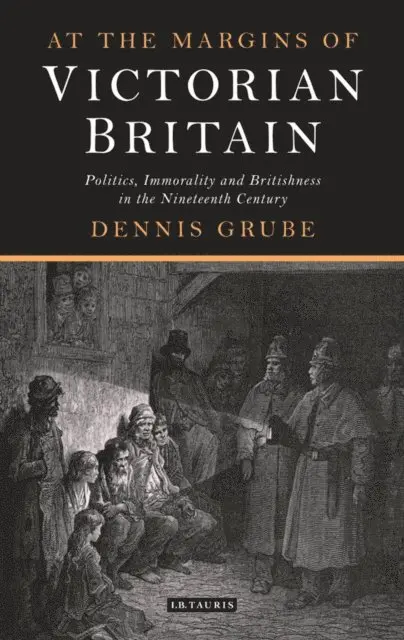
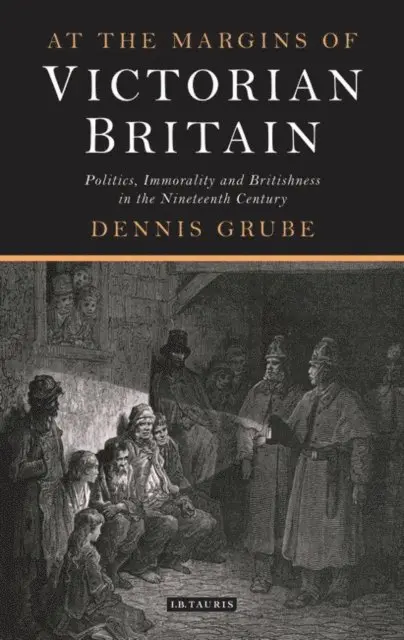
At the Margins of Victorian Britain
Politics, Immorality and Britishness in the Nineteenth Century
Av Dennis Grube
E-bok, 2013
534 kr
Lägg i varukorg
Victorian Britain, at the head of the vast British Empire, was the wealthiest and most powerful country in the world. Yet, not all Britons were seen as possessing the characteristics that defined what it actually meant to be 'British.' At the Margins of Victorian Britain focuses on the political …
At the Margins of Victorian Britain
Politics, Immorality and Britishness in the Nineteenth Century
Av Dennis Grube
E-bok, 2013
534 kr
Lägg i varukorg
Victorian Britain, at the head of the vast British Empire, was the wealthiest and most powerful country in the world. Yet, not all Britons were seen as possessing the characteristics that defined what it actually meant to be 'British.' At the Margins of Victorian Britain focuses on the political …
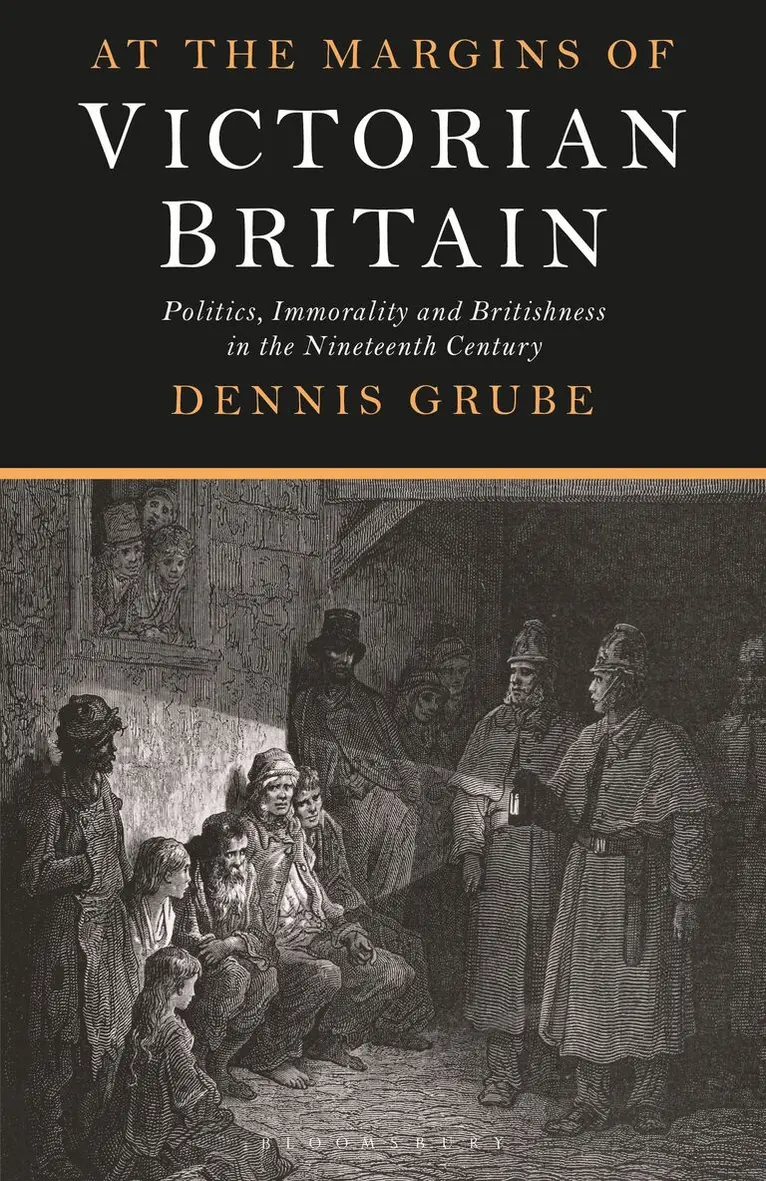
At the Margins of Victorian Britain
Politics, Immorality and Britishness in the Nineteenth Century
Av Dennis Grube
Häftad, 2020
488 kr
Lägg i varukorg
Victorian Britain, at the head of the vast British Empire, was the wealthiest and most powerful country in the world, yet not all Britons were seen as possessing the characteristics that defined what it actually meant to be 'British.' At the Margins of Victorian Britain focuses on the political …