Dennis Newton - Böcker
Visar alla böcker från författaren Dennis Newton. Handla med fri frakt och snabb leverans.
6 produkter
6 produkter
131 kr
Skickas
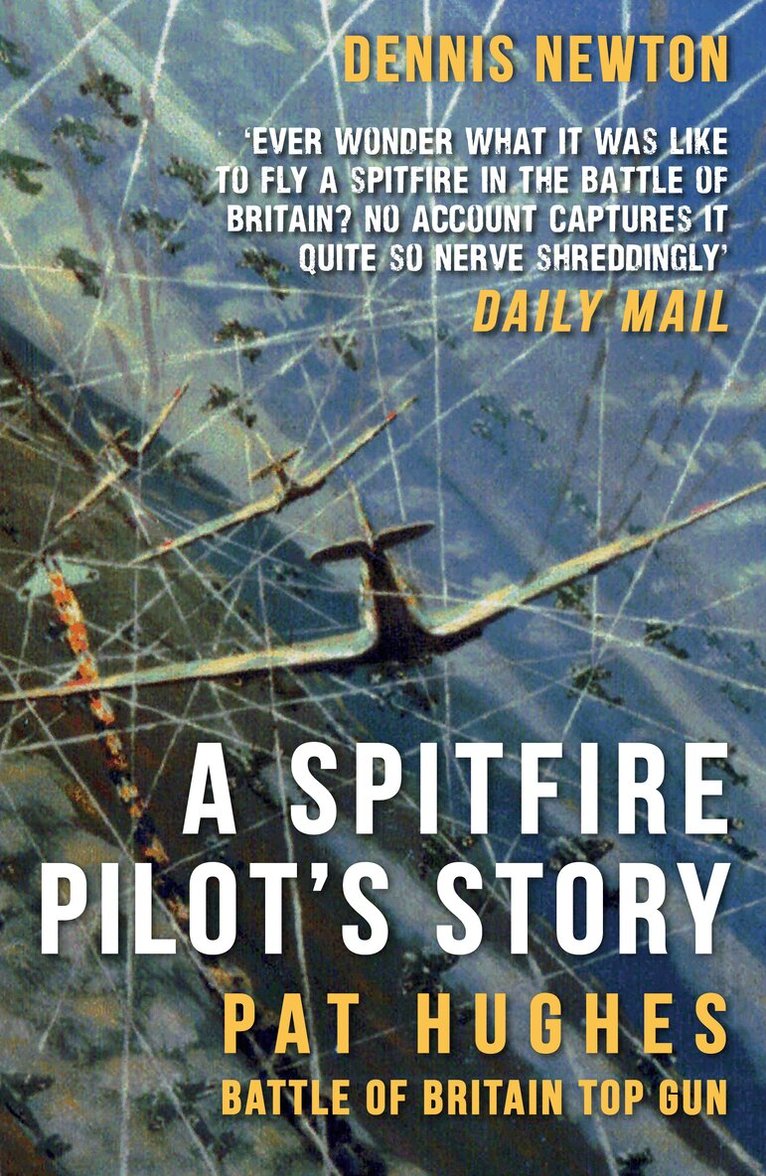
Pat Hughes is today perhaps the greatest unsung hero of the Battle of Britain. Ranked sixth in the ‘ace of aces’ of the aerial campaign of summer 1940, he shot down at least fourteen enemy aircraft, mostly the Spitfire’s closely matched rival the Messerschmitt Me 109.As a flight commander in 234 Squadron he advocated bold, close-in tactics and during July 1940 scored the squadron’s first victories of the epic battle for air supremacy. The burden of command fell on his shoulders before the squadron transferred to the heart of the Battle in the south-east of England, where he endured the heaviest and most sustained period of fighting of the Battle of Britain.Revered by his fellow pilots, Hughes began a shooting spree on 15 August that only ended when he was killed during the first huge daylight attack on London on 7 September. In his last three days alone he contributed at least six kills. His death in mysterious circumstances left Kathleen, his bride of just six weeks, a war widow. This volume is illustrated with over forty photographs, including many from his family that have never before been published.
221 kr
Skickas inom 11-20 vardagar
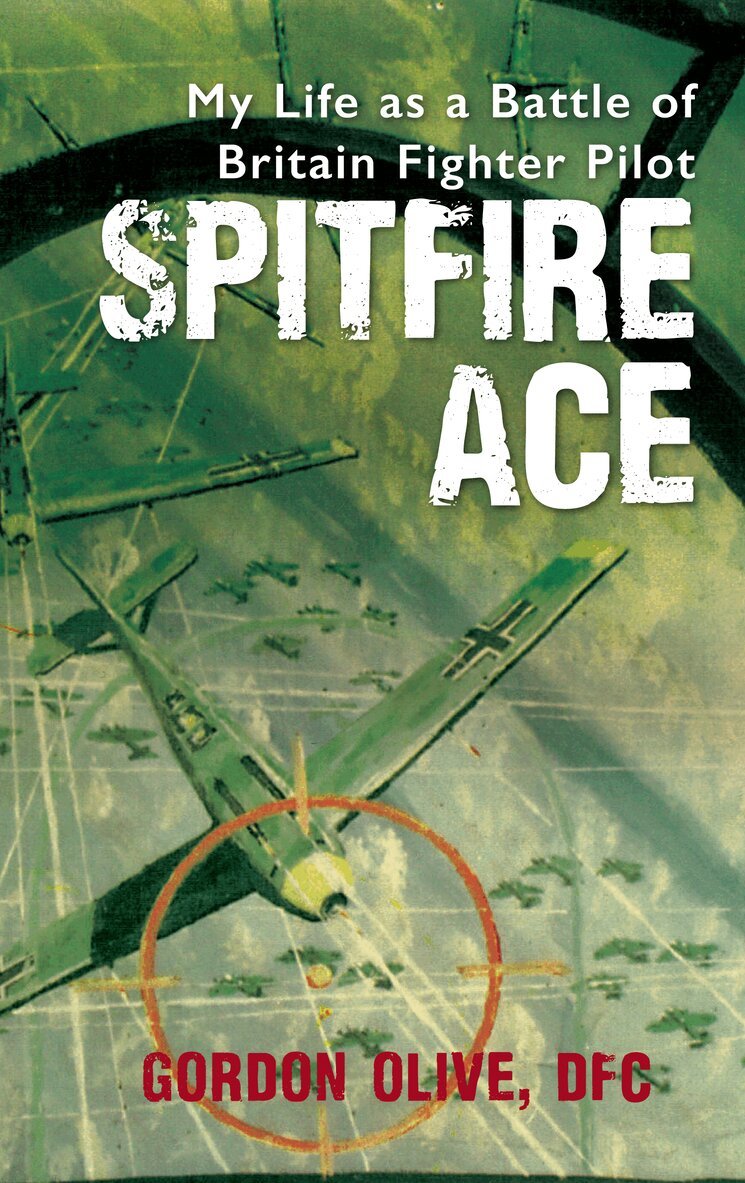
Pitched into the maelstrom of air fighting in the summer of 1940, twenty-four-year-old Gordon Olive barely lived to tell this extraordinary tale of courage and endurance. As Britain fought alone for its survival, ‘the Few’ of RAF Fighter Command took to the air grievously outnumbered, many reaching breaking point, exhausted physically and mentally by unreleting, intense combat.Gordon Olive flew the iconic Spitfire for over 125 missions above London and the south-east in the white heat of the aerial battle for supremacy of the skies. One of the most heavily engaged pilots of the Battle, he shot down ten enemy aircraft.This is his story of what it was like to dogfight with Messerschmitts at speeds of 400 mph, experiencing G forces close to blackout, at one moment to be drenched in sweat with exertion, the next to be freezing at 25,000 feet, to smell the cordite of your own fighter’s machine guns and feel cannon shells explode against the back of your armoured seat.Illustrated in colour with forty unique paintings of the aerial battle of summer 1940 by the author.
274 kr
Skickas inom 11-20 vardagar
Pat Hughes is today perhaps the greatest unsung hero of the Battle of Britain. Ranked sixth in the ‘ace of aces’ of the aerial campaign of summer 1940, he shot down at least fourteen enemy aircraft, mostly the Spitfire’s closely matched rival the Messerschmitt Me 109.As a flight commander in 234 Squadron he advocated bold, close-in tactics and during July 1940 scored the squadron’s first victories of the epic battle for air supremacy. The burden of command fell on his shoulders before the squadron transferred to the heart of the Battle in the south-east of England, where he endured the heaviest and most sustained period of fighting of the Battle of Britain.Revered by his fellow pilots, Hughes began a shooting spree on 15 August that only ended when he was killed during the first huge daylight attack on London on 7 September. In his last three days alone he contributed at least six kills. His death in mysterious circumstances left Kathleen, his bride of just six weeks, a war widow. This volume is illustrated with over forty photographs, including many from his family that have never before been published.
163 kr
Skickas
Pitched into the maelstrom of air fighting in the summer of 1940, twenty-four-year-old Gordon Olive barely lived to tell this extraordinary tale of courage and endurance.As Britain fought alone for its survival, ‘the Few’ of RAF Fighter Command took to the air grievously outnumbered, many reaching breaking point, exhausted physically and mentally by unrelenting, intense combat.Gordon Olive flew the iconic Spitfire for over 125 missions above London and the south-east in the white heat of the aerial battle for supremacy of the skies. One of the most heavily engaged pilots of the Battle, he claimed ten enemy aircraft destroyed in those frantic months.This is his story of what it was like to dogfight with Messerschmitts at speeds of 400 mph, experiencing G forces close to blackout, at one moment to be drenched in sweat with exertion, the next to be freezing at 25,000 feet, to smell the cordite of your own fighter’s machine guns and feel cannon shells explode against the back of your armoured seat.Illustrated in colour with forty unique paintings of the aerial battle of summer 1940 by the author.
221 kr
Skickas
Robert Wilton Bungey was unquestionably an RAF hero. From the very beginning of the Second World War he was patrolling Germany’s border with the AASF. In the retreat from France he survived frantic day and night bombing missions flying obsolete, outclassed Fairey Battles against overwhelming odds. Many others didn’t survive.When Fighter Command desperately needed pilots in the Battle of Britain, he volunteered. He survived again when his Hurricane was shot down near the Isle of Wight. Converting to Spitfires, he commanded such aces as Jean ‘Pyker’ Offenberg, Paddy Finucane and Bluey Truscott, his leadership from-the-front gaining their trust and respect.While he was CO of 452 (RAAF) Squadron, it topped Fighter Command’s monthly tallies three times in a row. Later, commanding RAF Hawkinge, he was linked with air-sea rescue and Combined Operations Command.After more than three years of active war service, he returned to Australia for Sybil, his English bride waiting with a son he had never seen. But this story of triumph against all the odds has an extraordinary ending: at once a terrible tragedy and something of a miracle…Spitfire Leader is illustrated with many photographs never before published.
221 kr
Tillfälligt slut
An extraordinary and forthright character, Dereck French was an original bomber boy and one of those few who managed to survive the war. His battered old suitcase with the label ‘D. J. French RAF’ was taken on all his trips away from home tied up with a leather belt and sporting a bullet hole.At the beginning he witnessed Britain fighting for its existence and losing - staggering towards seemingly inevitable defeat. He tells of blunders, sacrifices, and rare successes. He saw the struggle to fight back and eventually find a way to win. Dereck was part of it all. Flying Hampdens, he bombed Europe day and night. He bombed in Manchesters too, an aircraft still experimental and pressed into service too soon. Britain was desperate somehow to find a new weapon, a war-winner. It was costly. In Wellingtons, he bombed North Africa as the war at last turned in favour of the Allies. And from India he bombed Burma as the tide of that campaign was changing too.Dereck’s words are not inhibited by wartime censorship, nor are they distorted by propaganda. Events are told frankly as they really happened. Aircraft and tactics are described with technical expertise. People are portrayed ‘warts and all’, as they really were. It was not in Dereck’s nature to pull any punches - sometimes to his detriment, attracting the ire of those in charge. He reveals the impact bureaucracy had on the ‘front line’ airman who bore the brunt of it all.