Densil D Morgan – författare
Visar alla böcker från författaren Densil D Morgan. Handla med fri frakt och snabb leverans.
5 produkter
Lewis Edwards
E-bok, 2009
141 kr
Lägg i varukorg
A comprehensive study of the work of Lewis Edwards (1809-87), Wales's foremost scholar of the nineteenth century, and one who raised the standard of Nonconformist Wales erudition. A Calvinistic Methodist in his upbringing and through conviction, he was a pious man belonging to his era.
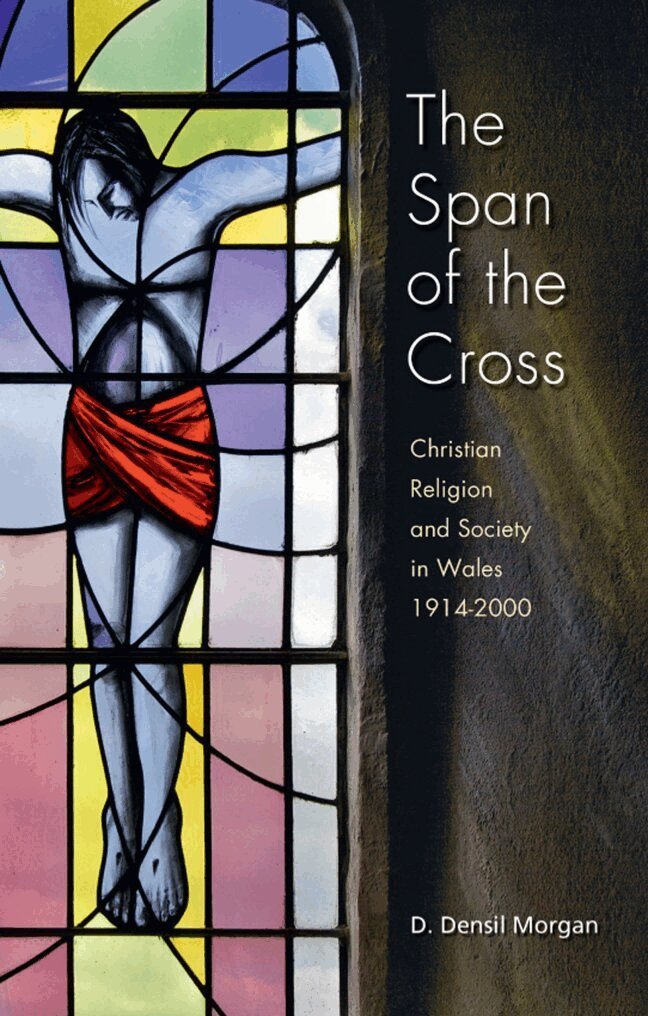
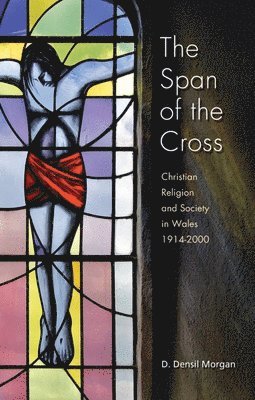
Span of the Cross
Christian Religion and Society in Wales 1914-2000
Häftad, 2011
175 kr
Lägg i varukorg
This is the first full-length history of 20th-century Christianity in Wales. Beginning with a description of religion and its place in society in 1914, it assesses the effect which the Great War made on people's spiritual convictions and on religious opinion and practise. It proceeds to analyse the …
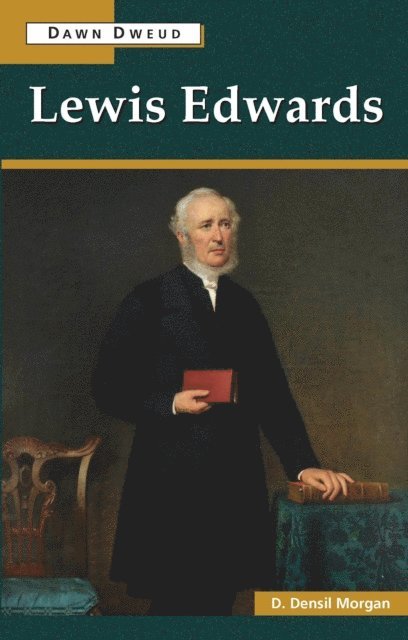
Lewis Edwards
E-bok, 2009
141 kr
Lägg i varukorg
A comprehensive study of the work of Lewis Edwards (1809-87), Wales's foremost scholar of the nineteenth century, and one who raised the standard of Nonconformist Wales erudition. A Calvinistic Methodist in his upbringing and through conviction, he was a pious man belonging to his era.
Span of the Cross
Christian Religion and Society in Wales 1914-2000
E-bok, 2016
229 kr
Lägg i varukorg
This is the first full-length history of 20th-century Christianity in Wales. Beginning with a description of religion and its place in society in 1914, it assesses the effect which the Great War made on people's spiritual convictions and on religious opinion and practise. It proceeds to analyse the …
The Span of the Cross
Christian Religion and Society in Wales, 1914-2000
Inbunden, 1999
565 kr
Tillfälligt slut
Presents a history of 20th-century Christianity in Wales. This title assesses the effect which the Great War made on people's spiritual convictions and on religious opinion and practise. It analyses the state of the disestablished church in Wales, an increasingly confident Catholicism and the …