Derek Krueger - Böcker
Visar alla böcker från författaren Derek Krueger. Handla med fri frakt och snabb leverans.
9 produkter
9 produkter
635 kr
Skickas inom 10-15 vardagar
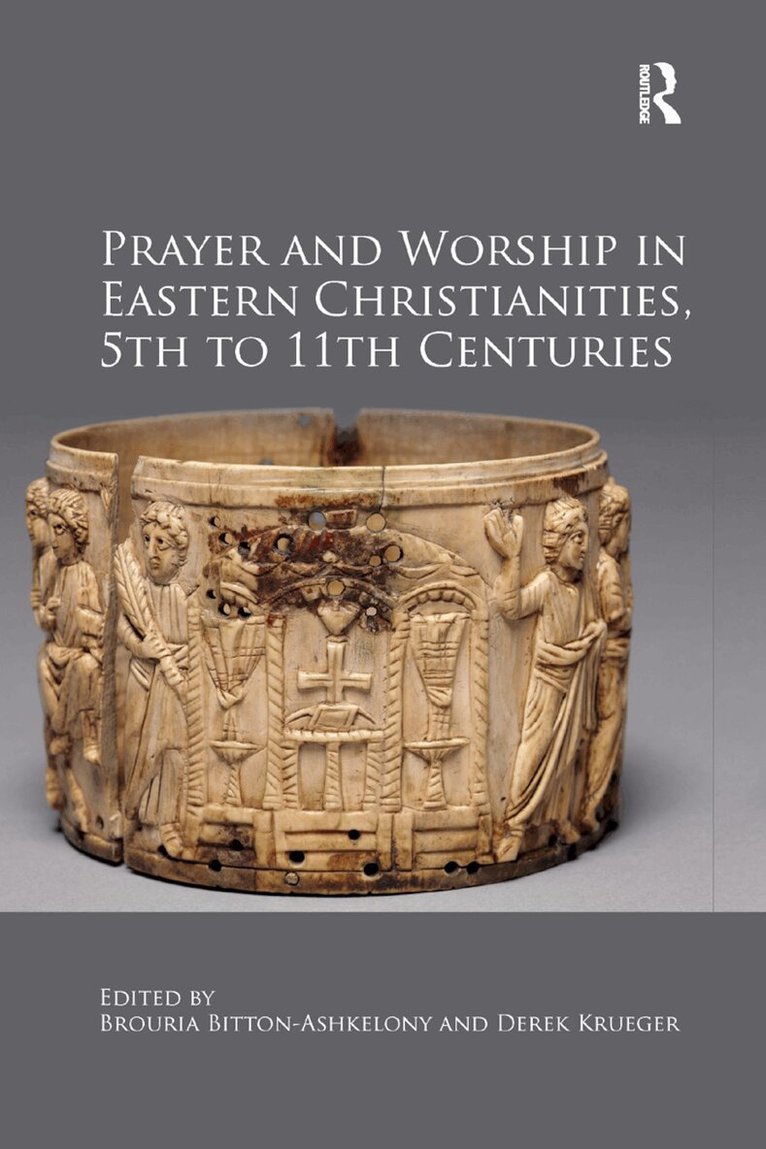
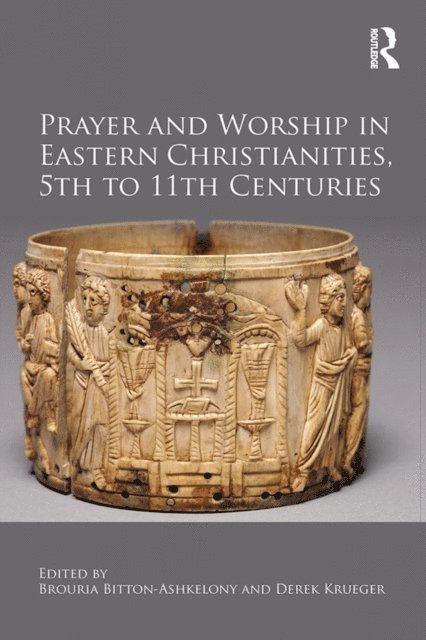
Prayer and Worship in Eastern Christianities, 5th to 11th Centuries forges a new conversation about the diversity of Christianities in the medieval eastern Mediterranean, centered on the history of practice, looking at liturgy, performance, prayer, poetry, and the material culture of worship. It studies prayer and worship in the variety of Christian communities that thrived from late antiquity to the middle ages: Byzantine Orthodoxy, Syrian Orthodoxy, and the Church of the East. Rather than focusing on doctrinal differences and analyzing divergent patterns of thought, the essays address common patterns of worship, individual and collective prayer, hymnography and liturgy, as well as the indigenous theories that undergirded Christian practices. The volume intervenes in standard academic discourses about Christian difference with an exploration of common patterns of celebration, commemoration, and self-discipline.Essays by both established and promising, younger scholars interrogate elements of continuity and change over time – before and after the rise of Islam, both under the control of the Eastern Roman Empire and in the lands of successive caliphates. Groups distinct in their allegiances nevertheless shared a common religious heritage and recognized each other – even in their differences – as kinds of Christianity. A series of chapters explore the theory and practice of prayer from Greco-Roman late antiquity to the Syriac middle ages, highlighting the transmission of monastic discourses about prayer, especially among Syrian and Palestinian ascetic teachers. Another set of essays examines localization of prayer within churches through inscriptions, donations, dedications, and incubation. Other chapters treat the composition and transmission of hymns to adorn the liturgy and articulate the emotions of the Christian calendar, structuring liturgical and eschatological time.
Del 25 - Transformation of the Classical Heritage
Symeon the Holy Fool
Leontius's Life and the Late Antique City
Häftad, Engelska, 2018
375 kr
Skickas inom 7-10 vardagar
This first English translation of Leontius of Neapolis's Life of Symeon the Fool brings alive one of the most colorful of early Christian saints. In this study of a major hagiographer at work, Krueger fleshes out a broad picture of the religious, intellectual, and social environment in which the Life was created and opens a window onto the Christian religious imagination at the end of Late Antiquity. He explores the concept of holy folly by relating Symeon's life to the gospels, to earlier hagiography, and to anecdotes about Diogenes the Cynic. The Life is one of the strangest works of the Late Antique hagiography. Symeon seemed a bizarre choice for sanctification, since it was through very peculiar antics that he converted heretics and reformed sinners. Symeon acted like a fool, walked about naked, ate enormous quantities of beans, and defecated in the streets. When he arrived in Emesa, Symeon tied a dead dog he found on a dunghill to his belt and entered the city gate, dragging the dog behind him. Krueger presents a provocative interpretation of how these bizarre antics came to be instructive examples to everyday Christians. This title is part of UC Press's Voices Revived program, which commemorates University of California Press’s mission to seek out and cultivate the brightest minds and give them voice, reach, and impact. Drawing on a backlist dating to 1893, Voices Revived makes high-quality, peer-reviewed scholarship accessible once again using print-on-demand technology. This title was originally published in 1996.
Del 25 - Transformation of the Classical Heritage
Symeon the Holy Fool
Leontius's Life and the Late Antique City
Inbunden, Engelska, 2024
1 690 kr
Skickas inom 3-6 vardagar
This first English translation of Leontius of Neapolis's Life of Symeon the Fool brings alive one of the most colorful of early Christian saints. In this study of a major hagiographer at work, Krueger fleshes out a broad picture of the religious, intellectual, and social environment in which the Life was created and opens a window onto the Christian religious imagination at the end of Late Antiquity. He explores the concept of holy folly by relating Symeon's life to the gospels, to earlier hagiography, and to anecdotes about Diogenes the Cynic. The Life is one of the strangest works of the Late Antique hagiography. Symeon seemed a bizarre choice for sanctification, since it was through very peculiar antics that he converted heretics and reformed sinners. Symeon acted like a fool, walked about naked, ate enormous quantities of beans, and defecated in the streets. When he arrived in Emesa, Symeon tied a dead dog he found on a dunghill to his belt and entered the city gate, dragging the dog behind him. Krueger presents a provocative interpretation of how these bizarre antics came to be instructive examples to everyday Christians. This title is part of UC Press's Voices Revived program, which commemorates University of California Press’s mission to seek out and cultivate the brightest minds and give them voice, reach, and impact. Drawing on a backlist dating to 1893, Voices Revived makes high-quality, peer-reviewed scholarship accessible once again using print-on-demand technology. This title was originally published in 1996.
325 kr
Skickas inom 5-8 vardagar
425 kr
Skickas inom 10-15 vardagar
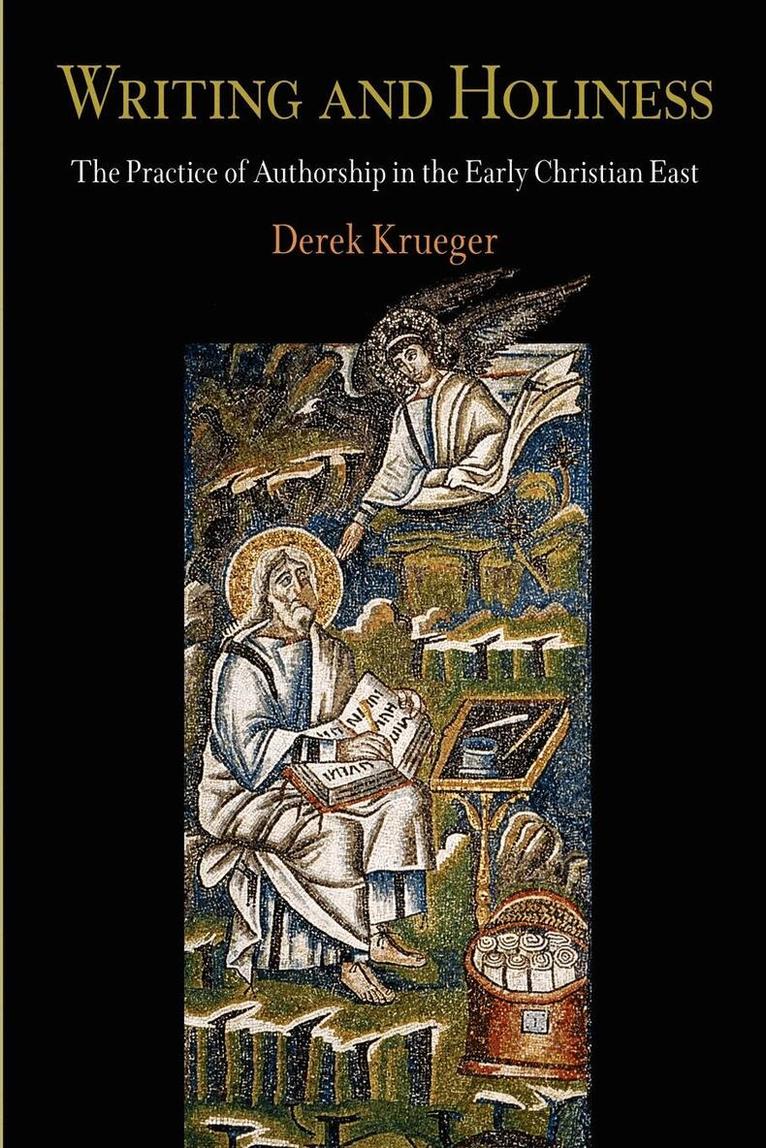
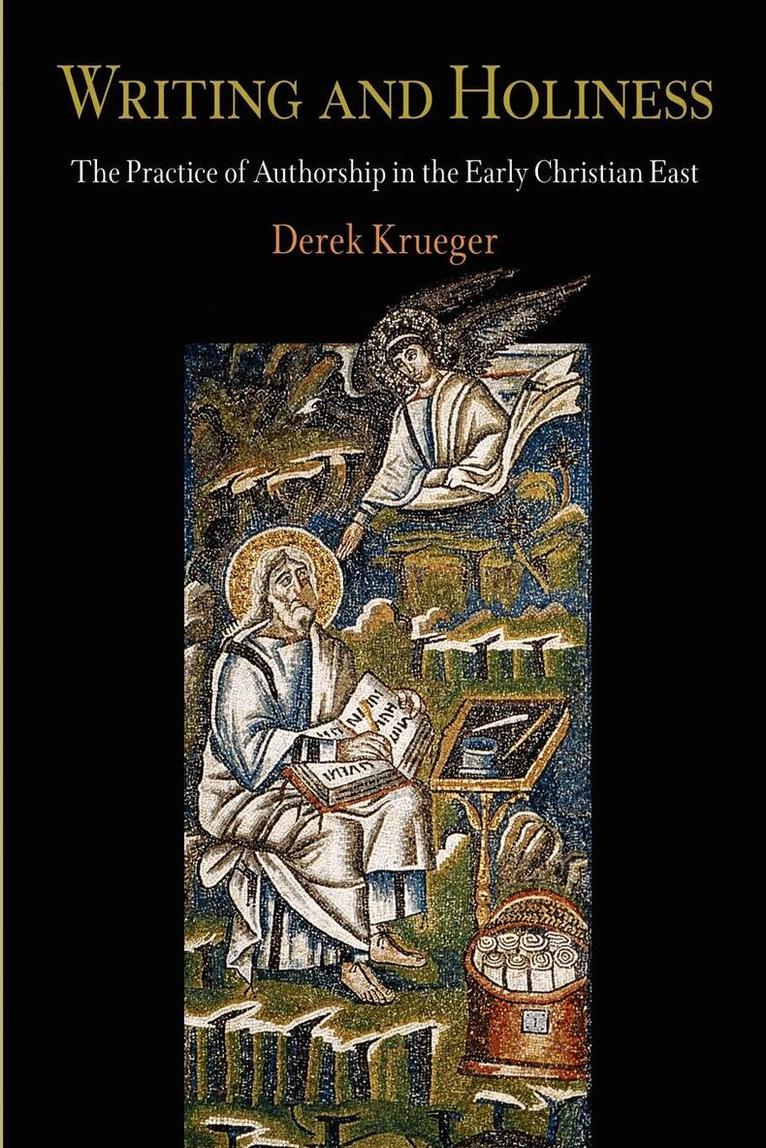
Drawing on comparative literature, ritual and performance studies, and the history of asceticism, Derek Krueger explores how early Christian writers came to view writing as salvific, as worship through the production of art. Exploring the emergence of new and distinctly Christian ideas about authorship in late antiquity, Writing and Holiness probes saints' lives and hymns produced in the Greek East to reveal how the ascetic call to imitate Christ's humility rendered artistic and literary creativity problematic. In claiming authority and power, hagiographers appeared to violate the saintly practices that they sought to promote. Christian writers meditated within their texts on these tensions and ultimately developed a new set of answers to the question "What is an author?"Each of the texts examined here used writing as a technique for the representation of holiness. Some are narrative representations of saints that facilitate veneration; others are collections of accounts of miracles, composed to publicize a shrine. Rather than viewing an author's piety as a barrier to historical inquiry, Krueger argues that consideration of writing as a form of piety opens windows onto new modes of practice. He interprets Christian authors as participants in the religious system they described, as devotees, monastics, and faithful emulators of the saints, and he shows how their literary practice integrated authorship into other Christian practices, such as asceticism, devotion, pilgrimage, liturgy, and sacrifice. In considering the distinctly literary contributions to the formation of Christian piety in late antiquity, Writing and Holiness uncovers Christian literary theories with implications for both Eastern and Western medieval literatures.
Liturgical Subjects
Christian Ritual, Biblical Narrative, and the Formation of the Self in Byzantium
Häftad, Engelska, 2018
365 kr
Skickas inom 7-10 vardagar
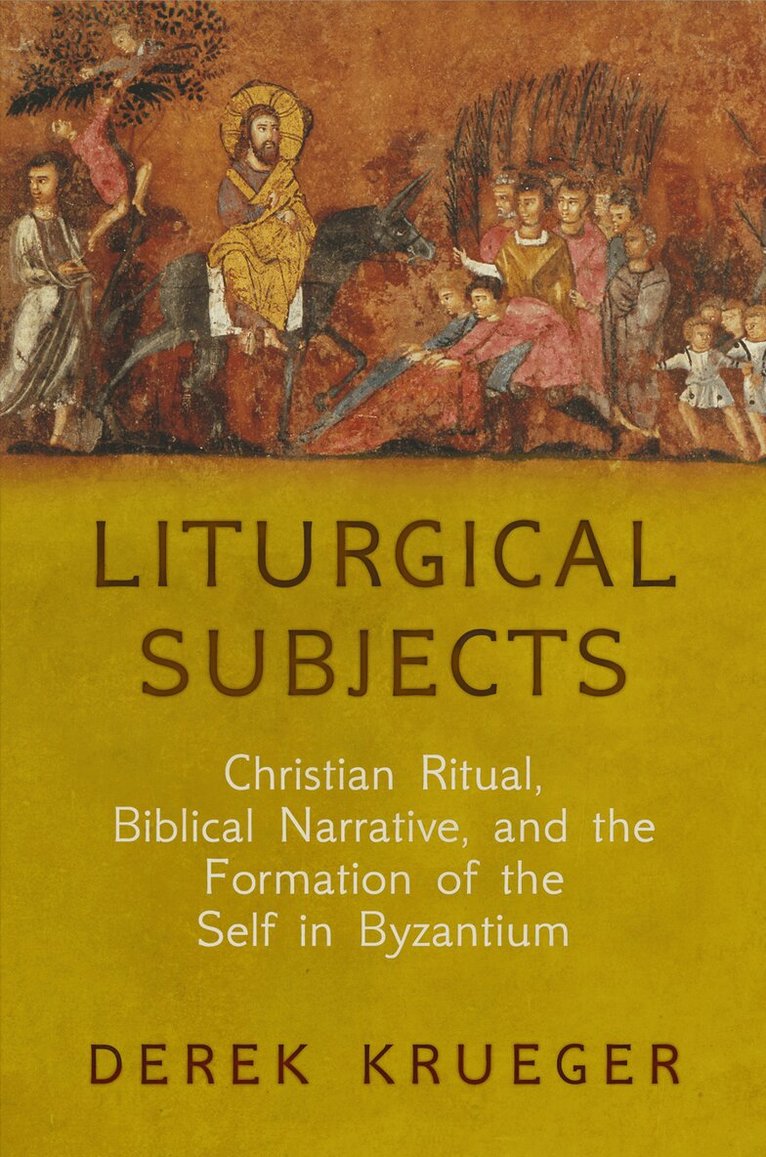
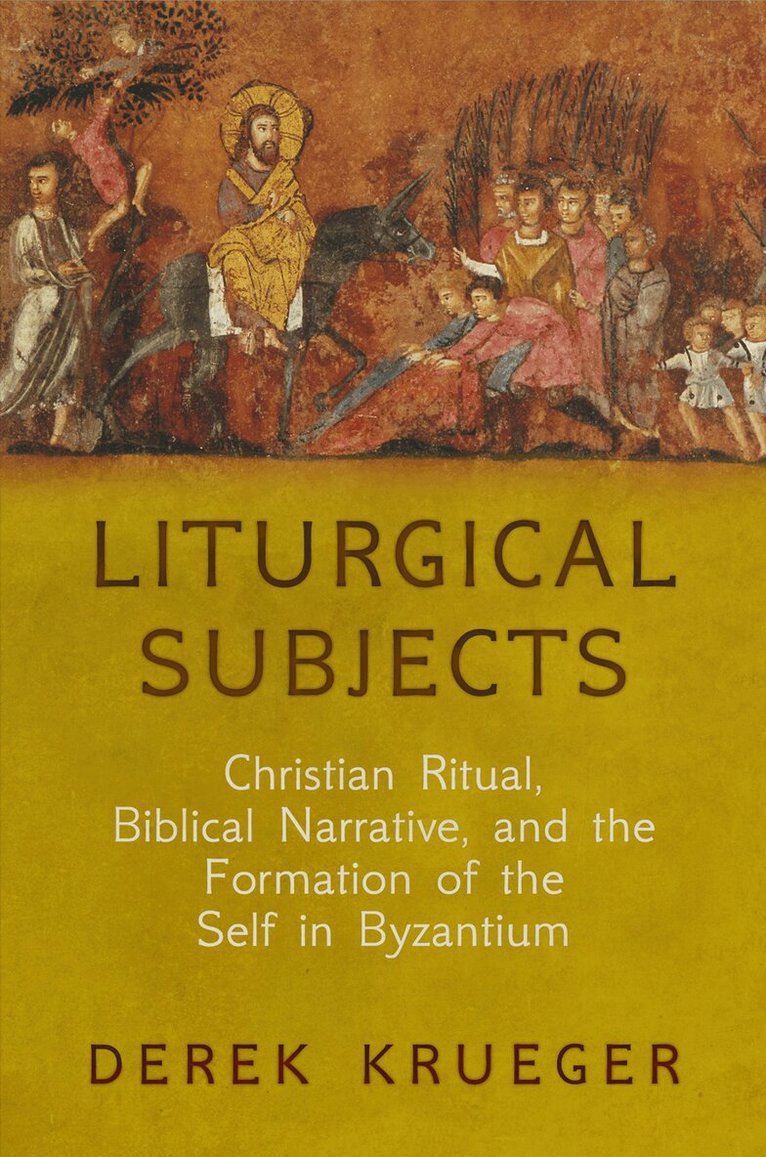
Liturgical Subjects examines the history of the self in the Byzantine Empire, challenging narratives of Christian subjectivity that focus only on classical antiquity and the Western Middle Ages. As Derek Krueger demonstrates, Orthodox Christian interior life was profoundly shaped by patterns of worship introduced and disseminated by Byzantine clergy. Hymns, prayers, and sermons transmitted complex emotional responses to biblical stories, particularly during Lent. Religious services and religious art taught congregants who they were in relation to God and each other.Focusing on Christian practice in Constantinople from the sixth to eleventh centuries, Krueger charts the impact of the liturgical calendar, the eucharistic rite, hymns for vigils and festivals, and scenes from the life of Christ on the making of Christian selves. Exploring the verse of great Byzantine liturgical poets, including Romanos the Melodist, Andrew of Crete, Theodore the Stoudite, and Symeon the New Theologian, he demonstrates how their compositions offered templates for Christian self-regard and self-criticism, defining the Christian "I." Cantors, choirs, and congregations sang in the first person singular expressing guilt and repentence, while prayers and sermons defined the collective identity of the Christian community as sinners in need of salvation. By examining the way models of selfhood were formed, performed, and transmitted in the Byzantine Empire, Liturgical Subjects adds a vital dimension to the history of the self in Western culture.
Del 8 - Dumbarton Oaks Byzantine Symposia and Colloquia
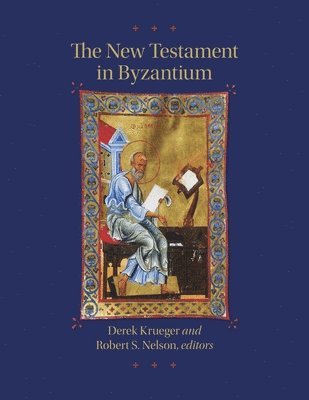
New Testament in Byzantium
Inbunden, Engelska, 2016
527 kr
Skickas inom 7-10 vardagar
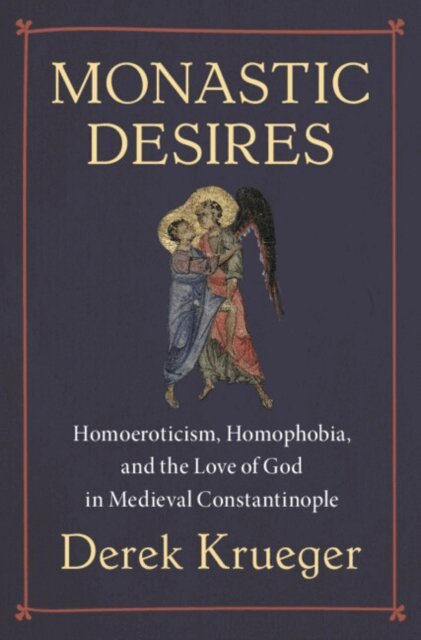
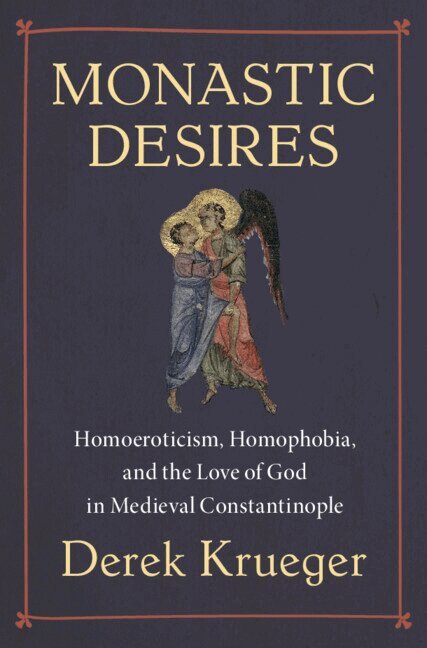
Monastic Desires
Homoeroticism, Homophobia, and the Love of God in Medieval Constantinople
Inbunden, Engelska, 2026
475 kr
Skickas inom 7-10 vardagar
The Byzantine Abbot Symeon the New Theologian (949-1022) transgressed the homophobic norms of medieval Orthodox society. His longing for God was distinctly homoerotic, and he depicted union with the divine as a queer sort of marriage. His Orthodox theology of theosis, the deification of the entire person, meant that Symeon taught the salvation of all the parts of the body. But monks also desired the eradication of lust and the punishment of those who fell prey to it. Sermons and biblical commentary defined men who had sex with men as sodomites; and saints' lives warned of the consequences of same-sex desires. Those who renounced sex redirected their desire rather than eliminating it. Symeon's queer erotics shed light on other devotions distinctive to medieval Orthodoxy, including the veneration of saints and worship with icons. Monastic Desires makes a groundbreaking contribution to the history of sexuality and the history of Christianity.
2 306 kr
Skickas inom 10-15 vardagar
Prayer and Worship in Eastern Christianities, 5th to 11th Centuries forges a new conversation about the diversity of Christianities in the medieval eastern Mediterranean, centered on the history of practice, looking at liturgy, performance, prayer, poetry, and the material culture of worship. It studies prayer and worship in the variety of Christian communities that thrived from late antiquity to the middle ages: Byzantine Orthodoxy, Syrian Orthodoxy, and the Church of the East. Rather than focusing on doctrinal differences and analyzing divergent patterns of thought, the essays address common patterns of worship, individual and collective prayer, hymnography and liturgy, as well as the indigenous theories that undergirded Christian practices. The volume intervenes in standard academic discourses about Christian difference with an exploration of common patterns of celebration, commemoration, and self-discipline.Essays by both established and promising, younger scholars interrogate elements of continuity and change over time – before and after the rise of Islam, both under the control of the Eastern Roman Empire and in the lands of successive caliphates. Groups distinct in their allegiances nevertheless shared a common religious heritage and recognized each other – even in their differences – as kinds of Christianity. A series of chapters explore the theory and practice of prayer from Greco-Roman late antiquity to the Syriac middle ages, highlighting the transmission of monastic discourses about prayer, especially among Syrian and Palestinian ascetic teachers. Another set of essays examines localization of prayer within churches through inscriptions, donations, dedications, and incubation. Other chapters treat the composition and transmission of hymns to adorn the liturgy and articulate the emotions of the Christian calendar, structuring liturgical and eschatological time.