Derek Senior - Böcker
Visar alla böcker från författaren Derek Senior. Handla med fri frakt och snabb leverans.
4 produkter
4 produkter
639 kr
Skickas inom 10-15 vardagar
The exuberant explosions of old college days have traditionally been forgiven as somewhat enviable expressions of the high spirits of exultant youth. Are young intellectuals, now the dominant group in many colleges, less adolescent and more mature, or do their immaturities merely manifest themselves in different ways? As intellectual individualists, students do not usually care for group explosions unless they are for social causes such as the rights of minorities. But their adolescence often manifests itself individually in a superior condescension or in depressive inferiority complexes.This book is a fascinating account of the changes that have taken place in the backgrounds, attitudes, and, temperaments of students at the so-called prestige colleges. Though Everett Lee Hunt draws heavily upon his observations and experiences during more than thirty years as a dean and professor of Swarthmore College, his book is much more than a case study of one outstanding college. Hunt presents many concrete examples of student moods, customs, actions, and expressions of values. With wisdom and warmth he discusses three successive eras in the college schooling of American adolescents: guarded education, conformity to accepted ways, and intellectual individualism.Teachers, deans, student counselors, personnel workers, and school psychologists and psychiatrists will find this classic book of continuing interest in guiding their dealings with adolescent students. The Revolt of the College Intellectual may also interest students themselves, their parents, alumni, and all who are in anyway concerned with education as a preparation for life in a rapidly changing and troubled world.
671 kr
Skickas inom 10-15 vardagar
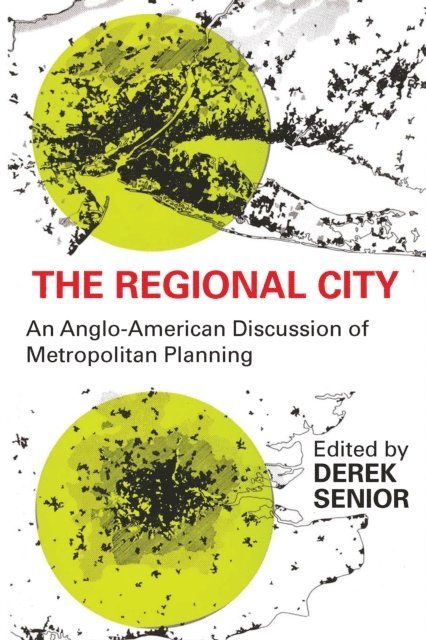
In this volume leaders in the fields of urban design and planning from both sides of the Atlantic examine the structure and functioning of the urban region, discuss the strategies and machinery required to make regional planning effective, compare experiences in urban renewal, and analyze the part played by transportation and land values in the shaping of regional development.For thousands of years we have lived in cities, towns, villages, or country houses, and most of us still think of our surroundings in these traditional terms. Today, however, most people in Western countries inhabit a new form of social environment--the urban region. For all who live within thirty or forty miles of a metropolitan center, modern means of transport, communication, and power transmission have opened up a vastly extended range of choice in employment, recreation, and every other form of social activity. But our obsolete pattern of settlement and our pre-motor-age administrative organization prevent us from making the most of the opportunities to enrich the quality of everyday life which advances in technology have put within our reach.In our efforts to plan for a fuller enjoyment of the benefits of regional living we can learn much from those who are tackling this worldwide problem in the context of different laws, public outlooks, and degrees of motorization. Therefore this Anglo-American discussion of metropolitan planning, offering much material that is new, unfamiliar, or not easily available, has special timeliness and significance.
2 088 kr
Skickas inom 10-15 vardagar
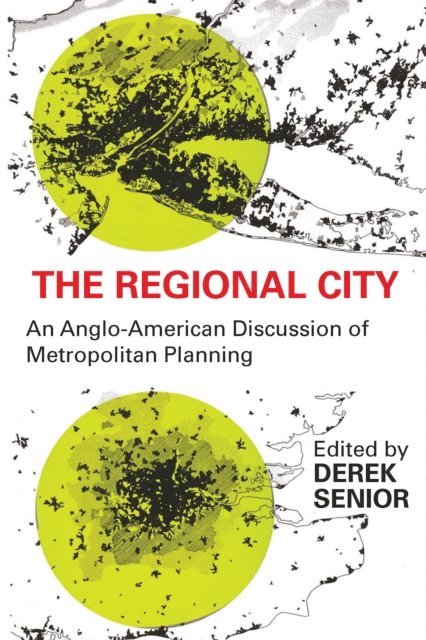
In this volume leaders in the fields of urban design and planning from both sides of the Atlantic examine the structure and functioning of the urban region, discuss the strategies and machinery required to make regional planning effective, compare experiences in urban renewal, and analyze the part played by transportation and land values in the shaping of regional development.For thousands of years we have lived in cities, towns, villages, or country houses, and most of us still think of our surroundings in these traditional terms. Today, however, most people in Western countries inhabit a new form of social environment--the urban region. For all who live within thirty or forty miles of a metropolitan center, modern means of transport, communication, and power transmission have opened up a vastly extended range of choice in employment, recreation, and every other form of social activity. But our obsolete pattern of settlement and our pre-motor-age administrative organization prevent us from making the most of the opportunities to enrich the quality of everyday life which advances in technology have put within our reach.In our efforts to plan for a fuller enjoyment of the benefits of regional living we can learn much from those who are tackling this worldwide problem in the context of different laws, public outlooks, and degrees of motorization. Therefore this Anglo-American discussion of metropolitan planning, offering much material that is new, unfamiliar, or not easily available, has special timeliness and significance.
2 029 kr
Skickas inom 10-15 vardagar
The exuberant explosions of old college days have traditionally been forgiven as somewhat enviable expressions of the high spirits of exultant youth. Are young intellectuals, now the dominant group in many colleges, less adolescent and more mature, or do their immaturities merely manifest themselves in different ways? As intellectual individualists, students do not usually care for group explosions unless they are for social causes such as the rights of minorities. But their adolescence often manifests itself individually in a superior condescension or in depressive inferiority complexes.This book is a fascinating account of the changes that have taken place in the backgrounds, attitudes, and, temperaments of students at the so-called prestige colleges. Though Everett Lee Hunt draws heavily upon his observations and experiences during more than thirty years as a dean and professor of Swarthmore College, his book is much more than a case study of one outstanding college. Hunt presents many concrete examples of student moods, customs, actions, and expressions of values. With wisdom and warmth he discusses three successive eras in the college schooling of American adolescents: guarded education, conformity to accepted ways, and intellectual individualism.Teachers, deans, student counselors, personnel workers, and school psychologists and psychiatrists will find this classic book of continuing interest in guiding their dealings with adolescent students. The Revolt of the College Intellectual may also interest students themselves, their parents, alumni, and all who are in anyway concerned with education as a preparation for life in a rapidly changing and troubled world.