Derek Tait – författare
Visar alla böcker från författaren Derek Tait. Handla med fri frakt och snabb leverans.
40 produkter
1970s Childhood
From Glam Rock to Happy Days
Av Derek Tait
Häftad, 2011
137 kr
Lägg i varukorg
Do you remember glam rock, flares, cheesecloth shirts and chopper bikes? Then it sounds like you were lucky enough to grow up during the 1970s. Who could forget all the glam rock bands of that era, like Slade, Wizard, Mud and Sweet, or singers like Alvin Stardust, Marc Bolan and David Bowie? What …
Plymouth Reflections
Häftad, 2023
187 kr
Lägg i varukorg
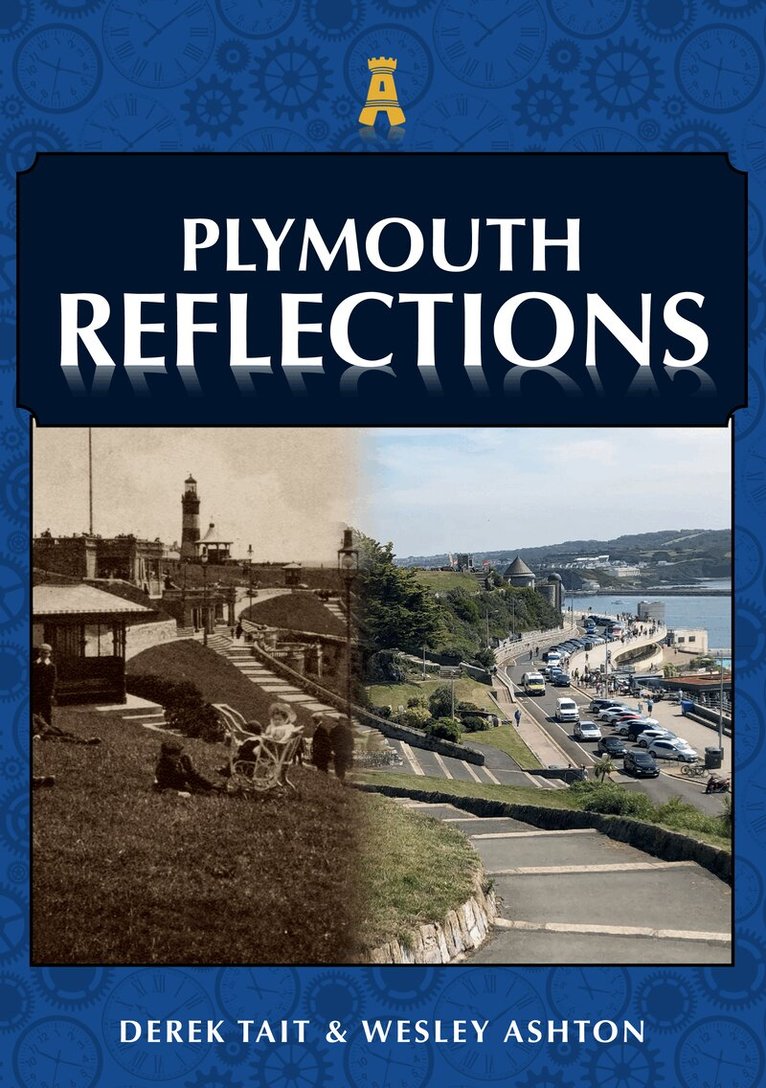
Plymouth has a long and varied history with strong connections to England’s most famous mariners including Sir Francis Drake, Sir Walter Raleigh and Sir John Hawkins. In 1588 Drake famously continued his game of bowls on Plymouth Hoe as the Spanish Armada approached, and in 1620 the Pilgrim Fathers …
Plymouth Reflections
E-bok, 2023
182 kr
Lägg i varukorg
Plymouth has a long and varied history with strong connections to England’s most famous mariners including Sir Francis Drake, Sir Walter Raleigh and Sir John Hawkins. In 1588 Drake famously continued his game of bowls on Plymouth Hoe as the Spanish Armada approached, and in 1620 the Pilgrim Fathers …
Plymouth in 50 Buildings
Av Derek Tait
Häftad, 2024
181 kr
Lägg i varukorg
Plymouth has been a major port for centuries. Famous Elizabethan maritime traders sailed from the port and its position on the Devon coast enabled it to benefit from the Atlantic trade during the Industrial Revolution at the same time that Devonport grew as an important naval shipyard and dockyard. …
Plymouth in 50 Buildings
Av Derek Tait
E-bok, 2024
176 kr
Lägg i varukorg
Plymouth has been a major port for centuries. Famous Elizabethan maritime traders sailed from the port and its position on the Devon coast enabled it to benefit from the Atlantic trade during the Industrial Revolution at the same time that Devonport grew as an important naval shipyard and dockyard. …
Now That's What I Call Plymouth
Av Derek Tait
Häftad, 2025
187 kr
Lägg i varukorg
The 1960s, 1970s and 1980s were decades of significant change. Many towns and cities were redeveloped with projects that dramatically affected the character of the place. People’s shopping habits were altered as supermarkets took over from traditional stores and corner shops. Leisure habits were …
Now That's What I Call Plymouth
Av Derek Tait
E-bok, 2025
178 kr
Lägg i varukorg
The 1960s, 1970s and 1980s were decades of significant change. Many towns and cities were redeveloped with projects that dramatically affected the character of the place. People’s shopping habits were altered as supermarkets took over from traditional stores and corner shops. Leisure habits were …
Lost Plymouth
Av Derek Tait
Häftad, 2030
181 kr
Kommande
Plymouth grew up round its sheltered harbour on the River Plym on the South Coast of England. The naval dockyard became an important employer in the city and although smaller still has a significant presence. Plymouth Gin has also defined the city for generations but today’s Plymouth has …
Plymouth Through Time
Av Derek Tait
Häftad, 2010
183 kr
Lägg i varukorg
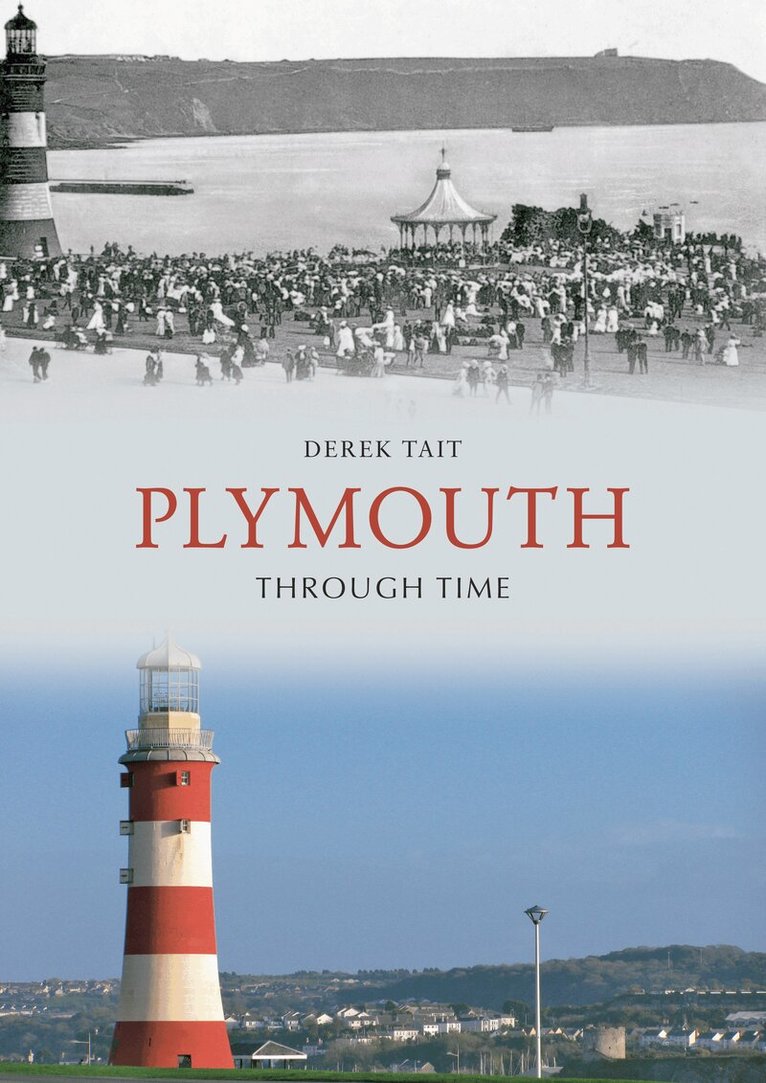
Very few buildings that stood in the centre of Plymouth before the War still remain. The city was devastated by enemy bombing especially during 1941. Many of the old, narrow, congested streets were destroyed completely, changing the face of Plymouth forever. After the War, a new modern City Centre …
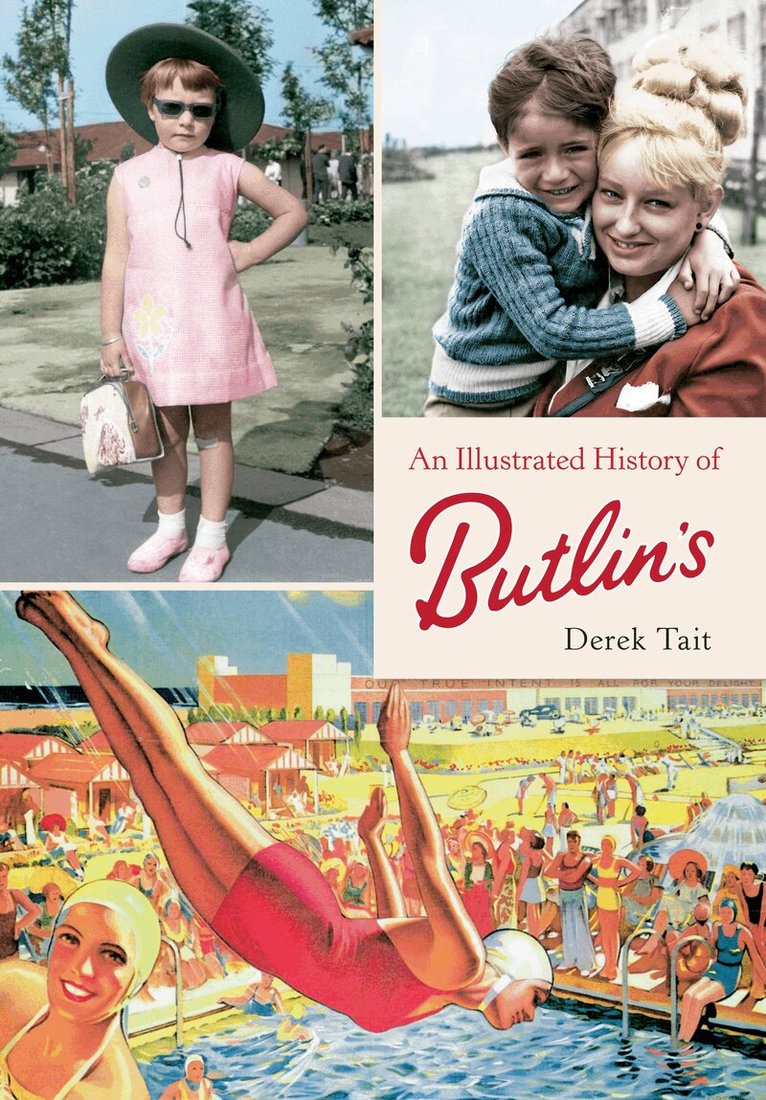
Illustrated History of Butlins
Av Derek Tait
Häftad, 2012
176 kr
Lägg i varukorg
For over seventy-five years, Butlin's have been entertaining families of all ages. Billy Butlin opened his first holiday camp in Skegness in 1936 and continued to expand with camps at Clacton, Ayr, Pwllheli, Bognor Regis, Mosney, Minehead and Barry Island. In post-war Britain, families could enjoy …
1950s Childhood: Spangles, Tiddlywinks and The Clitheroe Kid
Explore what it was like to be a child in the 1950s
Av Derek Tait
Häftad, 2013
117 kr
Lägg i varukorg
With few TVs, children in the 1950s made their own entertainment: they played conkers, built dens and go-karts, climbed trees and re-enacted fights from the latest cinema blockbuster. Food was, for many years, still rationed and bought from the local corner shop. There was no pre-packed food, …
Illustrated History of Butlins
Av Derek Tait
E-bok, 2012
161 kr
Lägg i varukorg
For over seventy-five years, Butlin''s have been entertaining families of all ages. Billy Butlin opened his first holiday camp in Skegness in 1936 and continued to expand with camps at Clacton, Ayr, Pwllheli, Bognor Regis, Mosney, Minehead and Barry Island. In post-war Britain, families could enjoy …
Plymouth at War From Old Photographs
Av Derek Tait
E-bok, 2012
164 kr
Lägg i varukorg
During the Second World War, Plymouth suffered some of the worst Blitz damage in the country. Bustling streets such as Bedford Street, George Street and Old Town Street were totally destroyed, while popular stores including Dingles, Pophams, Boots and Woolworths were reduced to rubble. Casualties …
Plymouth at War Through Time
Av Derek Tait
E-bok, 2011
164 kr
Lägg i varukorg
The face of Plymouth changed forever during the Second World War. Heavy bombing destroyed most of its buildings and left the city devastated. Many people found themselves homeless with their only belongings being possessions salvaged from their destroyed homes. Many children were evacuated away …
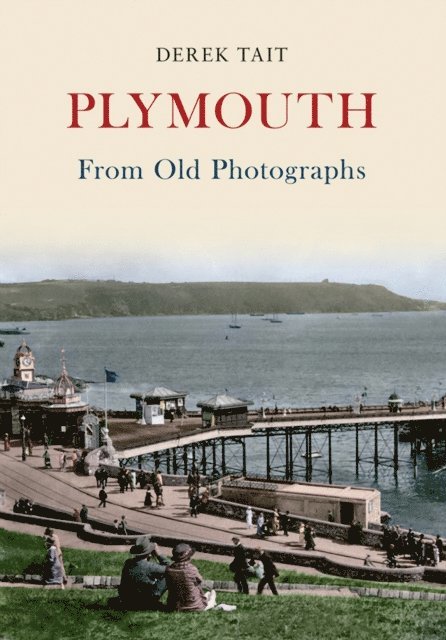
Plymouth From Old Photographs
Av Derek Tait
E-bok, 2011
144 kr
Lägg i varukorg
This fascinating collection of over 200 archive photographs and postcards - many not seen before - illustrates the history of Plymouth from the late 1800s to the early 1950s, including the early days of horse-drawn trams and early automobiles through to the blitz of 1941 and the reconstruction of …
Sampans, Banyans and Rambutans
A Childhood in Singapore and Malaya
Av Derek Tait
E-bok, 2011
140 kr
Lägg i varukorg
Growing up as a child in Singapore and Malaya in the 1960s was an idyllic experience. Thousands of children of naval personnel will have the same fond memories of the time spent there, as Derek has. Who could forget the constant hot weather or the strange smells that you only seemed to find in the …
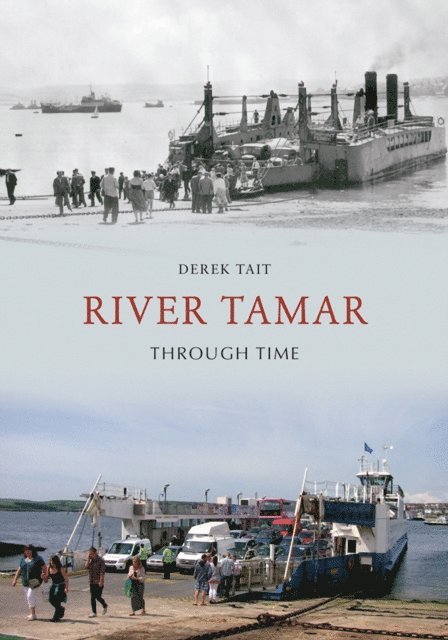
River Tamar Through Time
Av Derek Tait
E-bok, 2011
156 kr
Lägg i varukorg
Bordering Devon and Cornwall, the River Tamar stretches through some of the most beautiful and scenic parts of the south west. Over the years, much has changed in the region. Gone are the many barges that once took fruit, vegetables and other produce up and down the river. The river was once a hive …
Dartmoor Through the Year
Av Derek Tait
E-bok, 2013
166 kr
Lägg i varukorg
The beauty of Dartmoor constantly changes throughout the year. Every season brings something new; new growth and colour in the spring, flourishing wildlife, plants and insects in the summer including magnificent butterflies, bees and other weird and wonderful insects. Autumn brings a rich glow to …
Devonport Through Time
Av Derek Tait
E-bok, 2012
169 kr
Lägg i varukorg
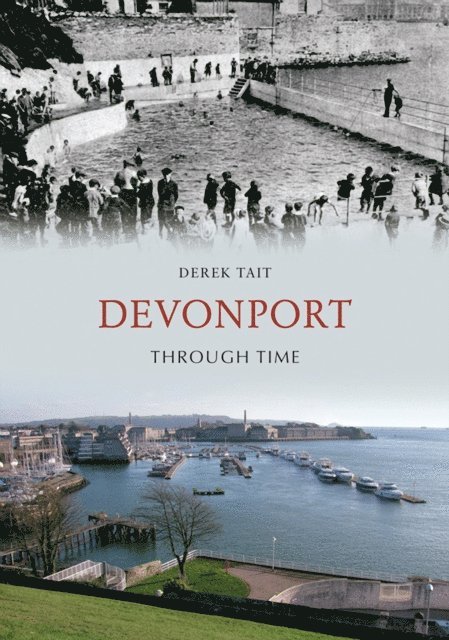
Devonport was built up around the dockyard in the late 1600s. Much was destroyed in the Second World War but iconic buildings such as the Guildhall and the Oddfellows Hall still survive. Many streets have disappeared and many of the grand buildings that once stood in Fore Street were completely …
Plymouth Through Time
Av Derek Tait
E-bok, 2010
169 kr
Lägg i varukorg
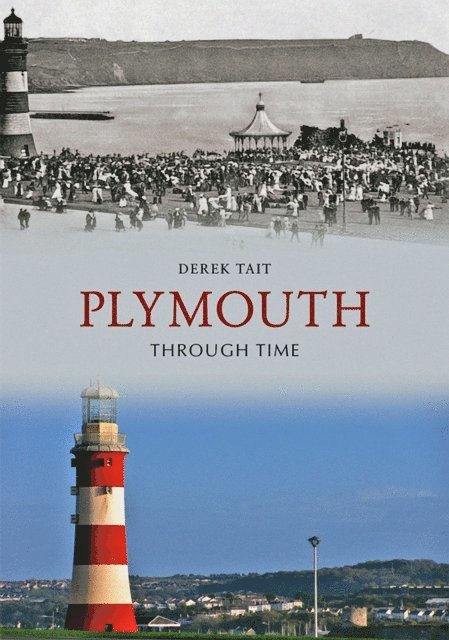
Very few buildings that stood in the centre of Plymouth before the War still remain. The city was devastated by enemy bombing especially during 1941. Many of the old, narrow, congested streets were destroyed completely, changing the face of Plymouth forever. After the War, a new modern City Centre …
Plymouth Transport Through Time
Av Derek Tait
E-bok, 2012
169 kr
Lägg i varukorg
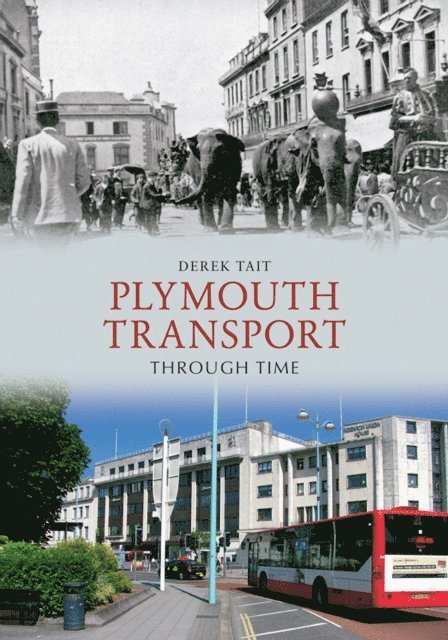
With today''s constant stream of busy traffic, it''s hard to imagine a time when Plymouth had no cars, lorries or buses. With the dawn of photography, the only vehicles in the area would have been horse-drawn wagons or hand-carts and the occasional bicycle. Horse-drawn trams were introduced in the …
River Tamar Through the Year
Av Derek Tait
E-bok, 2012
155 kr
Lägg i varukorg
Flowing between Devon and Cornwall, the beauty of the River Tamar is ever changing. Every turn brings something new; deer, otters, seals, stoats and, in the past, even the occasional dolphin. Rich with trees, flowers and insects, there is something wonderful to be found with every season. Spring …
Saltash Through Time
Av Derek Tait
E-bok, 2010
169 kr
Lägg i varukorg
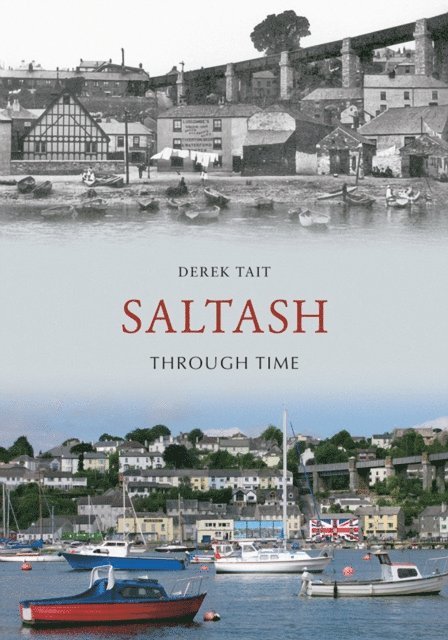
Saltash has seen many changes over the years. The waterside area beside the River Tamar has been occupied for over a thousand years and was the home to fishermen plying their trade for much of that time. A ferry ran between Plymouth and Saltash for over 600 years before coming to an end when the …
Rame Peninsula Through Time
Av Derek Tait
E-bok, 2010
166 kr
Lägg i varukorg
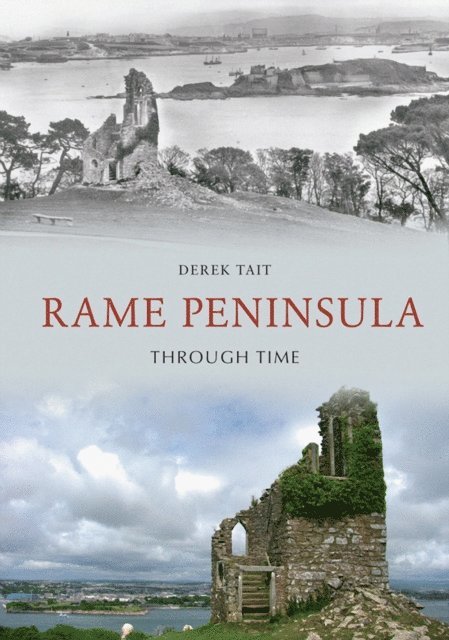
The Rame Peninsula is a beautiful part of Cornwall. Known as ''The Forgotten Corner'' it stretches from Torpoint to Cremyll and includes the villages of Kingsand, Cawsand, Millbrook, St John, Sheviock, Antony and Crafthole together with the sandy beaches of Whitsand Bay. Also included is the Mount …
1950s Childhood: Spangles, Tiddlywinks and The Clitheroe Kid
Explore what it was like to be a child in the 1950s
Av Derek Tait
E-bok, 2013
108 kr
Lägg i varukorg
With few TVs, children in the 1950s made their own entertainment: they played conkers, built dens and go-karts, climbed trees and re-enacted fights from the latest cinema blockbuster. Food was, for many years, still rationed and bought from the local corner shop. There was no pre-packed food, …
Plymouth History Tour
Av Derek Tait
E-bok, 2014
76 kr
Lägg i varukorg
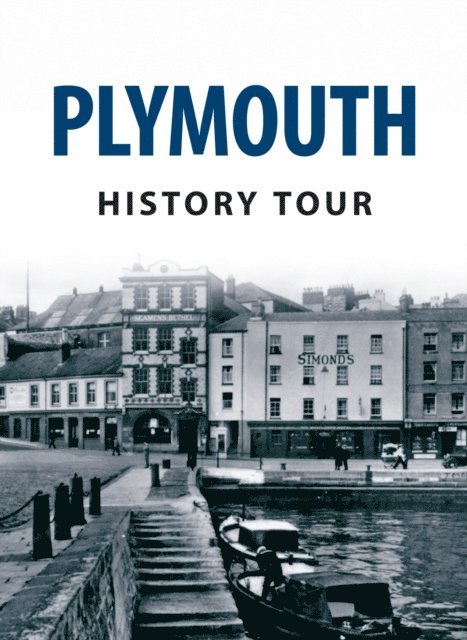
From the Barbican and the Hoe to the city centre and beyond, Derek Tait takes us on a tour of Plymouth, explaining the history behind the well-known landmarks of this fine city. Devastated by bombing, very few buildings that stood in the centre of Plymouth before the Second World War still remain. …
1980s Childhood
Av Derek Tait
Häftad, 2019
120 kr
Lägg i varukorg
This book describes just what it was like to be a child during the 1980s. It was a time before people had smartphones, and the last decade before work, society and social life changed forever with the introduction of the internet in the 1990s. There were very few 3D games, no streaming services or …
1980s Childhood
Av Derek Tait
E-bok, 2019
108 kr
Lägg i varukorg
This book describes just what it was like to be a child during the 1980s. It was a time before people had smartphones, and the last decade before work, society and social life changed forever with the introduction of the internet in the 1990s. There were very few 3D games, no streaming services or …
A-Z of Plymouth
Places-People-History
Av Derek Tait
Häftad, 2020
187 kr
Lägg i varukorg
Plymouth is steeped in history, from the prehistoric remains discovered at Cattedown, the Bronze Age trading settlement at Mount Batten and the Roman burial grounds at Stonehouse to the Pilgrim Fathers’ departure from the Mayflower Steps, the hard-fought battles of the Civil War and the Blitz …
A-Z of Plymouth
Places-People-History
Av Derek Tait
E-bok, 2020
169 kr
Lägg i varukorg
Plymouth is steeped in history, from the prehistoric remains discovered at Cattedown, the Bronze Age trading settlement at Mount Batten and the Roman burial grounds at Stonehouse to the Pilgrim Fathers’ departure from the Mayflower Steps, the hard-fought battles of the Civil War and the Blitz …