Derek Turner - Böcker
Visar alla böcker från författaren Derek Turner. Handla med fri frakt och snabb leverans.
8 produkter
8 produkter
837 kr
Skickas inom 7-10 vardagar
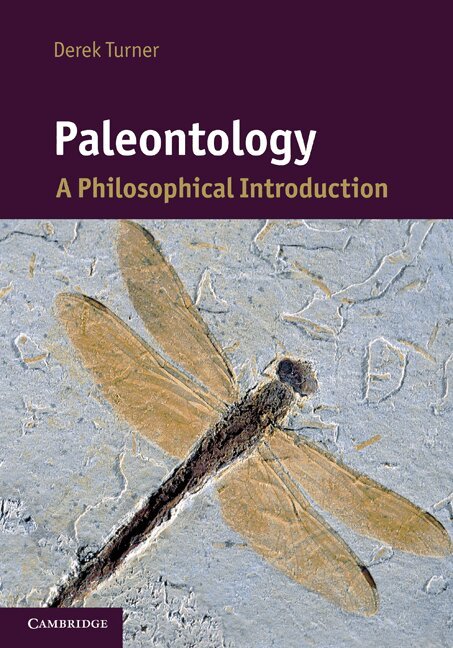
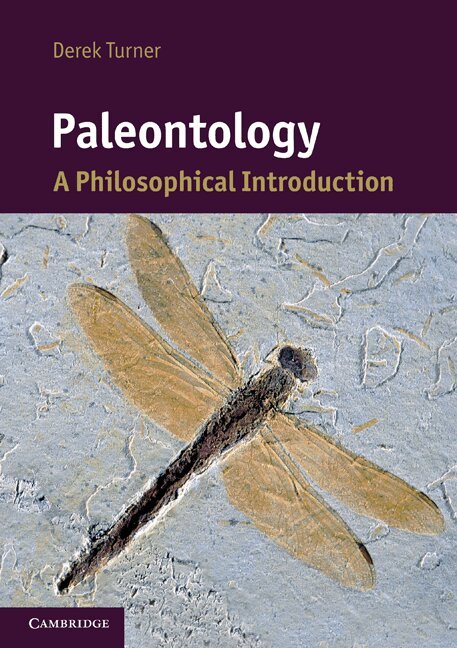
In the wake of the paleobiological revolution of the 1970s and 1980s, paleontologists continue to investigate far-reaching questions about how evolution works. Many of those questions have a philosophical dimension. How is macroevolution related to evolutionary changes within populations? Is evolutionary history contingent? How much can we know about the causes of evolutionary trends? How do paleontologists read the patterns in the fossil record to learn about the underlying evolutionary processes? Derek Turner explores these and other questions, introducing the reader to exciting recent work in the philosophy of paleontology and to theoretical issues including punctuated equilibria and species selection. He also critically examines some of the major accomplishments and arguments of paleontologists of the last 40 years.
309 kr
Skickas inom 7-10 vardagar
In the wake of the paleobiological revolution of the 1970s and 1980s, paleontologists continue to investigate far-reaching questions about how evolution works. Many of those questions have a philosophical dimension. How is macroevolution related to evolutionary changes within populations? Is evolutionary history contingent? How much can we know about the causes of evolutionary trends? How do paleontologists read the patterns in the fossil record to learn about the underlying evolutionary processes? Derek Turner explores these and other questions, introducing the reader to exciting recent work in the philosophy of paleontology and to theoretical issues including punctuated equilibria and species selection. He also critically examines some of the major accomplishments and arguments of paleontologists of the last 40 years.
1 245 kr
Skickas inom 7-10 vardagar
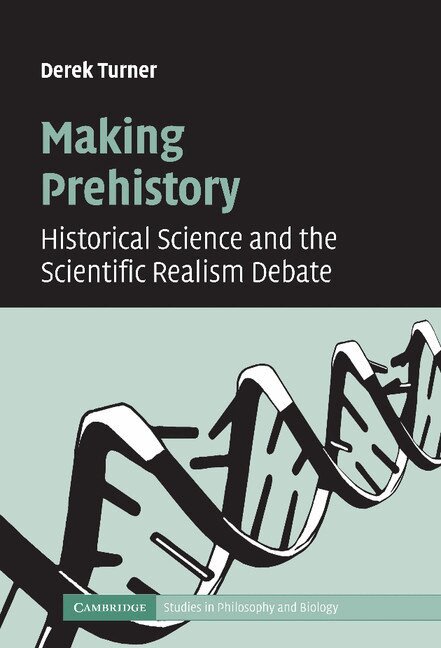
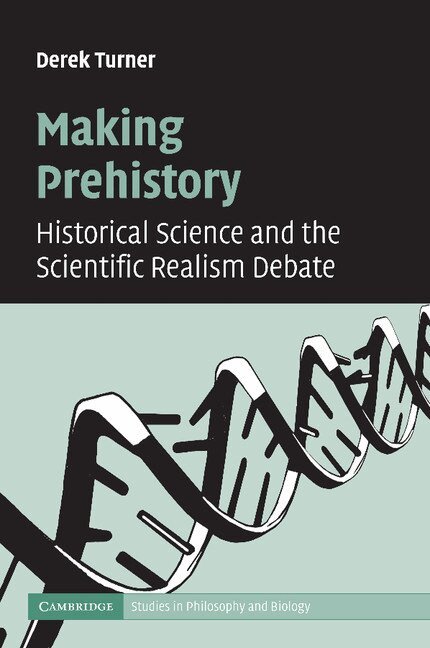
Scientists often make surprising claims about things that no one can observe. In physics, chemistry, and molecular biology, scientists can at least experiment on those unobservable entities, but what about researchers in fields such as paleobiology and geology who study prehistory, where no such experimentation is possible? Do scientists discover facts about the distant past or do they, in some sense, make prehistory? In this book Derek Turner argues that this problem has surprising and important consequences for the scientific realism debate. His discussion covers some of the main positions in philosophy of science - realism, social constructivism, empiricism, and the natural ontological attitude - and shows how they relate to issues in paleobiology and geology. His original and thought-provoking book will be of wide interest to philosophers and scientists alike.
106 kr
Skickas inom 5-8 vardagar
547 kr
Skickas inom 7-10 vardagar
Scientists often make surprising claims about things that no one can observe. In physics, chemistry, and molecular biology, scientists can at least experiment on those unobservable entities, but what about researchers in fields such as paleobiology and geology who study prehistory, where no such experimentation is possible? Do scientists discover facts about the distant past or do they, in some sense, make prehistory? In this book Derek Turner argues that this problem has surprising and important consequences for the scientific realism debate. His discussion covers some of the main positions in philosophy of science - realism, social constructivism, empiricism, and the natural ontological attitude - and shows how they relate to issues in paleobiology and geology. His original and thought-provoking book will be of wide interest to philosophers and scientists alike.
262 kr
Skickas inom 5-8 vardagar
267 kr
Skickas inom 7-10 vardagar
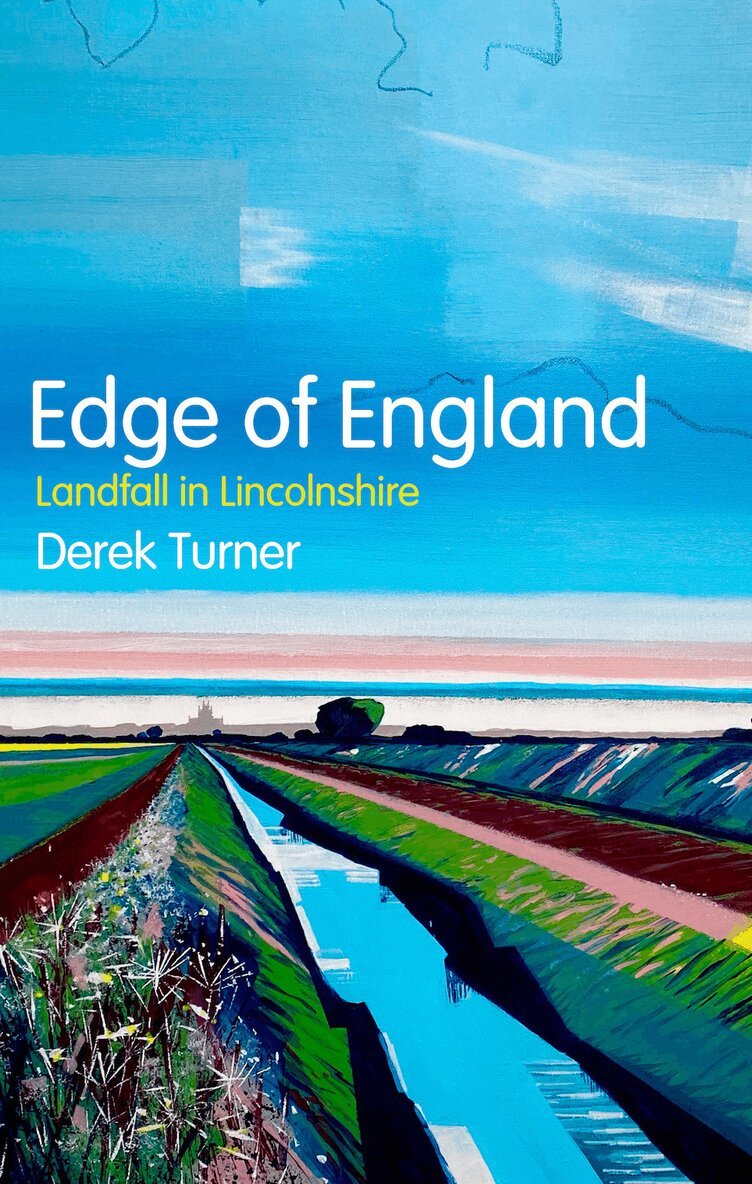
Lincolnshire is England's second-largest county—and one of the least well-known. Yet its understated chronicles, unfashionable towns and undervalued countryside conceal fascinating stories, and unique landscapes: its Wolds are lonely and beautiful, its towns characterful; its marshlands and dynamic coast are metaphors of constant change. From plesiosaurs to Puritans, medieval ghosts to eighteenth-century explorers, poets to politicians, and Vikings to Brexit, this marginal county is central to England's identity. Canute, Henry IV, John of Gaunt and Katherine Swynford all called Lincolnshire home. So did saints, world-famed churchmen and reformers—Etheldreda, Gilbert, Guthlac and Hugh, Robert Grosseteste, John Wycliffe, John Cotton, John Foxe and John Wesley—as well as Isaac Newton, Joseph Banks, John Harrison and George Boole. Lincolnshire explorers went everywhere: John Smith to Jamestown, George Bass and Matthew Flinders to Australia, and John Franklin to a bitter death in the Arctic. Artists and writers have been inspired—including Byrd, Taverner, Stukeley, Stubbs, Eliot and Tennyson—while Thatcher wrought neo-liberalism. Extraordinary architecture testifies to centuries of both settlement and unrest, from Saxon towers to sky-piercing spires; evocative ruined abbeys to the wonder of the Cathedral. And in between is always the little-known land itself—an epitome of England, awaiting discovery.
176 kr
Skickas inom 7-10 vardagar
Lincolnshire is England's second-largest county—and one of the least well-known. Yet its understated chronicles, unfashionable towns and undervalued countryside conceal fascinating stories, and unique landscapes: its Wolds are lonely and beautiful, its towns characterful; its marshlands and dynamic coast are metaphors of constant change. From plesiosaurs to Puritans, medieval ghosts to eighteenth-century explorers, poets to politicians, and Vikings to Brexit, this marginal county is central to England's identity. Canute, Henry IV, John of Gaunt and Katherine Swynford all called Lincolnshire home. So did saints, world-famed churchmen and reformers—Etheldreda, Gilbert, Guthlac and Hugh, Robert Grosseteste, John Wycliffe, John Cotton, John Foxe and John Wesley—as well as Isaac Newton, Joseph Banks, John Harrison and George Boole. Lincolnshire explorers went everywhere: John Smith to Jamestown, George Bass and Matthew Flinders to Australia, and John Franklin to a bitter death in the Arctic. Artists and writers have been inspired—including Byrd, Taverner, Stukeley, Stubbs, Eliot and Tennyson—while Thatcher wrought neo-liberalism. Extraordinary architecture testifies to centuries of both settlement and unrest, from Saxon towers to sky-piercing spires; evocative ruined abbeys to the wonder of the Cathedral. And in between is always the little-known land itself—an epitome of England, awaiting discovery.