Desmond Morton – författare
Visar alla böcker från författaren Desmond Morton. Handla med fri frakt och snabb leverans.
14 produkter
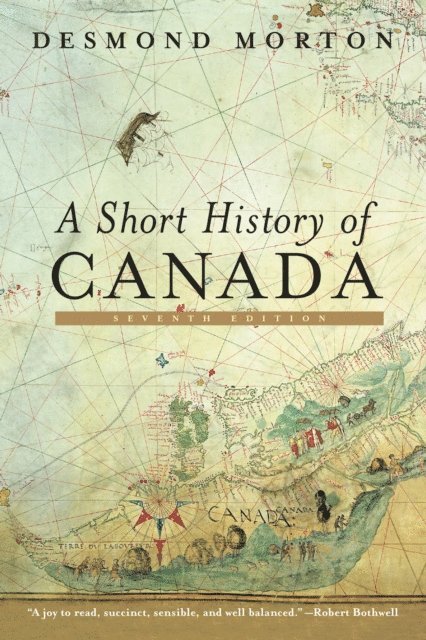
Short History of Canada
E-bok, 2017
310 kr
Lägg i varukorg
Most of us know bits and pieces of our history but would like to be more sure of how it all fits together. The trick is to find a history that is so absorbing you will want to read it from beginning to end. With this book, Desmond Morton, one of Canada’s most noted and highly respected historians, …
Working People
An Illustrated History of the Canadian Labour Movement, Fifth Edition
Häftad, 2007
401 kr
Lägg i varukorg
From the dock workers of Saint John in 1812 to teenage "crews" at McDonald's today, Canada's trade union movement has a long, exciting history. Working People tells the story of the men and women in the labour movement in Canada and their struggle for security, dignity, and influence in our …
Free Trade
Risks and Rewards
Av Desmond Morton, Ian MacDonald
E-bok, 2000
1041 kr
Lägg i varukorg
Free Trade provides a historical framework for ongoing discussion of economic and environmental issues. While there is empirical evidence on trade flows - they increased dramatically in both directions - the debate on related issues continues. The impact of free trade on jobs and manufacturing …
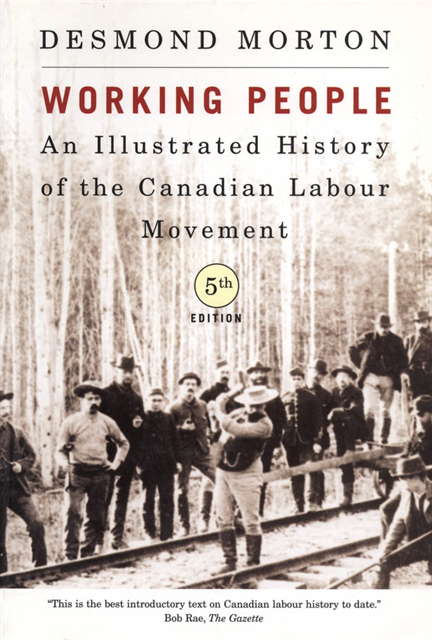
Working People, Fifth Edition
An Illustrated History of the Canadian Labour Movement
E-bok, 1999
1146 kr
Lägg i varukorg
From the dock workers of Saint John in 1812 to teenage "crews" at McDonald''s today, Canada''s trade union movement has a long, exciting history. Working People tells the story of the men and women in the labour movement in Canada and their struggle for security, dignity, and influence in our …
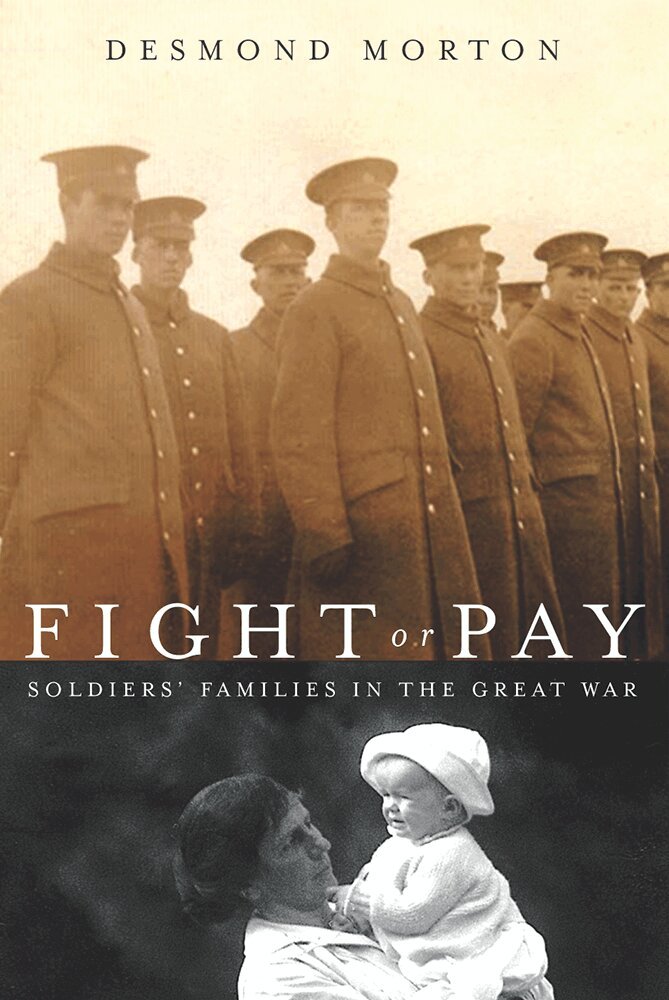
Fight or Pay
Soldiers' Families in the Great War
Inbunden, 2004
511 kr
Lägg i varukorg
Our slogan has always been 'Fight or Pay.' We call upon the people to enlist or help others enlist. We sometimes say: 'If you cannot put the "I" into fight, put the "pay" into patriotism,' and that serves as a slogan on any platform.– Sir Herbert Ames, founder of the Canadian Patriotic FundUnlike …
Winning the Second Battle
Canadian Veterans and the Return to Civilian Life 1915-1930
Av Desmond Morton, Glenn Wright
Häftad, 1987
455 kr
Lägg i varukorg
More than half a million Canadians served in the First World War. Their return to civilian life presented an enormous challenge to government and social institutions. The degree to which that challenge was met and the far-reaching implications of the veterans’ politicization form the core of this …
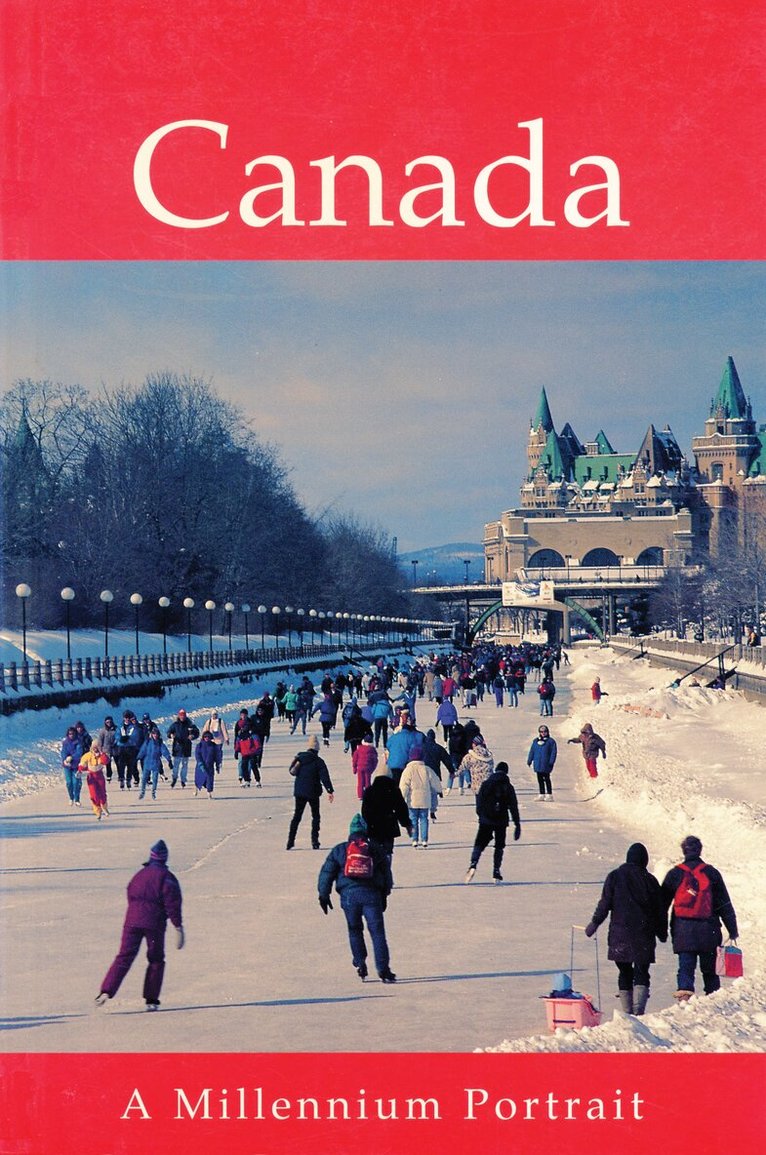
Canada
A Millennium Portrait
E-bok, 1999
82 kr
Lägg i varukorg
Morton, one of Canadas most respected historians has given us a short celebration of Canada with a depth of insight that truly helps us to know one another and all the regions of the country.
Winning the Second Battle
Canadian Veterans and the Return to Civilian Life 1915–1930
Av Desmond Morton, Glenn Wright
E-bok, 1987
588 kr
Lägg i varukorg
More than half a million Canadians served in the First World War. Their return to civilian life presented an enormous challenge to government and social institutions. The degree to which that challenge was met and the far-reaching implications of the veterans’ politicization form the core of this …
Peculiar Kind of Politics
Canada's Overseas Ministry in the First World War
E-bok, 1982
476 kr
Lägg i varukorg
The First Contingent left Canada in September 1914, destined to become an integral part of the British Army. When the Canadian Corps returned in 1919, it was part of a Canadian Army, commanded by Canadians and controlled by Ottawa. That transformation reflected the real emergence of Canada from …
Peculiar Kind of Politics
Canada's Overseas Ministry in the First World War
Häftad, 1982
383 kr
Lägg i varukorg
The First Contingent left Canada in September 1914, destined to become an integral part of the British Army. When the Canadian Corps returned in 1919, it was part of a Canadian Army, commanded by Canadians and controlled by Ottawa. That transformation reflected the real emergence of Canada from …
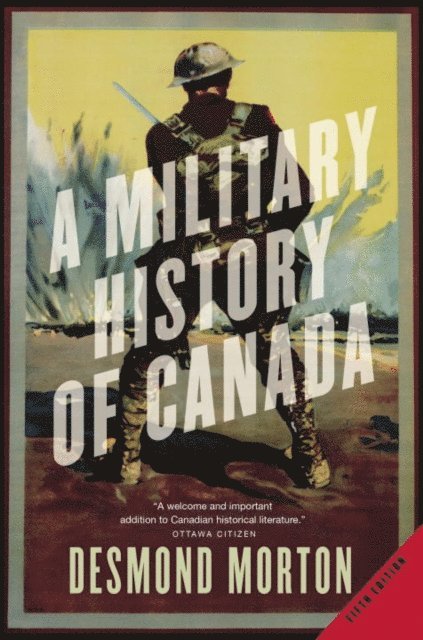
Military History of Canada
E-bok, 2009
310 kr
Lägg i varukorg
Updated to 2007, including Canada’s war on terrorism. Is Canada really “a peaceable kingdom” with “an unmilitary people”? Nonsense, says Desmond Morton. This is a country that has been shaped, divided, and transformed by war — there is no greater influence in Canadian history, recent or remote. …
Short History of Canada
Sixth Edition
E-bok, 2008
314 kr
Lägg i varukorg
Most of us know bits and pieces of our history but would like to be more sure of how it all fits together. The trick is to find a history that is so absorbing you will want to read it from beginning to end. With this book, Desmond Morton, one of Canada’s most noted and highly respected historians, …
Free Trade
Risks and Rewards
Av Ian MacDonald, Desmond Morton
Häftad, 2000
380 kr
Tillfälligt slut
Free Trade provides a historical framework for ongoing discussion of economic and environmental issues. While there is empirical evidence on trade flows - they increased dramatically in both directions - the debate on related issues continues. The impact of free trade on jobs and manufacturing …