Devi Sridhar – författare
Visar alla böcker från författaren Devi Sridhar. Handla med fri frakt och snabb leverans.
13 produkter
How Not to Die (Too Soon)
The Lies We’ve Been Sold and the Policies That Can Save Us
Av Devi Sridhar
Inbunden, 2025
247 kr
Lägg i varukorg
‘This is the standout book on how to live longer’ Chris van Tulleken, author of Ultra-Processed People'In a world rapidly taking leave of its senses, Devi Sridhar is a crucial voice of reason, mustering empirical evidence and powerful argument to make an essential case. Drop everything and read …
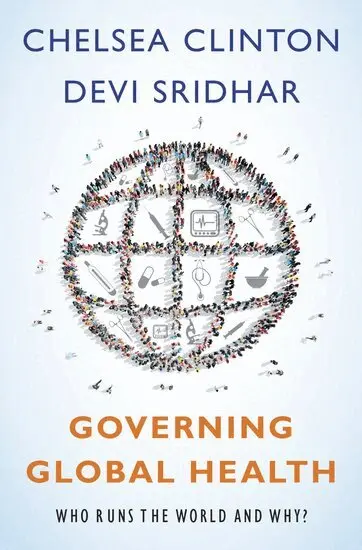
Governing Global Health
Who Runs the World and Why?
Av Chelsea Clinton, Devi Sridhar
Inbunden, 2017
357 kr
Lägg i varukorg
The past few decades have seen a massive increase in the number of international organizations focusing on global health. Campaigns to eradicate or stem the spread of AIDS, SARS, malaria, and Ebola attest to the increasing importance of globally-oriented health organizations. These organizations …
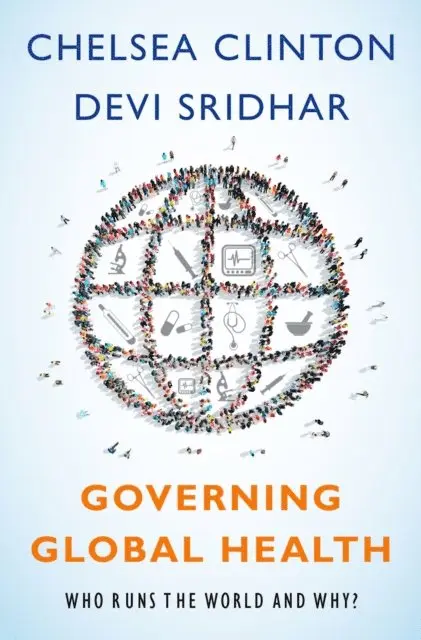
Governing Global Health
Who Runs the World and Why?
Av Devi Sridhar, Chelsea Clinton
E-bok, 2017
135 kr
Lägg i varukorg
The past few decades have seen a massive increase in the number of international organizations focusing on global health. Campaigns to eradicate or stem the spread of AIDS, SARS, malaria, and Ebola attest to the increasing importance of globally-oriented health organizations. These organizations …
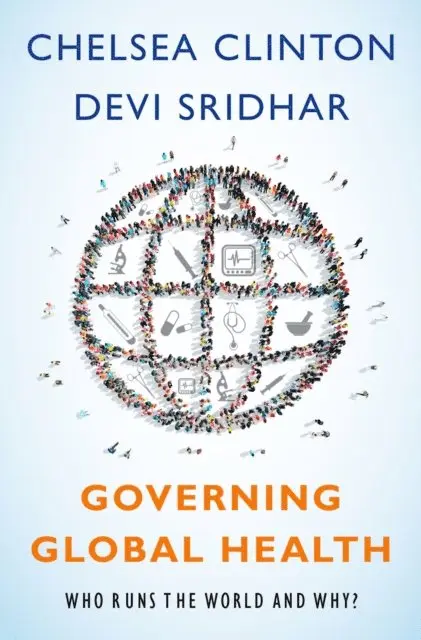
Governing Global Health
Who Runs the World and Why?
Av Devi Sridhar, Chelsea Clinton
E-bok, 2017
135 kr
Lägg i varukorg
The past few decades have seen a massive increase in the number of international organizations focusing on global health. Campaigns to eradicate or stem the spread of AIDS, SARS, malaria, and Ebola attest to the increasing importance of globally-oriented health organizations. These organizations …
Governing Global Health
Who Runs the World and Why?
Av Chelsea Clinton, Devi Sridhar
Häftad, 2019
196 kr
Lägg i varukorg
The past few decades have seen a massive increase in the number of international organizations focusing on global health. Campaigns to eradicate or stem the spread of AIDS, SARS, malaria, and Ebola attest to the increasing importance of globally-oriented health organizations. These organizations …
Battle Against Hunger
Choice, Circumstance, and the World Bank
Av Devi Sridhar
E-bok, 2008
1570 kr
Lägg i varukorg
We live in an increasingly prosperous world, yet the estimated number of undernourished people has risen, and will continue to rise with the doubling of food prices. A large majority of those affected are living in India. Why have strategies to combat hunger, especially in India, failed so badly? …
The Battle Against Hunger
Choice, Circumstance, and the World Bank
Av Devi Sridhar
Inbunden, 2008
2056 kr
Lägg i varukorg
We live in an increasingly prosperous world, yet the estimated number of undernourished people has risen, and will continue to rise with the doubling of food prices. A large majority of those affected are living in India. Why have strategies to combat hunger, especially in India, failed so badly? …
Preventable
How a Pandemic Changed the World & How to Stop the Next One
Av Devi Sridhar
Häftad, 2023
160 kr
Lägg i varukorg
**THE SUNDAY TIMES BESTSELLER | BBC RADIO 4 BOOK OF THE WEEK**The definitive story of COVID-19 and how global politics shape our health - from a world-leading expert and the pandemic's go-to science communicator Professor Devi Sridhar has risen to prominence for her vital roles in communicating …
Preventable
How a Pandemic Changed the World & How to Stop the Next One
Av Devi Sridhar
E-bok, 2022
122 kr
Lägg i varukorg
**THE SUNDAY TIMES BESTSELLER | BBC RADIO 4 BOOK OF THE WEEK**The definitive story of COVID-19 and how global politics shape our health - from a world-leading expert and the pandemic's go-to science communicator Professor Devi Sridhar has risen to prominence for her vital roles in communicating …
Preventable
How a Pandemic Changed the World & How to Stop the Next One
Av Devi Sridhar
Ljudbok, 2022
153 kr
Lägg i varukorg
Brought to you by Penguin. Preventable uses the spellbinding story of the COVID-19 pandemic to show how global politics shape our health. Professor Devi Sridhar has risen to prominence for her vital roles in communicating science to the public and speaking truth to power. In Preventable she …
How Not to Die (Too Soon)
The Lies We’ve Been Sold and the Policies That Can Save Us
Av Devi Sridhar
E-bok, 2025
113 kr
Lägg i varukorg
Have you ever questioned why, despite the avalanche of self-help books and optimization hacks, we remain embroiled in multiple global health crises? Populations worldwide are gaining life-shortening excess weight (even in poorer countries), and water contamination is rampant (even in richer …
How Not to Die (Too Soon)
The Lies We’ve Been Sold and the Policies That Can Save Us
Av Devi Sridhar
Häftad, 2026
148 kr
Lägg i varukorg
Have you ever questioned why, despite the avalanche of self-help books and optimization hacks, we remain embroiled in multiple global health crises? Populations worldwide are gaining life-shortening excess weight (even in poorer countries), and water contamination is rampant (even in richer …
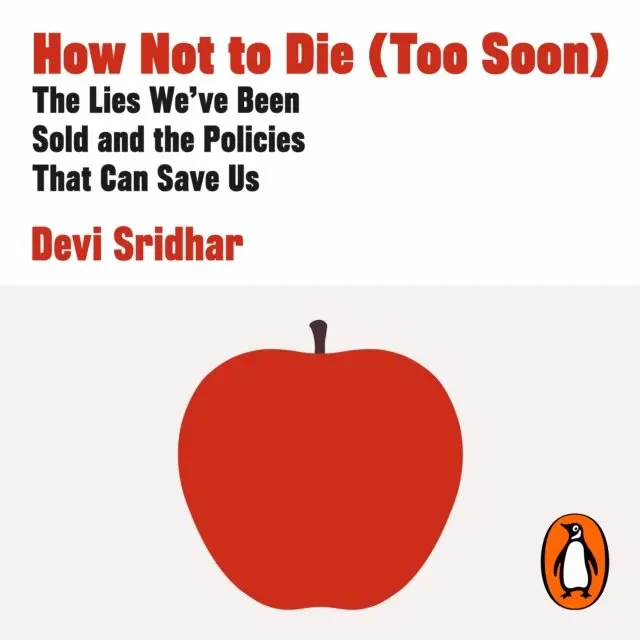
How Not to Die (Too Soon)
The Lies We’ve Been Sold and the Policies That Can Save Us
Av Devi Sridhar
Ljudbok, 2025
179 kr
Lägg i varukorg
Brought to you by Penguin. Have you ever questioned why, despite the avalanche of self-help books and optimization hacks, we remain embroiled in multiple global health crises? Populations worldwide are gaining life-shortening excess weight (even in poorer countries), and water contamination is …