Devika Chawla - Böcker
Visar alla böcker från författaren Devika Chawla. Handla med fri frakt och snabb leverans.
4 produkter
4 produkter
675 kr
Skickas inom 10-15 vardagar
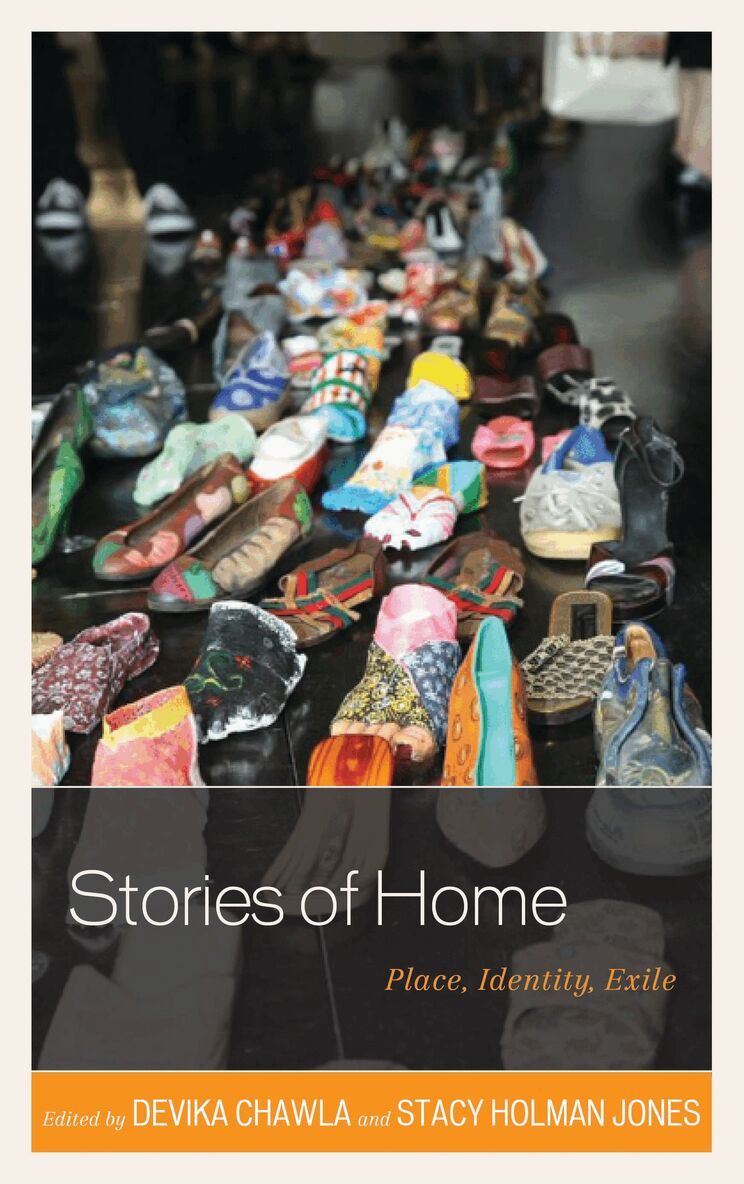
Stories of Home: Place, Identity, Exile offers a window into the distinct ways that home is theorized and conceptualized across disciplines. The essays in this volume consider how people “speak” and “story” home in their everyday lives, why “home” is central to our notion of who we are, and how making home a unit of analysis in research makes a strong conceptual contribution to the field of communication. This collection engages home from diverse contexts and disparate philosophical underpinnings; at the same time the essays converse with each other by centering their foci on the relationship between home, place, identity, and exile. Home—how we experience it and what it says about the selves we come to occupy—is an exigent question of our contemporary moment. Stories of Home: Place, Identity, Exile delivers timely and critical perspectives on these important questions.
1 485 kr
Skickas inom 5-8 vardagar
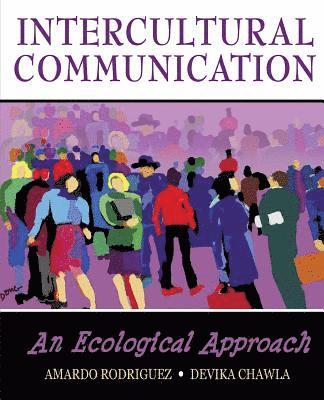
""What is the promise of intercultural communication in a post-September 11 world-one that seems to be increasingly threatened by religious differences?""""Can intercultural communication ultimately bring peace and prosperity among different people…or are aggression and conflict inevitable?""In Intercultural Communication: An Ecological Approach, the authors respond to these questions as well as concerns that changing population and religious trends threaten the stability and prosperity of the United States. The authors believe that communication is always laden with possibility, including the possibility of harmony among different peoples.Intercultural Communication addresses, openly and honestly, the issues, perceived or real, that arise when communicating with people from different backgrounds-their traditions, predispositions, and persuasions.Features:Introduces a new intercultural communication framework that moves beyond the limits of multiculturalism.Develops the thesis that intercultural problems are fundamentally communication problems rather than problems of differences.Debunks the popular claim that language diversity impedes communication and thereby poses a threat to social cohesion.Introduces a definition of communication that defines communication as a mode of being and becoming rather than merely a means of relaying messages or sharing meanings.Redefines diversity in terms of processes, relationships, and environs rather than merely in terms of differences.Develops the claim that our emerging global, multicultural, and plural world is presenting us with new challenges and resources that can allow us to enter a new realm of being human that reflects a larger and richer understanding of the human condition.Integrates contemporary case studies from the United States, as well as from around the world, into nearly every discussion.
1 216 kr
Skickas inom 10-15 vardagar
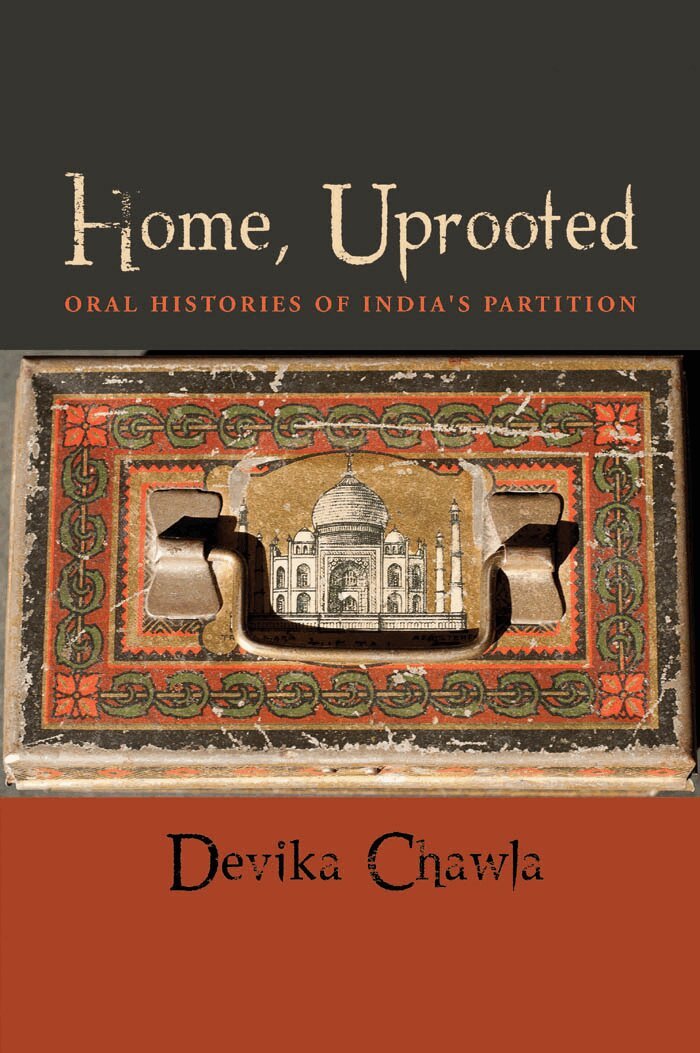
The Indian Independence Act of 1947 granted India freedom from British rule, signaling the formal end of the British Raj in the subcontinent. This freedom, though, came at a price: partition, the division of the country into India and Pakistan, and the communal riots that followed. These riots resulted in the deaths of an estimated 1 million Hindus and Muslims and the displacement of about 20 million persons on both sides of the border. This watershed socioeconomic–geopolitical moment cast an enduring shadow on India's relationship with neighboring Pakistan. Presenting a perspective of the middle-class refugees who were forced from their homes, jobs, and lives with the withdrawal of British rule in India, Home, Uprooted delves into the lives of forty-five Partition refugees and their descendants to show how this epochal event continues to shape their lives.Exploring the oral histories of three generations of refugees from India's Partition—ten Hindu and Sikh families in Delhi, Home, Uprooted melds oral histories with a fresh perspective on current literature to unravel the emergent conceptual nexus of home, travel, and identity in the stories of the participants. Author Devika Chawla argues that the ways in which her participants imagine, recollect, memorialize, or "abandon" home in their everyday narratives give us unique insights into how refugee identities are constituted. These stories reveal how migrations are enacted and what home—in its sense, absence, and presence—can mean for displaced populations.Written in an accessible and experimental style that blends biography, autobiography, essay, and performative writing, Home, Uprooted folds in field narratives with Chawla's own family history, which was also shaped by the Partition event and her self-propelled migration to North America. In contemplating and living their stories of home, she attempts to show how her own ancestral legacies of Partition displacement bear relief.Home—how we experience it and what it says about the "selves" we come to occupy—is a crucial question of our contemporary moment. Home, Uprooted delivers a unique and poignant perspective on this timely question. This compilation of stories offers an iteration of how diasporic migrations might be enacted and what"home" means to displaced populations.
555 kr
Skickas inom 3-6 vardagar
The Indian Independence Act of 1947 granted India freedom from British rule, signaling the formal end of the British Raj in the subcontinent. This freedom, though, came at a price: partition, the division of the country into India and Pakistan, and the communal riots that followed. These riots resulted in the deaths of an estimated 1 million Hindus and Muslims and the displacement of about 20 million persons on both sides of the border. This watershed socioeconomic–geopolitical moment cast an enduring shadow on India's relationship with neighboring Pakistan. Presenting a perspective of the middle-class refugees who were forced from their homes, jobs, and lives with the withdrawal of British rule in India, Home, Uprooted delves into the lives of forty-five Partition refugees and their descendants to show how this epochal event continues to shape their lives.Exploring the oral histories of three generations of refugees from India's Partition—ten Hindu and Sikh families in Delhi, Home, Uprooted melds oral histories with a fresh perspective on current literature to unravel the emergent conceptual nexus of home, travel, and identity in the stories of the participants. Author Devika Chawla argues that the ways in which her participants imagine, recollect, memorialize, or "abandon" home in their everyday narratives give us unique insights into how refugee identities are constituted. These stories reveal how migrations are enacted and what home—in its sense, absence, and presence—can mean for displaced populations.Written in an accessible and experimental style that blends biography, autobiography, essay, and performative writing, Home, Uprooted folds in field narratives with Chawla's own family history, which was also shaped by the Partition event and her self-propelled migration to North America. In contemplating and living their stories of home, she attempts to show how her own ancestral legacies of Partition displacement bear relief.Home—how we experience it and what it says about the "selves" we come to occupy—is a crucial question of our contemporary moment. Home, Uprooted delivers a unique and poignant perspective on this timely question. This compilation of stories offers an iteration of how diasporic migrations might be enacted and what"home" means to displaced populations.